Stop Using Generic Images of Leg Exercises to Fix Your Form
I was scrolling through my phone the other night, trying to find a specific cue for my hamstrings, when I realized how toxic the average search result has become. Most images of leg exercises you find on the first page of Google aren't of people who actually lift—they are of models who were told to 'look fit' while holding a prop. If you try to mimic these poses in your garage gym, you aren't getting stronger; you're just booking a fast-track appointment with a physical therapist.
I've spent a decade loading plates and testing racks. I've seen guys try to copy a leg exercise photo they saw in a lifestyle magazine only to blow out their lower back because the model was arching like a gymnast. We need to stop trusting the 'aesthetic' version of fitness.
- Stock photos prioritize camera angles over joint health.
- Models often lack the ankle mobility required for the deep squats they're pretending to do.
- Hyper-upright torsos in lunges shift load from the glutes to the lumbar spine.
- Real progress happens in the 'ugly' reps, not the airbrushed ones.
The Problem With Searching for a 'Leg Workout Image' Online
When a stock photography agency needs a leg workout image, they don't call a powerlifting coach. They call a modeling agency. They look for someone with low body fat and a nice smile. The result? You get a leg exercise pictures gallery filled with people who have never felt the weight of a 315-lb barbell on their traps.
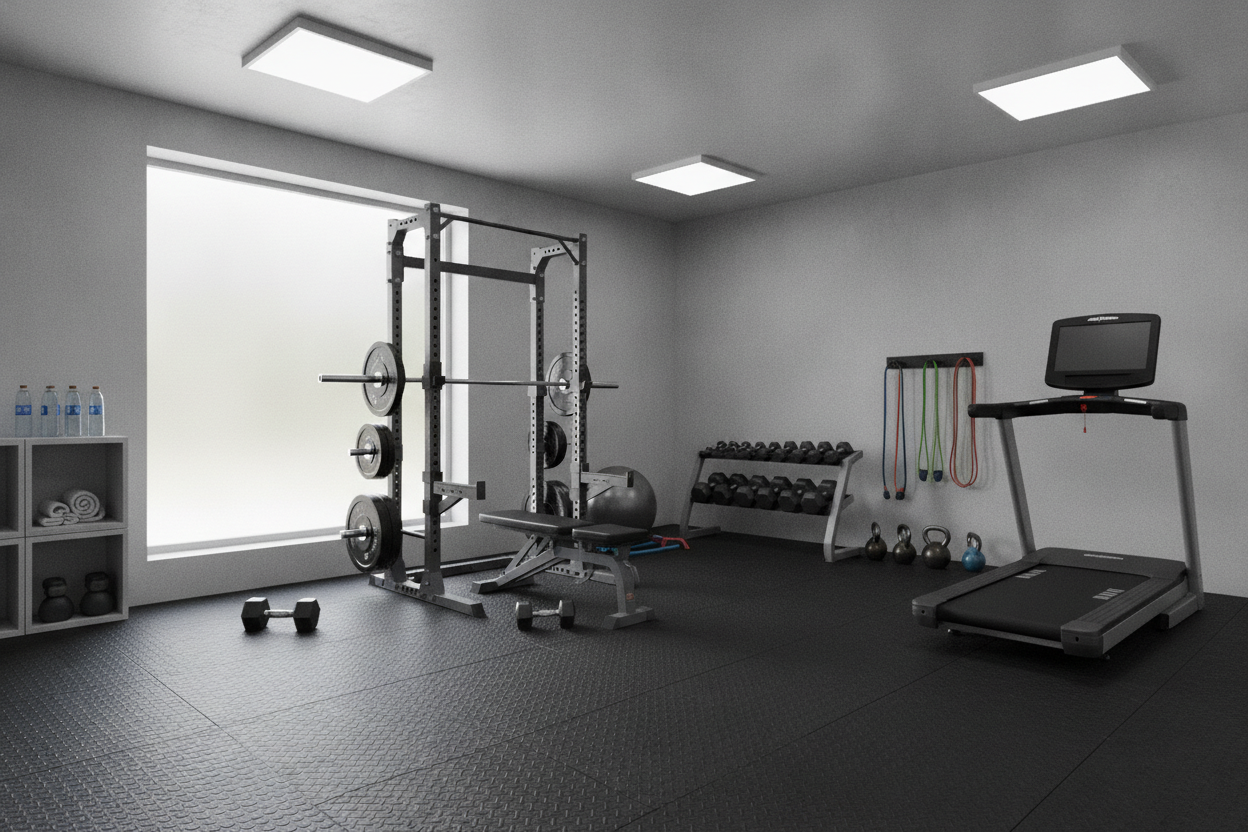
This creates a dangerous standard. You see a leg workout pic where the lifter is looking straight up at the ceiling or has their knees caving inward, and you think that's the 'pro' way to do it. In reality, that's just a recipe for a meniscus tear. These leg exercises images are designed to sell leggings, not to teach you how to move weight safely in a 10x10 foot space.
Three Biomechanical Nightmares in Popular Fitness Photography
I've analyzed thousands of these photos, and the same errors keep popping up. It's not just about 'bad form'—it's about fundamentally misunderstanding how the human body handles load. If you want to understand the science of the most effective leg workout, you have to look past the lighting and focus on the levers.
Most pictures of leg workouts show people with zero tension in their core. They look 'relaxed' because they aren't actually lifting anything heavy. But the moment you add a real barbell, that lack of bracing becomes a liability. Your spine isn't a slinky; it needs to be a rigid pillar.
The 'Perfect Posture' Lunge Trap
In almost every leg day image involving lunges, the model is bolt-upright. While it looks 'regal' for the camera, a hyper-upright torso often forces the lower back into extension. This places massive shear stress on your vertebrae instead of loading the hips.
When I'm training in my gym, I prefer a slight forward lean. This closes the hip angle and actually recruits the glutes and hamstrings. If you follow the pictures of leg exercises that show a 90-degree vertical spine, you're likely just jamming your hip flexors and irritating your SI joint.
The Shallow Squat Epidemic
The typical leg workout pic features a 'squat' that barely reaches a 45-degree angle. This is usually because the model doesn't have the mobility to go deeper without losing their 'look.' But stopping shallow is actually harder on your knees than going to parallel or below.
When you cut a squat short, the anterior shear forces on the knee are at their peak. You need to get that hip crease below the top of the knee to properly engage the posterior chain. Don't let a sanitized leg day pics gallery convince you that 'half-way' is the standard for growth.
What Real Leg Day Pictures Actually Look Like
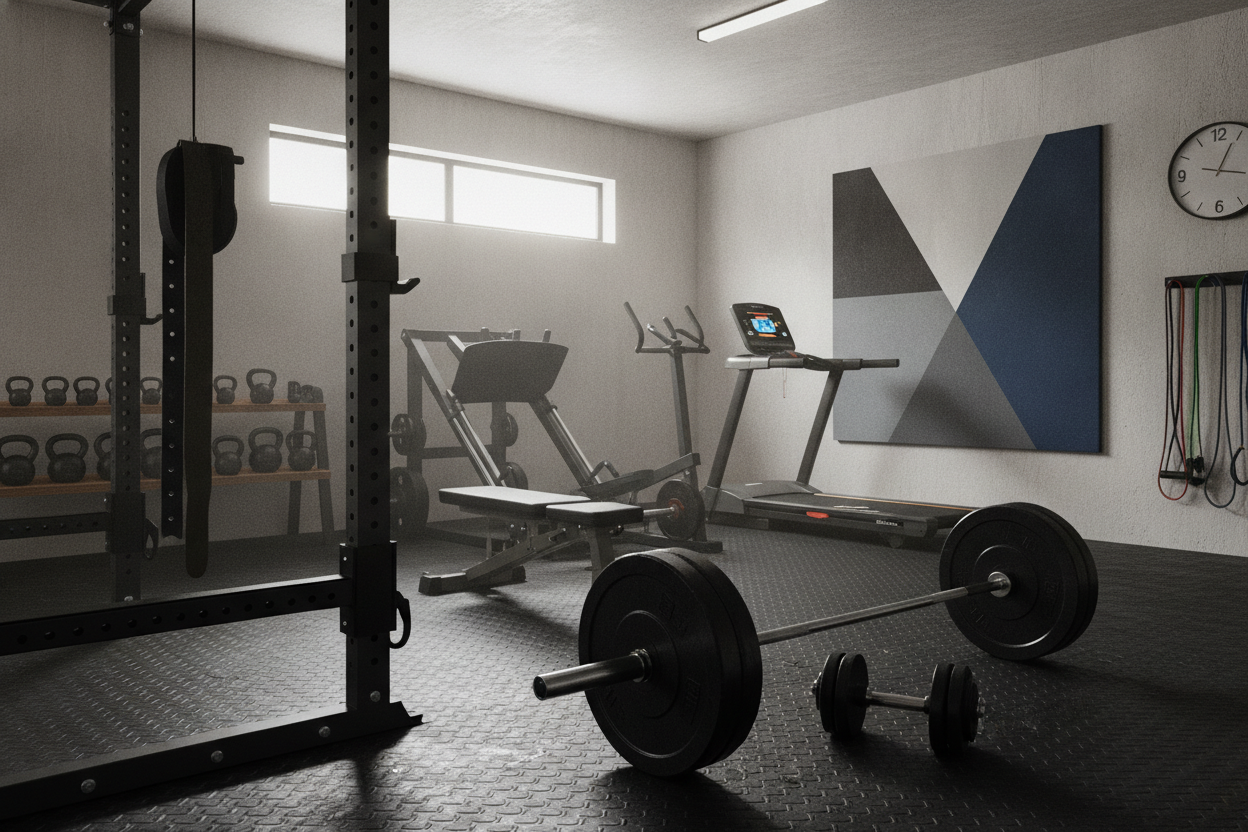
Real training is disgusting. If you look at my home gym after a heavy session, there's chalk on the floor, sweat on the bench, and I probably look like I'm having a mid-life crisis. That is what surviving the kind of workout that makes walking hard actually looks like.
A legitimate leg day pictures set would show grit, straining necks, and focused eyes. It wouldn't show someone smiling while holding a kettlebell. If you aren't making a face that looks like you're trying to move a mountain, you probably aren't training with the intensity required for real hypertrophy.
How to Safely Lock In Your Mechanics
Sometimes, the best way to avoid the 'form trap' of a misleading leg workout image is to take the stability requirement out of the equation. If you're tired or your lower back is fried from a long week, trying to mimic a complex free-weight movement is where injuries happen.
This is where a dedicated leg machine comes into play. By using a fixed path, you can push your quads and hamstrings to absolute failure without worrying about your spine collapsing like a house of cards. It's the smartest way to bridge the gap between 'looking' like you're training and actually doing the work.
Why I Finally Added a Dedicated Curl Setup
For years, I tried to do everything with a barbell because I thought machines were 'cheating.' I was wrong. My hamstrings never grew until I stopped obsessing over perfect RDL form and just sat down in a machine that forced the mechanics for me.
I ended up grabbing the Gxmmat Leg Extension Curl Machine for my corner setup. It has a small footprint—essential for my cramped garage—and it allows me to isolate my quads without any spinal loading. It’s built well enough to handle heavy sets, and I don't have to worry about my form looking like a bad stock photo.
FAQ
Are all fitness photos bad for form?
Most are. Unless the photo is from a reputable strength coach or a competitive lifter, assume it was staged for aesthetics rather than safety. Always cross-reference with a movement specialist.
Why do models in leg workout photos look so upright?
It's about the camera. An upright torso keeps the face in the light and makes the outfit look better. In real lifting, a slight hinge is usually safer and more effective for muscle recruitment.
How can I tell if a leg day image is 'fake'?
Look at the feet. If the heels are lifting off the ground or the weight is clearly made of plastic/foam, the form is likely useless. Real lifters have a stable 'tripod' foot and clear tension in their muscles.