Stop Using Apps: Why a Printable Beginner Workout Plan Wins
I remember standing in the middle of a crowded commercial gym, staring at a 'top-rated' fitness app while my rest timer ticked away. Instead of focusing on my next set of rows, I was accidentally reading a news notification about a celebrity's divorce. My heart rate was dropping, my intensity was gone, and I realized the very tool meant to help me was actually sabotaging my progress. If you’re tired of the digital noise, a printable beginner workout plan is the most effective way to actually get strong without the distractions.
- Zero Distractions: No notifications, no scrolling, just the lift.
- Tactile Feedback: Physically crossing off a set provides a psychological win apps can't mimic.
- Better Form Focus: You spend your rest periods breathing, not looking at a screen.
- Indestructible: Paper doesn't run out of battery or shatter when you drop a 25-lb plate on it.
Why Your Smartphone is the Worst Gym Buddy
Your phone is a casino designed to steal your attention. When you use it to track your lifts, you’re inviting a thousand distractions into your training session. I’ve seen it a hundred times: a beginner finishes a set, opens their tracking app, and then 'quickly' checks a text. Ten minutes later, they’re still sitting on the bench, cold and unmotivated. Using a printable exercise program for beginners forces you to put the phone in your locker or at least keep it in 'Do Not Disturb' mode in your pocket.
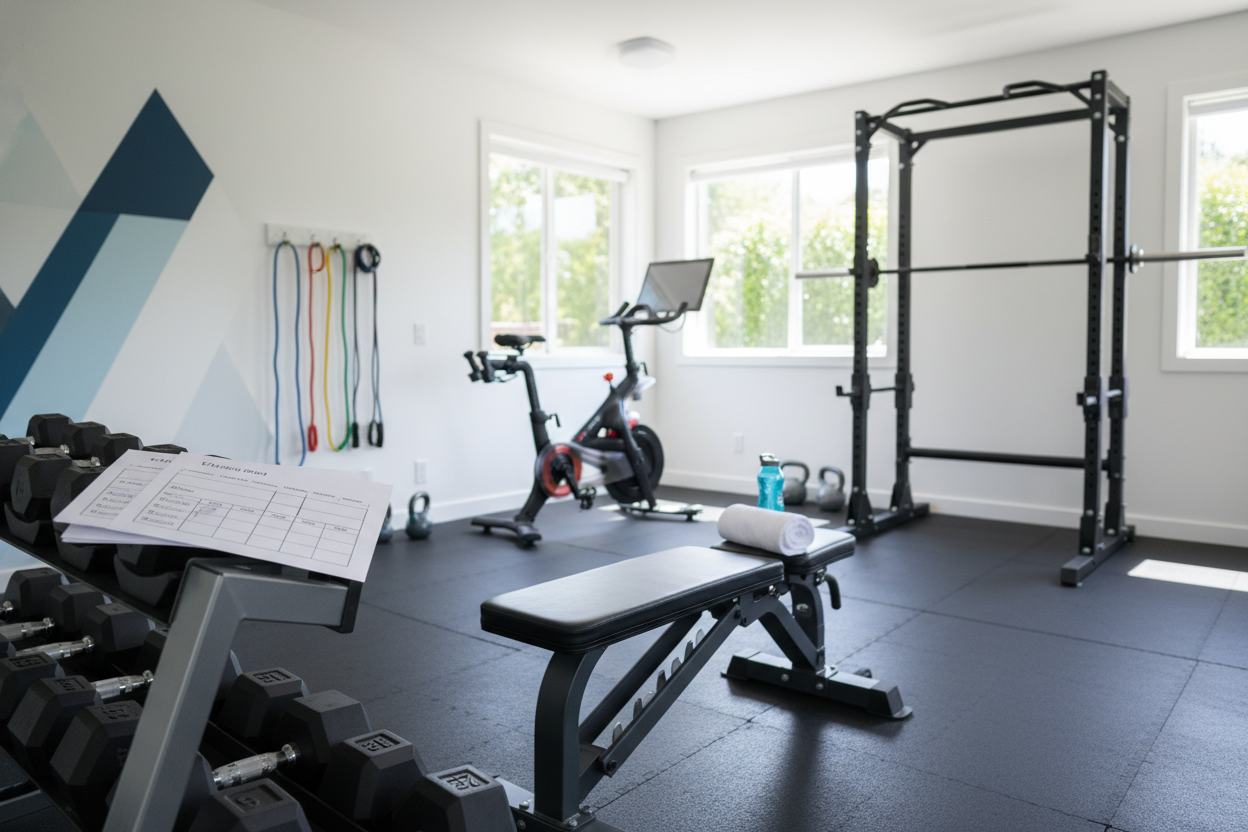
There is a tactical advantage to analog tracking. When you have a physical sheet of paper on a clipboard, your brain stays in 'work mode.' You aren't navigating menus or waiting for a UI to load. You just grab your pen, write down the weight, and look at the next movement. This streamlined flow keeps your heart rate up and your workout time down. I’ve found that my sessions are usually 15 minutes shorter when I leave the phone out of the equation.
The Problem With Most Free PDF Routines
If you search for beginner free printable workout routines, you’ll mostly find bloated garbage. Many of these plans are designed by people who care more about aesthetic layout than actual physiological adaptation. They’ll have you doing four different types of bicep curls and three variations of lateral raises before you’ve even learned how to squat properly. Beginners don't need variety; they need mastery of the basics.
The biggest mistake is over-complicating the progression. Most free PDFs give you a static number of reps that never changes. If you find yourself getting bored or stuck, some lifters prefer the rep-free timer method to keep things moving. The goal is to find a plan that emphasizes big, compound movements—squats, hinges, pushes, and pulls. If a plan has more than five exercises per session, it’s probably trying to do too much too soon.
What Actually Belongs on Your Clipboard
A functional printable workout plan for beginners should be ugly. It doesn't need stock photos of people sweating; it needs white space. You want a clear header for the date and your body weight, followed by a simple grid. Each row should list the exercise, the target sets, and the target reps. But the most important part is the empty 'Notes' column. This is where you record that your grip felt weak on the third set or that the 45-lb bar felt heavier than usual.
I recommend a layout that covers a full week on one page. This allows you to look back at Monday’s squats while you’re preparing for Friday’s session. It provides an immediate visual of your progress. If you aren't sure which movements to start with, I suggest looking at a solid beginner routine for the gym and manually writing those exercises into your template. Physical writing helps with memory retention, making you more aware of your own strength gains.
Setting Up Your Space for Analog Training
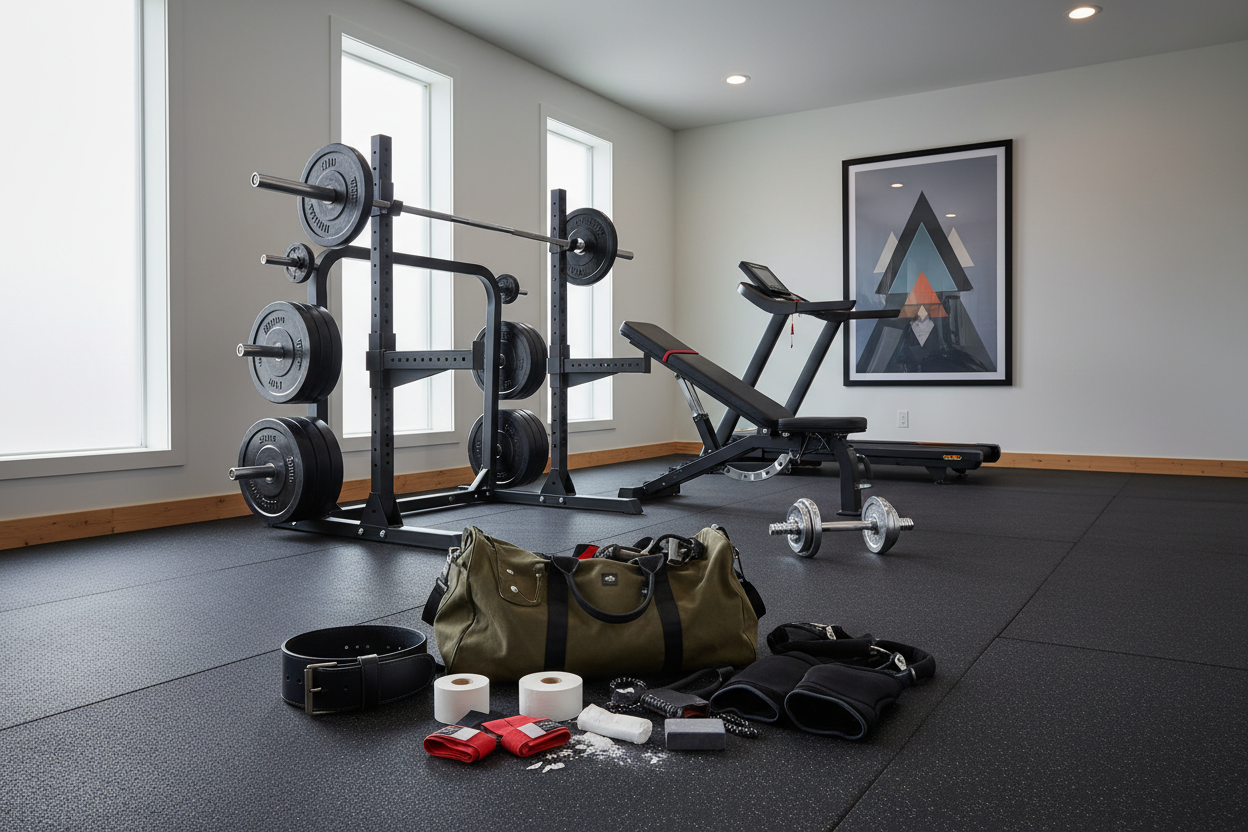
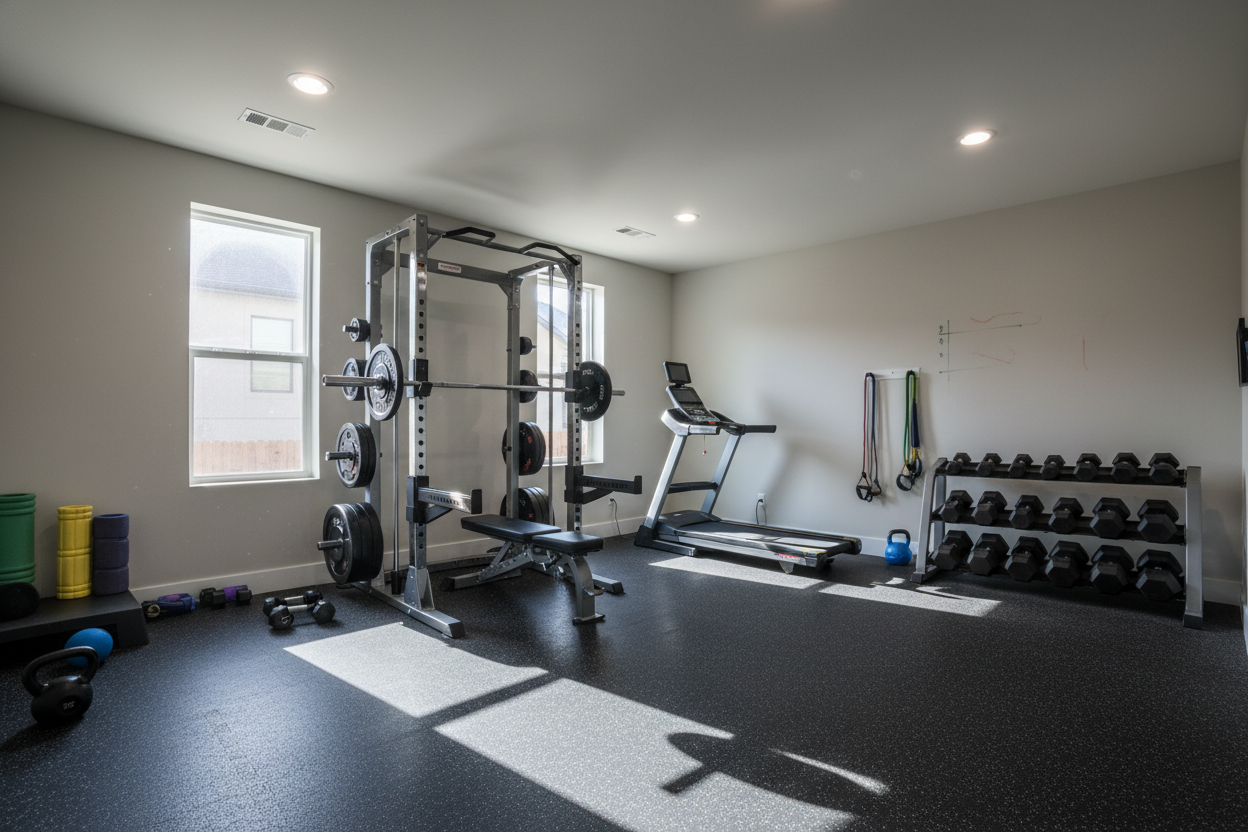
You don't need a commercial facility to make a paper-based plan work. In fact, this approach is even better for home gym owners who want to escape the digital world. You just need a flat surface for your clipboard and a dedicated space where you won't be tripped up by clutter. I always tell people to clear out a 6x8 ft area so they have room to move safely without knocking over a lamp.
Stability matters. If you’re training on a slick garage floor or a dusty basement, you're going to struggle with your footwork. Invest in a large, durable exercise mat to define your training zone. It gives you a non-slip surface for your lifts and a place to drop your clipboard between sets. Having a designated 'work zone' makes it much easier to stay focused on the paper in front of you rather than the laundry piling up in the corner.
When Is It Time to Graduate from the Paper?
Eventually, you will outgrow a simple one-page template. This usually happens after 6 to 12 months of consistent lifting when your 'newbie gains' start to taper off. You’ll know it’s time to move on when you can’t simply add 5 lbs to the bar every week. When you hit a plateau that lasts more than three weeks, it’s a sign that you need more complex periodization—things like RPE (Rate of Perceived Exertion) or percentage-based training.
Once you’ve mastered the habit of showing up and recording your work, you can start looking at more advanced programming. When that day comes, you can browse our complete workout hub to find a plan that fits your new goals. But even as you get more advanced, don't be surprised if you find yourself coming back to the clipboard. There’s a reason many of the strongest powerlifters in the world still keep a physical training log.
Personal Experience: My $1000 Distraction
A few years ago, I bought a high-end 'smart' watch specifically to track my gym sessions. It had all the bells and whistles—heart rate zones, rep counting, and even rest timers. I spent more time fiddling with the touch screen and clearing notifications than I did actually lifting. One day, the battery died mid-workout, and I felt completely lost. I didn't know what weight I had used the week before. That was the day I went to the office supply store, bought a pack of pens and a clipboard, and never looked back. My lifts went up almost immediately because I was finally paying attention to the iron, not the interface.
Frequently Asked Questions
Do I need a special printer for these plans?
No, any standard home printer works. I actually prefer black and white printing because it’s cheaper and allows you to use colorful highlighters to mark your personal bests.
What if I spill water or sweat on my paper?
It happens. I usually keep my clipboard on a raised surface like a bench or a rack shelf. If you're really worried, you can use a plastic sheet protector and a dry-erase marker, though I find permanent ink on paper more satisfying.
How often should I update my printed plan?
Keep the same basic template for at least 8-12 weeks. Consistency is how you measure progress. If you change your exercises every week, you'll never know if you're actually getting stronger or just getting better at different movements.