Stop Trying to Hit All Physical Strength Training Areas at Once
I remember staring at my training log at 11 PM, trying to figure out how to add 50 pounds to my squat, shave two minutes off my mile, and pack an inch onto my arms all in the same month. My garage was packed with gear, but my progress was flatter than a cheap bench press pad. The hard truth is that most lifters stall because they try to master all physical strength training areas simultaneously, and it is the fastest way to stay exactly where you are.
Quick Takeaways
- Focusing on one adaptation (strength, size, or power) yields faster results than mixing them.
- The 'interference effect' confuses your nervous system and blunts progress.
- You can maintain muscle mass with surprisingly low volume while focusing on pure strength.
- Minimalist, high-quality gear beats a garage full of distractions.
The Exhausting Trap of the 'Do-It-All' Routine
We have all been there. You see a video of a guy pulling 600 pounds, so you want to go heavy. Then you see a bodybuilder with massive quads, so you add high-rep lunges. By the time you see a CrossFit athlete doing 30-inch box jumps, your program is a bloated mess. You are trying to hit every single one of the physical strength training areas in a single week, and your body is screaming for a break.
When you try to program for heavy singles, high-rep hypertrophy, and explosive power all at once, you aren't 'well-rounded.' You are just under-recovered. I spent three years spinning my wheels because I refused to admit that I couldn't be a powerlifter on Monday and a marathoner on Tuesday. My joints hurt, my sleep was trash, and my numbers didn't budge.
Why Your Nervous System Hates Mixed Signals
Your body is an adaptation machine, but it needs a clear signal. If you tell it to build massive endurance and maximum force at the same time, it gets confused. This is the biological interference effect. To see real progress, you have to Stop Changing All Your Strength Training Variables at Once and pick a lane.
Trying to stimulate too many physical strength training areas at once dilutes the specific stress your body needs. If you want to get strong, your central nervous system needs to learn how to recruit motor units efficiently. If you are constantly chasing a 'pump' or doing high-intensity conditioning, you are muddying that neurological message. You end up with a 'jack of all trades' physique that isn't particularly good at anything.
The Myth of Losing What You Don't Train Daily
The biggest fear I hear from garage gym owners is that their muscles will vanish if they stop doing 15-rep sets for a month. It is total nonsense. Muscle tissue is much more resilient than your ego thinks. If you pivot to a pure strength block for eight weeks, you aren't going to wake up looking like a distance runner.
Strength is a skill that requires high intensity and low volume. Hypertrophy requires more volume and metabolic stress. You can keep 90% of your size while focusing on 1-rep maxes just by doing a few sets of accessory work at the end of your session. Stop worrying that your 'gains' will evaporate the second you stop chasing a skin-splitting pump every day.
How I Structure My Garage Gym Phases Now
I stopped trying to do everything and started using block periodization. For the average guy in a home gym, this is the secret sauce. I dedicate 6 to 8 weeks to one primary goal. If I am in a strength block, my main lifts are in the 1-5 rep range. Everything else is 'life support' volume—just enough to keep my conditioning from falling off a cliff.
I pick one 'King' lift for the block—usually the squat or deadlift—and build everything around it. My accessory work is minimal. I am not trying to hit three different variations of a tricep extension. I am there to move heavy iron and go home. This focus allows my CNS to recover and actually allows me to break through plateaus that have dogged me for years.
The Bare Minimum Gear for Focused Blocks
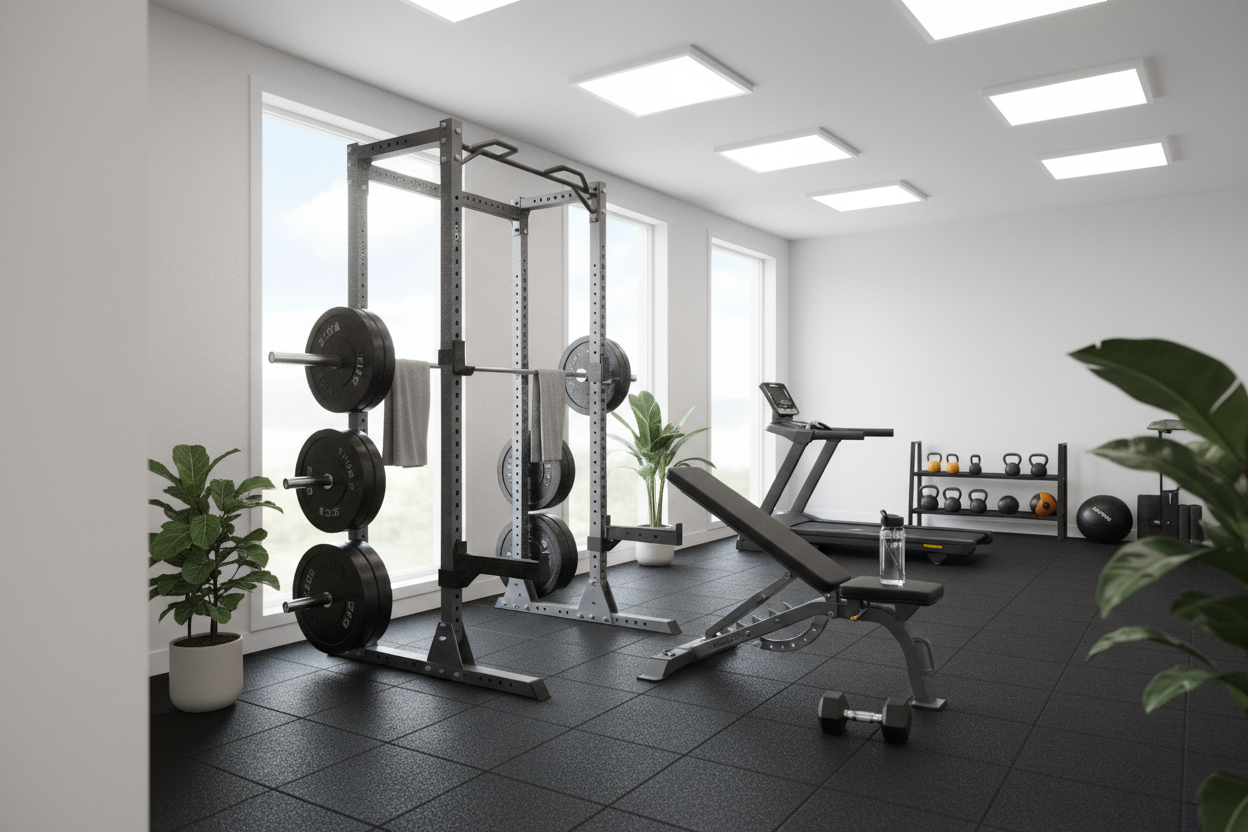
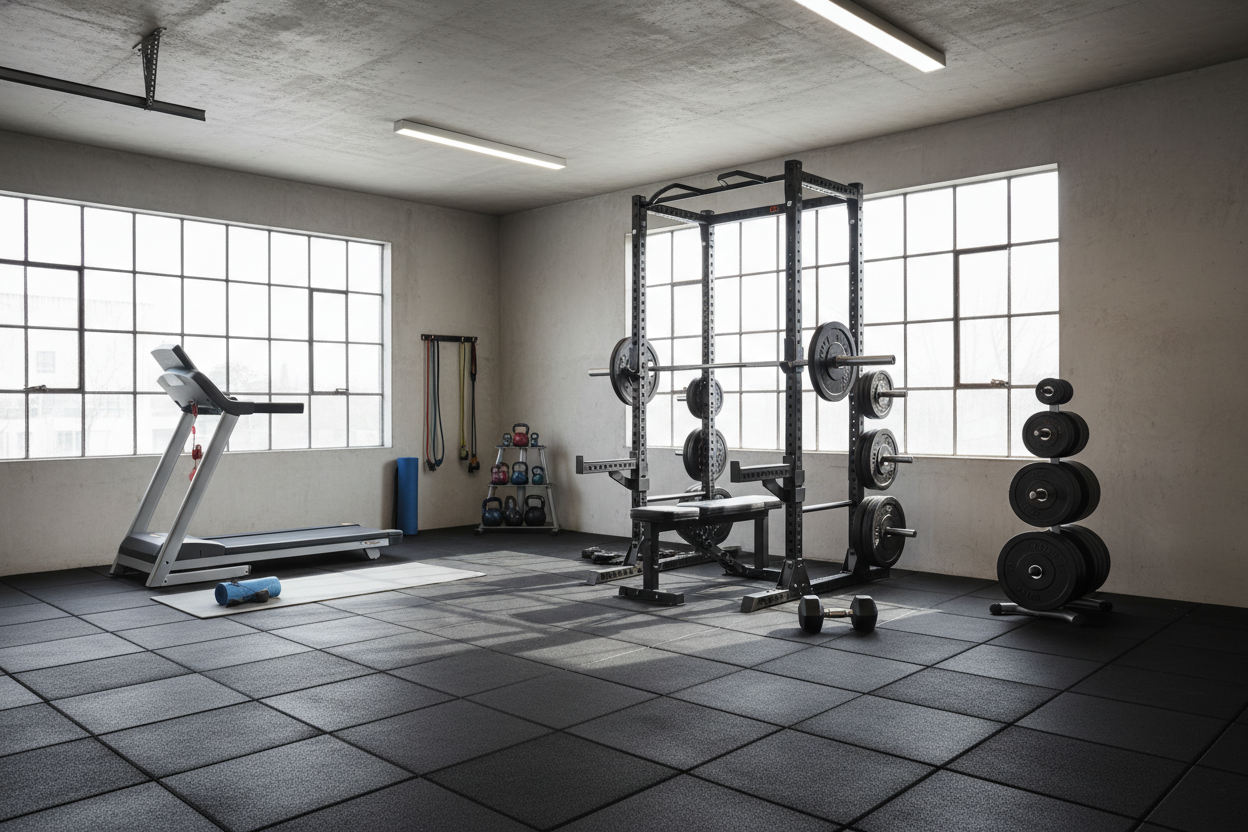
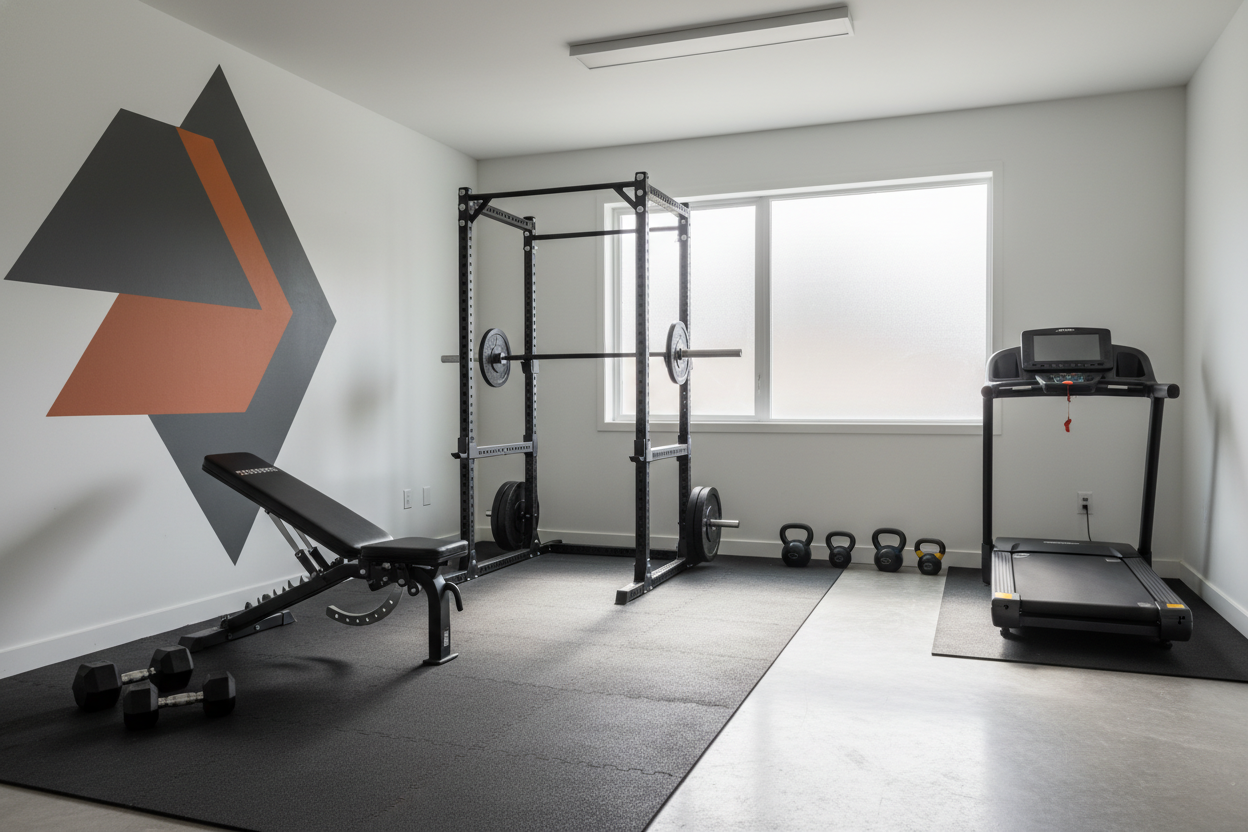
When you narrow your focus, you realize you don't need half the stuff in your gym. For a heavy strength block, you need foundational strength equipment that you can trust. I'm talking about a rack that doesn't sway when you re-rack a heavy bar and a barbell with knurling that actually bites.
You can strip away the cable attachments and the fancy machines. Instead, invest in a few key strength training accessories like a high-quality leather belt and some chalk. These tools help you push your limits during max-strength blocks without the distractions of 'flavor of the week' equipment. Keep it simple, keep it heavy, and stop trying to do everything at once.
How long should a focus block last?
Usually, 6 to 12 weeks is the sweet spot. Anything less isn't enough time for your body to adapt; anything more and you risk burnout or injury from the repetitive high intensity.
Will I lose my cardio if I only lift heavy?
You might lose some top-end 'sprint' endurance, but you can maintain a solid base with two 20-minute low-intensity sessions a week. It won't kill your strength gains as long as you aren't redlining your heart rate.
What if I want to be good at everything?
You still can be, just not all in the same month. Rotate your focus throughout the year. Spend the winter getting strong, the spring building muscle, and the summer focusing on conditioning. You will end up better at all of them than if you tried to do them all in January.