Stop Trusting Those Perfectly Lit Exercise Equipment Pics
I’ve spent way too many late nights scrolling through Amazon, looking at exercise equipment pics that seem too good to be true. You know the ones: a squat rack that looks like it belongs in a D1 weight room but costs less than a pair of lifting shoes. Most of the time, those fitness equipment images are a trap designed to separate you from your hard-earned cash.
I’ve personally unboxed and assembled hundreds of pieces of gear. I’ve seen how a clever gym equipment photoshoot can make a flimsy 14-gauge steel bench look like it’s built for a tank. It’s easy to get burned by home gym equipment deals when you’re only looking at a tiny thumbnail on a phone screen. If you don't know what to look for, you're going to end up with a wobbly mess that’s more of a clothes hanger than a training tool.
Quick Takeaways
- Ignore the model's size; check the actual height and footprint dimensions in the text.
- Look for close-up shots of welds and hardware, not just wide-angle studio shots.
- Be wary of 3D renders that hide real-world manufacturing imperfections.
- Check the base of the machine to see how it interfaces with the floor.
The Problem With Buying Gym Gear Off a Screen
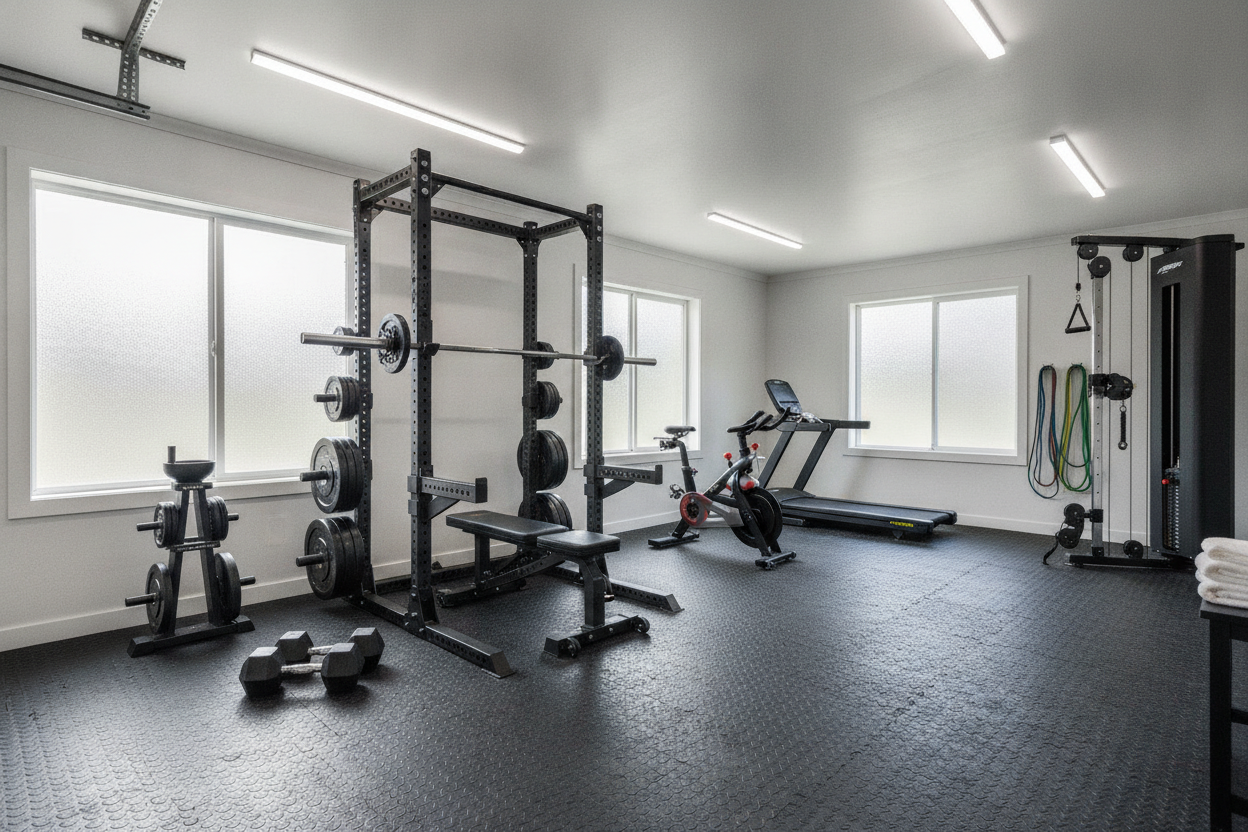
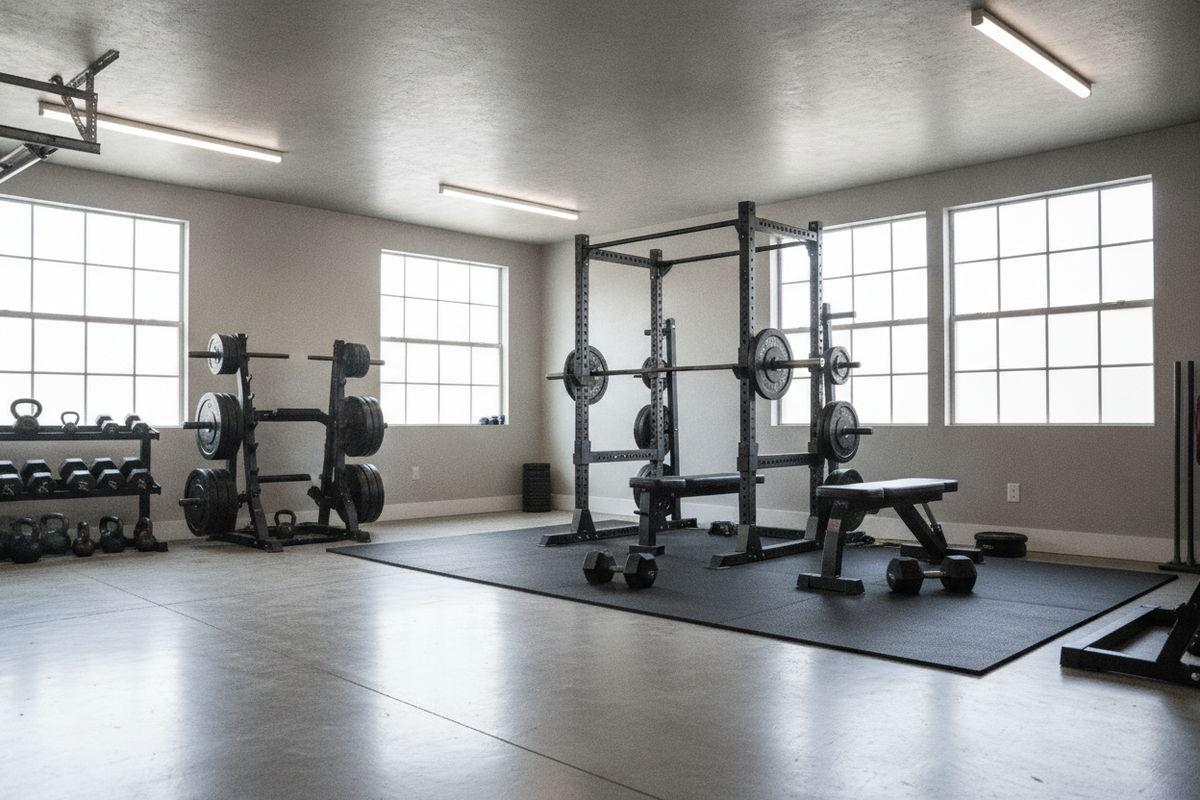
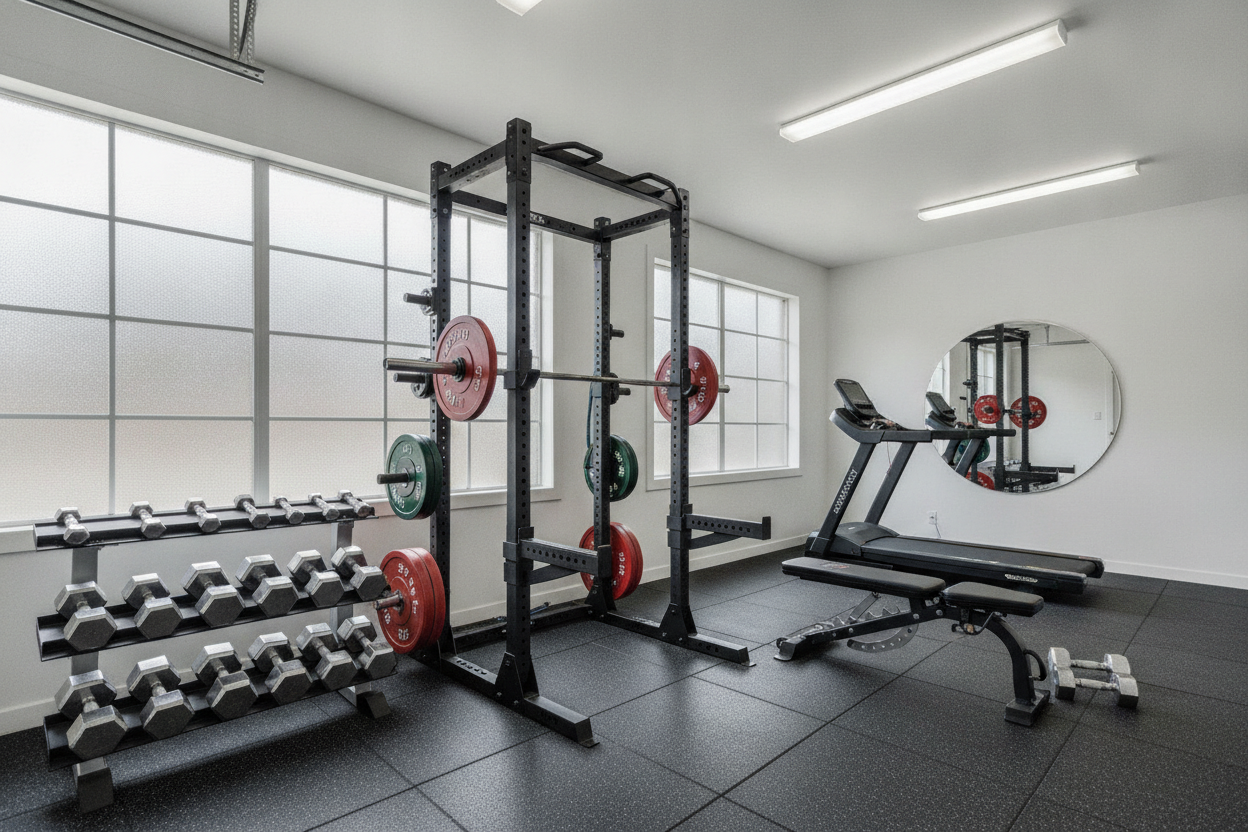
The biggest issue with modern gym equipment pictures is that they are often 3D renders or highly edited studio shots. In a studio, you can use lighting to create shadows that make thin steel look thicker than it actually is. When you see a gym machine image with a perfectly white background and no shadows, you’re looking at a marketing asset, not a piece of hardware.
I’ve seen people jump on home gym equipment deals because the pictures of exercise equipment looked professional. Then the box arrives, and the 'heavy-duty' rack is made of steel so thin you could dent it with a dropped 25-lb plate. Brands use these fitness equipment pics to create an illusion of quality that doesn't exist in the physical product.
3 Red Flags Hiding in Plain Sight
Spotting a lemon requires a cynical eye. You have to look past the sweaty models and the 'badass' gym equipment wallpaper vibes to see the actual engineering—or lack thereof.
The Forced Perspective Trick
This is the oldest trick in the book. A brand will hire a model who is 5'4' to stand next to a squat rack. Suddenly, that 72-inch 'shorty' rack looks like a towering monolith. They also love low-angle gym equipment photography. By shooting from the ground up, a narrow, unstable base looks wide and planted. Always compare the gym equipment photos to the written dimensions. If the picture of workout equipment makes it look huge but the specs say it’s only 40 inches wide, trust the numbers, not your eyes.
The Ghost Weight Problem
Have you ever seen a gym machine photo where the model looks like they’re about to burst a vein, but the machine only has one 10-lb plate on it? That’s a massive red flag. If the images of gym equipment don't show the machine loaded with actual weight, it’s probably because the frame can’t handle the vibration or the load without shaking. I’m always suspicious of a gym machine pic where the barbell is empty. A real bar should have at least a pair of 45s on it to show the rack isn't going to tip over the second you rack the weight.
Hiding the Hardware
Quality brands are proud of their welds. They’ll give you a macro gym equipment image of the 'fish scale' welds and the beefy 1-inch bolts. Cheap brands do the opposite. Their workout equipment pictures are always taken from six feet away. If you can’t find a single close-up image workout equipment shot of the J-cups, the pulleys, or the adjustment pins, it’s because they’re made of cheap plastic or thin, stamped metal. An image of exercise equipment that avoids the details is hiding a budget build.
What Real Fitness Equipment Images Should Show You
When you’re trying to build a pro gym with basic exercise fitness equipment, you need to see the 'ugly' stuff. I want to see the texture of the knurling on a barbell. I want to see how the powder coat looks after a few months of use. High-quality pictures of gym machines should show real people—not just models—actually using the gear for heavy sets of five.
Real gym equipment photography includes shots of the packaging, the assembly hardware, and the underside of the equipment. If a company only provides one or two gym machine pictures and they both look like they were made in Photoshop, run away. You want to see the raw materials because that’s what determines if the gear lasts ten years or ten minutes.
Final Rule: Look at the Floor
The way a piece of gear touches the ground tells you everything. Cheap equipment uses thin plastic end-caps that slide around and crack. High-end gear has massive rubber feet or, better yet, steel bolt-down tabs. If a photo shows a rack sitting precariously on top of thin carpet, it’s a toy. A real rack should look like it’s part of the building, sitting flush and heavy on your gym flooring for home workout.
I always look for how the base spreads the load. A wider footprint in the picture of gym equipment means better lateral stability. If the base looks narrow enough to tip during a failed squat, it probably will. Don't let a pretty photo of fitness equipment distract you from the physics of a heavy barbell.
My Biggest Photography Mistake
A few years ago, I bought a cable crossover machine because the photo of gym equipment made it look like a beast. It had a sleek, blacked-out aesthetic that looked great in the gym machine pictures. When it arrived, I realized the 'beefy' frame was actually just plastic shrouds covering tiny, 14-gauge uprights. It shook every time I did a chest fly. I learned that day: if the photo focuses more on the 'look' than the 'steel,' it's probably junk.
FAQ
How can I tell if a squat rack is stable from a photo?
Check the depth of the base. If the front-to-back distance is less than 40 inches and it doesn't have bolt-down tabs, it’s going to be wobbly. Also, look for gusset plates (triangular steel reinforcements) at the corners.
Why do brands use 3D renders instead of real photos?
It’s cheaper and easier. They can change the colors and 'fix' manufacturing flaws in software before the product even leaves the factory. Always ask for 'real world' photos in user reviews.
What is the most important detail in a gym machine image?
The pulleys and cables. If the pulleys are plastic and the cables look like thin clotheslines, the machine will feel choppy. Look for aluminum pulleys and 7x19 strand aircraft cables.