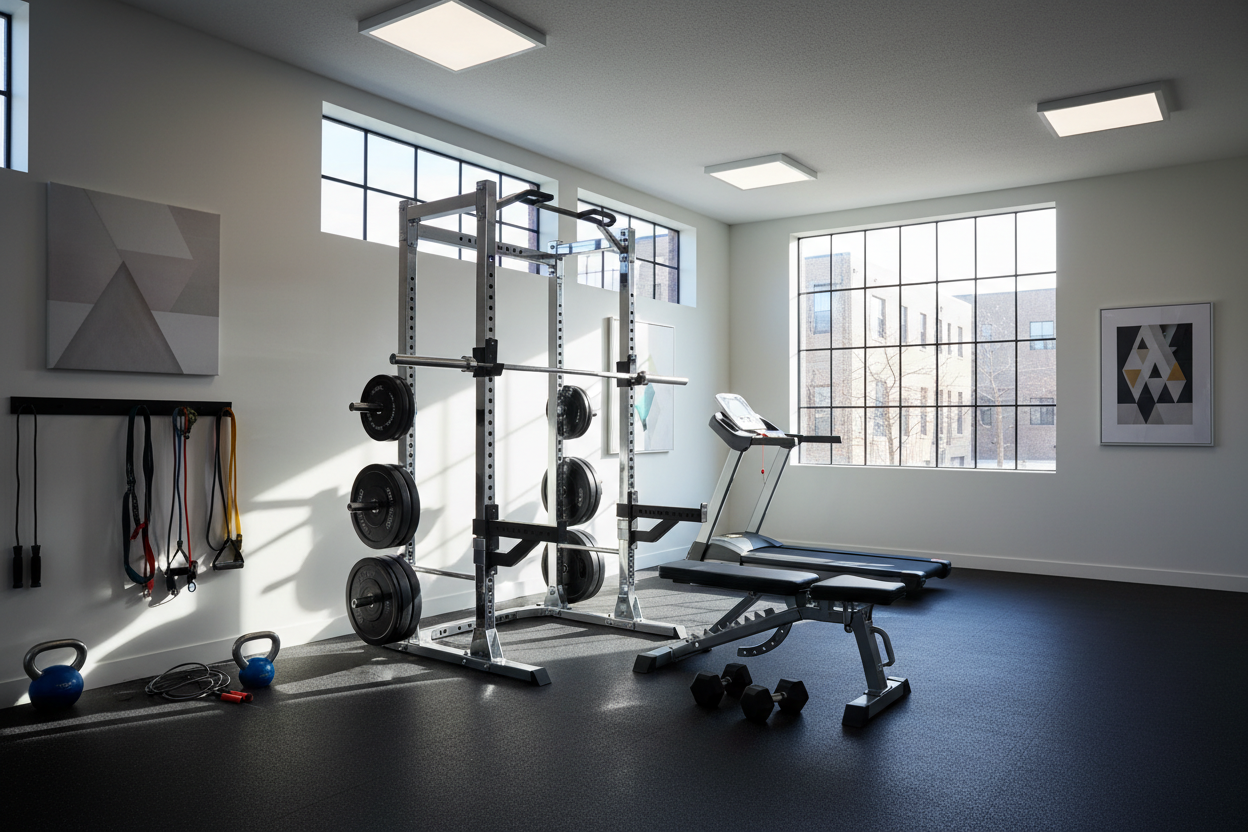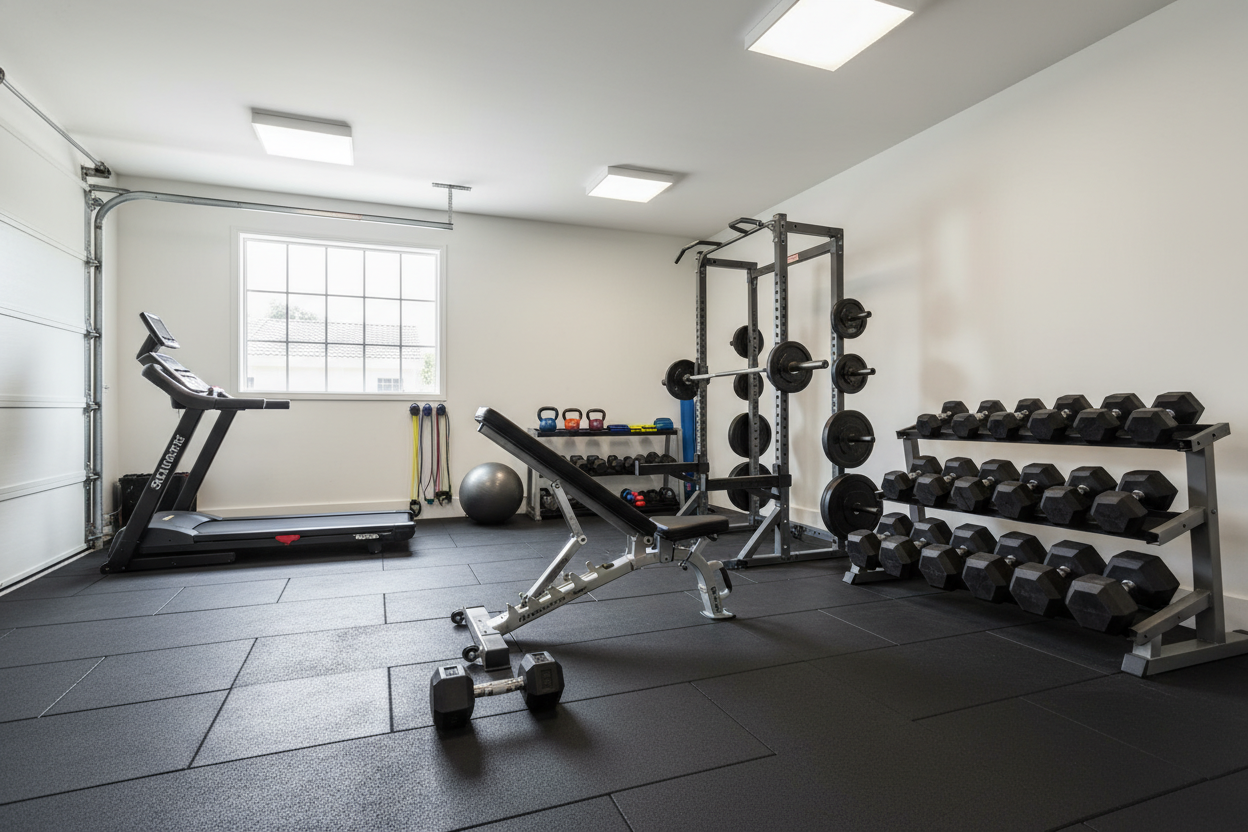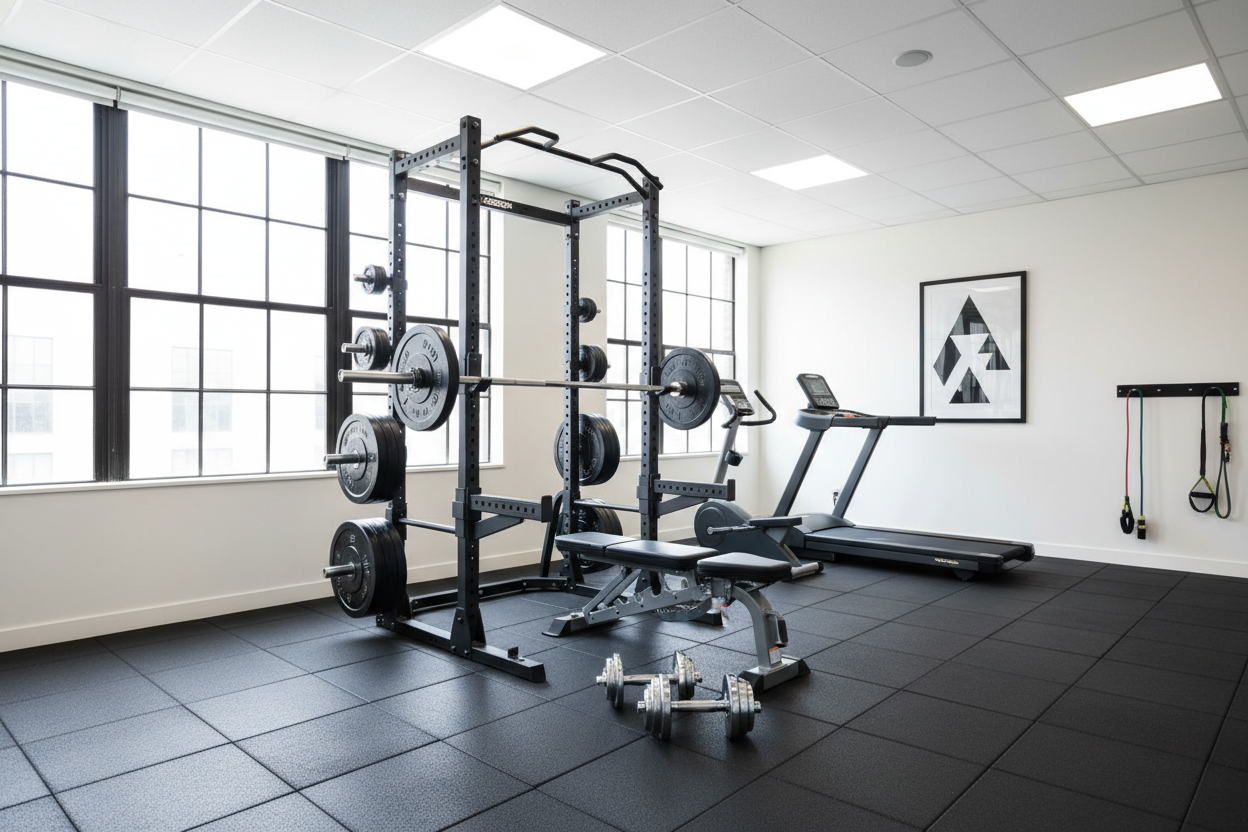
Stop Treating Your Bodybuilder Training Like a CrossFit WOD
I spent years in a freezing garage gym thinking that if I wasn't gasping for air between sets, I wasn't working hard enough. I’d finish a session with a soaked t-shirt and a heart rate that wouldn't quit, yet my physique looked exactly the same as it did six months prior. It’s a common trap: we mistake systemic fatigue for muscular growth. If you want to see real results from your bodybuilder training, you have to stop chasing the 'burn' and start chasing the tension.
Quick Takeaways
- Sweat is a measure of temperature and exertion, not hypertrophy.
- Rushing sets prevents you from reaching true local muscular failure.
- Resting 2-5 minutes is often necessary for high-load mechanical tension.
- A cold garage gym usually forces us to rush; fix your environment to fix your gains.
Why You Keep Turning Hypertrophy Into Cardio
There is a psychological itch we all feel when training at home. Because we don't have a commute or a locker room to signal the 'start' and 'end' of a session, we feel the need to make every second count. This leads to rushing your bodybuilding sets. You finish a heavy set of rows, your heart is pounding, and instead of waiting for your ATP stores to replenish, you jump back under the bar in 45 seconds because you don't want to 'lose the pump.'
When you do this, you aren't doing a bodybuilder gym workout anymore; you're doing a poorly optimized HIIT session. Your lungs become the limiting factor, not your lats or your quads. If your cardiovascular system gives out before your muscle fibers do, you’ve left growth on the table. You might feel like a beast because you're dripping sweat on the plywood, but your muscles are actually under-stimulated because the weight on the bar had to drop to accommodate your lack of oxygen.
The Brutal Truth About Mechanical Tension
The primary driver of muscle growth is mechanical tension. To maximize this, you need to recruit the highest-threshold motor units. In plain English: you need to lift heavy stuff for a decent amount of reps. If you rush into your next set while you're still huffing like a freight train, your central nervous system won't let you output the power required to hit those growth-prone fibers. You’re just accumulating 'junk volume.'
A real bodybuilder workout in gym settings—the kind that actually builds slabs of granite—involves a surprising amount of sitting on a bench, staring at a wall, and checking your stopwatch. You need to distinguish between systemic fatigue (your whole body feels tired) and local muscular failure (the specific muscle can no longer move the weight). To learn more about how to structure these triggers, explore our workout hub for a deeper dive into the science of failure.
How to Actually Pace a Muscle-Building Session
If you’re following a bodybuilding style routine, your rest periods should be dictated by your breathing and your logbook, not a CrossFit timer. For big compound movements like squats, RDLs, or presses, three minutes is the bare minimum. I’ve gone as long as five minutes when the weights get north of 400 pounds. You want your heart rate to settle and your breathing to be calm before you touch the iron again.
For isolation work—curls, lateral raises, extensions—you can get away with 60 to 90 seconds. But the rule remains: if you can't match or beat your previous performance because you're out of breath, you didn't rest long enough. This is a far cry from an intense home gym training guide that prioritizes metabolic conditioning. In hypertrophy work, intensity is measured by proximity to failure, not how many calories your Apple Watch says you burned.
Making Long Rest Periods Tolerable at Home
The biggest hurdle to resting properly in a garage is the 'freeze factor.' When it's 30 degrees outside and you're standing on bare concrete, sitting around for three minutes feels like a death sentence. You start to get stiff, your joints feel 'dry,' and you lose your focus. This is where your gear actually impacts your bodybuilders weekly workout routine.
Invest in high-quality gym flooring for home workout setups. It’s not just about protecting the subfloor; it’s about thermal insulation. Standing or sitting on an actual mat instead of cold concrete makes those long rest periods tolerable. Throw on a heavy hoodie between sets if you have to. Do whatever it takes to stay warm enough to actually take the rest your muscles require.
A Sample Pacing Guide for Maximum Growth
Stop trying to fit 20 exercises into a 45-minute window. A full bodybuilding workout plan that actually works usually looks 'lazy' to the outside observer. You might only do five exercises in an hour. Here is how I structure a heavy leg day to ensure the quads are the thing that gives out, not my heart:
- Hack Squats: 3 sets of 8-10 reps. Rest: 3-4 minutes. (Focus on the deep stretch).
- Leg Extensions: 3 sets of 12-15 reps. Rest: 90 seconds. (Constant tension).
- RDLs: 3 sets of 8-10 reps. Rest: 3 minutes. (Neutral spine, slow eccentric).
- Hamstring Curls: 3 sets of 12-15 reps. Rest: 90 seconds.
By the end of this, I might not be gasping for air, but my legs will be shaking so hard I can barely walk to the kitchen. That is the hallmark of an effective exercise guide bodybuilding approach. If you’re looking for a structured way to implement this, check out our complete home gym training guide which breaks down the exact loading parameters for every major muscle group.
Personal Experience: My Supersetted Failure
A few winters ago, I decided I was 'too busy' to rest. I tried to superset heavy barbell rows with kettlebell swings to save time. I felt like an athlete, but my back development stalled for four months. My grip was shot from the swings, and my lungs were burning so much I couldn't brace properly for the rows. I was moving a lot, but I wasn't growing. The second I went back to sitting on my ass for three minutes between heavy sets of rows, my strength shot up 20 pounds in three weeks. Learn from my stupidity: rest is a performance enhancer.
FAQ
How do I know if I rested long enough?
If you can take a deep, controlled breath without feeling like you're 'catching' it, and you feel mentally ready to attack the weight with 100% focus, you're ready. If you're still breathing through your mouth, wait another minute.
Will resting longer make me lose my pump?
The 'pump' is just fluid shifting into the muscle. While it feels cool, it's secondary to mechanical tension for growth. You might lose a bit of the immediate swelling, but you'll be able to lift more weight, which leads to actual muscle fiber hypertrophy.
Can I do 'active recovery' between sets?
No. If you're doing jumping jacks or stretching intensely between sets of heavy presses, you're draining the energy your nervous system needs for the lift. Sit down. Save the energy for the set.