Stop Treating Exercise for 70 Year Olds Like a Hospital Visit
I recently watched a trainer at a local big-box gym lead a 72-year-old through a workout that consisted entirely of sitting on a bench and waving 2-pound pink dumbbells around. The guy looked bored out of his mind. He’s a retired contractor; he spent forty years hauling lumber and swinging hammers, yet the fitness industry thinks exercise for 70 year olds should look like a low-impact physical therapy session from 1985.
We have to stop this. Sarcopenia—the age-related loss of muscle—is a relentless thief, and it doesn't care if you're 'taking it easy.' If you want to keep your independence, you have to challenge your system. You don't need a nurse; you need a stimulus that actually forces your bones and muscles to stay strong.
Quick Takeaways
- Muscle loss is the biggest threat to independence, not 'overexertion.'
- Functional movements like squats and carries beat isolation machines every time.
- A safe home setup starts with a high-traction floor, not a chair.
- If it doesn't feel challenging (RPE 7+), it isn't building bone density.
The 'Handle With Care' Trap in Senior Fitness
The fitness industry loves to push stop the chair aerobics as the gold standard for anyone with a silver hair color. It’s patronizing and, frankly, dangerous. When we prioritize 'easy fitness over 70,' we are essentially telling the body it no longer needs to maintain muscle mass or bone density. This undertraining leads to a downward spiral of joint stiffness and frailty.
Exertion isn't the enemy. Inactivity is. I've found that when seniors are given permission to actually work hard, they don't just get stronger—they move better and feel more capable in their daily lives. Treating yourself like you’re made of glass is the fastest way to shatter.
Why You Need to Train Movements, Not Muscles
Bodybuilding splits and seated leg extensions have their place, but fitness over 70 should focus on how you move in space. In the real world, you don't sit down to push a heavy door or use a machine to pick up a dropped set of keys. You stand, you hinge, and you stabilize.
Exercises for the over 70s should prioritize compound movements that involve multiple joints. This builds 'functional reserve'—the extra strength you need when you trip on a curb or need to haul a heavy suitcase into an overhead bin. If you spend your whole workout sitting down, you aren't training for the moments that actually matter.
The Groceries and Grandkids Principle
I tell my clients that a 70 workout should be built around the tasks they want to keep doing until they're 95. This is where the heavy carry comes into play. Picking up a pair of moderately heavy weights and walking for 30 seconds does more for your core, grip strength, and balance than an hour on a recumbent bike ever could.
Think about the demands of life: carrying groceries, lifting a grandchild, or even just getting up off the floor. These aren't 'cardio' events; they are strength events. If you can carry 20 pounds in each hand with a tall spine, you've just significantly lowered your risk of a fall.
Building a Safe Setup Without Leaving the House
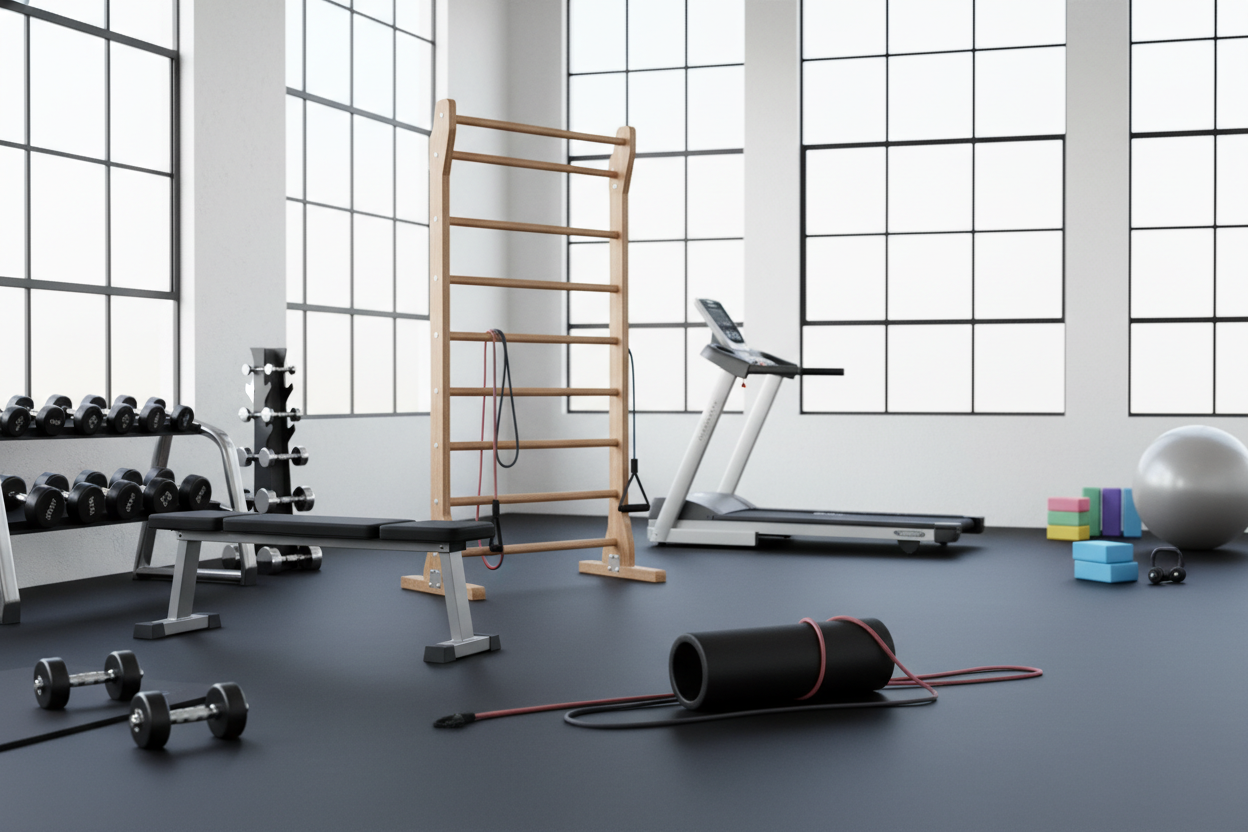
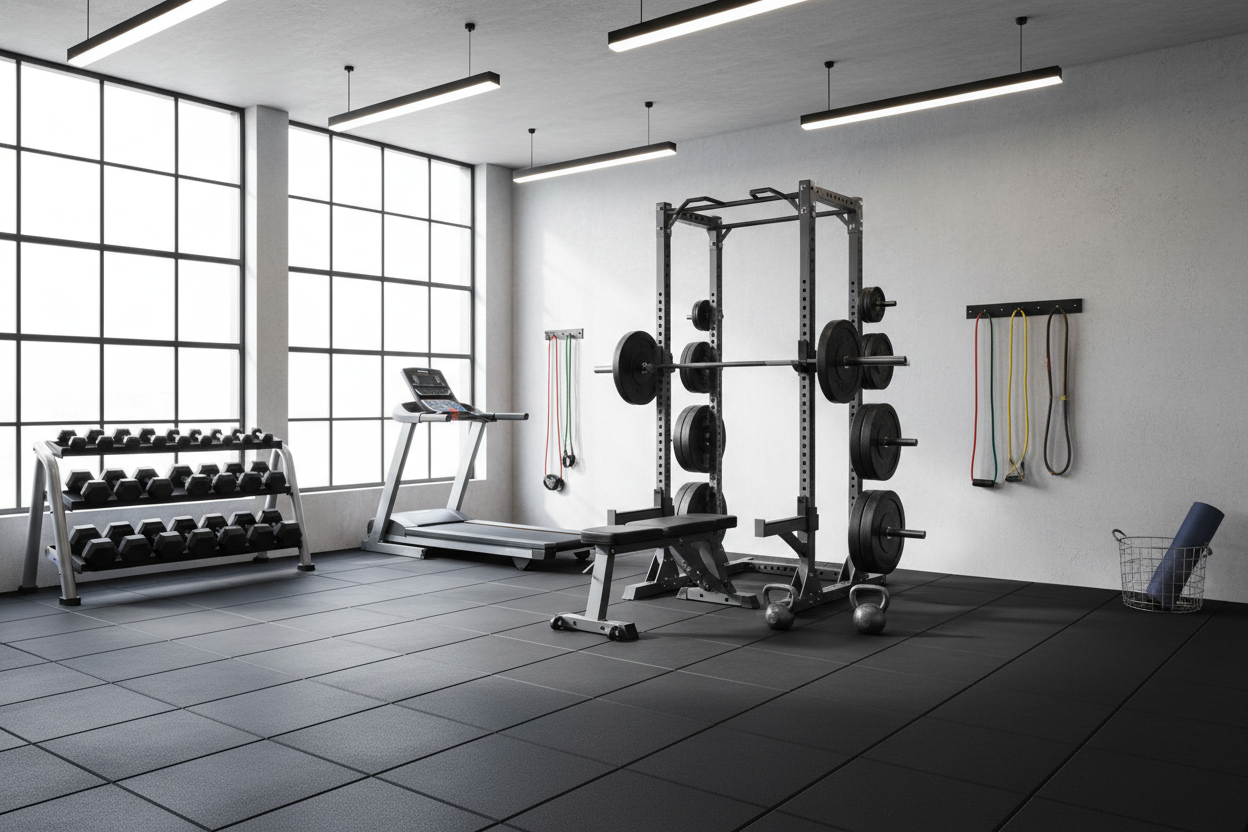
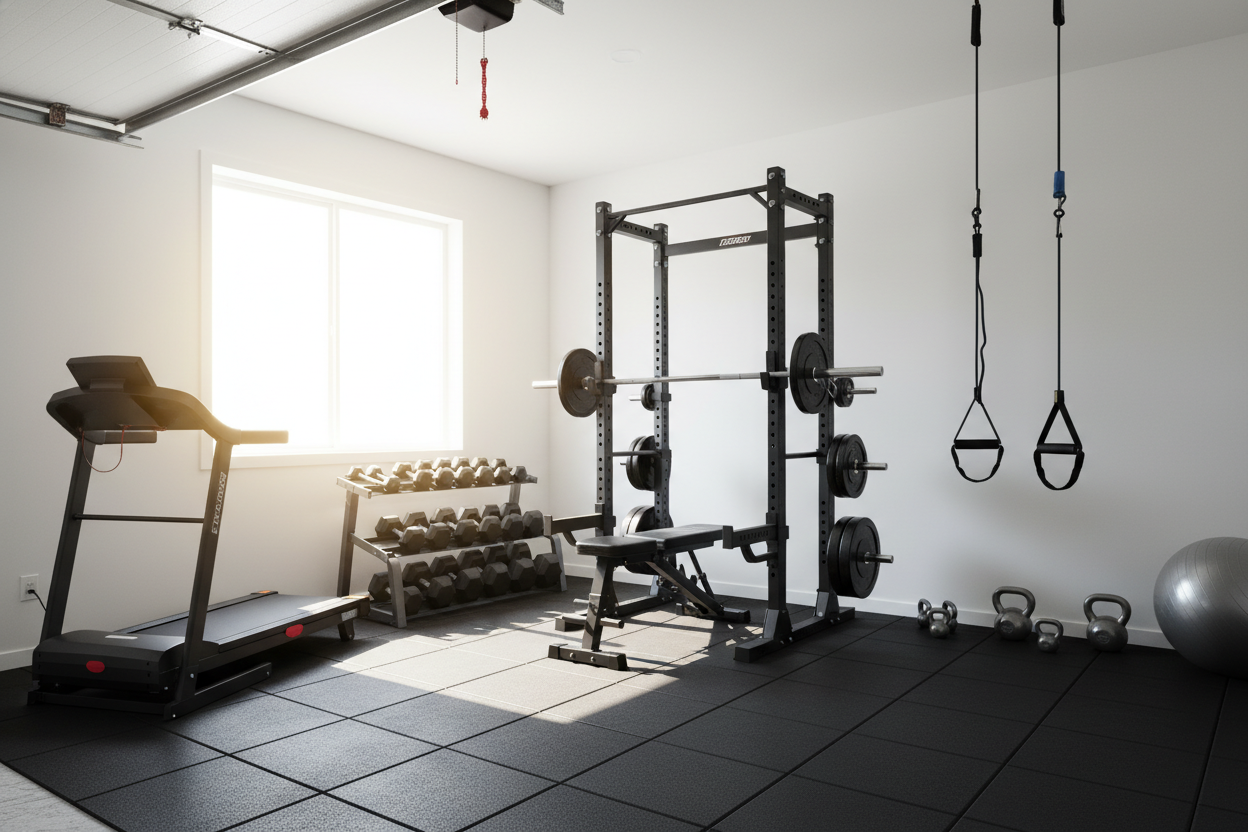
You don't need a $5,000 power rack to get results, but you do need a safe environment for over 70 exercises at home. The biggest hazard in most living rooms isn't the weight—it's the rug. Slipping is the primary fear for many seniors, and that fear often limits how hard they are willing to push themselves.
Clear out a dedicated space. You need a high-traction surface that won't bunch up or slide. I always recommend a grippy 6x8ft exercise mat to replace those dangerous area rugs. Having a stable, non-slip foundation allows you to focus on the movement rather than worrying about your footing. It’s the single most important 'piece of equipment' for a home gym.
A Three-Day Template That Actually Builds Strength
This isn't a list of 'fitness for seniors over 70' suggestions—it's a template for progress. Aim for three days a week with a day of rest in between. Focus on these movements:
- Box Squats: Sit down on a sturdy chair and stand back up without using your hands. Add a small weight to your chest as you get better.
- Standing Overhead Press: Use light dumbbells or even water bottles. This keeps the shoulders mobile and the spine upright.
- Weighted Carries: Hold weights at your sides and walk across your large exercise mat for 30-second intervals.
- Wall Push-ups: Great for chest and arm strength without the strain of a full floor push-up.
These are the exercises seniors should do every day or at least consistently enough to see progress. The goal is to gradually increase the weight or the number of reps over time. Stagnation is just another word for decline.
How to Know if You're Pushing Hard Enough
One of the biggest mistakes in exercise for people over 70 is staying in the 'comfort zone' forever. To see changes in muscle and bone, you need a stimulus. I use a simple 1-10 scale called RPE (Rate of Perceived Exertion). A '1' is sitting on the couch; a '10' is an all-out sprint for your life.
For effective strength training, you should be working at a 7 or 8. This means that by the end of a set, you feel like you could maybe do two more reps, but certainly not ten. If you finish a set of 10 squats and feel like you could have done 30, you aren't training—you're just moving. Move with intention and don't be afraid of a little heavy breathing.
Personal Experience: The 'Too Old' Myth
I remember training my own father when he hit 70. He was convinced that a 15-pound kettlebell was 'too much' for his back. Then I weighed his bag of birdseed—it was 40 pounds. He’d been deadlifting 40 pounds twice a week to fill the feeders without even thinking about it. Once we bridged that gap in his mind, his confidence skyrocketed. The biggest hurdle isn't usually physical; it's the mental shift from 'protecting' your body to 'building' it.
FAQ
What is the best exercise for women over 70?
Strength training. Specifically, movements that load the hips and spine, like squats and deadlift variations. These are the best way to combat osteoporosis and maintain the ability to get up from a chair independently.
Can I start lifting weights at 70 if I've never done it before?
Absolutely. In fact, you have the most to gain. Start with bodyweight movements to master the form, then slowly add resistance. Your body is capable of adapting to stress at any age.
How many days a week should a 70-year-old work out?
Three days of full-body strength training is the sweet spot. This allows for 48 hours of recovery between sessions, which is vital as we age and our recovery systems slow down slightly.