Stop the Fluff: The only arm and shoulder workout men actually need
I spent three years chasing a 'pump' with 15-pound dumbbells and cable crossovers that felt more like rhythmic gymnastics than strength training. My arms stayed stuck at 14 inches, and my shoulders looked like coat hangers. It was frustrating as hell. I finally stopped listening to the guys in the neon tank tops and went back to the basics: heavy iron and mechanical tension.
The truth is, the arm and shoulder workout men actually need isn't found in a 12-page magazine spread. It’s found in the grit of a heavy barbell and the willingness to move some serious weight. If you want sleeves that actually feel tight, you have to stop treating your limbs like an afterthought and start treating them like the primary movers they are.
- Prioritize heavy compound movements over isolation 'burn' sets.
- Focus on mechanical tension to trigger real hypertrophy.
- Use controlled momentum (cheating) to overload the muscles.
- Keep the volume low but the intensity high.
Why Your 15-Variation Pump Routine Isn't Working
Most guys walk into the gym and head straight for the cable machine. They do four sets of tricep pushdowns, three sets of rope curls, and maybe some light lateral raises. By the end, their arms feel tight, but they haven't actually done anything to force growth. That 'pump' is just metabolic stress—it’s temporary. It’s the fool’s gold of the fitness world.
To grow, you need mechanical tension. That means moving heavy loads through a full range of motion. Your muscles don't care about the 'burn' as much as they care about being forced to adapt to a weight they haven't handled before. If you aren't adding weight to the bar every few weeks, your arms will stay the same size forever. Period.
The Golden Rule of a Shoulders and Arms Workout for Mass
Stop thinking about arms as 'accessory work.' If you want 18-inch pipes, you have to train them with the same respect you give your squat. This means putting your heaviest, most taxing movements at the beginning of the session when your nervous system is fresh. You can't expect your triceps to grow if you only hit them after you've already fried yourself on bench press.
A proper shoulders and arms workout for mass relies on overhead pressing as the foundation. I've found that a solid workout plan for mass and width starts with a heavy press. This builds the 'shelf' of the deltoid and forces the triceps to stabilize massive loads. Once the heavy pressing is done, then—and only then—do we move into the targeted work.
The Blueprint: A Brutal 4-Move Sequence
This isn't a long workout. It’s a violent one. We are going to hit four specific movements that cover every head of the deltoid, the triceps, and the biceps. No fluff, no filler. Just heavy sets of 6 to 10 reps designed to break down tissue and force repair.
1. The Heavy Barbell Push Press
The strict press is great, but the push press is better for mass. By using a slight 'dip and drive' from the legs, you can move 10-20% more weight than you could strictly. This overloads the eccentric (lowering) portion of the lift, which is where the real muscle damage happens. Your delts and triceps have to fight to control that heavy descent.
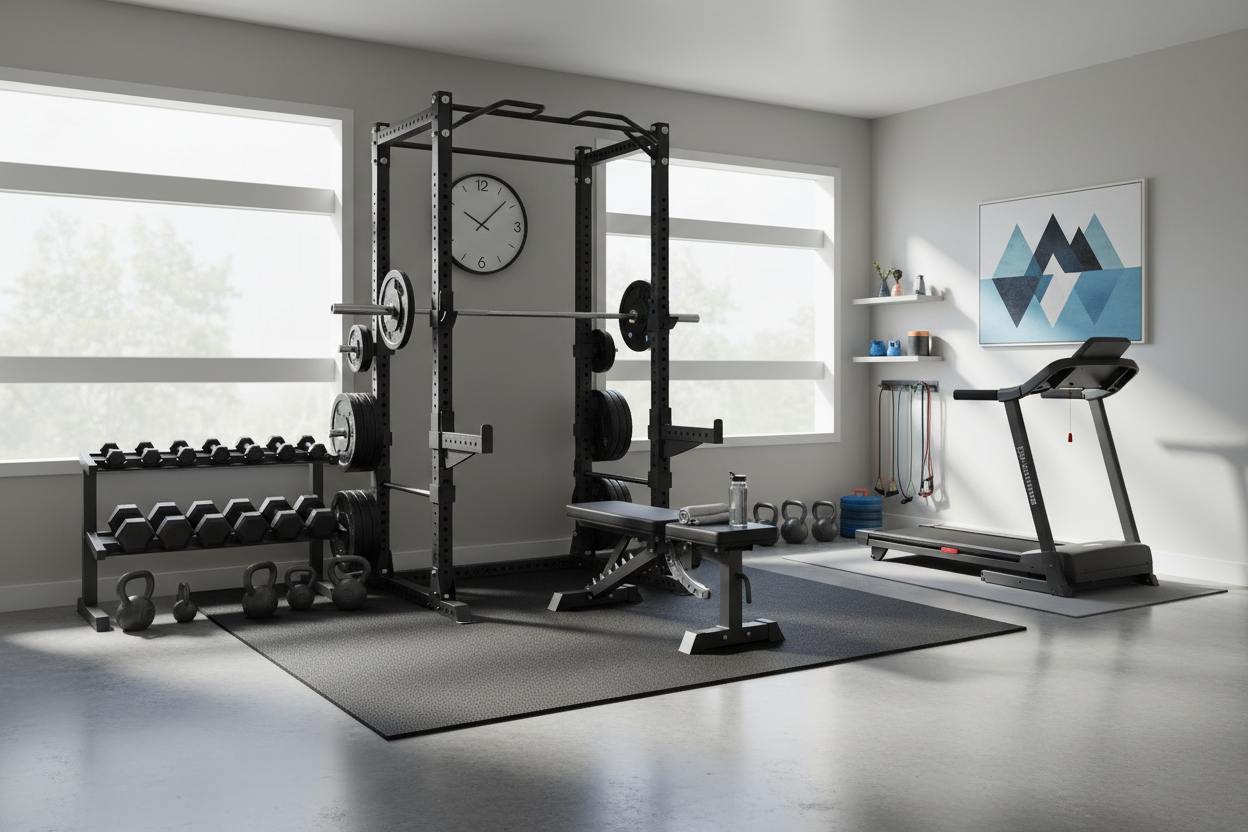
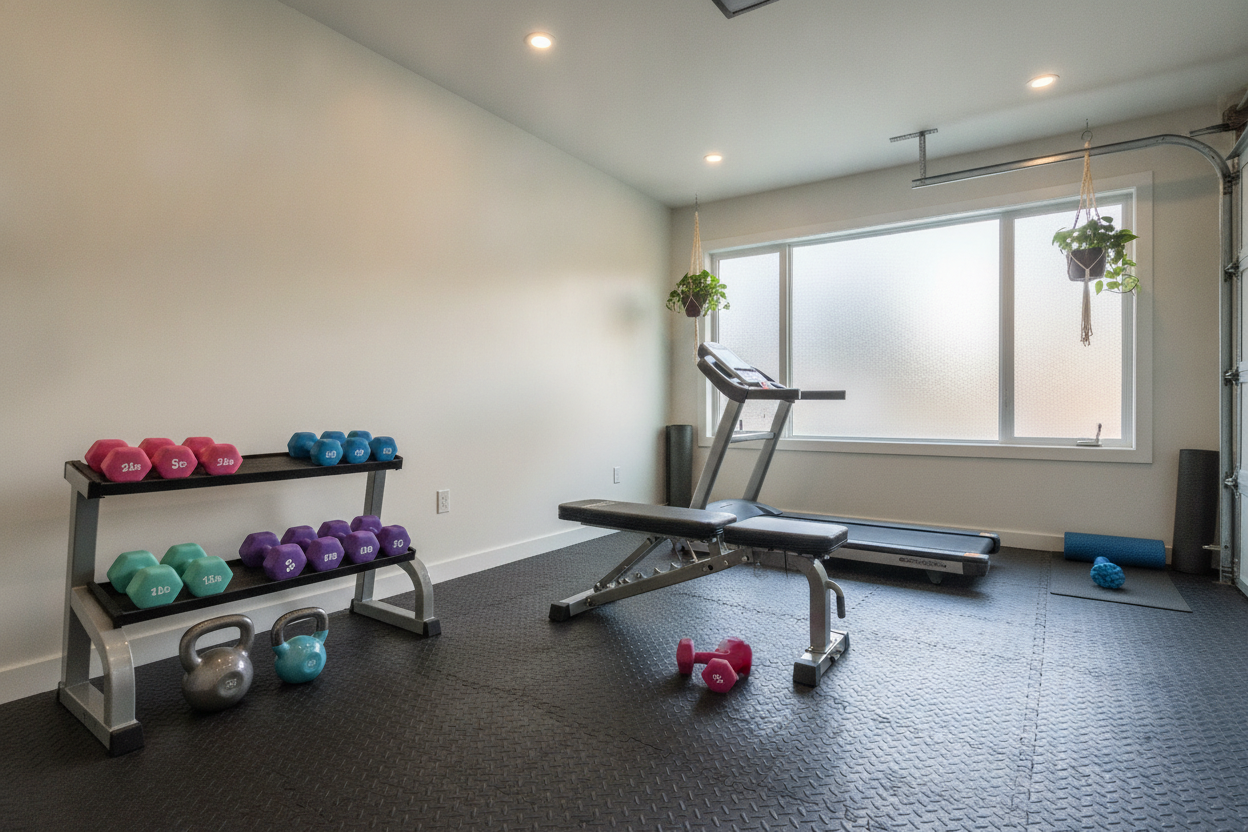
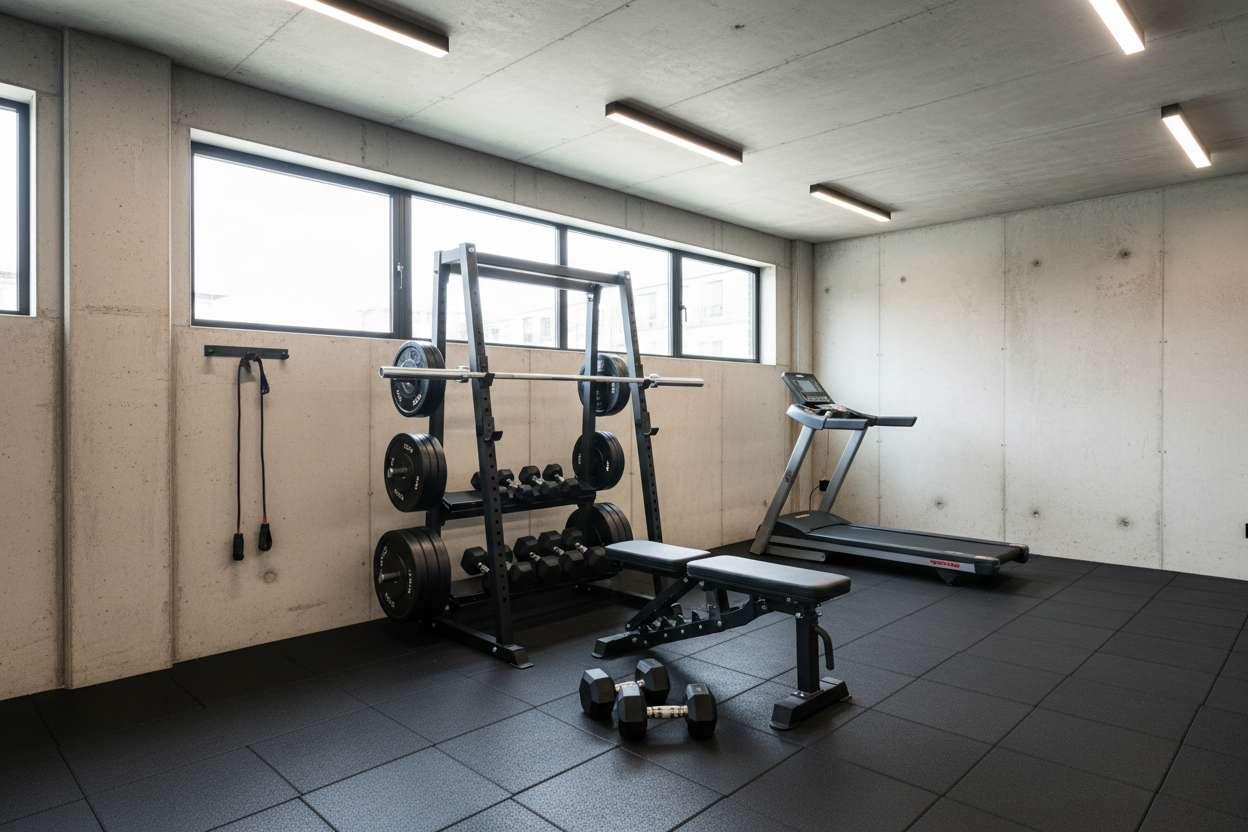
Since you're driving weight overhead, you need a stable base. I've slipped on cheap interlocking foam tiles before, and it isn't pretty. Make sure you have high-quality gym flooring for home workout that won't shift when you're explosive. Aim for 4 sets of 6 reps, focusing on a 3-second descent on every single rep.
2. Weighted Upright Dips
Forget tricep kickbacks with a 5-lb dumbbell. If you want thick triceps, you need to dip. Stay upright to keep the tension off the chest and on the lateral and long heads of the triceps. Once you can do 15 bodyweight reps with perfect form, strap a plate to your waist. I’ve seen guys with massive arms who can dip three plates for reps—that’s not a coincidence. Aim for 3 sets of 8-10 reps.
3. Heavy Barbell Cheat Curls
Arnold swore by these, and for good reason. Use a little bit of hip drive to get the bar past the sticking point (the middle of the rep), then fight like hell to lower it slowly. This allows you to use a weight that would normally be impossible for a strict curl. It’s not 'ego lifting' if it’s controlled. Use a standard 45-lb Olympic bar or an EZ-bar if your wrists are cranky. 3 sets of 8 reps.
4. The Finisher: Dumbbell Lateral Raise & Skull Crusher Superset
This is the only 'isolation' work we do. Grab a pair of dumbbells for lateral raises to hit the side delts, then immediately drop to the floor for skull crushers. Doing skull crushers on the floor is actually safer for your elbows because the floor acts as a natural stop, preventing you from over-extending the joint. 3 sets of 12-15 reps for each to finish the job.
How to Program This Into Your Garage Gym Split
Don't run this workout the day before a heavy bench or row session. Your arms and shoulders are secondary movers in those lifts, and if they're fried, your big lifts will suffer. I recommend a 'Limb Day' placed between a leg day and a rest day. This gives your upper body joints a break from the heavy compound grinding of chest and back days.
If your schedule is tight, you might consider an arm shoulder and back workout split. This consolidates your pulling and pressing into one high-intensity session. The key is consistency. Don't swap these moves out for at least 8 weeks. Track your weights, add five pounds when you hit your rep targets, and watch your sleeves start to struggle.
Stop Overthinking Your Arm Growth
The biggest mistake I ever made was thinking I needed a 'secret' exercise. I didn't. I just needed to eat more steak and press more weight. If you aren't in a caloric surplus, no amount of curling will help you. Put in the work, track your progress, and check out our Workout Hub for more templates that prioritize substance over style. Stop chasing the pump and start chasing the weight.
FAQ
Can I do this workout with just dumbbells?
You can, but you'll be limited by your heaviest pair. Barbell movements allow for much easier progressive overload. If you're using dumbbells, focus on increasing the 'time under tension' by slowing down your reps.
How often should I do this routine?
Once or twice a week is plenty. If you're hitting the weights hard enough, your nervous system will need the recovery time. Growth happens while you sleep, not while you're lifting.
What if my elbows hurt during dips?
Check your form first. If the pain persists, swap dips for close-grip bench press. It’s a similar movement pattern that is often easier on the elbow joint for guys with previous injuries.