Stop Standing: The best dumbbell exercises for shoulders use a bench
I spent years standing in front of the gym mirror, swinging 40-pound dumbbells like I was trying to fight off a swarm of bees. I thought the sweat and the momentum meant I was getting somewhere. In reality, my traps and lower back were doing 70% of the heavy lifting while my delts just went along for the ride. If you want to actually grow your caps, you need to stop standing up and start using a bench for the best dumbbell exercises for shoulders.
- Stop the Swing: Chest-supported movements eliminate the hip drive that ruins most shoulder sets.
- Isolation is King: Forcing your torso against a bench makes it physically impossible to cheat with your lower back.
- Light Weight, Heavy Feel: Strict form means you can get a pro-level pump with 15-pound dumbbells.
- Save Your Spine: Taking the standing overhead press out of the equation reduces unnecessary axial loading on your lumbar.
Why You're Probably Faking Your Shoulder Gains
Let's be honest: standing dumbbell lateral raises are the most cheated exercise in the history of iron. You start the set with good intentions, but by rep six, your knees are bending, your hips are thrusting, and you're basically doing a weird, upright clean. This momentum is the enemy of hypertrophy. Your deltoids are relatively small muscles; they don't need 50 pounds of swinging iron, they need consistent, mechanical tension.
When you stand, your body naturally finds the path of least resistance. Your brain wants to move the weight from point A to point B, and it doesn't care if your side delts do the work or if your calves help out. By the time you finish a 'heavy' standing set, your shoulders are barely warm, but your lower back feels like it's been through a car wash. We need to fix that by removing your legs from the equation entirely.
The Magic of Chest-Supported Isolation
The fix is simple: lay face-down on an incline bench. This prone position creates a 'dead stop' for your torso. Biomechanically, this shifts the entire load onto the posterior and lateral heads of the deltoid. You aren't just lifting the weight; you're fighting gravity from a disadvantaged position, which is exactly where muscle growth happens. You'll find that the 25s you usually toss around suddenly feel like 50s.
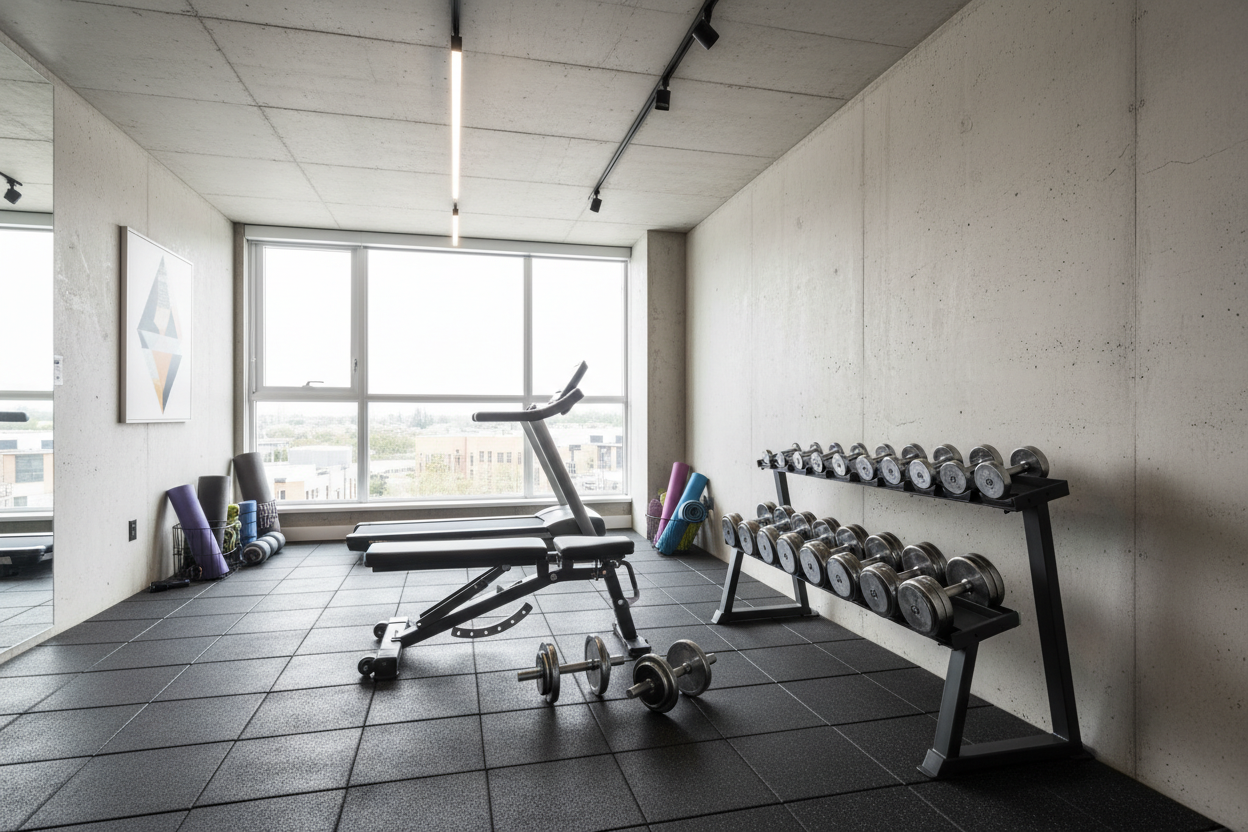
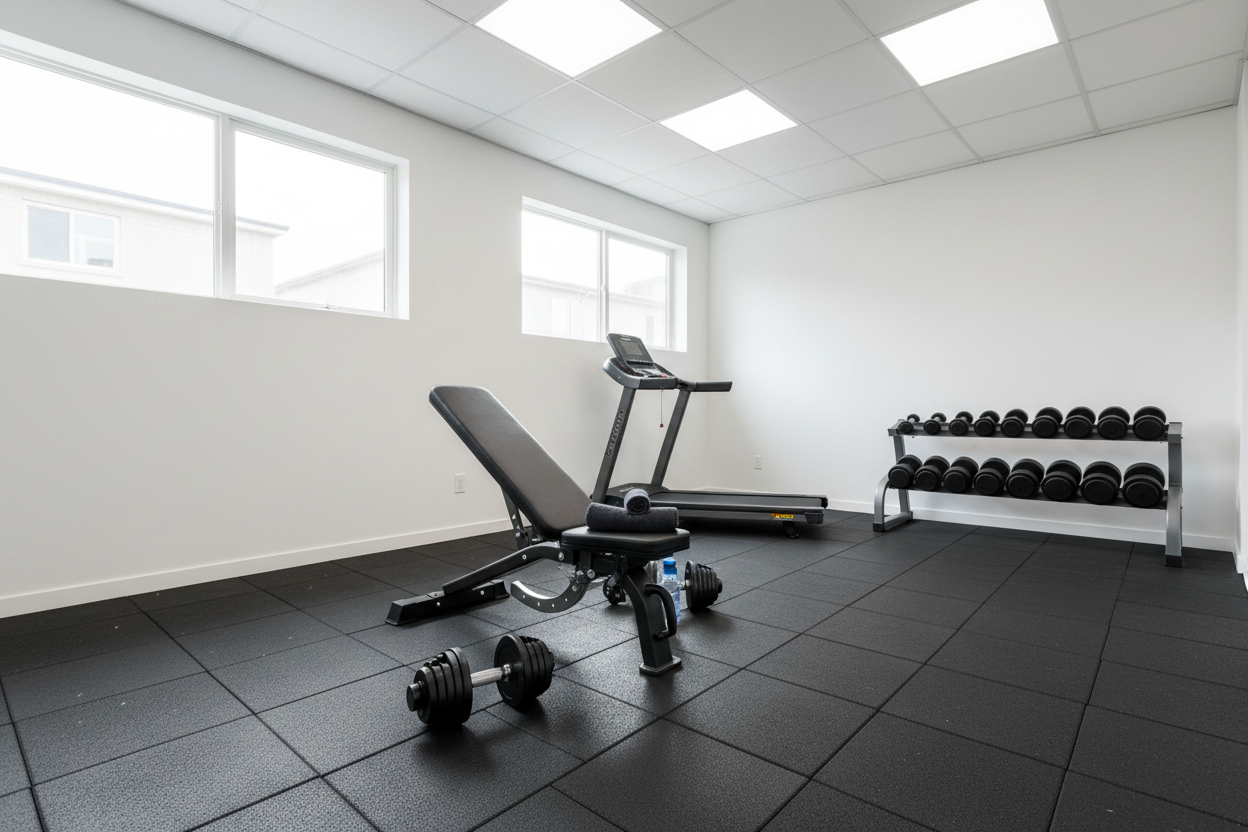
You need a solid foundation for this. I've used cheap benches that wobble the second you lean into them, and it completely kills your focus. You want something like the Gxmmat adjustable weight bench because it has a wide enough base and a high-density foam pad that won't bottom out when you're pressing your chest into it. A stable bench allows you to actually drive your toes into the floor and stabilize your ribcage, letting your shoulders do 100% of the work.
The 3 Best Dumbbell Exercises for Shoulders (Bench Required)
These three movements are the core of a strict shoulder build. Forget the ego; grab weights that look 'too light' and prepare to be humbled.
1. The Prone Incline Y-Raise
Set your bench to a 45-degree incline. Lay face down, chest high on the pad. With a light dumbbell in each hand (seriously, start with 5s or 10s), raise your arms at a 45-degree angle to your body, forming a 'Y'. Keep your thumbs up. This targets the often-neglected lower traps and the medial deltoid. The tension at the top is brutal because there is zero momentum to help you.
2. Chest-Supported Rear Delt Row
Same bench setup, but let your arms hang straight down. Instead of rowing to your hips like a back exercise, row the dumbbells out wide, keeping your elbows flared at 90 degrees. Think about pulling with the back of your shoulders. This is one of the best deltoid dumbbell exercises for hitting the rear head without your lats taking over.
3. The Spider Press
This is a modified overhead press. Lay face down on the incline bench with your head clearing the top of the pad. Perform a shoulder press, pushing the dumbbells 'up' toward the ceiling while staying prone. It feels incredibly awkward at first, but it forces your front delts to stabilize the weight in a way a standing press never will. It’s a best shoulder dumbbell exercises staple for home gyms.
Programming for Maximum Deltoid Burn
Since we've removed momentum, your rep ranges should shift. I typically aim for 12-15 reps per set. The goal isn't to move the heaviest weight possible; it's to maintain a slow, two-second eccentric phase on every single rep. When you can't use your hips to kickstart the movement, that downward phase becomes the most important part of the lift.
If you're worried about equipment, don't be. You can easily build a dumbbell routine using one weight if that's all you have. Because these movements are so mechanically demanding, even a single pair of 15s or 20s can be enough to trigger growth. Rest periods should be kept short—45 to 60 seconds—to keep the metabolic stress high.
What If You Only Have Light Dumbbells at Home?
Many home lifters feel limited because they don't have a full rack going up to 100 pounds. The beauty of chest-supported work is that it makes light weights feel heavy. If you find that your 10-pounders are still feeling too easy, increase the time under tension. Spend three seconds lowering the weight, and hold a one-second pause at the peak of the contraction.
For those stuck with a very limited set, check out this shoulder workout with dumbbells for more ways to manipulate intensity without adding plates. Strict form is the ultimate equalizer. I’d rather see someone do 10 perfect reps with a 12-pounder on a bench than 20 sloppy reps with a 40-pounder standing up. Your joints will thank you, and your shirts will eventually fit tighter in the sleeves.
Personal Experience: The Day I Swallowed My Pride
I used to be the guy doing 'power' lateral raises with 55s. My shoulders were okay, but they were always 'tight' and my neck was constantly strained. One afternoon, a coach made me lay face-down on an incline bench and handed me a pair of 15-pound dumbbells. I laughed. Then I tried to do 12 Y-raises. I failed at rep eight. My shoulders burned in a way I hadn't felt in five years of training. That was the day I realized I hadn't been training my shoulders; I'd been training my ego. Now, the bench is a non-negotiable part of my delt day.
FAQ
Can I do these on a flat bench?
Not really. A flat bench doesn't give you the necessary range of motion for your arms to hang and move freely without hitting the floor or the bench legs. You need that 30 to 45-degree incline to get the right angle of pull.
Will this replace the overhead press?
It can, but it doesn't have to. Think of the overhead press as your 'strength' builder and these chest-supported moves as your 'sculpting' tools. I usually do my heavy presses first, then finish with these to ensure the delts are fully exhausted.
How do I stop my chest from hurting on the pad?
Make sure you aren't resting your throat on the top of the bench. Your collarbone should be just above the edge of the pad. If it's still uncomfortable, fold a gym towel and place it under your sternum for extra cushioning.