Stop Smashing Your Ceiling: Why Your Home Gym Needs a Custom Fit
Building a home gym usually starts with a burst of motivation and a credit card, but it often ends with a tape measure and a headache. You visualize a commercial-grade setup in your garage or basement, only to realize that standard fitness equipment is designed for warehouses with twenty-foot ceilings, not a suburban home built in the 1980s. The core problem isn't your dedication; it's geometry. If you want a training space that actually works, you have to stop trying to force generic gear into a unique space and start looking at equipment built to your specifications.
The Low Ceiling Dilemma
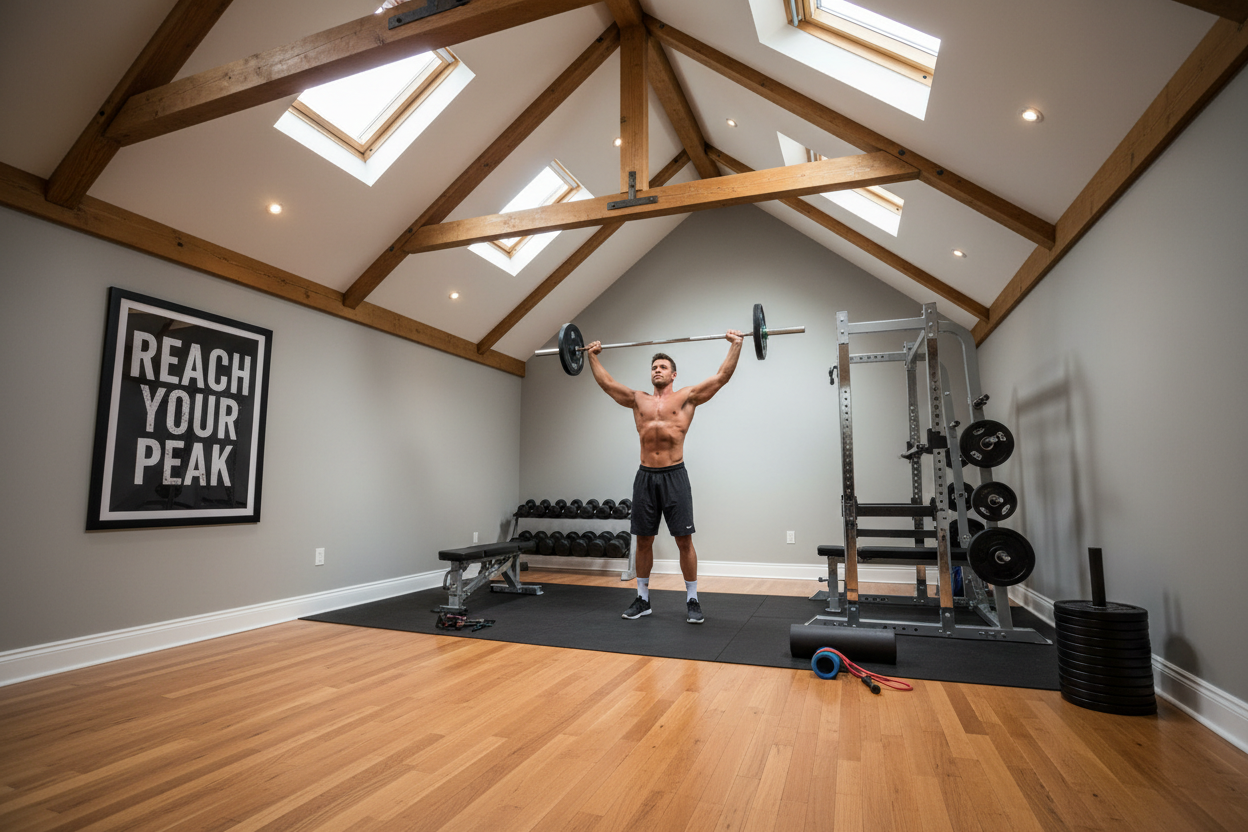
Most standard power racks stand somewhere between 90 and 100 inches tall. That height is perfect for a commercial facility, but if you are setting up in a basement, you are likely dealing with ceilings that are barely seven feet high, potentially lower if you have HVAC ducting or support beams cutting through the room. This creates a dangerous situation where you might hit the ceiling during a pull-up or, worse, be unable to assemble the equipment at all.
This is where a customizable short squat rack becomes the most critical piece of equipment you will buy. Unlike cutting down a standard rack with an angle grinder—which voids warranties and ruins structural integrity—a rack designed with shorter uprights maintains the hole spacing and attachment compatibility you need. You get the safety of a full cage without the anxiety of scraping the drywall every time you do a muscle-up. When selecting a short rack, pay close attention to the inside depth. A shorter rack often feels more cramped, so opting for a deeper interior dimension can help you avoid feeling claustrophobic during heavy squats.
A Lesson Learned the Hard Way
I learned the importance of measuring twice and buying once during my first garage gym build. I found a fantastic deal on a used commercial half-rack and hauled it home in a rented truck. I was so focused on the footprint on the floor that I completely ignored the vertical clearance. I got the uprights standing, but as soon as I tried to bolt on the pull-up bar, I hit a garage door rail. I spent the next three years doing pull-ups with my knees bent at an awkward angle, hitting my head on the steel crossmember constantly. It ruined the flow of every workout. Eventually, I sold it at a loss and ordered a custom unit cut to 82 inches. The difference was immediate. I wasn't fighting the room anymore; I was just training.
Optimizing for Footprint and Storage
Space efficiency goes beyond height. In a commercial gym, weight plates are usually scattered across several trees or stored on massive horizontal racks. In a 12x12 spare bedroom, floor space is gold. You cannot afford to have plates tripping you up or separate storage units eating into your lifting area.
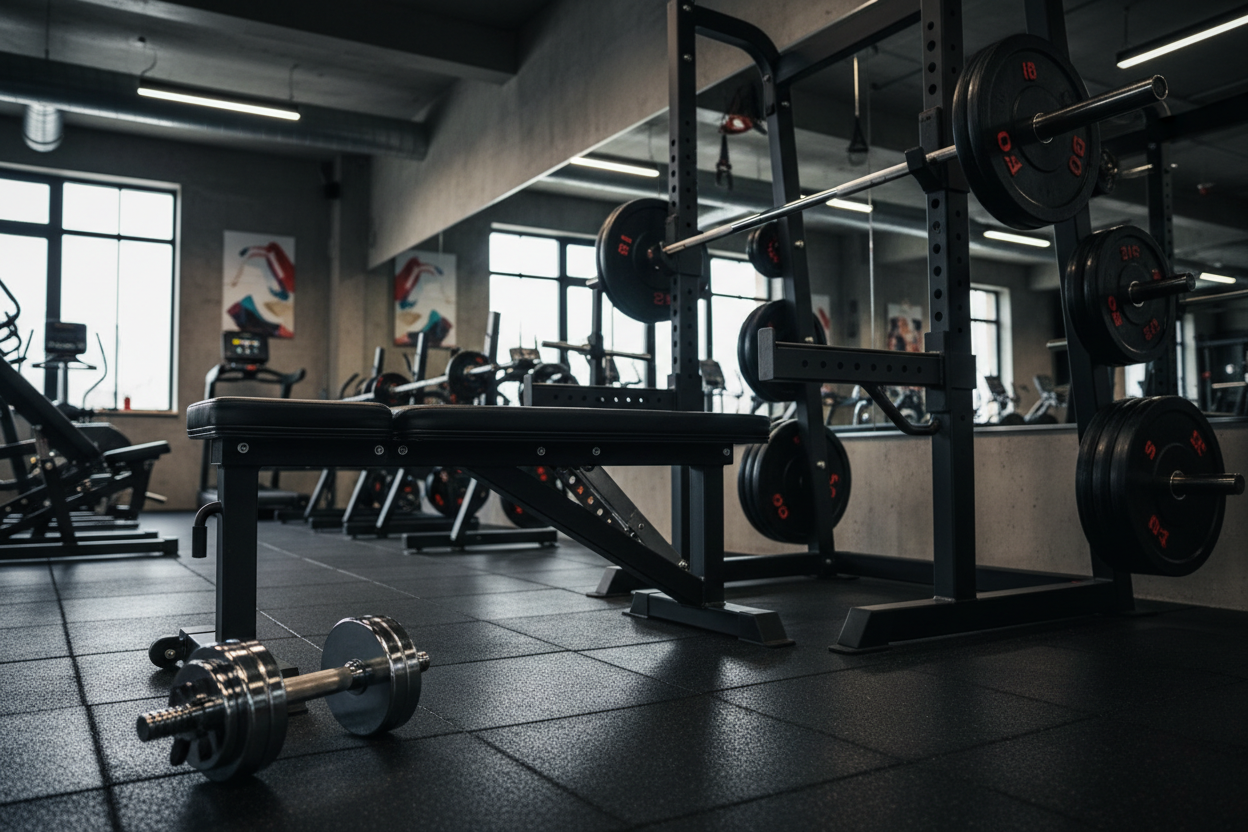
Custom weight racks allow you to integrate storage directly into the lifting station. By selecting a rack with extended depth or specific rear uprights designed for plate storage, you stabilize the unit while keeping your area tidy. This integration adds mass to the rack, meaning you often don't need to bolt it to the floor, which is a massive plus if you are renting or have post-tension slab foundations. You can choose the exact length of the storage pegs to match your bumper plates, ensuring you aren't wasting three inches of air on every side.
The Importance of Hole Spacing
When you go the custom route, you stop accepting "good enough" mechanics. Standard racks often have two-inch spacing between holes. This sounds fine until you are bench pressing alone and realize the safety spotter arms are either too high (preventing a full range of motion) or too low (offering no protection if you fail). High-end custom options typically offer "Westside spacing" through the bench zone, which involves one-inch hole spacing. This micro-adjustment capability allows you to set safety pins exactly one centimeter below your chest level, guaranteeing you can lift heavy safely without a spotter.
Aesthetics and Motivation
Functionality reigns supreme, but the environment drives behavior. A rusted, mismatched gym feels like a dungeon. A space that looks professional invites you to work harder. Customization allows for color coordination that matches your home’s aesthetic or your favorite sports team. Powder coating isn't just about looks, either; high-quality custom finishes resist chipping and rust better than the cheap paint found on big-box store equipment. When you walk into a room specifically designed for you, with uprights in your preferred color and laser-cut numbering, the psychological barrier to starting a workout drops significantly.
Modular Growth Over Time
Perhaps the biggest advantage of buying into a custom ecosystem is modularity. Cheap racks are static; what you buy is what you keep forever. Custom ecosystems are built like adult Lego sets. You might start with a simple squat stand today. Next year, you can buy a conversion kit to turn it into a half rack. The year after, you can add a cable pulley system or lever arms.
This approach protects your investment. Instead of selling your starter gear to upgrade, you simply bolt on new capabilities. You can add dip stations, landmine attachments, or monolift hooks as your training style evolves. The rack grows with your strength levels, ensuring you never outclass your own gym.
Making the Decision
Investing in bespoke equipment costs more upfront than buying a generic imported cage. However, the value proposition shifts when you consider the lifespan of the gear. A heavy-duty, 11-gauge steel rack is a lifetime purchase. It will likely outlast your car and possibly your house. By prioritizing dimensions that fit your specific room and choosing configurations that match your lifting style, you eliminate the friction that causes most home gyms to become expensive laundry drying racks. Measure your space, account for the ceiling height, and build a setup that fits your life.
Frequently Asked Questions
Is 11-gauge steel necessary for a home gym rack?
For most general lifters, 11-gauge steel is the gold standard because it offers superior stability and safety without being excessively heavy or expensive. While lighter 14-gauge steel can hold weight, it often wobbles under load, whereas 11-gauge provides a rock-solid feel comparable to commercial gyms.
Do I need to bolt my custom rack to the floor?
If you are using a standard four-post rack, bolting it down is highly recommended for safety, especially if you do kipping movements or lift outside the cage. However, if you choose a "flat foot" rack or a six-post configuration with integrated weight storage, the unit is usually stable enough to use without drilling into your concrete.
How much clearance do I need above my rack for pull-ups?
You should aim for at least 12 to 18 inches of clearance between the top of your pull-up bar and the ceiling. This ensures you don't hit your head during the movement and allows enough room for your head to travel over the bar comfortably.