Stop Skipping Leg Day: Your Blueprint for Stronger, More Functional Legs
Building powerful, resilient legs isn't just about aesthetics; it's the foundation for a healthier, more capable body. Whether you're aiming to run faster, lift heavier, or simply move through life without pain, a dedicated approach to leg training exercises is non-negotiable. The journey from sporadic effort to consistent progress hinges on understanding the 'why' and the 'how'—combining smart programming with fundamental movements that have stood the test of time.
The Pillars of Effective Leg Workouts
All great leg workouts exercises are built on a few key principles. The first is balance. Your legs are a complex network of muscles: the powerful quads on the front, the hamstrings and glutes on the back, and the often-neglected adductors and abductors on the inner and outer thighs. A comprehensive plan hits them all. The second principle is progressive overload. Your muscles adapt, so you must gradually ask more of them—by adding weight, performing more reps, or improving the quality of each movement. Finally, recovery is part of the program. Leg muscles are large and need time to repair and grow stronger, making rest days as crucial as training days.
Building Your Arsenal: Essential Leg Fitness Exercises
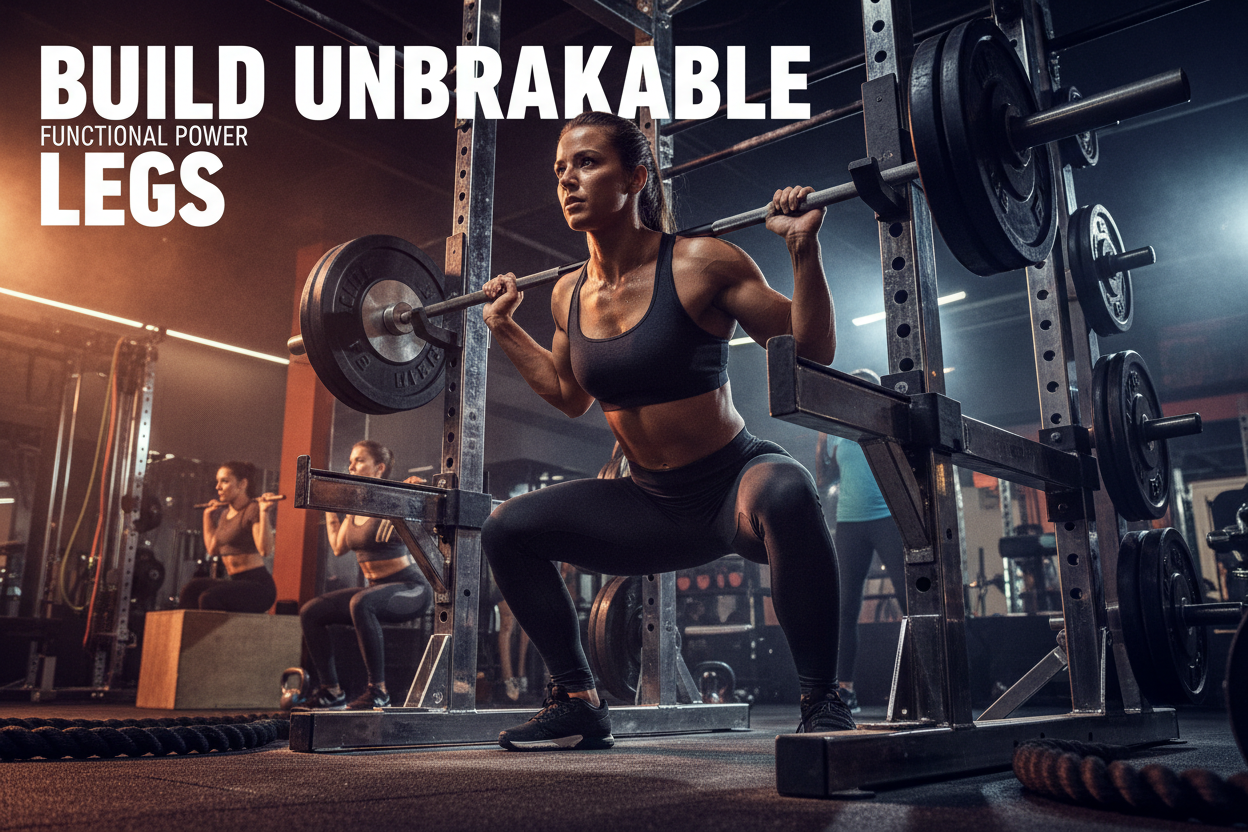
You don't need a library of exotic moves. Mastery of a handful of foundational exercises legs will yield incredible results. Squats, in all their variations, are the undisputed king. They engage your entire lower body and core. The barbell back squat is a cornerstone of weight training legs, but goblet squats and Bulgarian split squats are equally valuable, especially for building single-leg stability. Next, the hinge pattern, primarily the deadlift and its variations like the Romanian deadlift, targets the posterior chain—your hamstrings and glutes—like nothing else. For direct quad development, leg presses and lunges are indispensable. And let's not forget the often-overlooked calf raise; strong calves are vital for ankle stability and power in every step and jump.
I learned the importance of variety the hard way. For years, my leg conditioning workout revolved almost exclusively around heavy squats and leg presses. While I got stronger, I developed nagging imbalances and my running gait suffered. It wasn't until I incorporated unilateral work like step-ups and focused hip mobility drills that my knee pain vanished and my overall leg strength felt more athletic and usable, not just gym-strong.
Crafting Your Plan: How to Workout Legs for Your Goals
The structure of your workouts for your legs should reflect what you want to achieve. For general strength and muscle building, a classic approach is to train legs 1-2 times per week with 3-4 compound movements, performing 3-5 sets of 5-12 reps per exercise. A sample session might start with barbell squats, move to Romanian deadlifts, then into walking lunges, and finish with seated calf raises. If endurance or athletic performance is your aim, you might blend heavier lifts with higher-rep circuits or plyometric movements like box jumps. The key is consistency and intent. Every rep should be performed with control, focusing on the muscle you're trying to engage, rather than just moving the weight from point A to point B.
Beyond the Barbell: The Role of Conditioning and Recovery
A complete leg conditioning workout extends beyond the weight rack. Incorporating activities like cycling, hill sprints, or even brisk walking builds muscular endurance and cardiovascular health, feeding oxygen to those hard-working muscles. Equally critical is what you do after the workout. Proper nutrition fuels repair, hydration keeps everything functioning, and dedicated mobility work—like dynamic stretching before and static stretching after—maintains your range of motion. Foam rolling the quads, hamstrings, and IT bands can work out knots and improve tissue quality, making your next session more effective and less painful.
Listen to your body. Some muscle soreness is expected, especially when introducing new exercises legs. But sharp pain is a warning sign. There's no trophy for training through injury. Learning the difference between discomfort and damage is a skill that will keep you progressing for years. Building strong legs is a marathon, not a sprint, and patience combined with intelligent effort is the ultimate formula for success.
Frequently Asked Questions
How often should I train legs?
For most people, training legs 1-2 times per week is sufficient for significant growth and strength gains. This frequency allows for the necessary intensity during workouts while providing ample recovery time, which is when muscles actually repair and grow. Listen to your body—if you're still extremely sore, it's okay to delay the next session.
Can I build leg muscle without heavy weights?
Absolutely. While weight training legs is highly efficient, you can build impressive strength and muscle with bodyweight exercises like pistol squats, Nordic hamstring curls, and high-rep lunges. The principles of progressive overload still apply; you can add reps, slow down the tempo, or use resistance bands to increase difficulty.
What's the most common mistake in leg workouts?
Neglecting the posterior chain—the hamstrings and glutes—is a frequent error. Many focus too much on quad-dominant movements like leg extensions and front squats. This can create muscle imbalances that affect posture and increase injury risk. Always balance pushing movements (squats) with pulling movements (deadlifts, hip thrusts) for balanced development.