Mastering Power Rack Squats for Strength and Safety
Squats are one of the most foundational exercises in strength training, and using a power rack adds both safety and efficiency to your workout. Power rack squats allow lifters to train with proper form and intensity while reducing the risk of injury, especially when lifting heavier loads. Whether you are an intermediate or advanced athlete, understanding how to squat in a power rack can significantly elevate your training routine.
Why Use a Power Rack for Squats
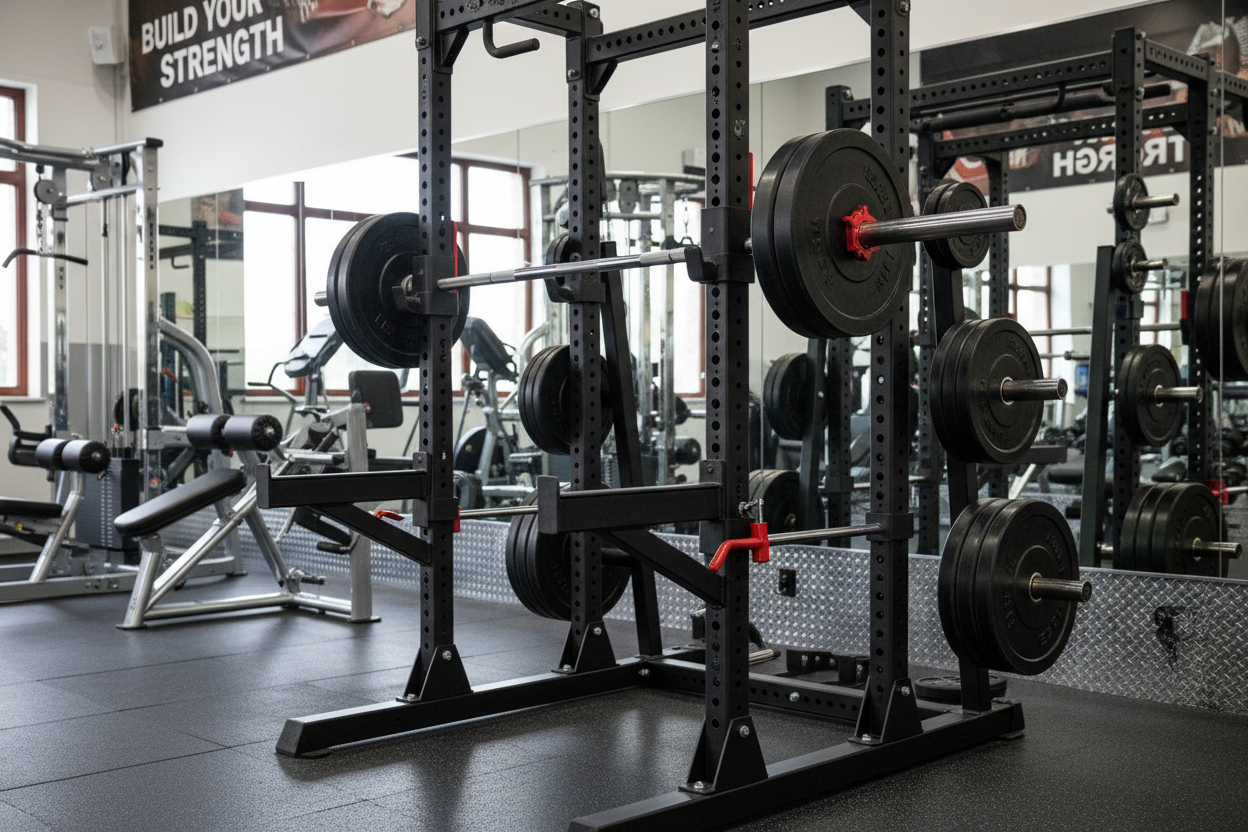
One of the primary benefits of rack squats is the built-in safety mechanism. Adjustable safety pins or bars can be set to catch the barbell if you fail a lift, providing peace of mind during heavy squats. Additionally, the upright frame of the power rack enables lifters to begin their squat in a stable position, reducing unnecessary strain from unracking awkwardly.
Squats in a power rack also help maintain consistency. With clearly marked height settings, you can replicate your stance and bar positioning every session. This consistency supports progressive overload — the gradual increase of weight to stimulate muscle growth and strength.
Setting Up for Power Rack Squats
Proper setup is crucial to maximize the benefits of a squat in a power rack. Begin by adjusting the J-hooks to just below shoulder height, allowing you to unrack the barbell without rising onto your toes. Place the safety pins at a level slightly below your lowest squat position; this ensures emergency support without restricting your movement.
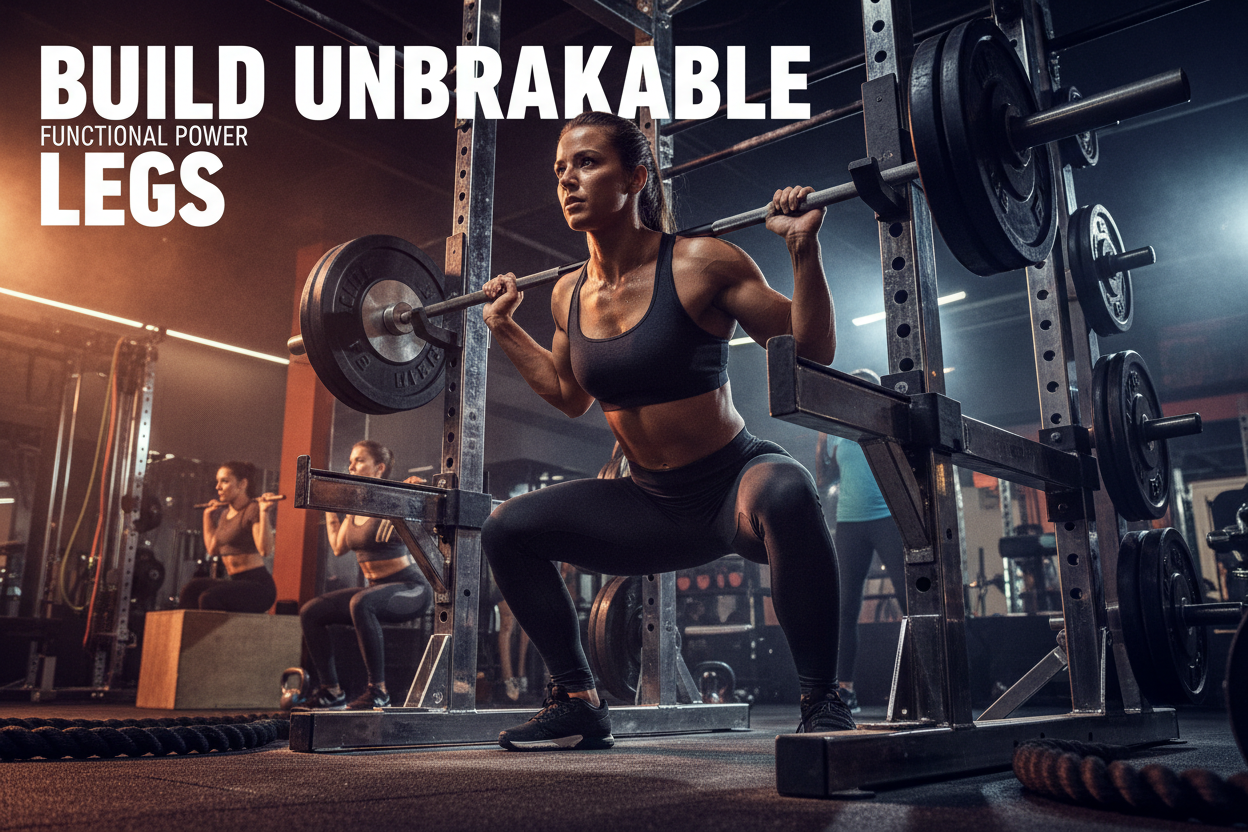
Step under the bar, resting it across your upper traps or rear deltoids, depending on whether you prefer high-bar or low-bar positioning. Take a firm grip, brace your core, and step back into your squat stance. From here, you are ready to perform controlled repetitions with the confidence that the rack is there to support you if needed.
Techniques for Rack Squats
Rack squats can refer to partial range or pin squats, where the bar starts from a motionless position at a set pin level. This method focuses on building strength at specific points in the range of motion, such as overcoming sticking points. By pausing the bar on pins, you remove the stretch reflex and force your muscles to generate maximum force from a dead stop.
Incorporating full squats in a power rack alongside rack squats can create a balanced program, blending explosive starting strength with complete movement training.
Safety and Performance Tips
Keep your knees tracking in line with your toes to prevent strain. Maintain a neutral spine throughout the lift, avoiding excessive rounding or hyperextension. Always warm up thoroughly to prepare your joints and muscles for intense loading.
If lifting heavier weights, consider using a spotter in addition to the safety pins for added security. Regularly inspect your power rack to ensure it is in good condition, with bolts tightened and surfaces free of damage.
My Experience with Power Rack Squats
When I first started integrating squats in a power rack into my routine, the difference in confidence was immediate. Knowing that the safety pins were there allowed me to push myself harder without fear of injury. Over time, my depth improved, my ability to control the descent increased, and I could work on breaking through plateaus with rack squats targeted at my weakest points.
Integrating into Your Program
Start with light to moderate loads when learning how to use the rack efficiently. Gradually build up in weight while focusing on technique. Incorporate rack squats once or twice per week, depending on your overall training split. Pair them with accessory work such as lunges, Romanian deadlifts, and core strengthening exercises to optimize your squat performance.
Conclusion
Power rack squats are a versatile and safe option for lifters committed to building strength. By learning correct setup, applying sound technique, and gradually increasing intensity, you can make the most of squats in a power rack for lasting progress. Whether your goal is competitive lifting, athletic performance, or simply building a stronger body, the power rack offers the security and structure needed to succeed.