Stop Skipping Leg Day: The Blueprint for Building Massive Lower Body Power
Walking down a flight of stairs shouldn't feel like a survival mission, but if you have done a proper leg session, that distinct wobble in your knees is a badge of honor. Building a powerful lower body is the cornerstone of a balanced physique and athletic performance. The secret isn't hidden in a complex, secret Soviet training manual. It comes down to mastering the fundamental movement patterns, applying progressive overload, and maintaining enough intensity to force adaptation. If you want to grow, you need to prioritize compound movements like squats and deadlifts while supplementing with targeted isolation work.
I remember hitting a frustrating plateau where my jeans were getting tighter, but my strength numbers were stagnant. I was hammering away at the leg press and doing endless hamstring curls, yet I wasn't seeing the density or power I wanted. It wasn't until I stripped my routine back to basics and focused on depth and tempo that things changed. I had to leave my ego at the door, drop the weight, and relearn how to tension my quads at the bottom of a squat. That shift in mindset—focusing on tension rather than just moving weight from point A to point B—was the catalyst for new growth.
The Kings of the Lower Body
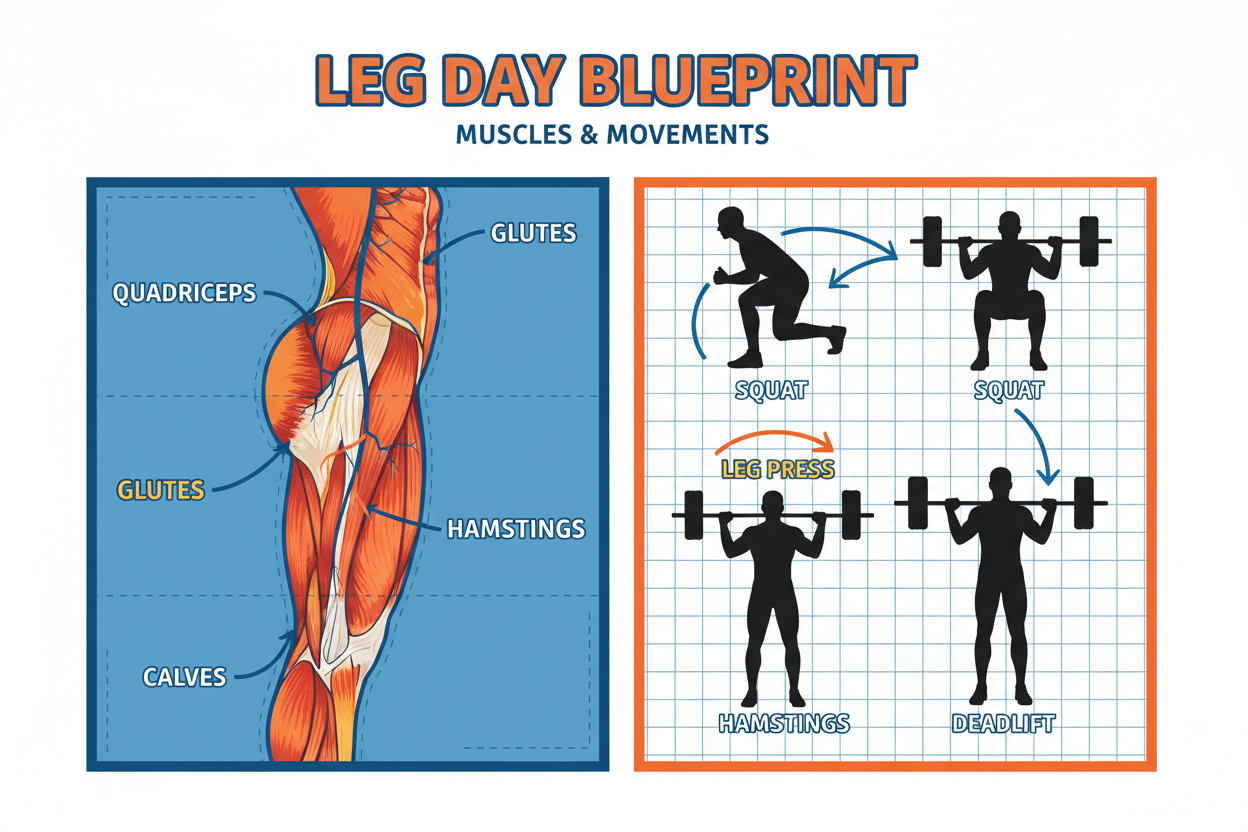
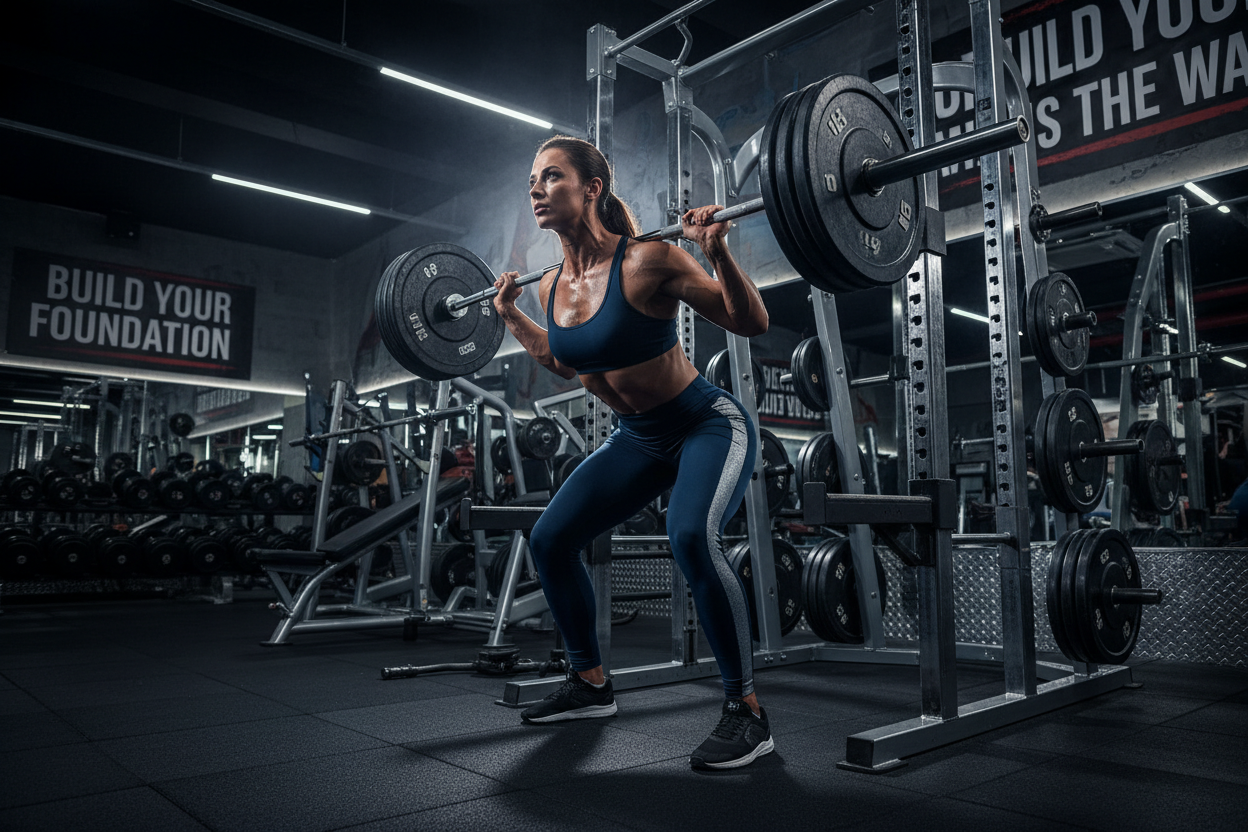
When discussing the best exercises for legs, we have to start with the squat. It is often called the king of all exercises for a reason. Whether you choose the high-bar back squat, low-bar powerlifting style, or the front squat, this movement recruits almost every muscle fiber in your lower body. The barbell squat demands core stability, upper back tightness, and massive drive from the quadriceps and glutes.
However, the squat isn't the only heavy hitter. The deadlift rivals it closely. While squats are quad-dominant, deadlifts are the ultimate developer for the posterior chain. They hammer the hamstrings, glutes, and spinal erectors. If you want a thick side profile and explosive power, heavy hinges are non-negotiable. For many lifters, the deadlift is arguably the best exercise for legs muscle density because it allows for such heavy loading.
Unilateral Training: The Missing Link
Bilateral movements (using both legs at once) are great for moving maximum weight, but they can hide imbalances. If your right quad is stronger than your left, your body will naturally shift the load to the dominant side during a heavy squat. This is where different exercises for legs that focus on one side at a time become essential.
The Bulgarian Split Squat is notoriously painful but incredibly effective. By elevating your rear foot, you place almost the entire load on the front leg. This forces the stabilizers to work overtime and ensures that each leg is pulling its own weight. Walking lunges are another fantastic option. They add a dynamic component that torches the glutes and improves coordination. Including these movements in your workouts to get stronger legs ensures that you are building functional strength that translates to running, jumping, and stability, not just gym strength.
Isolation and Machines
While free weights should form the core of your program, machines have a distinct advantage: stability. When you don't have to worry about balancing a heavy bar, you can take a muscle to absolute mechanical failure safely. This is where exercises for legs muscles like the leg extension and seated hamstring curl shine.
Leg extensions are practically the only way to fully isolate the rectus femoris (the quad muscle that runs down the middle of the thigh). Use them at the end of your workout to finish off the quads. Similarly, seated or lying leg curls are vital for complete hamstring development. The hamstrings have two main functions: bending the knee and extending the hip. Deadlifts handle the hip extension, but you need curls to address knee flexion.
Sample Structure for Leg Day
Designing workouts for leg muscles doesn't need to be complicated. A solid session should start with a heavy compound lift while your energy systems are fresh. Follow this with a secondary compound movement, perhaps a unilateral exercise, and finish with isolation work to drive blood into the muscle.
- Barbell Squats: 3-4 sets of 5-8 reps (Focus on strength)
- Romanian Deadlifts: 3 sets of 8-10 reps (Focus on the stretch)
- Bulgarian Split Squats: 3 sets of 10-12 reps per leg (Focus on balance and pain tolerance)
- Leg Press: 3 sets of 12-15 reps (Focus on constant tension)
- Leg Extensions superset with Leg Curls: 3 sets of 15-20 reps (Burnout)
The Mind-Muscle Connection
A common mistake is using too much momentum. You see this on the leg press all the time—people loading up every plate in the gym and then moving the sled two inches. That is ego lifting, and it won't grow your legs. To see real changes, you must train with legs as the primary mover, not your lower back or momentum. Control the eccentric (lowering) phase. Pause at the bottom. Explode up.
If you have trouble feeling your glutes or hamstrings firing, try warming up with activation drills. Banded monster walks or bodyweight glute bridges done before you touch a barbell can wake up those dormant muscles. This neurological connection allows you to recruit more motor units during your heavy sets, making your workouts for leg muscles significantly more efficient.
Frequency and Recovery
Leg training is taxing on the central nervous system. If you are truly pushing hard, you might find that training legs once a week is enough. However, many natural lifters respond better to higher frequency. Hitting legs twice a week—perhaps splitting it into a quad-focused day and a hamstring/glute-focused day—allows for higher quality volume. You can't perform at your peak on squats if your lower back is fried from deadlifts done ten minutes prior.
Splitting the volume allows you to attack different exercises for legs with fresh intensity. Just ensure you are eating enough protein and getting sufficient sleep. Leg tissue is large and requires substantial resources to repair. Without recovery, all that hard work in the squat rack is just breaking you down without building you back up.
Common Questions About Leg Training
How often should I train my legs for maximum growth?
For most intermediate lifters, training legs twice a week offers the best balance between volume and recovery. A frequency of every 3 to 4 days allows you to stimulate muscle protein synthesis more often than a once-a-week "bro split," provided you manage your intensity properly.
What should I do if squats hurt my knees?
Knee pain during squats often stems from poor mobility or improper form, such as knees caving inward (valgus). Try switching to box squats or goblet squats to master the mechanics, and ensure you are warming up your hips and ankles thoroughly before loading the bar.
Can I build big legs with just bodyweight exercises?
You can build a solid foundation and endurance with bodyweight movements, but eventually, you will need external resistance to continue driving muscle growth. To keep progressing without weights, you must rely on advanced variations like pistol squats or extremely high volume, but weights are generally more efficient for mass.