Stop Skipping Leg Day: The Best Muscle Groups to Pair With Your Lower Body
Leg day has a notorious reputation in the gym. It is the session that leaves you waddling out the door, dreading staircases, and questioning your life choices. Because training the lower body requires such immense energy and central nervous system (CNS) output, the most common advice is to train legs completely on their own. However, real life often gets in the way. Whether you only have three days a week to train or simply prefer a higher frequency split, dedicating an entire session solely to squats and lunges isn't always practical.
If you are trying to maximize efficiency without passing out, the short answer to what pairs best with legs is Shoulders or Abs. These muscle groups generally do not interfere with the mechanical function of your squats or deadlifts, allowing you to maintain intensity on the heavy lifts while still getting volume in elsewhere. Trying to pair a large upper body muscle, like back or chest, with legs often leads to a subpar performance in whichever muscle group you train second.
The Logic Behind Muscle Group Pairing
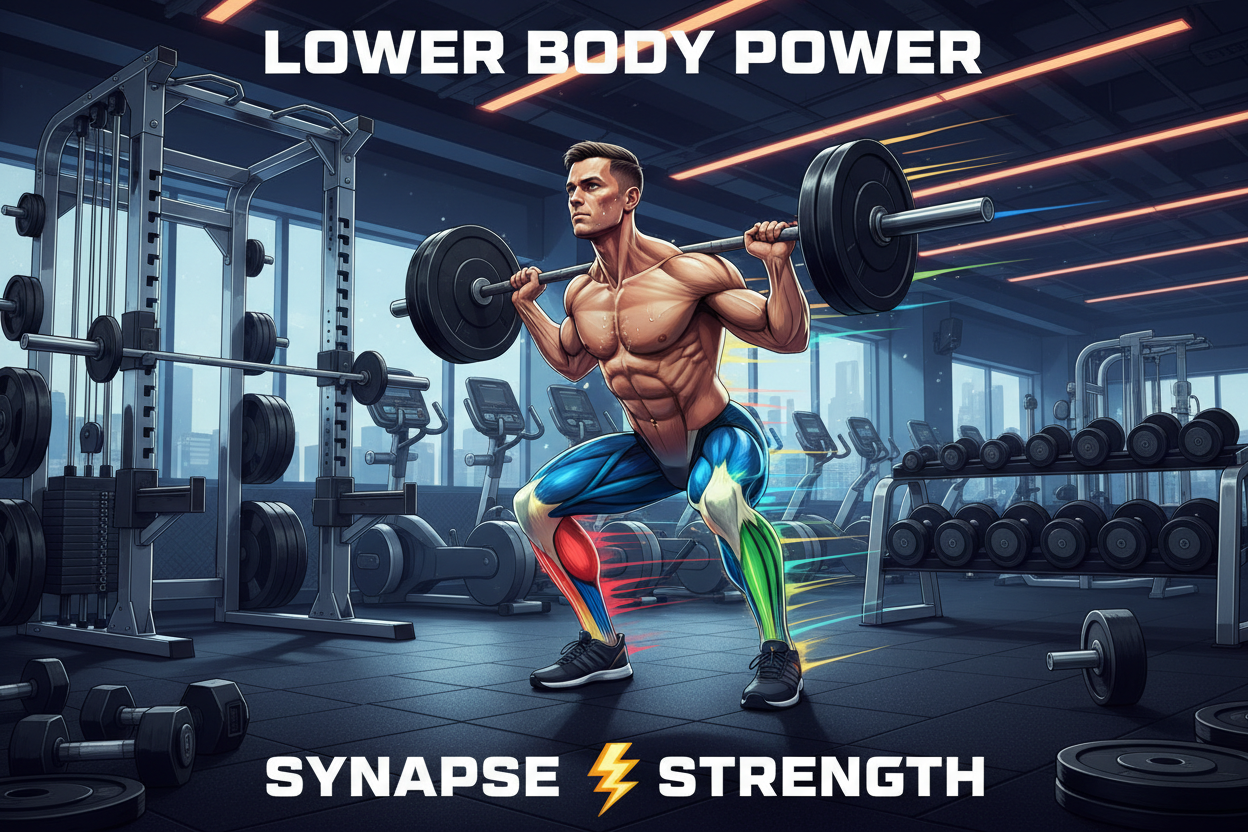
Understanding what to workout with legs requires looking at how much fuel your body has in the tank. Compound leg movements like the barbell back squat, deadlift, and leg press recruit more muscle fibers than any other exercises. They tax your cardiovascular system and drain your glycogen stores rapidly. If you attempt to bench press heavy immediately after a grueling set of squats, you will likely find your stability compromised and your energy zapped.
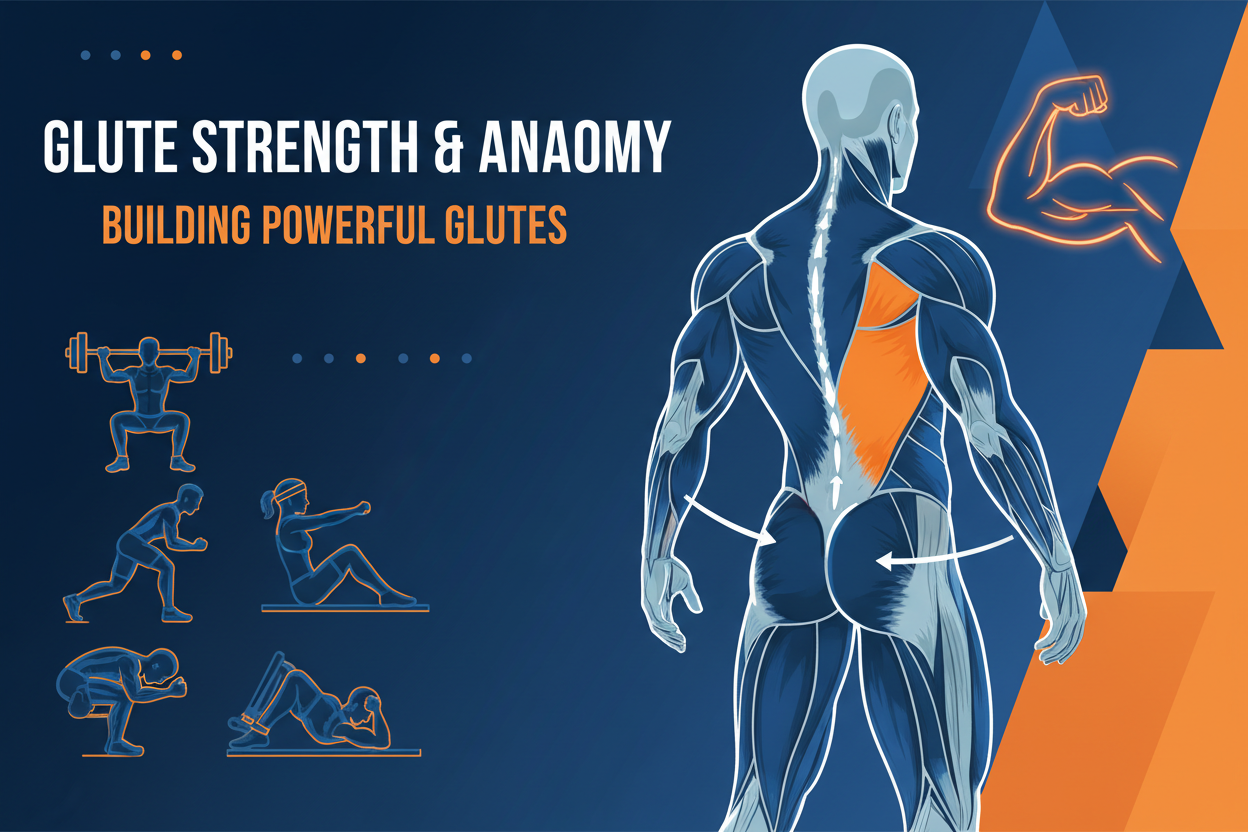
The goal of a smart split is to pair non-competing muscle groups. You want body parts that don't rely on the same stabilizers. For example, your lower back is heavily involved in both leg movements (squats) and back movements (bent-over rows). Pairing these two together is a recipe for injury or, at the very least, extreme lower back fatigue. This is why smaller muscle groups that isolate specific areas are the superior choice.
Option 1: The Leg and Shoulder Split
When clients ask what should i workout with legs to save time, shoulders are almost always the first recommendation. This combination works well for a few specific reasons. First, the shoulder press is a vertical push movement, while most leg movements are vertical pushes for the lower body. They don't mechanically overlap. Your legs don't need your deltoids to drive weight up, and your shoulders don't need your quads to press a dumbbell overhead (unless you are doing push presses).
This pairing also allows for decent blood flow distribution. While some old-school bodybuilders argue that blood gets "confused" traveling between the upper and lower body, many athletes find that alternating between a lower body compound movement and a shoulder isolation movement (like lateral raises) helps manage fatigue. You can let your legs recover while hitting your side delts, keeping your heart rate up without destroying your CNS.
Option 2: Legs and Core Training
If shoulders feel too taxing, abs are the next logical answer. Your core is already working overtime during heavy compound lifts to keep your spine neutral. Once the heavy lifting is done, finishing the session with direct abdominal work is highly effective. Since your core is already warmed up and activated, you don't need extensive prep work to get a good contraction.
However, a word of caution: do your direct ab work after your heavy leg lifts. If you fatigue your rectus abdominis or obliques before you get under a squat bar, you lose the stability required to lift safely. Heavy squats first, hanging leg raises last.
A Lesson Learned the Hard Way
I learned the importance of proper sequencing years ago when I tried to run a "Posterior Chain" day. The logic seemed sound on paper: train everything on the back of the body together. I paired heavy Romanian Deadlifts (hamstrings) with Barbell Rows (back). I thought I was being efficient.
By the time I finished my deadlifts, my lower back was pumped and tight. When I moved to the barbell rows, I physically couldn't hold the bent-over position. My lats were fresh, but the stabilizers—my erectors—were shot. I ended up doing half-reps with poor form and tweaked my back slightly. That session taught me that just because muscles are on the same side of the body doesn't mean they belong in the same workout. Now, I strictly pair legs with muscle groups that don't require heavy spinal loading, usually sticking to isolation work for the upper body if I must combine them.
Planning the Rest of Your Week
Once you survive the leg session, the next puzzle piece is recovery. Knowing what body part to workout after leg day is just as critical as the leg day itself. Your CNS takes a massive hit from lower body training, and systemic inflammation is usually higher the day after.
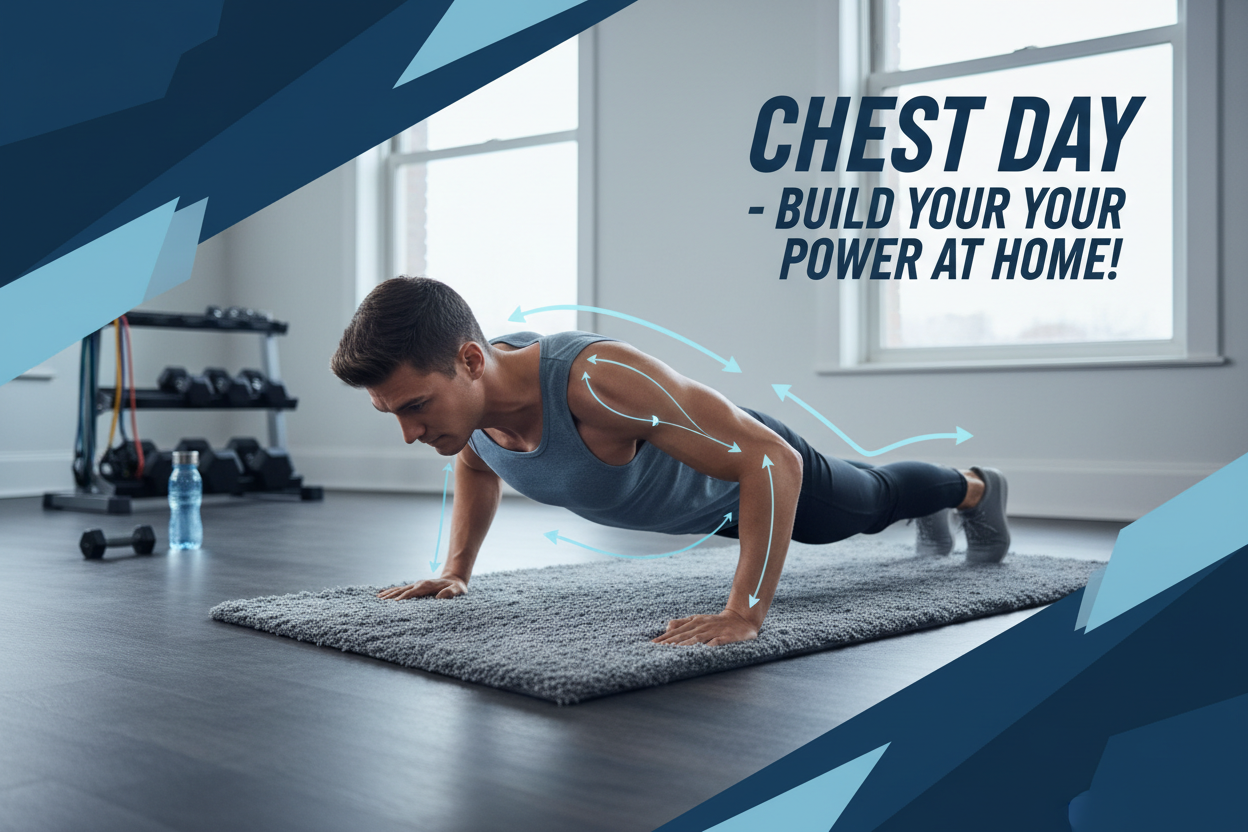
The best option for the day following legs is usually a "Push" day focusing on Chest and Triceps. Here is why:
- Resting the Spine: Chest exercises like the bench press are performed lying down or seated, giving your spinal erectors a break after they worked hard stabilizing your squats.
- Distance from Legs: The chest and triceps have zero overlap with quads, hamstrings, or calves. You can train them with maximum intensity even if you can barely walk.
- Avoiding Grip Fatigue: If you did heavy deadlifts or RDLs on leg day, your grip strength might be compromised. Pull days (Back/Biceps) often require heavy gripping, whereas Push days rely on pressing power.
Avoid doing a heavy Back day immediately after legs, especially if your leg day involved deadlifts. Your lower back needs at least 48 hours to recover before being subjected to heavy rows or rack pulls.
Sample Routine Structures
If you want to implement these pairings, here are two common ways to structure the week effectively.
The "Modified Bro-Split" (4 Days)
- Monday: Chest and Triceps
- Tuesday: Back and Biceps
- Wednesday: Rest
- Thursday: Legs and Shoulders (Heavy squats followed by overhead press and lateral raises)
- Friday: Rest or Active Recovery
The Upper/Lower Split (4 Days)
- Monday: Upper Body (Focus on compound lifts)
- Tuesday: Lower Body (Legs and Abs)
- Wednesday: Rest
- Thursday: Upper Body (Focus on hypertrophy/isolation)
- Friday: Lower Body (Legs and Calves)
Ultimately, the best split is one you can adhere to. If combining legs with another body part helps you get to the gym more consistently, do it. Just be mindful of your energy levels and prioritize the heavy, dangerous lifts while you are fresh.
Frequently Asked Questions
Can I train arms on leg day?
Yes, training biceps and triceps with legs is a popular method because arms are small muscle groups that don't tax the cardiovascular system. It allows you to get a "pump" without negatively impacting your performance on squats or lunges.
Is it okay to do cardio immediately after legs?
Light intensity steady-state cardio (like walking or cycling) is fine and can actually help flush out lactic acid to aid recovery. However, high-intensity interval training (HIIT) or sprinting immediately after a heavy leg session is generally not recommended as it increases injury risk and hampers muscle growth signaling.
Why do I feel nauseous when training legs?
Leg training demands a massive amount of blood flow to the lower body, diverting it away from the stomach and digestive system. If you eat a large meal too close to your workout or build up too much lactic acid quickly, this shift in blood flow can cause nausea.