Stop Skipping Leg Day: A No-Nonsense Guide to Building Stronger Legs and Glutes
There is a specific kind of dread that sets in when you look at a flight of stairs the day after a heavy leg session. Your muscles feel tight, walking requires conscious effort, and sitting down involves a slow, controlled descent. Yet, for anyone serious about fitness, that soreness is a badge of honor. It signifies that you have put in the work to strengthen the largest muscle groups in your body. Building a powerful lower body isn't just about aesthetics or fitting into a specific pair of jeans; it is the foundation of athletic performance, posture, and injury prevention.
Many people spin their wheels in the gym, doing endless bodyweight squats without seeing changes in definition or strength. The reality is that the lower body adapts quickly to stress. To see real progress, you need to challenge the muscles with sufficient resistance and proper biomechanics. Whether you are training at home with dumbbells or in a fully equipped gym, the principles remain the same: progressive overload and strict form are non-negotiable.
My Wake-Up Call Regarding Lower Body Training
I spent the early part of my fitness journey focusing almost exclusively on cardio and what I called "vanity muscles"—chest and arms. I treated legs as an afterthought, throwing in a few leg extensions at the end of a workout if I had time. It wasn't until I developed nagging knee pain during runs that I sought professional advice. The diagnosis was humbling: my quads were relatively strong, but my posterior chain was practically nonexistent. My glutes weren't firing correctly, forcing my knees to take the brunt of every impact.
Correcting this imbalance required a complete overhaul of my routine. I had to leave my ego at the door, drop the weight, and learn how to actually engage my hips. That experience taught me that a balanced approach to thighs and glutes is not optional. It is the only way to build a functional body that lasts. Once I started prioritizing compound movements like deadlifts and lunges, not only did the knee pain vanish, but my overall strength on other lifts skyrocketed.
The Anatomy of a Powerful Lower Body
Understanding what you are training helps you visualize the movement. The thighs are primarily made up of the quadriceps (front) and hamstrings (back). The quads extend the knee, while the hamstrings flex the knee and help extend the hip. Then you have the glutes—the gluteus maximus, medius, and minimus. These are the powerhouses responsible for hip extension, rotation, and stabilization.
An effective thigh and glute workout needs to hit all these functions. If you only squat, you might become quad-dominant. If you only do curls, you miss the compound benefits. The magic happens when you combine knee-dominant exercises with hip-dominant exercises. This symmetry ensures you aren't just building size, but also stability and functional power.
Essential Compound Movements
Isolation exercises have their place, but compound lifts give you the most return on investment. These movements recruit multiple muscle groups and allow you to move the most weight.
The Squat (and its variations)
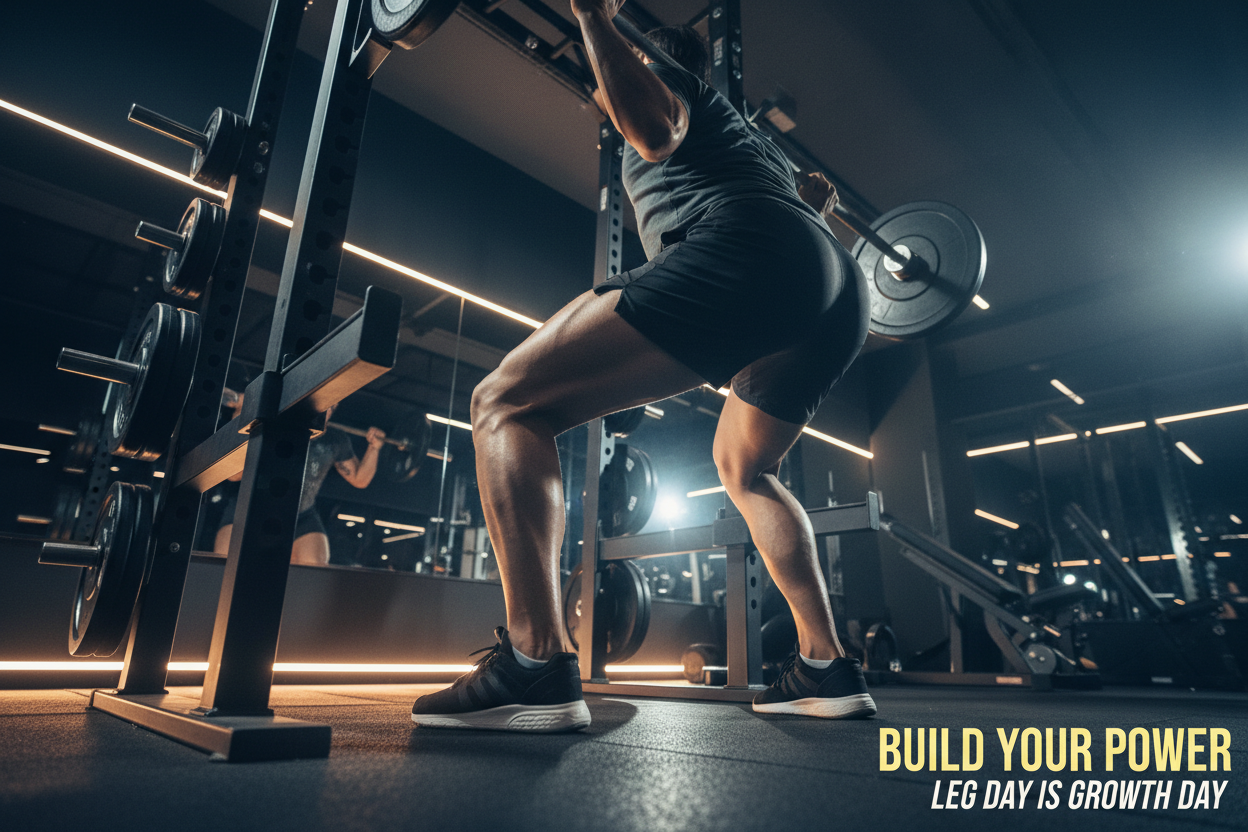
Squats are often called the king of exercises for a reason. They hit the quads heavily but also require significant glute and core engagement to stabilize the weight. If a back squat feels uncomfortable on your lower back, try a goblet squat holding a dumbbell at chest height. This variation forces you to keep an upright torso and often allows for greater depth, which recruits more glute fibers.
The Romanian Deadlift (RDL)
When looking for workouts for thighs and glutes, the RDL is indispensable. Unlike a conventional deadlift where you bend your knees significantly, the RDL focuses on the hip hinge. You keep a slight bend in the knee and push your hips backward as far as possible. You should feel a deep stretch in the hamstrings. The drive back up comes entirely from thrusting the hips forward and squeezing the glutes. This is the antidote to the tight hip flexors many of us develop from sitting at desks all day.
The Bulgarian Split Squat
This is the exercise everyone loves to hate. By elevating one foot behind you on a bench and squatting with the other, you isolate one leg at a time. This unilateral training is crucial for fixing strength imbalances between your left and right sides. It places an immense demand on the glutes for stability and torches the quads. If you want a challenging workout for thighs and glutes that doesn't require heavy barbells, this is it.
Targeting the Glutes Directly
While squats and lunges involve the glutes, sometimes they need direct attention to grow. The hip thrust is the gold standard here. By placing your upper back on a bench and a barbell across your hips, you can lift heavy loads directly against gravity using hip extension. The quads are largely taken out of the equation, placing the tension squarely on the posterior chain.
Don't ignore the smaller glute muscles either. Lateral movements, such as banded monster walks or side-lying leg raises, target the glute medius. Strengthening this smaller muscle helps prevent your knees from caving inward during heavy squats, keeping your joints safe.
Structuring Your Routine
You don't need to live in the gym to see results. A solid session might look like this:
- Warm-up: 5-10 minutes of dynamic stretching (leg swings, bodyweight lunges) to open up the hips.
- Main Compound Lift: Barbell Squats or Goblet Squats (3 sets of 8-10 reps).
- Posterior Chain Focus: Romanian Deadlifts (3 sets of 10-12 reps).
- Unilateral Movement: Bulgarian Split Squats or Reverse Lunges (3 sets of 10-12 reps per leg).
- Glute Isolation: Barbell Hip Thrusts or Glute Bridges (3 sets of 12-15 reps).
Rest is just as important as the lifting. Your muscles grow while you sleep and recover, not while you are lifting. Ensure you are eating enough protein to support muscle repair. If you are consistently sore to the point where it affects your movement for days, you might be overtraining or under-recovering. Listen to your body.
Common Mistakes to Avoid
The most frequent error in lower body training is sacrificing range of motion for weight. Half-reps on the leg press might stroke your ego, but they won't build impressive legs. Deep, controlled movements stretch the muscle fibers under load, which is a primary driver of hypertrophy. Lower the weight, control the eccentric (lowering) phase, and explode up.
Another pitfall is neglecting the mind-muscle connection. It sounds abstract, but actively thinking about squeezing your glutes at the top of a deadlift changes the effectiveness of the rep. If you just go through the motions, your lower back often takes over. Intent matters.
Consistency over intensity is the final piece of the puzzle. One brutal workout a month won't change your physique. Two or three focused, moderate-intensity sessions a week, done consistently for a year, will transform your thighs and glutes completely. Show up, put in the work, and the results will follow.
Frequently Asked Questions
How often should I train my legs to see results?
For most people, training legs twice a week is the sweet spot. This frequency allows you to hit the muscles with enough volume to stimulate growth while providing adequate rest days in between for recovery. If you are training with high intensity, you need at least 48 to 72 hours before hitting the same muscle group again.
Can I build glutes without growing my thighs?
It is difficult to completely isolate the glutes without involving the thighs, as most compound movements recruit both. However, you can shift the focus by prioritizing hip-dominant exercises like hip thrusts, glute bridges, and Romanian deadlifts over knee-dominant movements like squats and leg extensions.
Why do I feel leg exercises in my lower back instead of my glutes?
This usually indicates poor form or a weak core. If you arch your back excessively during squats or deadlifts, the load shifts to your lumbar spine. Focus on bracing your core, keeping your ribcage down, and reducing the weight until you can feel the target muscles engaging properly.