Stop Sabotaging Your Lower Body Lifts: The Mechanics You Ignore
We often treat leg day like a chore or a punishment. You walk into the gym, dreading the impending soreness, and rush through the motions just to get it over with. But here is the reality: lower body lifts are the primary driver of systemic strength and metabolic demand. If you are treating them as an afterthought, you are leaving the majority of your potential gains on the rack.
Key Takeaways: The Pillars of Leg Training
- Compound Priority: The most effective lower body exercises are multi-joint movements (squats, deadlifts) performed before isolation work.
- Movement Patterns: A complete routine must cover the squat (knee dominant), the hinge (hip dominant), and the lunge (unilateral).
- Progressive Overload: Tracking weight and volume is more critical than muscle confusion or constantly changing exercises.
- Stability First: You cannot fire a cannon from a canoe. Stability in the core and feet dictates your force output.
Mastering the Squat Pattern
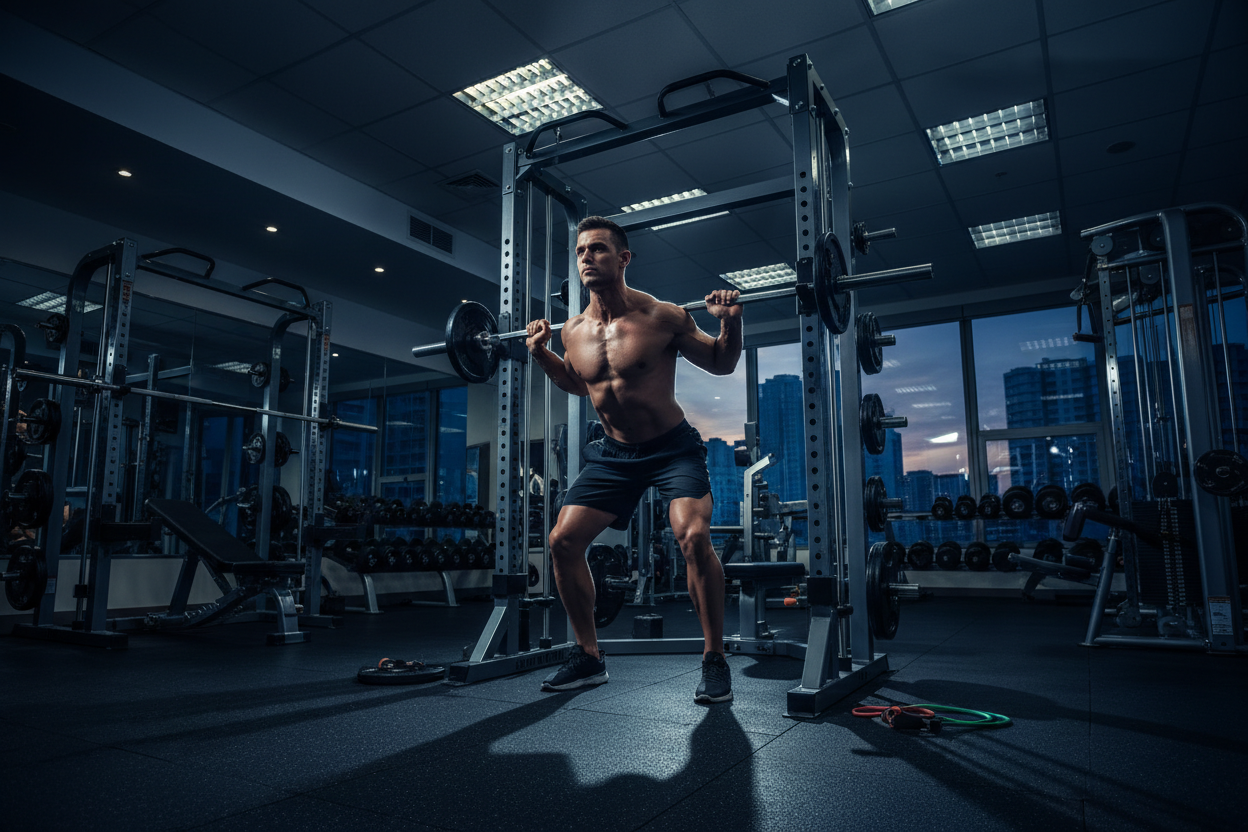
The squat is often called the king of exercises, but it is also the one most people butcher. A proper lower body squat focus workout isn't just about moving weight from point A to point B; it is about creating tension.
When you descend, you shouldn't just drop. You need to actively pull yourself down using your hip flexors while bracing your core. Many lifters collapse at the bottom (the "hole"), losing tension. This places unnecessary stress on the lumbar spine rather than the quads and glutes. To fix this, focus on "spreading the floor" with your feet to engage the hips before you even crack your knees.
The Hip Hinge: The Missing Link
If you look at great lower body exercises for posterior chain development, the hip hinge reigns supreme. This includes Deadlifts, Romanian Deadlifts (RDLs), and Good Mornings.
The mistake I see constantly is "squatting" the deadlift. A hinge is a horizontal displacement of the hips, not a vertical drop of the pelvis. Imagine trying to close a car door behind you with your butt while holding a tray of drinks in your hands. That is the movement. If your knees travel too far forward, you lose tension in the hamstrings, turning it into a sub-par squat.
Unilateral Training for Structural Balance
Good lower body workouts expose weaknesses; they don't hide them. Bilateral movements like the back squat allow your dominant leg to compensate for the weaker one. This is why unilateral work is non-negotiable.
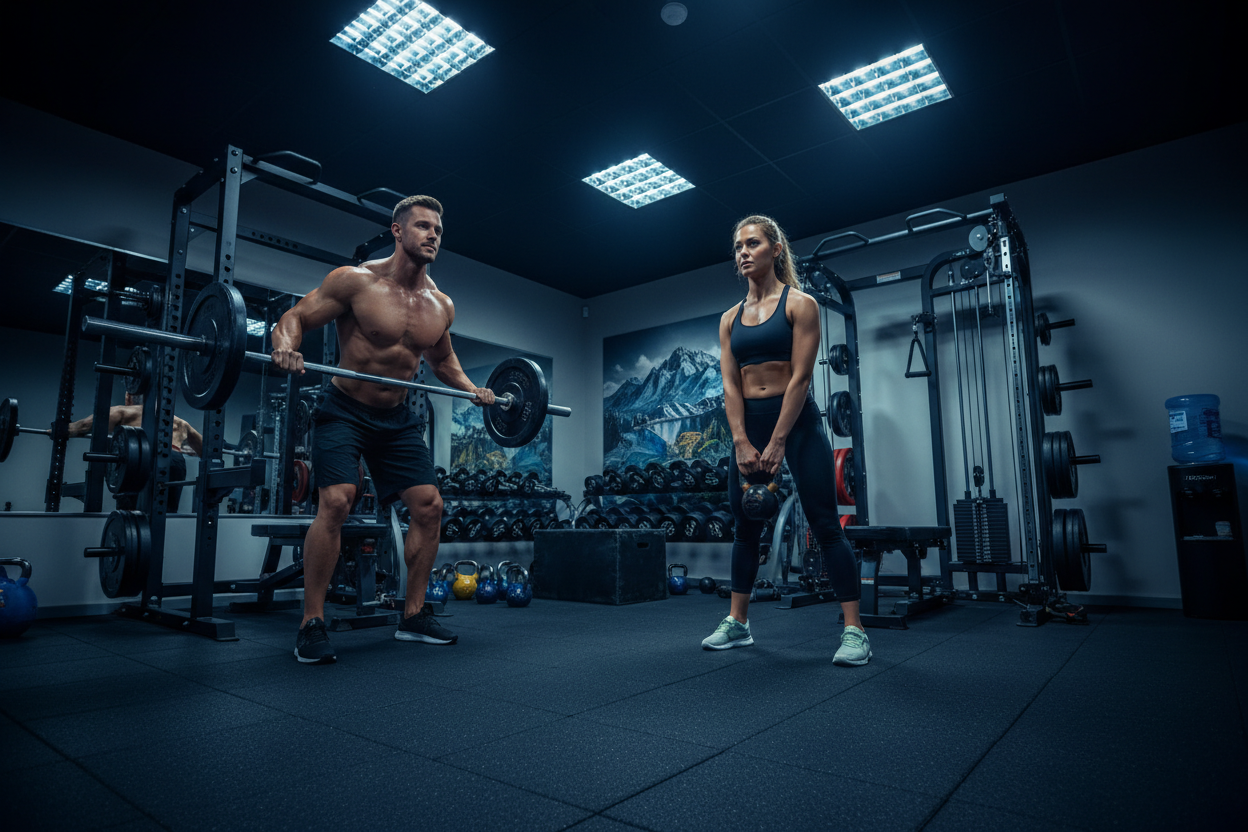
Exercises like Bulgarian Split Squats or walking lunges are often hated because they are difficult to stabilize. That instability is the point. It forces the smaller stabilizers in the hip and ankle to work overtime. If you want a great lower body workout, you must include at least one single-leg movement to ensure symmetry and prevent injury.
Structuring a Basic Lower Body Workout
You don't need a complex spreadsheet to see results. A basic lower body workout should follow a hierarchy of energy expenditure. Here is a structure that works for 90% of lifters:
- Primary Compound (Squat Variation): 3-4 sets of 5-8 reps. Heavy, long rest periods.
- Secondary Compound (Hinge Variation): 3-4 sets of 8-12 reps. Focus on the stretch.
- Unilateral Movement: 3 sets of 10-12 reps per leg. Focus on balance.
- Isolation/Pump Work: Leg extensions or hamstring curls. 3 sets of 15+ reps.
This structure covers all bases. It provides a stimulus for strength, hypertrophy, and structural integrity without leading to excessive systemic fatigue.
My Personal Experience with Lower Body Lifts
I remember distinctly when I decided to switch from leg press to a dedicated barbell program. The hardest part wasn't the weight on the bar; it was the tactile discomfort that no one warns you about.
Specifically, during heavy Romanian Deadlifts, it wasn't my hamstrings giving out first—it was the skin on my hands. I recall the specific burning sensation of the knurling digging into my calluses just as my grip started to slip on the last rep. And with Bulgarian Split Squats, the limiting factor wasn't always my quad strength; it was the cramping in the arch of my back foot. That specific cramp, right where the shoe bends, is a humbling reminder that lower body day exercises demand total body tension, right down to your toes. Once I started training barefoot (or in minimalist shoes) to strengthen my feet, my squat numbers finally broke through their plateau.
Conclusion
Building legs requires a tolerance for discomfort and a respect for biomechanics. By focusing on the most effective lower body exercises—squats, hinges, and lunges—and executing them with precision, you will see growth. Stop chasing variety and start chasing mastery. The results will follow the effort.
Frequently Asked Questions
How often should I perform lower body lifts?
For most natural lifters, training the lower body twice a week is the sweet spot. This frequency allows for sufficient volume to stimulate growth while providing enough recovery time (48-72 hours) between sessions to prevent overtraining.
What if I have back pain during squats?
Back pain usually stems from poor bracing or lack of hip mobility. Try switching to a Goblet Squat or Front Squat. These variations force an upright torso, reducing shear force on the lumbar spine while still delivering good lower body exercises for the quads.
Can I build big legs with just dumbbells?
Absolutely. While barbells are easier for maximal loading, dumbbells allow for a greater range of motion and are excellent for unilateral work. A great lower body workout can be done entirely with dumbbells if you utilize tempo (slowing down the rep) and higher volumes to compensate for the lighter weight.