Stop Ruining Your Floors: Why a Mobile Weight Rack Changes Everything
Most home gym owners eventually hit the same wall. You buy the gear, you set up the mats, and you arrange your equipment exactly where you think it should go. Then, three weeks later, you realize the squat stand is too close to the wall for pull-ups, or the dumbbell rack is blocking the only path to the door. The problem isn't usually the size of the room; it is the rigidity of the layout. The ability to reconfigure your training space on the fly is what separates a cramped garage gym from a professional-feeling training facility. This is where the concept of mobility comes into play.
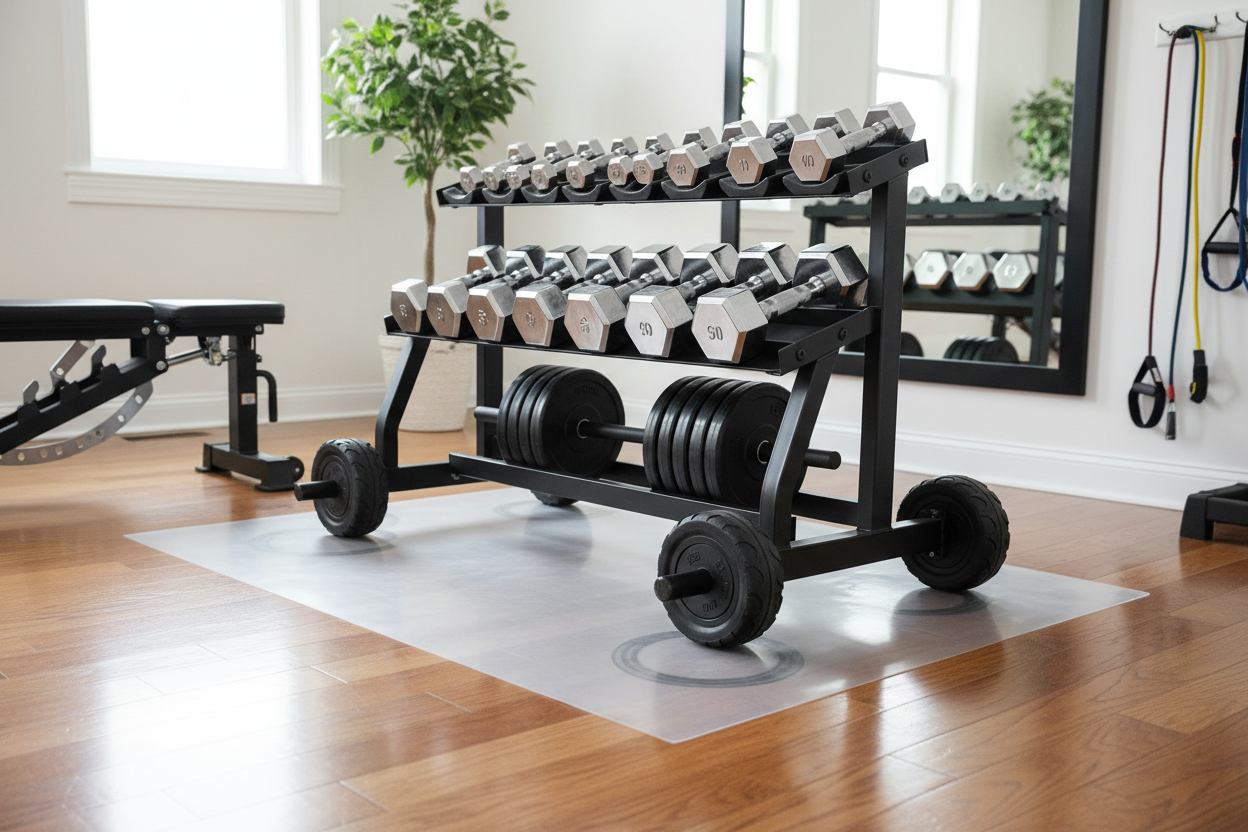
Static equipment is heavy, cumbersome, and often damages flooring when dragged. Integrating mobility into your setup allows you to store heavy gear in a corner and roll it out only when needed. Whether you are looking to retrofit an existing setup or you are in the market for a brand new weight rack with wheels, understanding the mechanics of load-bearing mobility is essential for safety and efficiency.
The Real Value of a Mobile Setup
I learned the hard way that permanent placement is a myth. A few years ago, I set up a heavy-duty dumbbell rack along the back wall of my garage. It looked perfect until I needed to park a car in there during a hail storm. Trying to move a fully loaded, 600-pound rack across rubber stall mats was a disaster. I ended up having to unload every single dumbbell, drag the metal frame across the floor (scratching the epoxy underneath), and then reload it. It took forty-five minutes and left my lower back fried before I even started my workout.
That weekend, I retrofitted the rack with heavy-duty casters. Now, moving that same 600-pound load takes ten seconds and one hand. Beyond just parking cars, mobility changes how you train. You can roll a plate tree right up to the barbell for deadlifts, minimizing the distance you carry 45-pound plates. You can push equipment aside to open up floor space for stretching or plyometrics. It turns a single-use space into a multi-purpose zone.
Selecting the Right Casters for Heavy Loads
If you decide to go the DIY route and install weight rack wheels onto an existing piece of equipment, the hardware store bargain bin is not your friend. Standard office chair wheels or light-duty furniture movers will crush instantly under the weight of iron plates. You need industrial-grade casters designed for dynamic loads.
Pay close attention to the load rating per wheel. A common mistake is calculating the weight of your plates and the rack, then dividing by four. This math assumes the floor is perfectly level and the weight is always evenly distributed, which is rarely the case. If you hit a bump or load one side of the rack heavily, a single wheel might bear 50% or more of the total load. Always aim for a total weight capacity that is double what you actually plan to store. If your fully loaded rack weighs 800 pounds, your set of four wheels should be rated for at least 1,600 pounds combined.
Material matters just as much as weight rating. Hard plastic wheels can crack under impact and will gouge wood or epoxy floors. Steel wheels are incredibly strong but noisy and slippery. The gold standard for gym environments is polyurethane or mold-on rubber. these materials provide traction, absorb vibration, and protect your flooring while still supporting massive weight.
Stability and Locking Mechanisms
Mobility is great for storage, but stability is non-negotiable during a set. You do not want your weight rack with wheels drifting away while you are trying to re-rack a heavy set of dumbbells. This creates a serious safety hazard.
Double-locking casters are the industry standard for this application. Unlike a simple wheel brake that stops the wheel from rolling, a double-lock mechanism also freezes the swivel bearing. This makes the wheel act like a solid leg. When all four wheels are locked, the rack should feel as stable as if it were sitting on rubber feet. If you are retrofitting a squat stand or a half-rack, this is even more critical. The lateral force exerted when racking a barbell can easily push a mobile unit backward if the swivel mechanism isn't locked down tight.
Retrofitting vs. Buying New
There is a growing market for equipment designed specifically for mobility. Manufacturers are increasingly offering rolling bumper plate storage, mobile dumbbell trees, and even portable squat stands. Buying a factory-made weight rack with wheels ensures that the center of gravity has been tested. High-quality mobile racks usually have a wider base to prevent tipping when the unit is in motion.
However, retrofitting is often more budget-friendly. Many power racks and storage units come with holes pre-drilled in the feet that can accept bolt-on casters. If you are sourcing your own weight rack wheels, check the stem size or plate mount pattern carefully. M10 and M12 threaded stems are common in gym equipment, but they are not universal. Using a caliper to measure the existing holes in your rack will save you the headache of returns.
Floor Protection and Maintenance
Even the best wheels can cause issues if the floor isn't maintained. In a garage gym, small pebbles, screws, or debris can get caught under a wheel. When you roll a heavy rack over a pebble, it acts like a knife, slicing through rubber mats or scratching concrete. keeping the floor swept is more important in a mobile gym than a static one.
Furthermore, rolling heavy loads over puzzle-piece foam mats often causes the mats to buckle or separate. Solid rubber stall mats or a continuous roll of rubber flooring provide a much better surface for mobile equipment. The rolling resistance is lower, and the seams are less likely to come apart under the pressure of the wheels.
Adding mobility to your gym setup is one of the highest ROI upgrades you can make. It saves your back, protects your floors, and allows your training space to evolve with your needs. Whether you bolt casters onto an old tree or invest in new rolling storage, the ability to move your iron effortlessly is a luxury you won't want to give up.
Frequently Asked Questions
Can I put wheels on a full power rack?
While possible, it is generally not recommended for full four-post power racks unless they are specifically designed for it. The height and weight of a full rack create a high center of gravity, making it prone to tipping when moved. It is safer to limit wheels to storage racks, dumbbell trees, and shorter squat stands.
Do locking wheels stop all movement on smooth concrete?
High-quality double-locking casters will stop the wheel from rolling and swiveling, effectively turning the rack into a static object. However, on polished concrete, the material of the wheel itself needs to be grippy (like rubber or polyurethane) to prevent the entire locked unit from sliding under lateral force.
How do I know what size stem to buy for my rack?
Most gym equipment uses metric threads, commonly M10, M12, or sometimes M16 for very heavy gear. You cannot eyeball this; you must use a thread pitch gauge or take a bolt that fits your rack's foot to a hardware store to identify the specific size before ordering casters.