Stop Pressing First: The Deltoid Bodybuilding Rule I Swear By
I remember standing in my garage, staring at a pair of 45-pound plates that felt like they were mocking me. My overhead press had stalled for six months, and while my front delts were thick, my shoulders still looked like a narrow slope rather than a shelf. If you are chasing serious deltoid bodybuilding progress, the standard advice of 'press heavy and often' might actually be the thing keeping you small.
Quick Takeaways
- Heavy pressing often prioritizes the front delts and triceps, leaving the lateral and rear heads lagging.
- Pre-exhaustion forces the 'aesthetic' heads of the shoulder to become the limiting factor during compound moves.
- You can trigger more growth with 95 pounds than 185 if you sequence your lifts correctly.
- Lower weights at the end of a session significantly reduce wear and tear on your rotator cuffs.
Why I Stopped Leading With Heavy Overhead Presses
For years, I followed the standard strength-first dogma. I’d walk into my gym, load up the barbell, and grind out heavy overhead presses while I was fresh. The logic seemed sound: lift the most weight when you have the most energy. But my shoulders weren't growing. Instead, my AC joints started clicking like a metronome, and my upper chest and front delts were doing 90% of the work. I was moving the weight, but I wasn't building the muscle.
The problem with leading with a heavy press in delts bodybuilding is that your body is a master of compensation. When you are fresh, your nervous system will find the path of least resistance. For most of us, that means tilting the torso back slightly and letting the powerful front delts and triceps take over. By the time I got to my lateral raises and rear delt flies, I was mentally drained, and those smaller, crucial heads of the shoulder were treated like an afterthought. I had a massive 'front-load' but zero 'cap' on the side of my arms. I realized I had to flip the script if I wanted to actually look like I lifted.
The Pre-Exhaust Trick That Changed My Delts Bodybuilding Routine
The concept is simple: you fatigue the specific muscles you want to grow—the lateral and rear heads—before you touch the compound movement. By the time you get to your overhead press, those smaller muscles are already screaming. This forces them to be the 'weak link' in the chain during the press. Instead of your front delts doing all the work, your lateral delts have to fight for every inch of that lockout because they are already nearing failure.
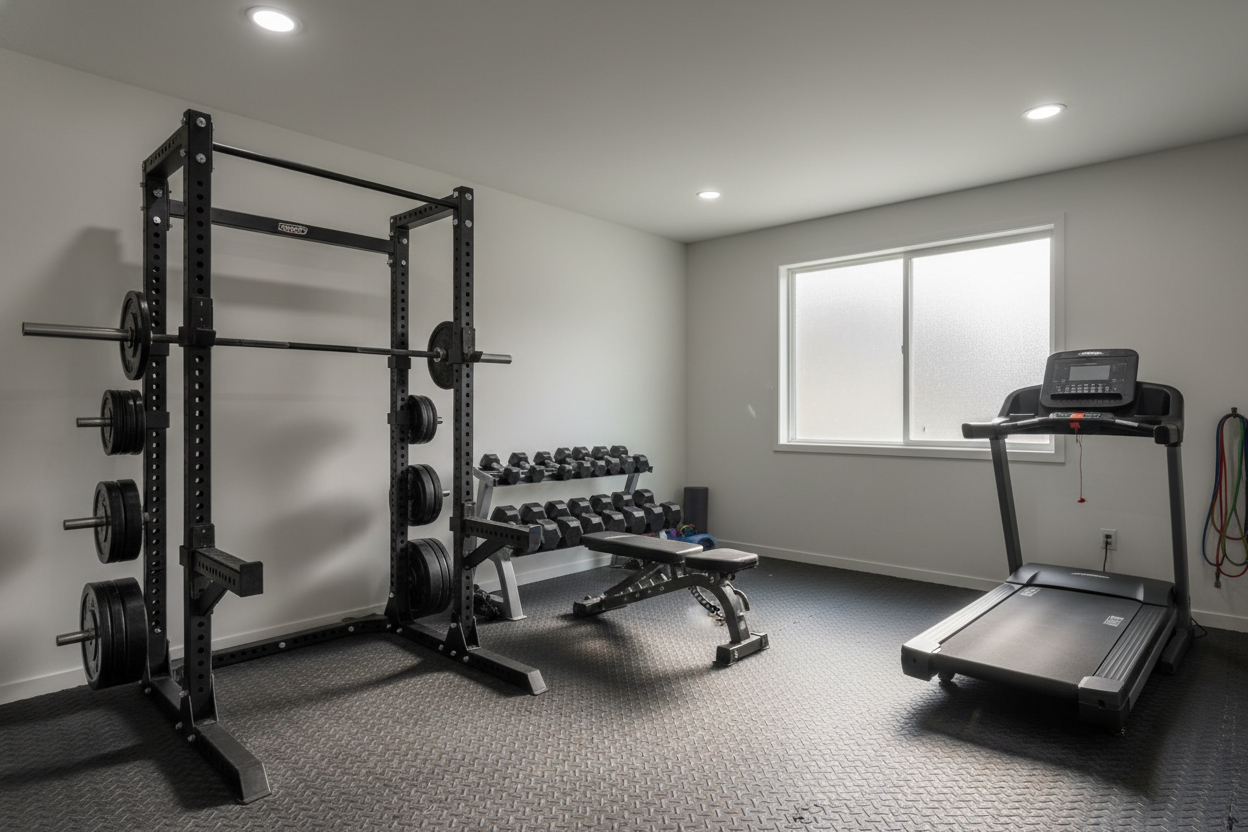
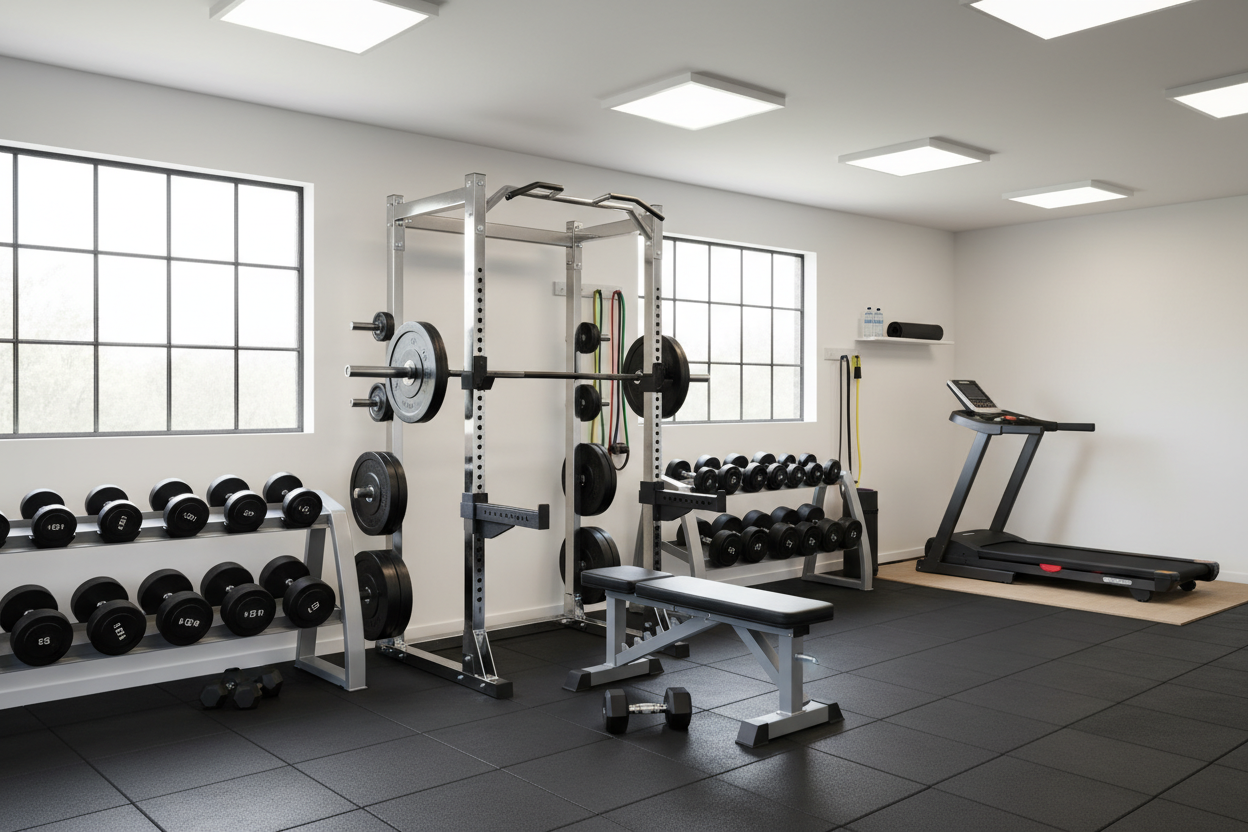
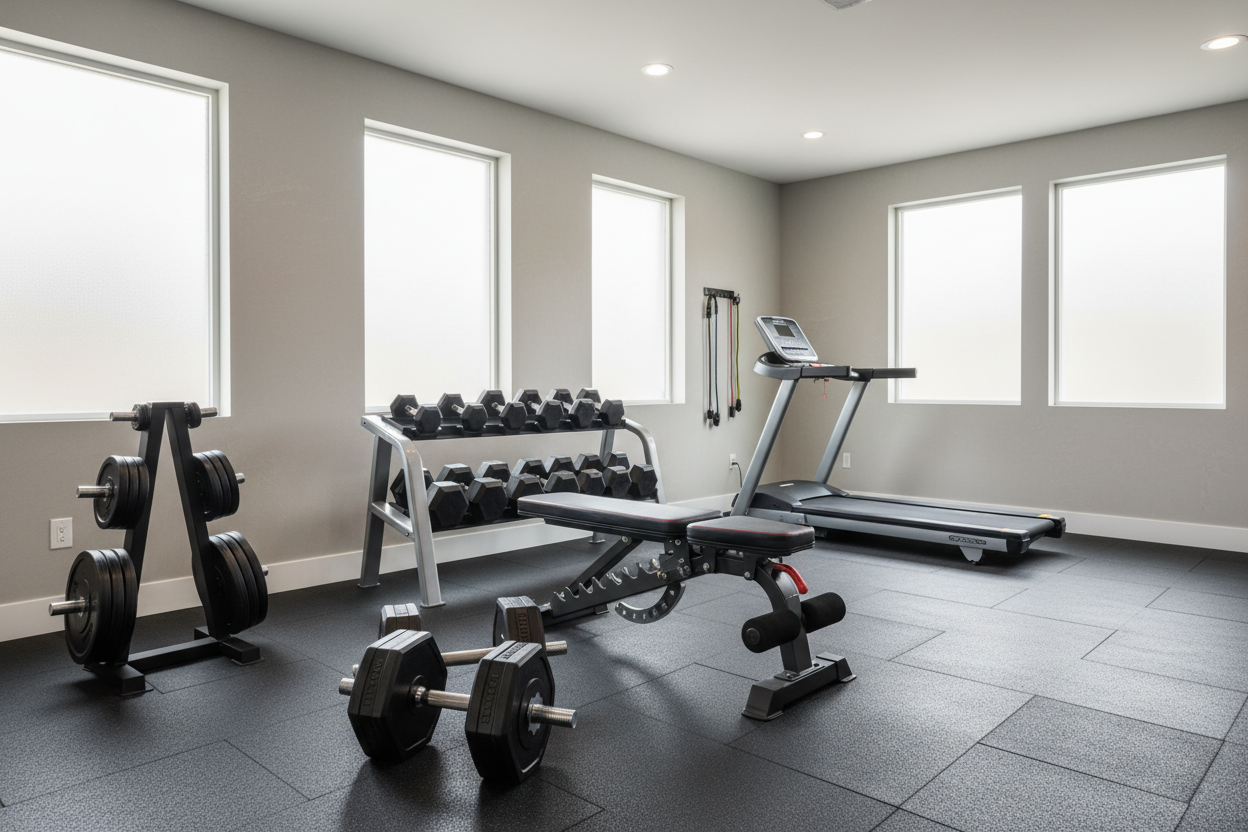
This isn't about ego; it’s about mechanical disadvantage. When you pre-exhaust, you aren't going to hit a PR on your overhead press. In fact, your numbers will probably drop by 30%. But the pump and the localized fatigue are unlike anything you’ll experience with a standard 'strength-first' approach. In my home gym, where I don't have a 200-pound dumbbell rack, this is a literal lifesaver. It allows me to get a pro-level stimulus using the mid-range weights I actually own. It turns a 50-pound dumbbell into a weapon of mass destruction.
Waking Up the Rear Delts Before You Do Anything Else
I start every shoulder day with chest-supported rear delt raises. I set my adjustable bench to a 45-degree incline, lay face down, and use a pair of light dumbbells—usually 15s or 20s. The goal isn't to move the weight from point A to point B; it’s to pull with the back of the shoulder. I keep my palms facing down and focus on throwing the weights out to the side walls, not up.
I run these for three sets of 15-20 reps, hitting absolute failure on the last set. By the time I’m done, my upper back feels like it’s on fire and my shoulders are pulled back into a better postural position for the pressing to come. Most people ignore the rear delts because they can't see them in the mirror, but in the world of bodybuilding, that's what gives your shoulder that 3D, 'popping' look from the side profile. If you skip these, you're just building a flat, two-dimensional physique.
Frying the Laterals While You're Still Fresh
Next up are the lateral raises. This is where most people mess up by using too much momentum. I grab a pair of dumbbells and stand with my back against a wall or a power rack post to eliminate the 'hip hinge' cheat. I do strict, controlled raises, stopping just short of the top to keep constant tension on the muscle. I’m looking for that deep, stinging burn that makes you want to quit at rep eight, then I push to twelve.
Because I’m doing these while my central nervous system is still fresh, I can really focus on the mind-muscle connection. I’m not just swinging iron; I’m feeling the lateral head of the deltoid contract. I usually do four sets here, sometimes adding a drop set on the final round. By the time these are finished, my shoulders are physically wider than when I walked into the garage, and they are primed for the final heavy hit.
Pressing Lighter, Growing Bigger: The Compound Finish
Now, and only now, do I move to the overhead press. Whether I’m using a barbell or dumbbells, the experience is completely different. Because my lateral and rear delts are already fatigued, I don't need to load up three plates to feel the tension. I can sit down on my bench—honestly, having top gym equipment for bodybuilding like a solid, stable adjustable bench is a must here—and press a moderate weight for 8 to 12 reps.
Every rep feels like a struggle from the bottom. My shoulders are forced to stabilize a load they are already tired of carrying. This is the secret to hypertrophy without joint destruction. I’m getting the muscle-building benefits of a heavy compound movement, but the actual load on my spine and rotator cuffs is much lower. I’ve found that my shoulders have actually started growing again because I’m finally hitting the fibers that were previously just 'along for the ride' during my heavy sets.
You Don't Need Commercial Machines for Capped Shoulders
One of the biggest myths in the fitness industry is that you need those fancy, plate-loaded lateral raise machines or specific cable setups to build pro-level shoulders. While I’ve looked at some top home gym machines for strength and bodybuilding that can certainly help round out a setup, they aren't the requirement. A garage gym owner with a bench, some dumbbells, and the discipline to follow a pre-exhaustion sequence will beat the guy with the $5,000 machine every single time.
The advantage of the home gym is the ability to focus. You aren't waiting for a rack or feeling self-conscious about using 'light' weights for your main lift because you already fried your muscles with isolations. You can control the environment, the tempo, and the intensity. This method has saved my joints and finally gave me the 'capped' look I was chasing for a decade. Stop trying to be the strongest guy in the room and start being the one who actually grows.
FAQ
Will my overhead press strength decrease?
In the short term, yes, because you are performing it in a fatigued state. However, your total shoulder stability and hypertrophy will improve, which often leads to a higher 'true' strength ceiling later on.
Can I do this with just dumbbells?
Absolutely. In fact, dumbbells are often better for pre-exhaustion because they allow for a more natural range of motion and help identify side-to-side imbalances.
How often should I use this technique?
I recommend using this for a 6-8 week block. It is intense on the local tissue, so give yourself at least 72 hours between shoulder sessions to ensure you are actually recovering.