Stop Pointing at Machines: A Cheat Sheet for Exercise Equipment Names
I remember standing in a big-box gym, staring at a PDF on my phone that told me to do 'Face Pulls.' I spent ten minutes wandering around like a lost tourist before realizing the station I needed was tucked in a corner behind the water fountain. Learning exercise equipment names isn't about being a pedantic gym nerd; it is about getting your work done without looking like you are searching for a lost contact lens.
The gym is full of jargon that feels designed to keep people out. When a program tells you to use a 'Functional Trainer' and you are looking for something that says 'Arm Machine,' you lose momentum. I have spent years testing everything from $5,000 racks to $50 FB Marketplace finds, and I can tell you that the name on the frame matters less than knowing what to call it when you are trying to find a YouTube tutorial.
- Free Weights: Barbells, dumbbells, and kettlebells that move in any direction you choose.
- Selectorized Machines: The ones with the weight stacks and the little metal pins.
- Plate-Loaded: Machines where you have to manually slide iron plates onto the pegs.
- Cable Machines: Versatile pulleys that use high-tension wires to provide resistance.
Stop Calling It 'That Weird Leg Thingy'
Walking into a gym and pointing at things like a toddler is a fast way to feel out of place. Most of the confusion comes from the fact that one machine might have three different names depending on who manufactured it or which coast you are on. If you are following a program written by a coach in Ohio but you are training in a gym in London, the terminology gap can be real.
Knowing the actual names allows you to walk with purpose. It means you can ask 'how many sets do you have left on the leg press?' instead of 'are you done with the seat thing?' It also helps you troubleshoot. If your knees hurt on a 'leg extension,' you can actually search for alternatives because you know what the movement is called.
The Free Weight Zone: Barbells, Dumbbells, and Bells
This is the heart of any serious training space. You have your standard dumbbells (usually hex-shaped or round) and your barbells. An Olympic barbell is the 7-foot long, 45-lb beast you see on the bench press. Don't confuse it with a 'standard' bar, which is thinner and usually only found in dusty basements.
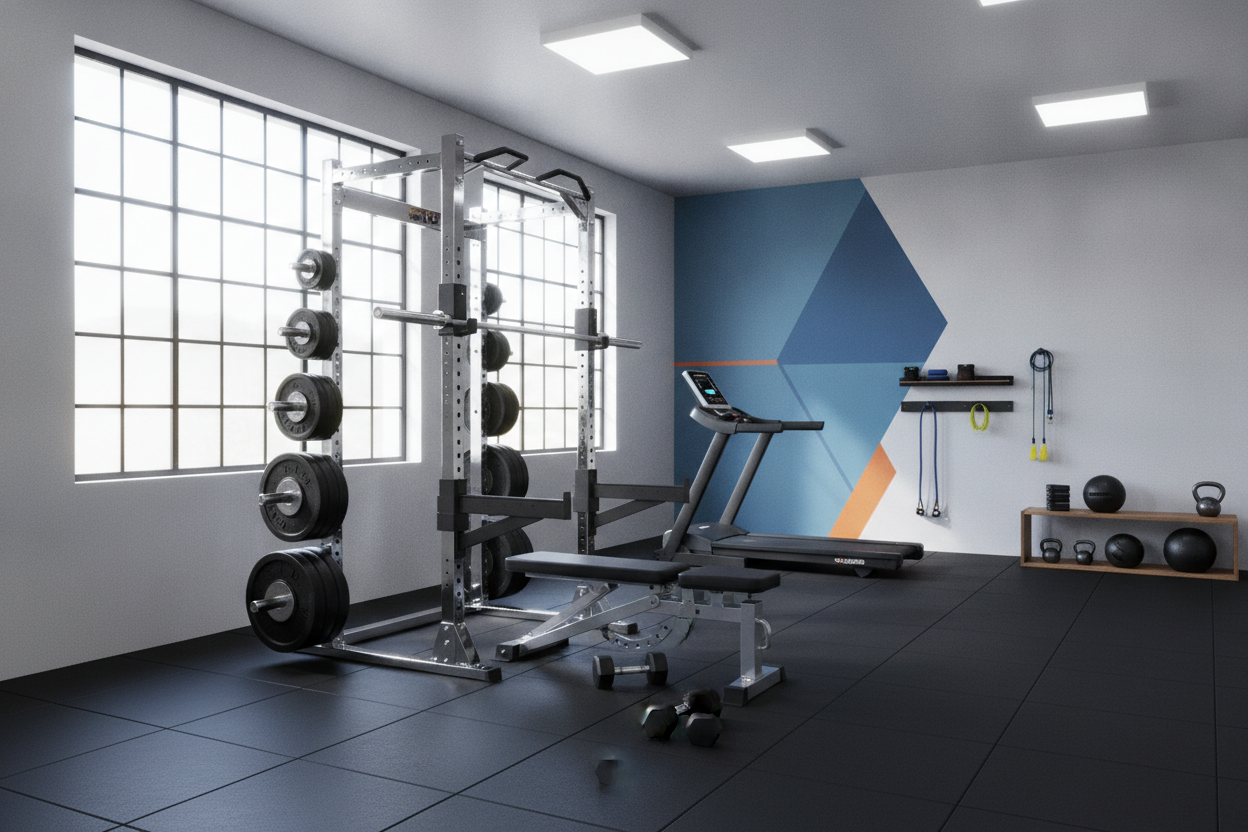
Then you have kettlebells—the cannonballs with handles. These are fantastic for explosive movements, but they are also the most likely to dent your floor if you are training at home. I always tell people that if they are going to swing iron in the living room, they need a large 6x8ft exercise mat to protect the foundation. I learned the hard way that a dropped 24kg bell will go straight through cheap laminate.
Decoding the Most Common Resistance Machines
The row of machines with weight stacks is called the 'selectorized' section. These are the most beginner-friendly because the path of motion is fixed. You just sit down, adjust the seat height, and push or pull. If you want a deep dive into the mechanics, check out this guide on the names of weight lifting machines.
The Lat Pulldown and Seated Cable Row
These are your primary back builders. The Lat Pulldown features a long bar hanging from a high pulley that you pull toward your chest. The Seated Cable Row involves sitting on a bench and pulling a handle toward your stomach. If a program says 'vertical pull,' look for the pulldown. If it says 'horizontal pull,' find the row.
The Pec Deck (Also Known as the Butterfly)
This is the machine where you sit and flap your arms like a bird—hence the 'butterfly' nickname. It is designed to isolate the chest. You will see two versions: one with pads for your elbows and one with handles. Both do the same thing, but the handle version is often called a 'Rear Delt Fly' machine if you sit in it backward.
Cable Crossovers vs. Functional Trainers
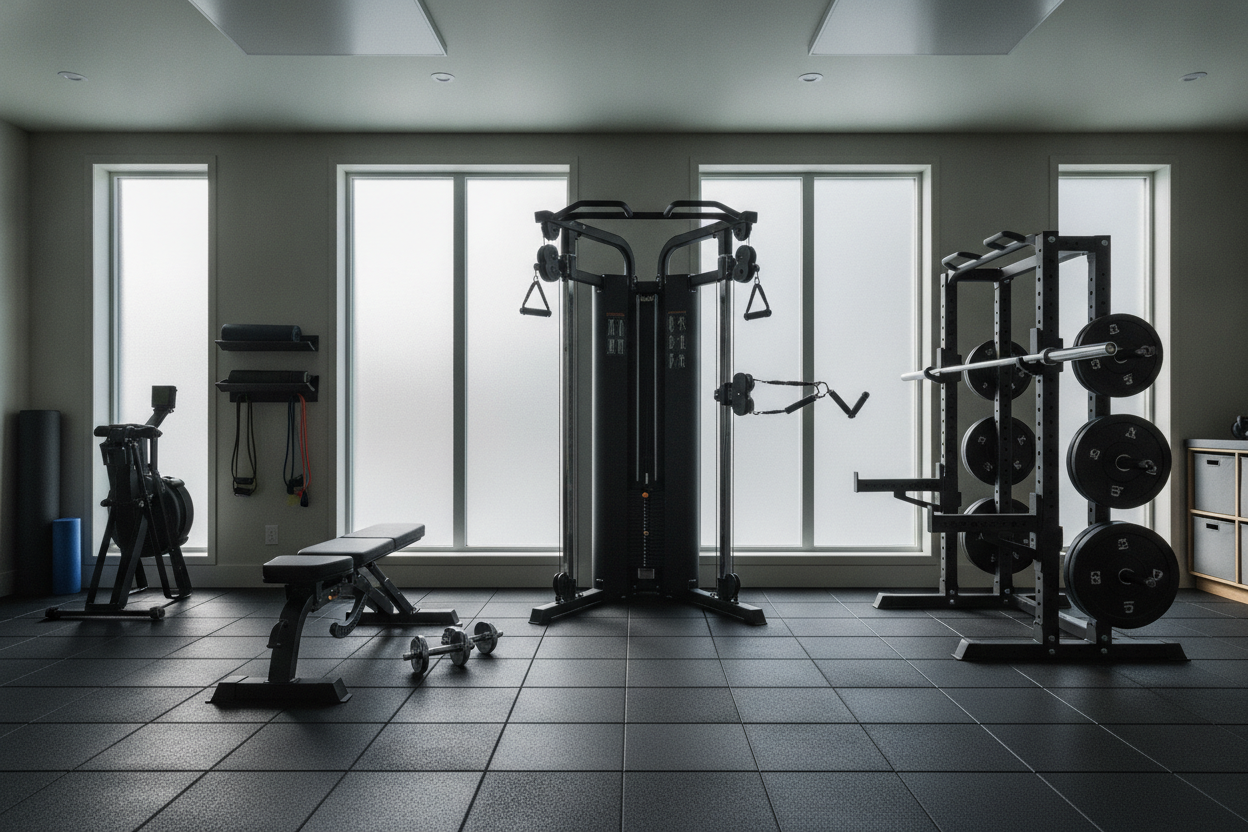
A cable crossover is that massive, 15-foot long bridge of pulleys you see in commercial gyms. It is great for chest flies but takes up an insane amount of space. For home gyms, we usually opt for a 'Functional Trainer.' This is a more compact unit with two adjustable pulleys that sit much closer together.
These are the Swiss Army knives of the gym. You can do everything from squats to face pulls on them. I use mine daily for high-rep accessory work, and knowing the specific arm exercise machine names helps when you are trying to figure out which attachment—like the rope or the EZ-bar—to click into the carabiner.
Why Knowing These Names Actually Saves You Money
When I started building my home gym, I wasted hundreds of dollars because I didn't know the right search terms. I would search for 'weight bench' and get results for flimsy, narrow-grip benches that were meant for children. If I had known to search for a 'commercial-grade adjustable bench,' I would have found the right gear the first time.
Once you know the specific names, you can set up alerts on Craigslist or Facebook Marketplace. 'Squat rack' is a broad term, but 'Power Cage with 3x3 uprights' gets you the heavy-duty stuff. If you are looking to buy new, knowing the terminology helps you spot actual home gym equipment deals instead of falling for marketing fluff that renames a basic pulley as a 'Total Body Transformation Station.'
Personal Experience: The 'Bench' Blunder
Years ago, I bought what I thought was a 'standard' weight bench from a guy for $40. When I got it home, I realized the uprights were so narrow my hands had to be inside the rack to hold the bar. It was a 'standard' bench in the sense that it used 1-inch plates, but it was useless for my 2-inch Olympic bar. I didn't know the difference between 'Standard' and 'Olympic' terminology, and I ended up with a $40 piece of scrap metal in my garage. Don't be like me—know your specs before you hand over the cash.
FAQ
What is the 'running machine' actually called?
It is a treadmill. If it has a rotating staircase, it is a StairMaster or step mill. If it looks like you are cross-country skiing, it is an elliptical.
What is the difference between a Smith Machine and a Power Rack?
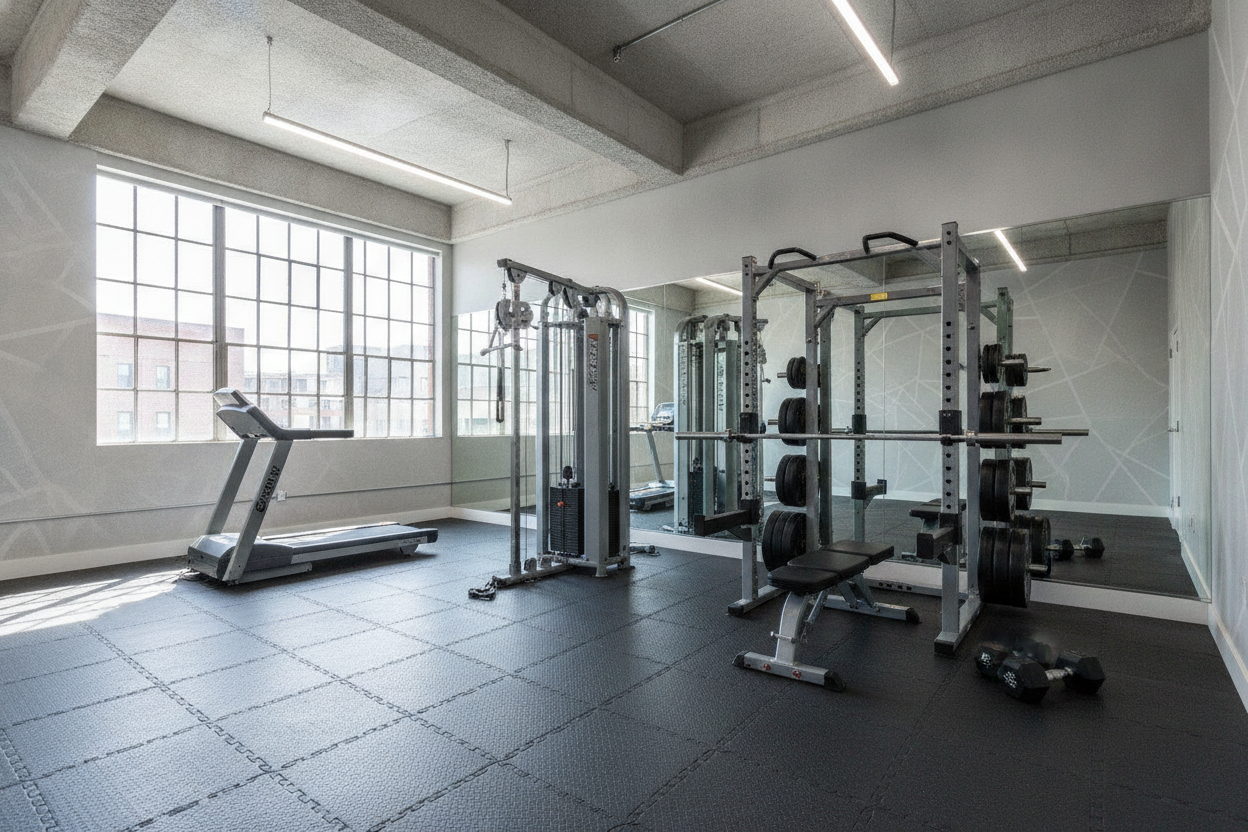
A Smith Machine has a barbell fixed to a track that only moves up and down. A Power Rack is a steel cage where the barbell is completely free and can move in any direction.
What are the names of the weights you hold in your hands?
Small ones you use one-handed are dumbbells. The long ones for two hands are barbells. The ones that look like a kettle with a handle are kettlebells.