Stop Paying for Overcomplicated Bodybuilding Workouts Plans
I remember scrolling through my phone at midnight, comparing the specs on a power rack I couldn't afford while trying to figure out why I wasn't growing. I had just finished another grueling session from one of those bodybuilding workouts plans I bought from a guy on Instagram who clearly has better 'supplements' than I do. My joints ached, my energy was tanked, and the scale hadn't budged in three months.
We have been sold a lie that more is always better. In reality, most of us are overtraining and under-recovering. You don't need a 6-day split to look like you lift; you need a strategy that respects your biology and your schedule.
- Natural recovery is the bottleneck: You can't train like a pro if you don't recover like one.
- Volume traps: More sets don't equal more muscle if the quality is trash.
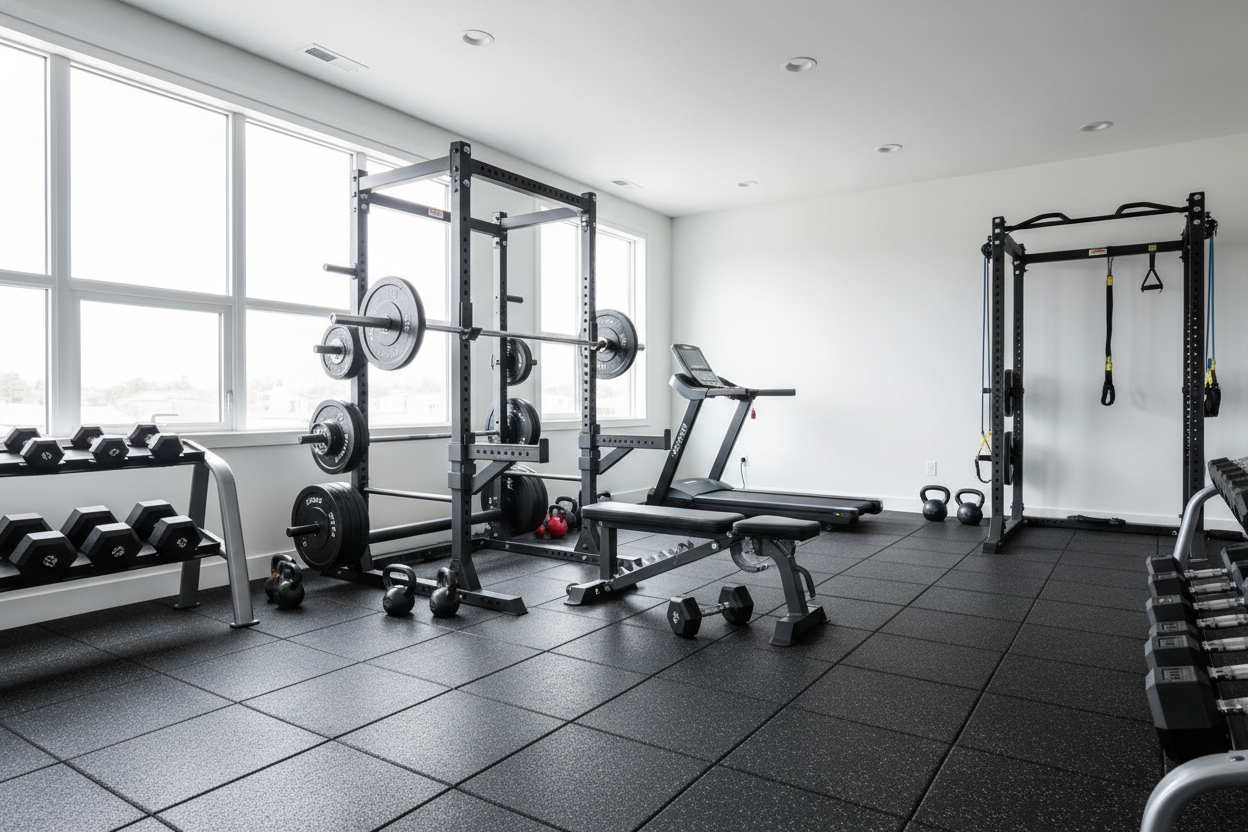
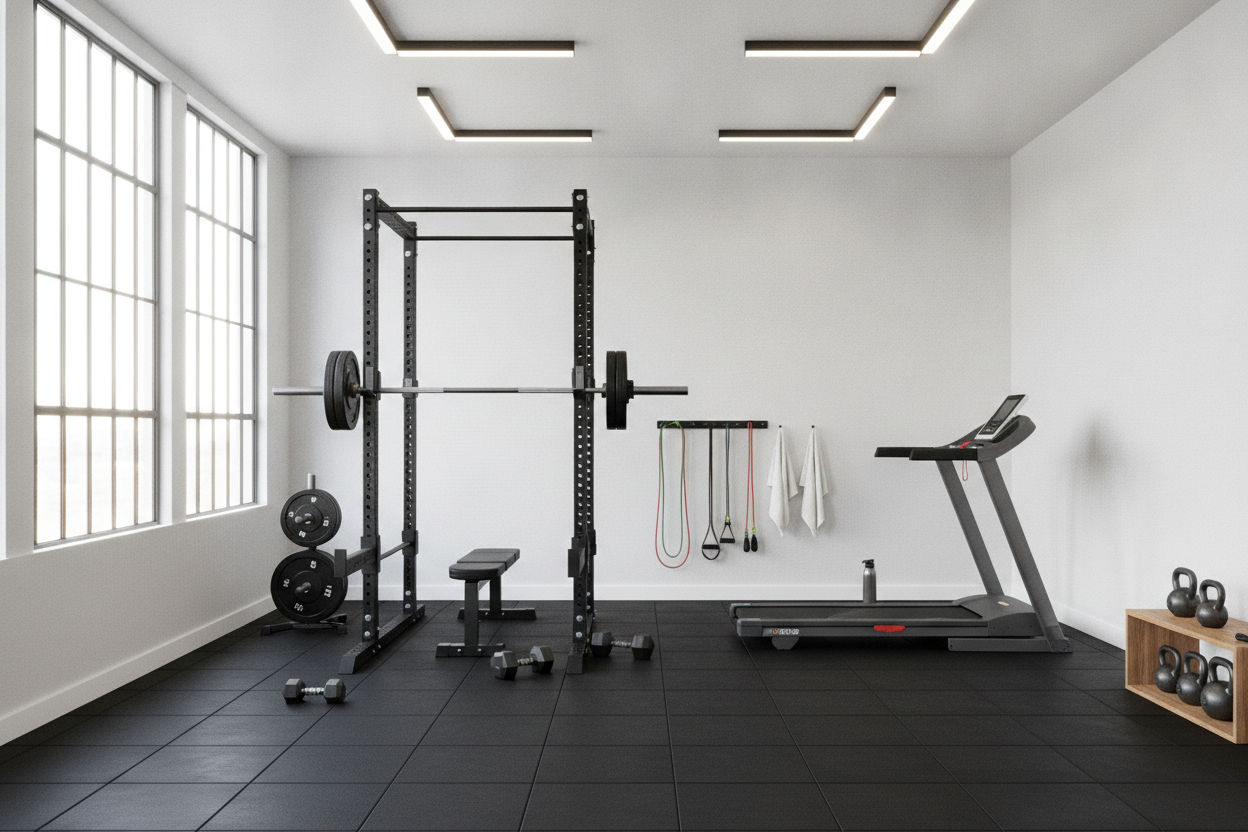
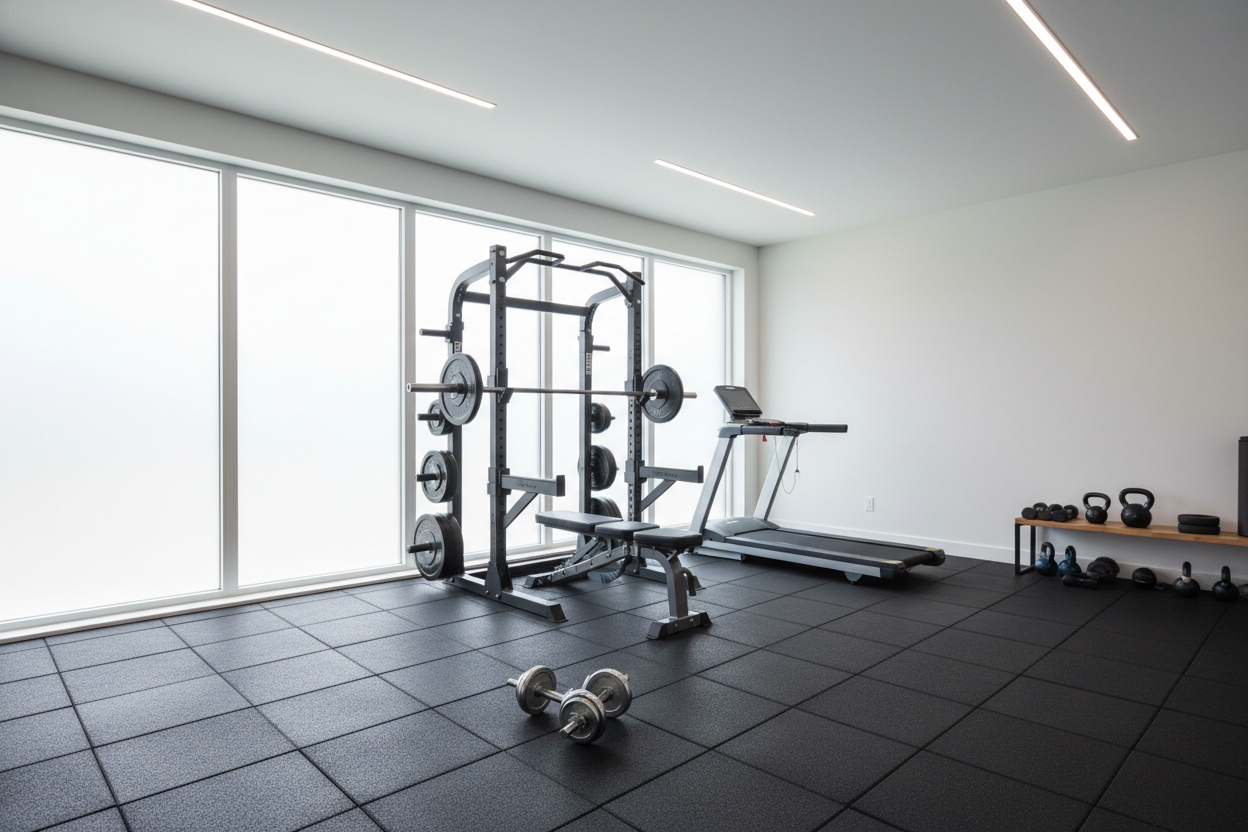
- Home gym advantage: You can get a pro-level pump without a $10,000 cable crossover machine.
- Consistency over intensity: A 3-day plan you hit every week beats a 6-day plan you quit after a month.
Stop Buying Routines Built for Guys on Gear
The biggest scam in the fitness industry is selling professional workout plans to guys who work 40 hours a week and have kids. These plans are designed for elite athletes whose entire lives revolve around training, eating, and sleeping. They often have 'chemical assistance' that allows them to recover from 30 sets of chest in a single session. For a natural lifter, that much volume is just a recipe for systemic fatigue.
When you try to force a pro-level workload on a regular body, your cortisol spikes and your testosterone takes a hit. You aren't building muscle; you're just digging a recovery hole you'll never climb out of. If you're constantly exhausted and your lifts are stalling, the routine is the problem, not your work ethic.
The Early Internet Ruined How We View Volume
I blame the early 2000s forums. Back then, every bodybuilders com workout was a high-volume marathon. We all spent hours reading those old bodyspace workouts, convinced that if we didn't do four different types of curls, our biceps would never peak. We were chasing a pump, not progress.
That era convinced a whole generation that 'bodybuilding working out' meant staying in the gym for two hours. It’s nonsense. Most of the guys writing those threads were 19-year-olds with infinite recovery time. If you want a framework that actually accounts for modern science and limited time, check out our Workout Hub for better alternatives to those outdated forum splits.
Why a Daily Grind Will Actually Shrink You
A daily bodybuilding routine sounds hardcore on paper. It looks great as a hashtag. But for the average lifter, training seven days a week is the fastest way to lose muscle. Muscle doesn't grow while you're under the bar; it grows while you're asleep. If you never give your central nervous system a break, your performance will drop, and your body will start breaking down muscle tissue for energy.
High-frequency training is a tool, not a requirement. Most people will see better results on a 3 or 4-day split where every set is taken to near-failure. If you're struggling to balance your training with a career, I've written about How to Schedule Bodybuilding Workout Plans for Busy Lives to help you find that sweet spot.
Making Your Garage Feel Like a Real Hypertrophy Lab
You don't need a commercial gym bodybuilding workout to get results. I’ve built more muscle in my garage with a barbell and a pair of adjustable dumbbells than I ever did at a big-box gym. The key is maximizing the equipment you have. You don't need a dedicated pec-deck machine when you can do floor flies or heavy weighted dips.
I personally use a 6X8Ft Exercise Mat Yoga Mat Gym Flooring For Home Workout to create a dedicated space for my accessory work. It’s thick enough to handle dropped dumbbells and saves my joints during high-rep floor presses. If you feel like your home setup is limiting your gains because you're low on weight, read Out of Plates? How to Fix Home Workout Plans Bodybuilding Style for tips on increasing intensity without adding more iron.
The 3 Rules for a Routine That Actually Grows
If you want a gym workout for bodybuilding that actually delivers, stop chasing variety and start chasing tension. First, prioritize progressive overload. If you aren't adding weight or reps over time, you're just exercising, not training. Second, focus on mechanical tension. Every rep should be controlled—no ego lifting or using momentum to swing the weight.
Third, keep it simple. Pick 2-3 big compound movements and 2-3 isolation exercises per session. That’s it. You don't need fancy 'shock' techniques. You need to get exceptionally strong in the 8-12 rep range and stay consistent for years, not weeks.
How many sets per week do I really need?
For most people, 10-15 hard sets per body part per week is the 'Goldilocks' zone. Anything more usually leads to junk volume that just wears you out without adding size.
Can I build a pro physique at home?
Absolutely. Your muscles don't know if you're in a $50,000 facility or a dusty garage. They only respond to tension and load. Get a solid rack, a bench, and enough plates to keep you challenged.
Is 3 days a week enough for bodybuilding?
Yes, especially if you're doing full-body sessions. It allows for maximum recovery and lets you hit every muscle group with high intensity every time you step into the gym.
What is the best exercise for chest?
The one you can feel the most. For some, it's the bench press; for others, it's weighted dips or dumbbell presses. Focus on the mind-muscle connection rather than just moving the weight from point A to point B.