Stop Overthinking Weight Lifting Training Programs for Beginners
I remember scrolling through forums at 2 AM, convinced that if I just found the 'perfect' spreadsheet, my squat would magically jump 50 pounds. I spent more time tweaking cells in Excel than I did actually under a barbell. If you are looking for weight lifting training programs for beginners, the hardest part isn't the lifting—it is staying the course when things get boring.
Quick Takeaways
- Consistency beats a 'perfect' program every single time.
- Look for linear progression—adding weight or reps every session.
- Audit your gear before you commit to a specific style of training.
- Avoid programs that offer too much variety and not enough basic strength.
- Commit to one routine for 12 weeks before changing anything.
The 'Shiny Object' Trap Killing Your Newbie Gains
Most people quit their starting lifting routine because they do not see a bicep vein after ten days. They jump to the next 'science-based' influencer plan and effectively reset their progress to zero. This 'program hopping' is the fastest way to stay weak and frustrated.
A mediocre plan executed with 100% consistency beats a perfect plan executed with 50% effort. Your body needs a repetitive stimulus to adapt. When you switch exercises every week, you never get good enough at the movements to actually move heavy weight.
What Actually Makes a Starter Program Work?
A solid intro weight training program needs three things: linear progression, recovery, and movement proficiency. You need to add weight or reps every single session. If the plan does not tell you exactly how much to add to the bar next Tuesday, it is garbage.
I realized this the hard way after years of spinning my wheels. I eventually had to write down a baseline weight lifting training guide to keep myself accountable and stop guessing every time I stepped into the garage.
Recovery is the other half of the equation. As a beginner, you do not need six days a week in the gym. You need three or four high-quality sessions where you focus on big, compound movements like the squat, hinge, and press.
Matching Your Ambition to Your Equipment
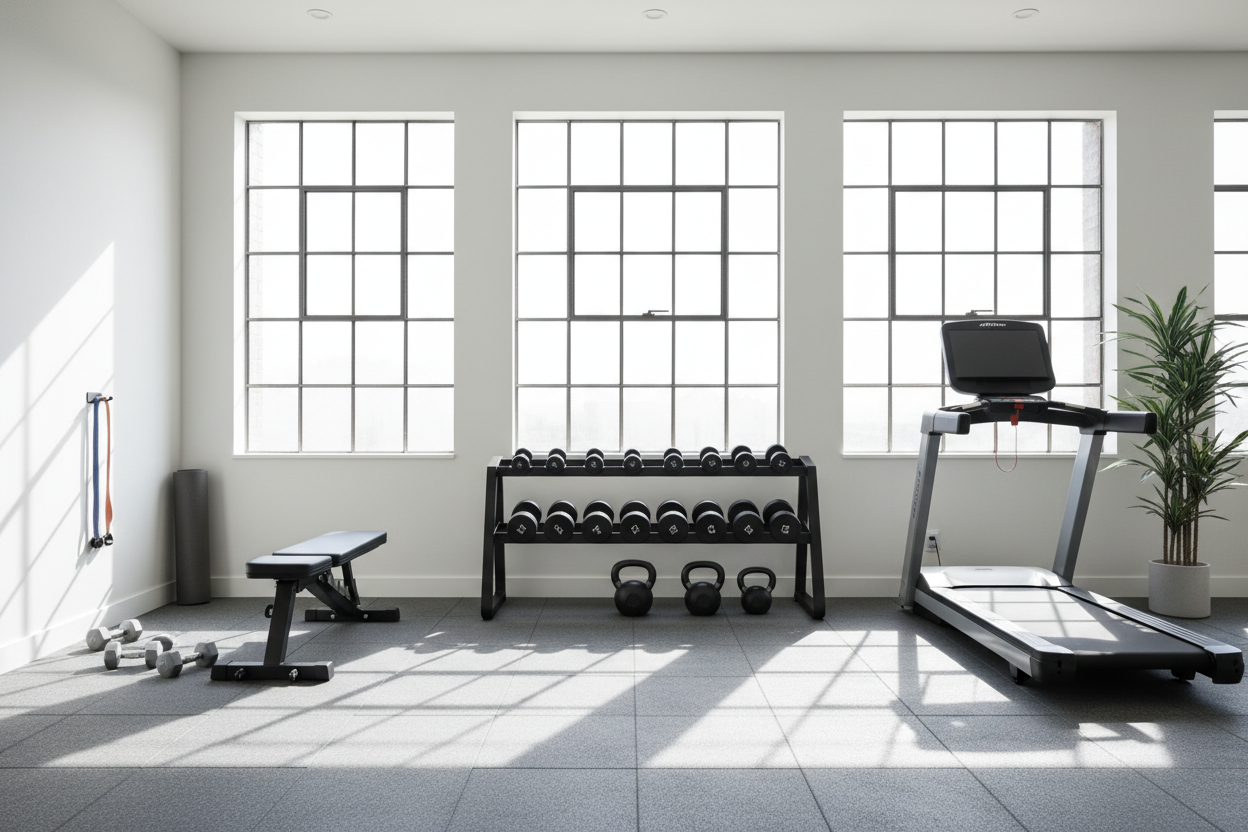
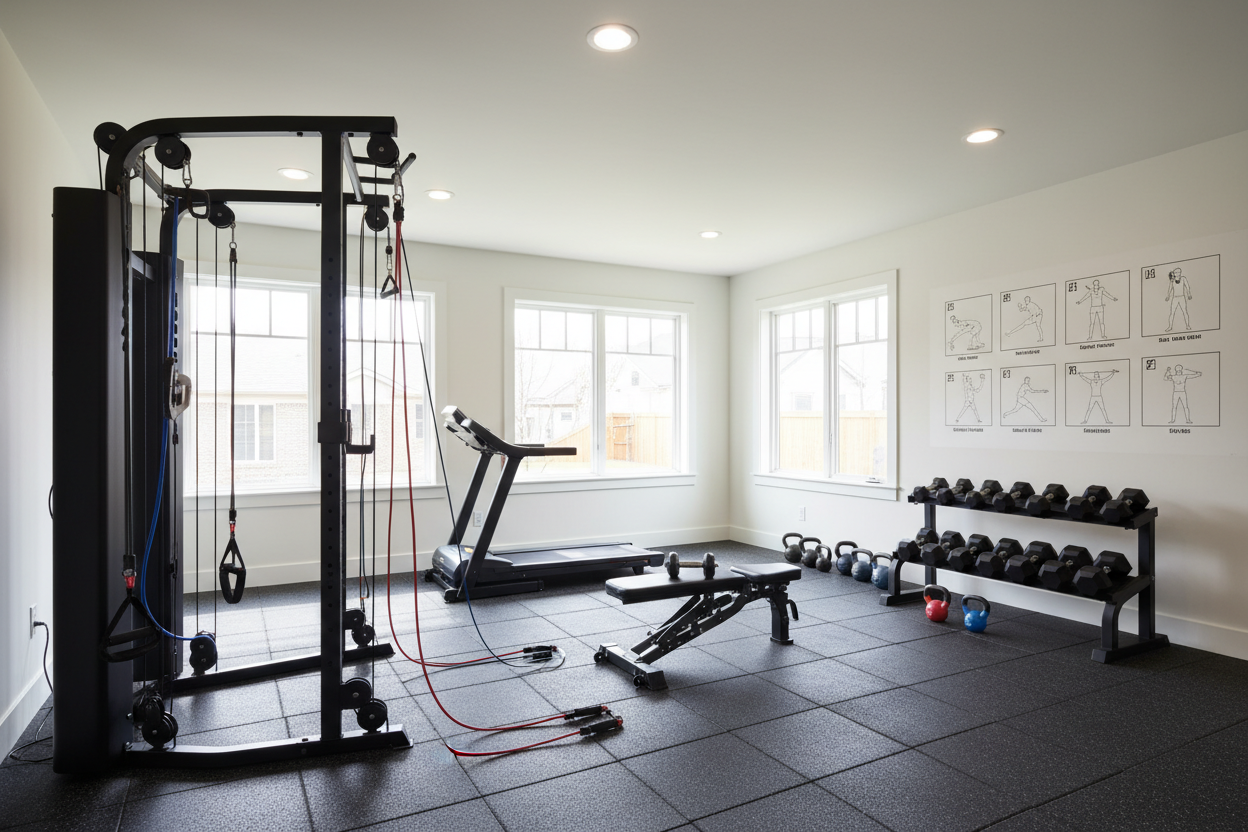
Do not try to run a Bulgarian Olympic program in a spare bedroom with a pair of 20-pounders. You need to audit your strength and weight training equipment before you pick a path. If your gear doesn't match the program's requirements, you will end up making poor substitutions that kill your motivation.
At the very least, you need an adjustable weight bench to open up your exercise selection. Without a solid bench, you are stuck with floor presses, which have a limited range of motion and won't build the same chest and shoulder stability as a full bench press.
Three Red Flags of a Terrible Novice Routine
Watch out for weight lifting workouts beginners usually get suckered into that feature 15 different exercises a day. If you are doing four types of lateral raises but cannot squat your body weight, the program is a distraction. Excessive volume just leads to 'junk volume' that you can't recover from.
Red flags include: no mention of rest days, 'muscle confusion' marketing, and zero instructions on how to handle a missed lift. A good program should have a plan for when you fail a rep—because you will fail eventually, and you need to know how to reset.
The 12-Week Rule: Commit or Quit
Give it 12 weeks. No changes, no 'adding a little extra arm work,' just the program as written. This is the only way to know if a routine actually works for your body. If you can't stick to a basic plan for three months, a more complex one won't help you.
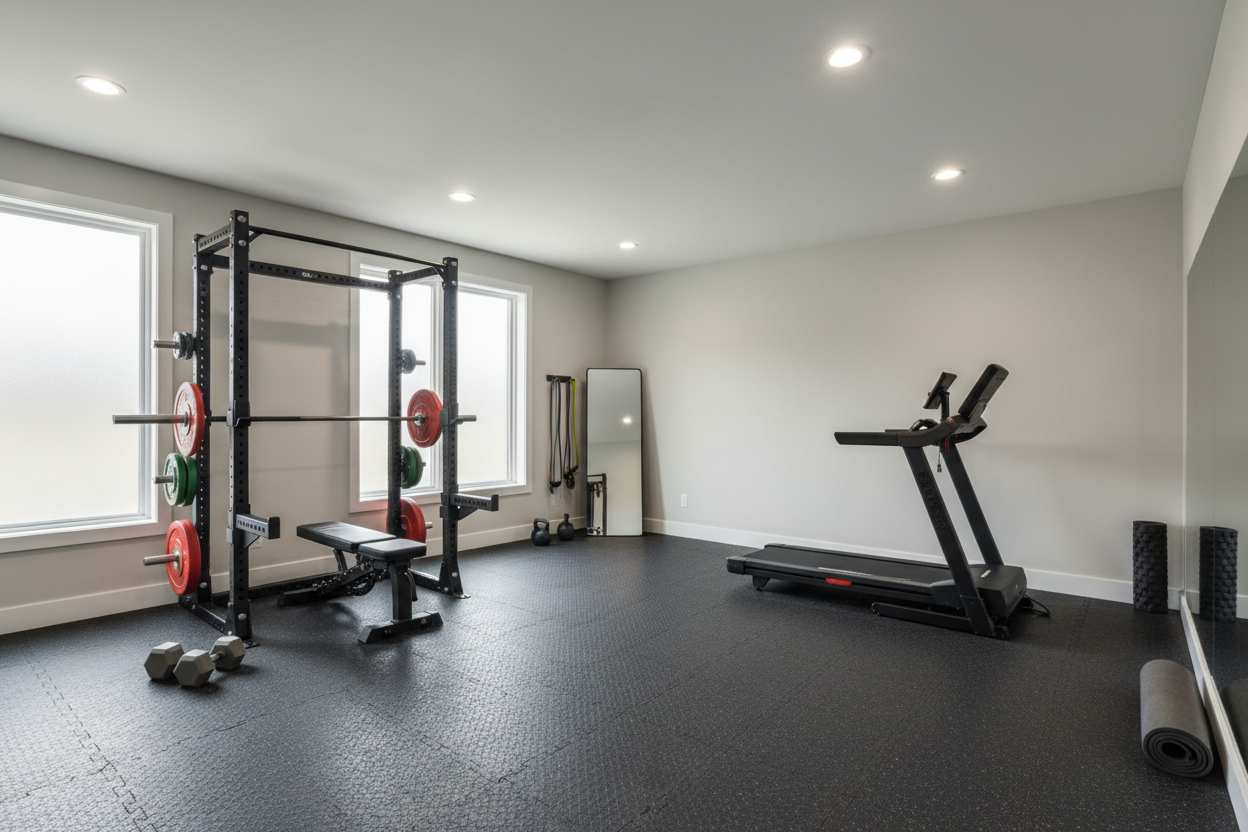
If you prove you can stick to a novice routine for those 12 weeks, then you have earned the right to invest in a serious setup. That is when you look at something like a power rack weight bench package to turn your garage into a legitimate strength sanctuary.
My Biggest Mistake
I once tried to run a high-volume bodybuilding split while also training for a half-marathon. I lasted exactly two weeks before my knees felt like they were filled with crushed glass. I learned that 'more' is rarely 'better' for a beginner. Stick to the basics until the basics stop working—which usually takes much longer than you think.
FAQ
How many days a week should a beginner lift?
Three days a week on an alternating full-body split is the gold standard. It gives you 48 hours of recovery between sessions, which is where the actual muscle growth happens.
What if I don't have a barbell?
You can still get strong with dumbbells or kettlebells, but you will eventually hit a ceiling on lower-body movements. Use what you have, but prioritize gear that allows for incremental weight jumps.
How do I know when to add weight?
If the program says '3 sets of 8 to 10,' and you hit 10 reps on all three sets with good form, add 5 pounds next time. It is that simple. Don't overcomplicate the math.