Stop Overpaying for Basic Equipment for Weight Lifting
I remember the first time I tried to build a home gym on a shoestring budget. I scrolled through Amazon at 2 AM, convinced that a $150 'full gym' bundle was a steal. When it arrived, the equipment for weight lifting was so light the delivery driver carried the whole rack in one hand. It shook when I breathed on it, and the 'weights' were sand-filled plastic shells that leaked on my carpet within a week.
You don't need to spend ten grand to get a pro-level setup, but you do need to stop buying garbage. If you're serious about getting strong, you need gear that can handle a missed rep without collapsing like a lawn chair. I've spent a decade testing everything from $5,000 power racks to Craigslist cast-offs, and I’ve learned exactly where you can cut corners and where you absolutely cannot.
Quick Takeaways
- Prioritize 11-gauge steel for any rack or bench; 14-gauge is for clothes hangers.
- Avoid 1-inch 'standard' bars; they bend under moderate loads and have zero resale value.
- Your barbell is your most important investment—don't buy the cheapest one on the shelf.
- Stability beats features every single time. A rock-solid flat bench is better than a wobbly adjustable one.
Why Most 'Starter Kits' Are Complete Garbage
Those big-box store bundles are designed for people who plan to quit in three weeks. They use thin, hollow-tube weight equipments that are usually held together by tiny M8 bolts. If a rack weighs less than you do, it isn't safe for heavy squats. These kits often include 1-inch diameter bars that can barely hold 200 pounds before they start to resemble a noodle.
Safety is the real issue here. When you're dealing with exercise equipment and weights, the structural integrity of the steel matters. Cheap gym equipment weight lifting sets often use 'standard' plates that won't fit on any high-quality Olympic bar you buy later. You’ll outgrow a 100-lb plastic set in a month, and then you’re stuck with a pile of trash no one wants to buy from you.
The Core Essentials: Where Your Money Actually Belongs
Budgeting for your gym is about math, not emotion. You should spend 60% of your initial budget on the barbell and the rack. These are your 'buy once, cry once' items. Before you choosing the best strength and weight training equipment for your goals, decide if you're chasing a 500-lb deadlift or just looking for general health. This dictates how much you need to invest in high-tensile steel.
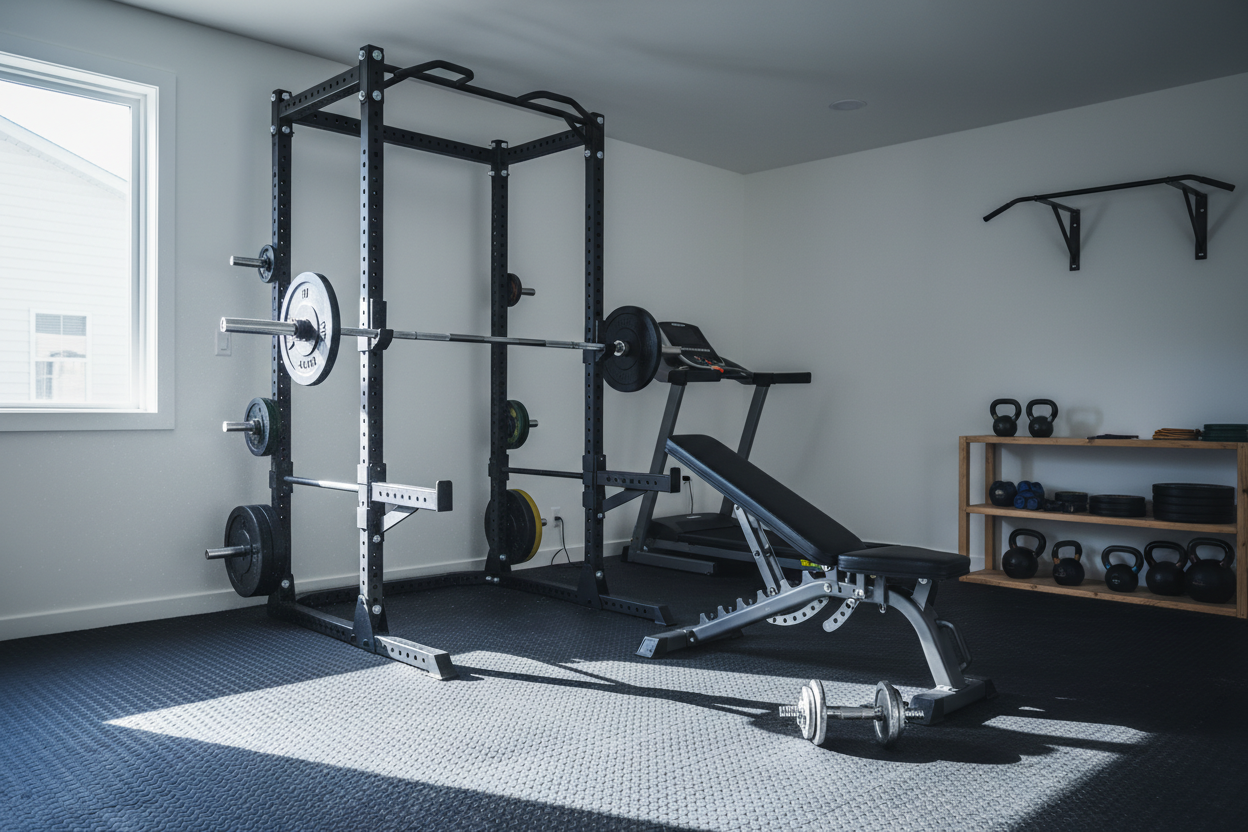
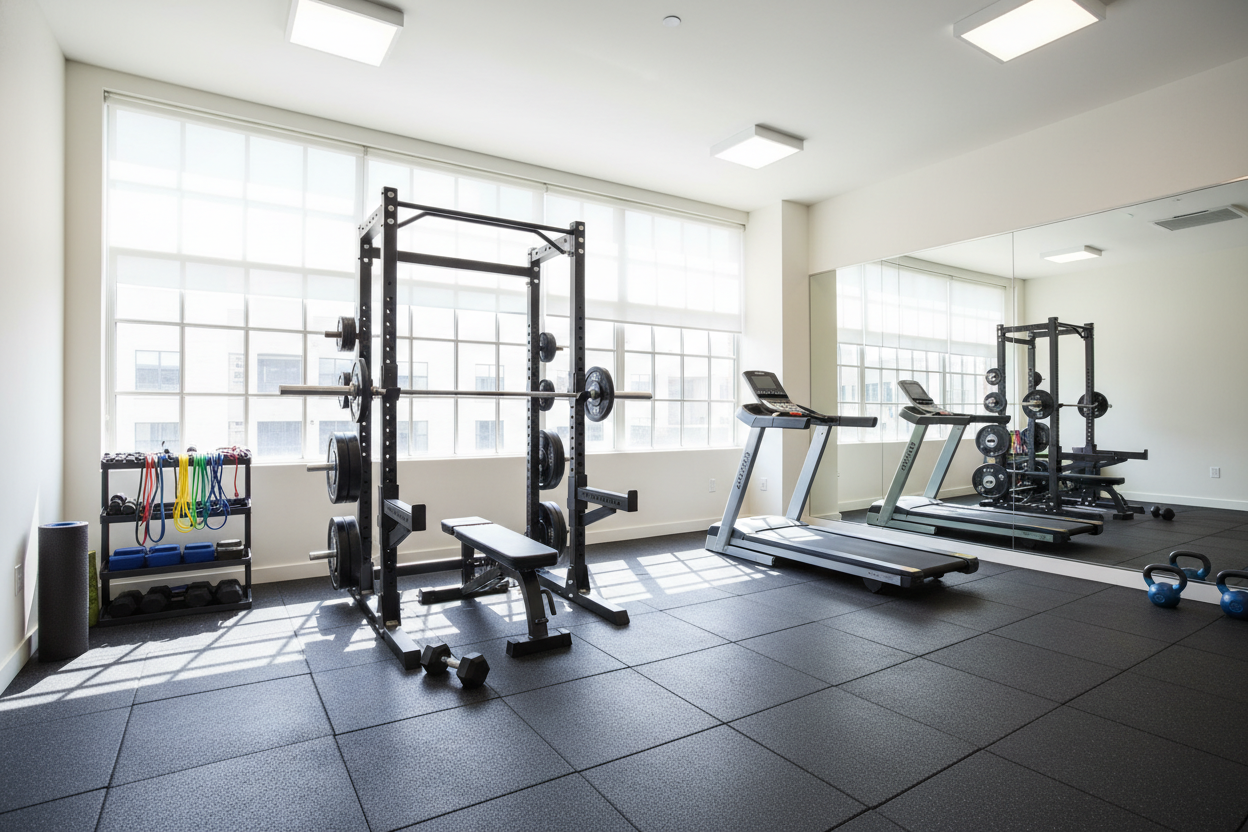
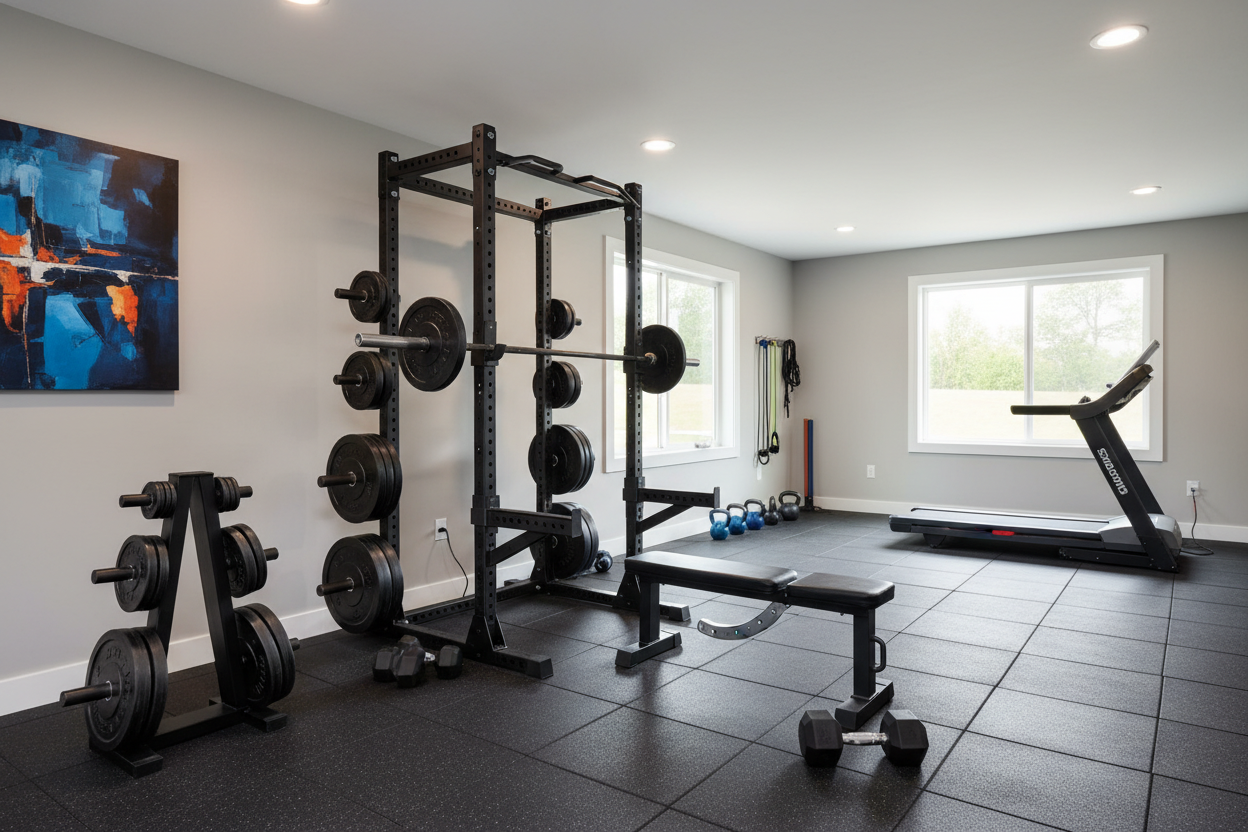
When you purchase weight lifting equipment, think about the total footprint. A solid rack and a quality set of plates are the foundation. Everything else—the dumbbells, the bands, the fancy machines—is just the icing on the cake. If the foundation is weak, the rest of the gym is useless.
Racks That Won't Fold Under Pressure
Look for 11-gauge steel. For the uninitiated, the lower the gauge, the thicker the steel. Most commercial gym equipment with weights is built with 11-gauge 3x3 inch tubing. It’s heavy, it’s stable, and it won't move when you rack a heavy bar. If you see a rack made of 14-gauge steel, walk away. It might be fine for pull-ups, but it’ll feel like a wet noodle when you’re trying to set a PR.
Check the hole spacing too. Westside spacing (1-inch gaps through the bench zone) is a lifter's best friend. It allows you to set your safety pins at the perfect height so you don't get pinned during a failed bench press. Cheap weight exercise equipment usually has 3-inch spacing, which is always either too high or too low.
Finding a Bench That Doesn't Wobble
A bad bench is a recipe for a shoulder injury. You need a wide footprint and high-density foam that doesn't bottom out when you're holding heavy dumbbells. Many people start with a basic weight set and bench combo, but make sure the bench has at least a 600-lb weight capacity. That includes your body weight plus the iron you're holding.
If you need versatility, the Gxmmat adjustable weight bench is a solid example of a unit that provides the stability of a flat bench with the utility of an incline. Look for benches with a tripod design or a very wide rear base. If the bench tips when you sit on the edge to grab your weights, it's a safety hazard, not a piece of weight lifting exercise equipment.
Are Selectorized Cables Worth the Floor Space?
Cables are great for hypertrophy, but they are expensive. Adding weight lifting machines to a home setup is a luxury. Most people are better off with weights and workout equipment that use plates rather than expensive selectorized stacks. A plate-loaded lat pulldown will save you $500 over a weight-stack version and do the exact same thing for your lats.
Functional trainers are the exception if you have the cash. They offer a huge variety of movements in a small footprint. However, if you're choosing between a high-end rack or a mid-grade functional trainer, buy the rack. You can do almost anything with workout equipment with weights that are free-moving; you can't say the same for a fixed-path machine.
Don't Ignore the Free Stuff (Your Own Body)
Even the most expensive gym weights and equipment won't save you if your joints are trashed. You need to build true strength with exercise equipment that uses your body weight alongside your iron. Suspension trainers and pull-up bars are non-negotiable for shoulder health and core stability.
I always tell people to leave $100 in the budget for a set of gymnastic rings. Hanging them from your power rack gives you a world-class chest and back workout for the price of a few pizzas. It rounds out the heavy lifting and keeps you moving like an athlete, not a statue.
My Personal Gear Disaster
Years ago, I bought a 'bargain' power rack off a guy on Craigslist. It looked okay in the photos, but the first time I tried to squat 315 lbs, the whole thing swayed three inches to the left when I walked the bar out. I spent the entire set terrified the bolts would shear off. I ended up selling it for half what I paid and buying a real 11-gauge rack a week later. I wasted time, money, and a whole lot of nerves. Don't be me. Buy the right steel the first time.
FAQ
What is the best steel gauge for a home rack?
11-gauge is the gold standard for durability and safety. 12-gauge is acceptable for lighter lifters, but avoid 14-gauge if you plan on lifting heavy.
Should I buy iron or rubber-coated plates?
Iron plates are cheaper and take up less space on the bar. Rubber-coated (or bumper) plates are better if you're lifting on a garage floor and want to keep the noise down and the concrete intact.
How much space do I need for a weight lifting setup?
A standard Olympic bar is 7 feet long. You need at least an 8x8 foot area to safely move around the bar and load plates without hitting the walls.