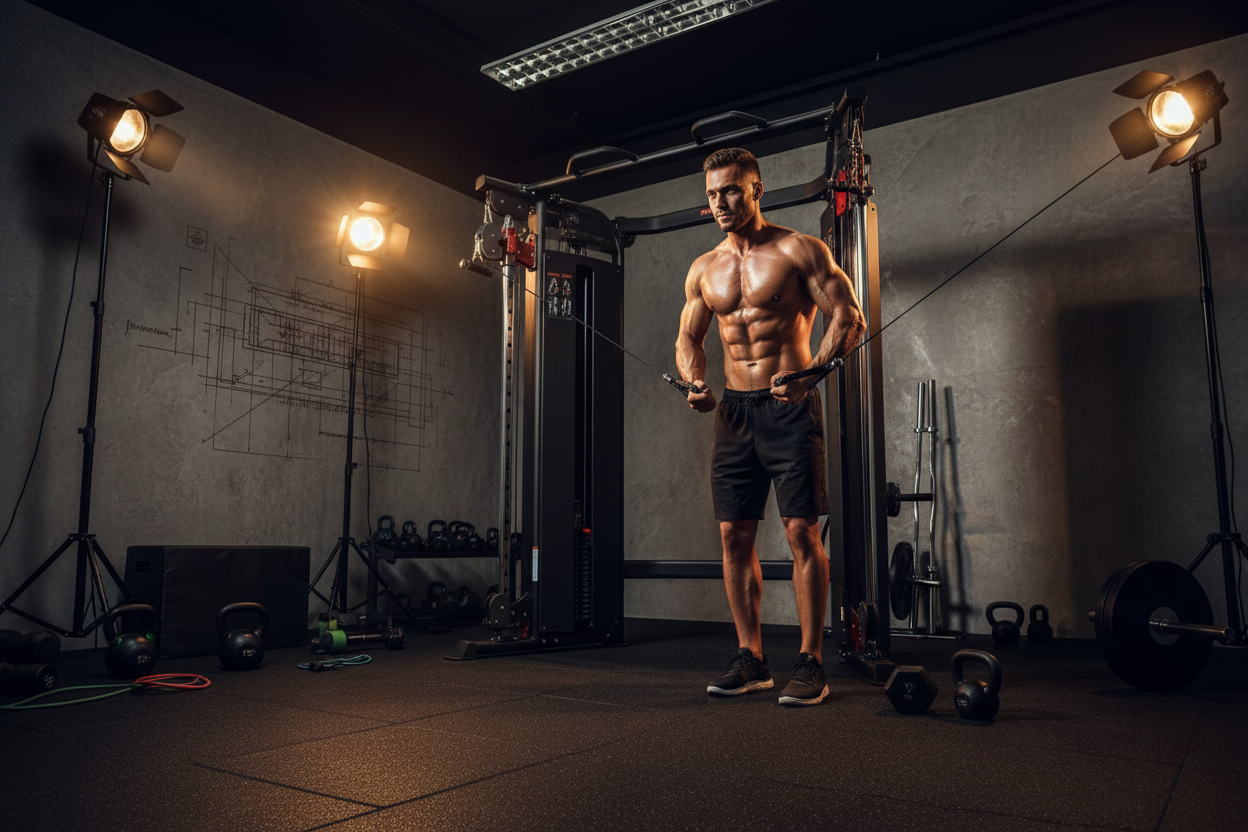
Stop Neglecting the Posterior: How to Exercise Back of Thighs Correctly
Walk into any commercial gym, and you will see plenty of people crushing leg extensions and squats. We love working what we can see in the mirror. But if you want complete leg development, injury prevention, and athletic power, you need to figure out how to exercise back of thighs effectively. Neglecting the posterior chain (your hamstrings and glutes) is the most common mistake I see in lower body training.
The back of the thigh is stubborn. It doesn't pump up as easily as the quads, and training it properly is often uncomfortable. However, mastering this area is the difference between having "legs" and having a complete, powerful physique. Let's break down the mechanics, the movements, and the balance required for total thigh definition.
Quick Summary: Targeting the Posterior Chain
- Focus on Hip Hinging: Movements like Romanian Deadlifts are superior for upper hamstring development.
- Don't Skip Knee Flexion: You must curl (bend the knee against resistance) to target the lower hamstrings.
- Control the Eccentric: The back of the thigh responds best to slow lengthening phases.
- Balance is Key: Pair these with anterior thigh exercises to prevent posture issues and knee injuries.
- Volume Matters: The hamstrings are fast-twitch dominant; keep reps moderate but intensity high.
Understanding the Anatomy: More Than Just "Leg Curls"
To effectively train the back of the thigh, you have to understand what it actually does. The hamstring group crosses two joints: the hip and the knee. This means a seated leg curl machine alone won't cut it.
You need a two-pronged approach:
- Hip Extension: Moving your leg backward (think deadlifts or kickbacks).
- Knee Flexion: Bending your knee (think curls).
If you only do one, you are leaving 50% of your gains on the table. While looking for the best leg toners, many trainees accidentally focus solely on squats, which are primarily workouts for front of thighs. You have to be intentional about switching focus to the back.
The Heavy Hitters: Hip Hinge Movements
The most effective way to build mass and density on the back of the legs is through the hip hinge. This puts the hamstrings under a massive stretch under load.
The Romanian Deadlift (RDL)
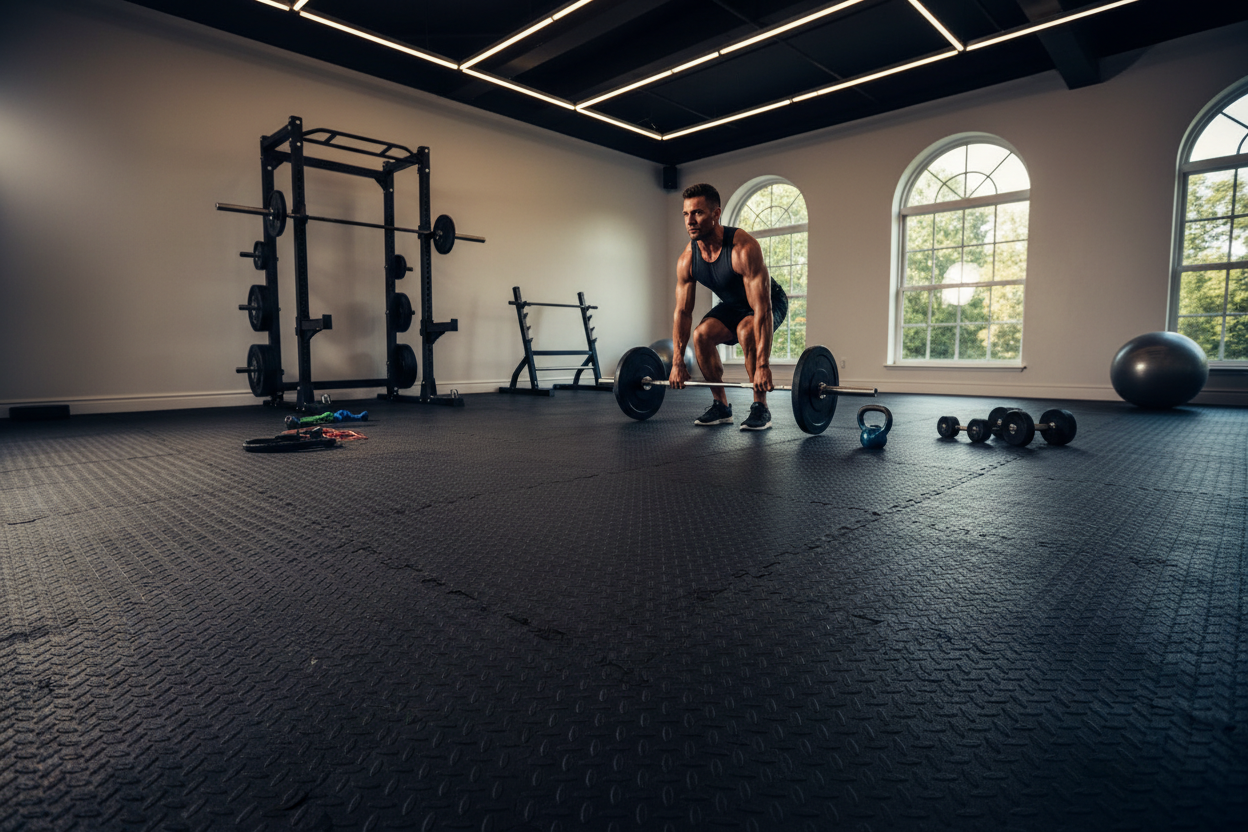
This is the king of thigh definition exercises. Unlike a standard deadlift, the RDL starts from the top. You push your hips back as far as possible while keeping a slight bend in the knee. The goal isn't to touch the floor; the goal is to feel a deep, painful stretch in the belly of the hamstring. If your lower back rounds, you've gone too low.
The Isolators: Knee Flexion
While the RDL handles the top, you need flexion for the bottom of the muscle group. This is crucial for knee stability.
Seated vs. Lying Leg Curls
Here is a nuance many miss: The seated leg curl is generally superior for muscle growth (hypertrophy) because flexing the hip (sitting up) puts the hamstring in a more stretched position to start. However, lying curls are excellent for a full contraction. Rotate them every training cycle.
Balancing the Leg: Anterior vs. Posterior
You cannot discuss the back of the legs without mentioning the front. Structural balance is vital. If your exercises for top of legs (quadriceps) are significantly stronger than your hamstring lifts, you run a high risk of ACL injuries.
A good rule of thumb is a 1:1 ratio of pulling to pushing. for every set of squats (front leg muscles exercises), ensure you are doing a set of RDLs or curls. This balance is what creates that coveted separation between the quad and the hamstring when viewed from the side.
My Training Log: Real Talk
I want to share a humbling moment from my own training that changed how I view posterior training. A few years ago, I thought my legs were strong because my squat was heavy. Then, I tried a Nordic Hamstring Curl for the first time.
I set up, hooked my heels, and confidently leaned forward. I made it about three inches before my hamstrings seized up like a tightened guitar string. I didn't just fail; I face-planted into the mat. There was this specific, cramping burn right behind the knee—not up near the glute where I usually felt deadlifts—that lingered for two days. It was a wake-up call. I realized I had strong hips but weak knee flexion. That wobble I felt when running at max speed? That was my hamstrings failing to stabilize my knee. Since adding Nordics and slow-eccentric curls, that instability is gone, but I still dread that specific cramping feeling every leg day.
Conclusion
Learning how to exercise back of thighs is about respecting the anatomy. It requires a mix of heavy stretching movements like RDLs and isolated flexion like curls. Don't let the anterior thigh exercises dominate your routine. Balance your training, embrace the discomfort of the hamstring stretch, and the definition will follow.
Frequently Asked Questions
Can I exercise the back of my thighs at home without machines?
Yes. While machines help, you can perform Single-Leg Romanian Deadlifts using dumbbells or even a water jug. For knee flexion, the Nordic Hamstring Curl (hooking your feet under a couch) is one of the most difficult and effective bodyweight exercises available.
Why do my hamstrings cramp so easily during exercise?
Hamstrings often cramp due to "active insufficiency." This happens when the muscle is shortened at both the hip and the knee simultaneously. It usually indicates that the muscle is weak in that shortened position. Consistent training and hydration will reduce this over time.
How often should I train the back of my thighs?
For most people, training hamstrings twice a week is optimal. Because they are largely fast-twitch fibers, they can handle high intensity but require adequate recovery. A heavy session early in the week and a lighter, volume-focused session later is a great strategy.