Stop Mistaking Frantic Jumping for a Real Female HIIT Workout
I spent twenty minutes yesterday scrolling through social media, watching so-called fitness influencers perform 45 minutes of non-stop tuck jumps and burpees. My knees hurt just watching the screen. If you are looking for a real female hiit workout, you need to stop equating sheer exhaustion with actual intensity. Most of what is marketed as high intensity interval training workouts for women is actually just high-volume plyometrics that lead straight to a physical therapist's office.
Quick Takeaways
- True HIIT requires a 1:3 or 1:4 work-to-rest ratio to allow for max power output.
- If you can talk during your 'rest' period, you are not working hard enough.
- Floor traction is the most underrated factor in home gym safety.
- Ditch the resistance bands; real intensity requires external load like dumbbells or kettlebells.
The Big Lie About Women's High-Intensity Training
The biggest myth in the industry is that a high intensity workout for women should be a non-stop sweat-fest. When you see a circuit with zero rest, that is not HIIT—it is metabolic conditioning. True high intensity training for women is anaerobic. It means pushing your heart rate to 90% of its max for 20 to 30 seconds, then resting long enough for your heart rate to drop so you can do it again with the same ferocity.
When you skip the rest, your power output drops. By the third round of a rest-free high intensity workout women usually find themselves moving in slow motion. You are no longer building power or boosting your metabolism; you are just practicing how to move poorly while tired. To see real results, you have to be willing to stand still and breathe between sets.
Why Your Floor Is Ruining Your Intervals
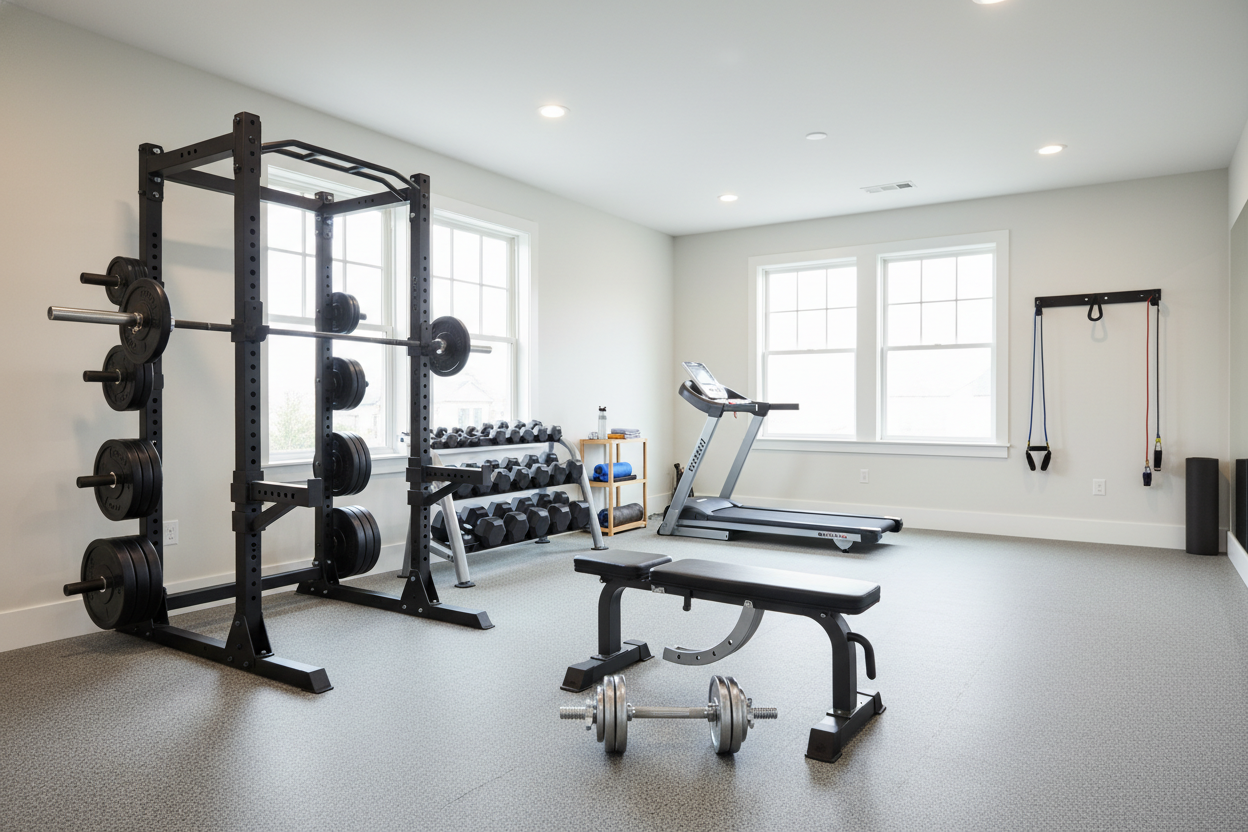
You cannot hit max effort if you are subconsciously afraid of sliding into your coffee table. I have tried doing a hiit workout at home for women on those cheap, interlocking foam tiles, and it was a disaster. They pull apart during lateral lunges, and they offer zero shock absorption for your joints. You need a dedicated Large Exercise Mat For Home Gym that stays anchored to the floor.
I personally recommend a 6X8Ft Exercise Mat Yoga Mat Gym Flooring For Home Workout because it provides enough real estate for explosive movements. Whether you are doing broad jumps or sprawls, you need to know your feet won't slip when you land. A dense mat also protects your subfloor from the impact of heavy dumbbells, which is a necessity when you move past bodyweight exercises.
A Blueprint for True Max Effort
The best hiit exercises for women involve moving heavy weight quickly. Think kettlebell swings, dumbbell snatches, or medicine ball slams. These moves require total body integration and explosive force. A solid hiit routine for women should focus on 5 to 8 rounds of 20 seconds of 'all-out' work followed by 60 to 80 seconds of total rest.
If you are doing hiit exercise women can actually sustain without injury, you should feel like you need to sit down after the fourth round. If you feel like you could go for another hour, you are just doing moderate-intensity steady-state cardio. Intensity is a measurement of power, not duration. Keep the sessions under 20 minutes and make every second of the work interval count.
How to Program This Without Wrecking Your Lifting Days
One common mistake is trying to stack a hiit workout routine for women on top of an already crowded lifting schedule. High-intensity intervals tax your central nervous system (CNS) just as much as a heavy deadlift session. You need to space these out. If you have a dedicated day for an Effective Chest Workout At Home For Women, do not follow it up with 20 minutes of high-intensity sprints immediately after.
I usually schedule my hiit programs for women on Tuesdays and Thursdays, leaving Monday, Wednesday, and Friday for pure strength work. This prevents the 'interference effect' where your body gets confused about whether it is trying to build strength or aerobic capacity. Ladies hiit workout sessions should be the 'icing' on your fitness cake, not the whole meal.
Ditch the Cheap Bands: Gear That Survives Sprints
I am tired of seeing flimsy 'booty bands' marketed as the primary tool for high intensity training women. They snap, they roll up your thighs, and they provide about as much resistance as a rubber band from a bunch of broccoli. To get the best high intensity workouts for women, you need iron. Dumbbells and kettlebells allow for the progressive overload that actually changes body composition.
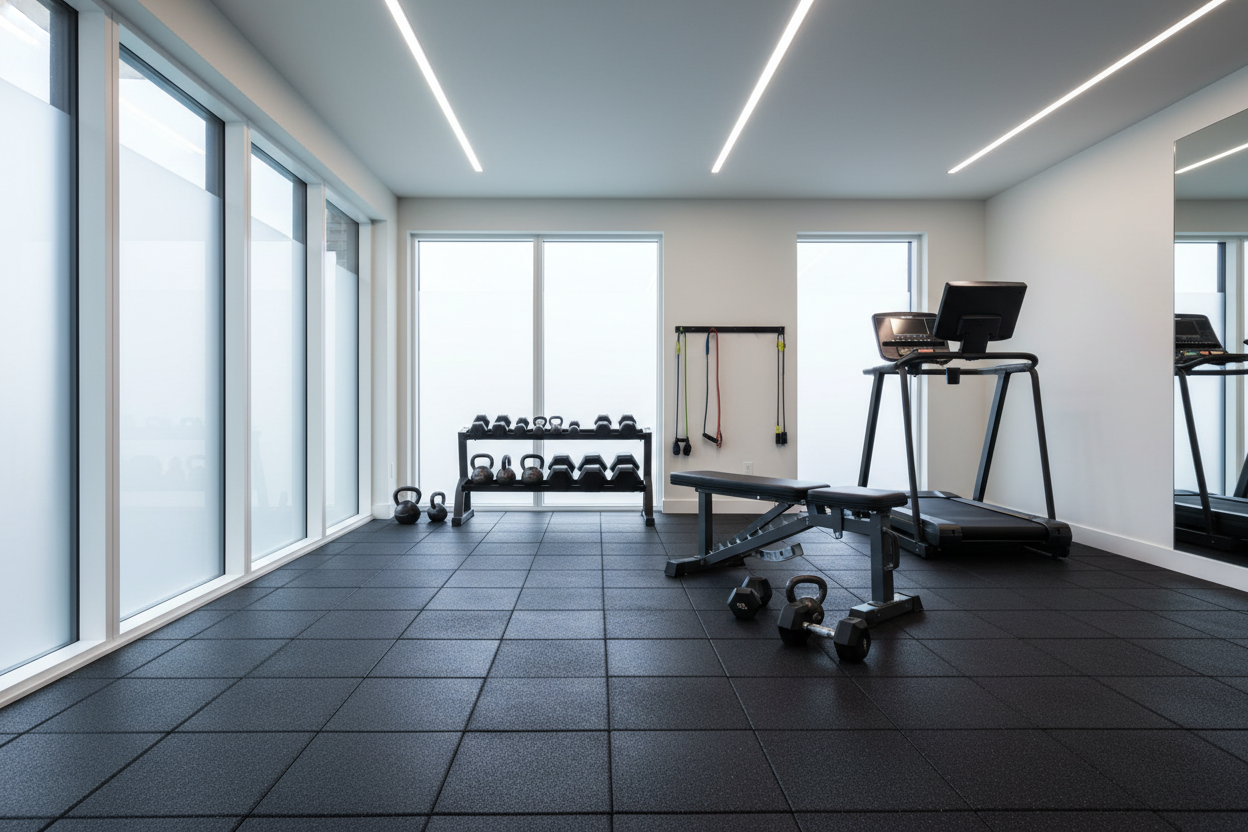
You also need a stable surface that can handle the weight. If you are working in a tight space, a 6X4Ft Yoga Mat Exercise Mat Gym Flooring For Home Workout is the perfect compromise. It is thick enough to dampen the sound of a dropped 25-lb hex dumbbell and provides the grip necessary for mountain climbers or skaters. Don't let cheap gear be the reason you hold back on your intensity.
My Personal Experience
A few years ago, I fell for the 'more is better' trap. I was doing a 45-minute 'HIIT' class every single morning. Within three weeks, my resting heart rate was up, I was snapping at my family, and my knees felt like they were full of gravel. I realized I wasn't doing HIIT; I was doing high-impact cardio. I cut my sessions down to 15 minutes, increased the weight on my kettlebell swings, and actually started resting. The result? My power output shot up, and my joint pain vanished in a week. Lesson learned: intensity and duration are inversely proportional.
Frequently Asked Questions
How many times a week should I do HIIT?
Two to three times is the sweet spot. Any more than that and you likely aren't recovering well enough to hit the necessary intensity in your next session.
Do I need shoes for a home HIIT workout?
If you have a high-quality, dense mat, you can go barefoot to build foot and ankle strength. However, for high-impact jumping, a cross-trainer shoe provides better lateral support.
Can beginners do high intensity training?
Yes, but the 'high' in high intensity is relative to your own fitness level. A beginner's max effort will look different than an athlete's, but the physiological benefits remain the same.