Stop Looking for a Magic Gaining Weight Exercise
I remember my first year training in a drafty garage, 155 pounds soaking wet, scrolling through forums at 2 AM. I was convinced there was one secret gaining weight exercise I just hadn't discovered yet. I thought if I found that perfect movement, the scale would finally move. I was wrong. I spent hundreds on supplements and weird cable attachments before I realized that mass isn't something you find in a specific movement—it's something you force your body to build through systemic stress and a massive amount of food.
- Mass is a byproduct of heavy compound lifts and a caloric surplus, not isolation moves.
- Free weights beat machines for hormonal response and total muscle recruitment.
- Cardio isn't the enemy; use it to spike your appetite, not to burn fat.
- A power rack is your best friend for safely pushing the heavy sets that trigger growth.
The Hardgainer's Trap: Why You're Still Skinny
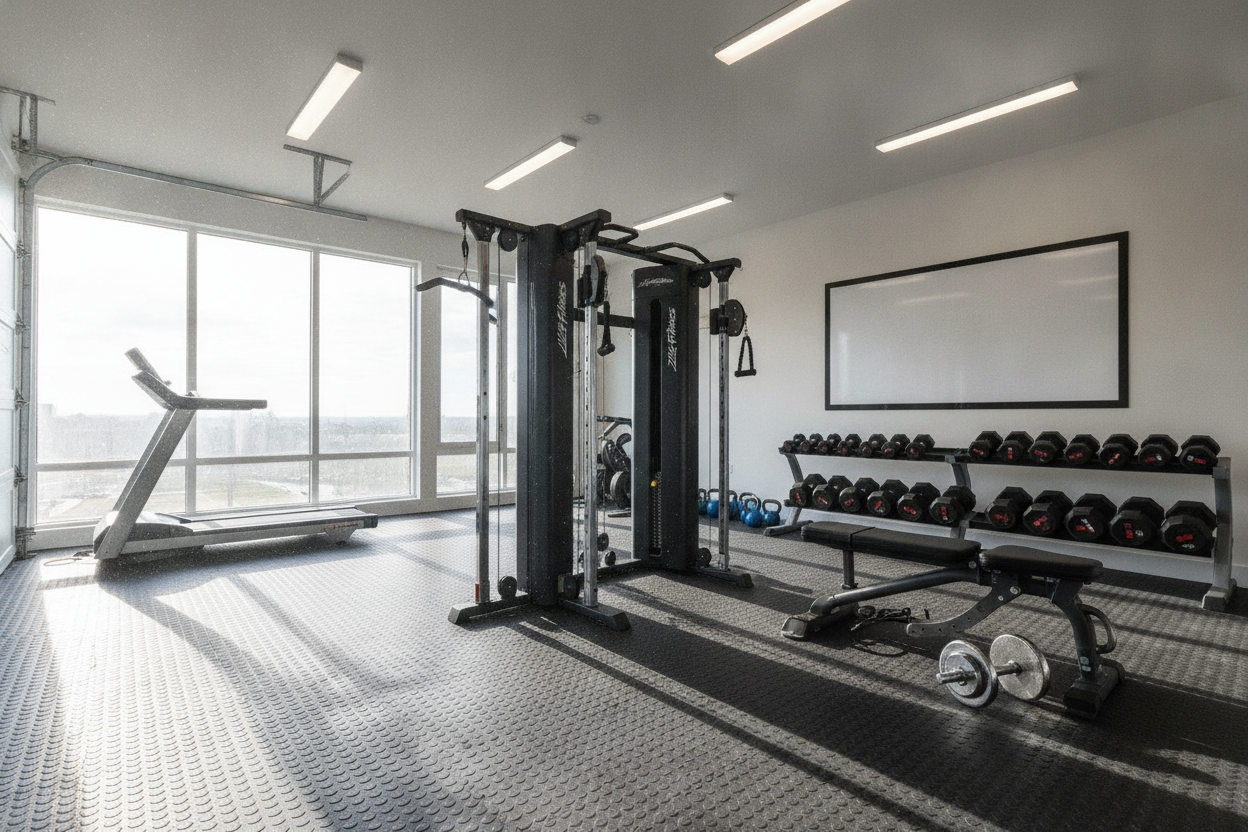
The biggest mistake I see guys make is walking into a commercial gym and immediately heading for the weight lifting machines. It’s comfortable. You sit down, push a lever, and feel a little burn. But if you're looking for a weight gain exercise in gym settings that actually works, you have to stop isolating and start integrating. Machines remove the stability requirements that force your nervous system to wake up. When you're a hardgainer, you need every muscle fiber firing just to tell your body that staying small is no longer an option.
I spent months doing pec deck flies and leg extensions thinking I was 'sculpting.' You can't sculpt a pebble. You need to build the boulder first. Bouncing between machines might give you a temporary pump, but it won't create the structural demand required to pack on 20 pounds of lean tissue. You need the raw, unstable nature of a barbell to create the 'emergency' state your body needs to grow.
What Exercise Makes You Gain Weight? (The Ugly Truth)
Let’s settle this once and for all: what exercise makes you gain weight? Technically, none of them. If you burn 500 calories lifting and only eat 400, you’re losing weight, even if you’re squatting 500 pounds. However, when people ask can working out help you gain weight, the answer is a loud 'yes'—provided you understand the mechanics of weight gain fitness. High-intensity resistance training acts as the signal that tells those extra calories where to go. Without the heavy lifting, those extra steaks just become a bigger waistline.
The goal isn't just to get 'heavy.' It’s to get dense. When you focus on the right movements, you create mechanical tension and metabolic stress. This combination is the holy grail of hypertrophy. You aren't just looking for a 'workout'; you're looking for a stimulus that demands a bigger, stronger version of you to exist. If you aren't shaking after a set, you probably aren't signaling your body to grow.
The Only Movements That Actually Matter
If you want to get big, you have to get comfortable being uncomfortable. This means focusing on the big four: Squats, Deadlifts, Bench Press, and Overhead Press. These aren't just exercises; they are full-body events. They load your axial skeleton, which is fancy talk for 'putting a lot of weight on your spine and hips.' This loading is what triggers the hormonal response—testosterone and growth hormone—that makes your whole body grow, not just the muscle you're working.
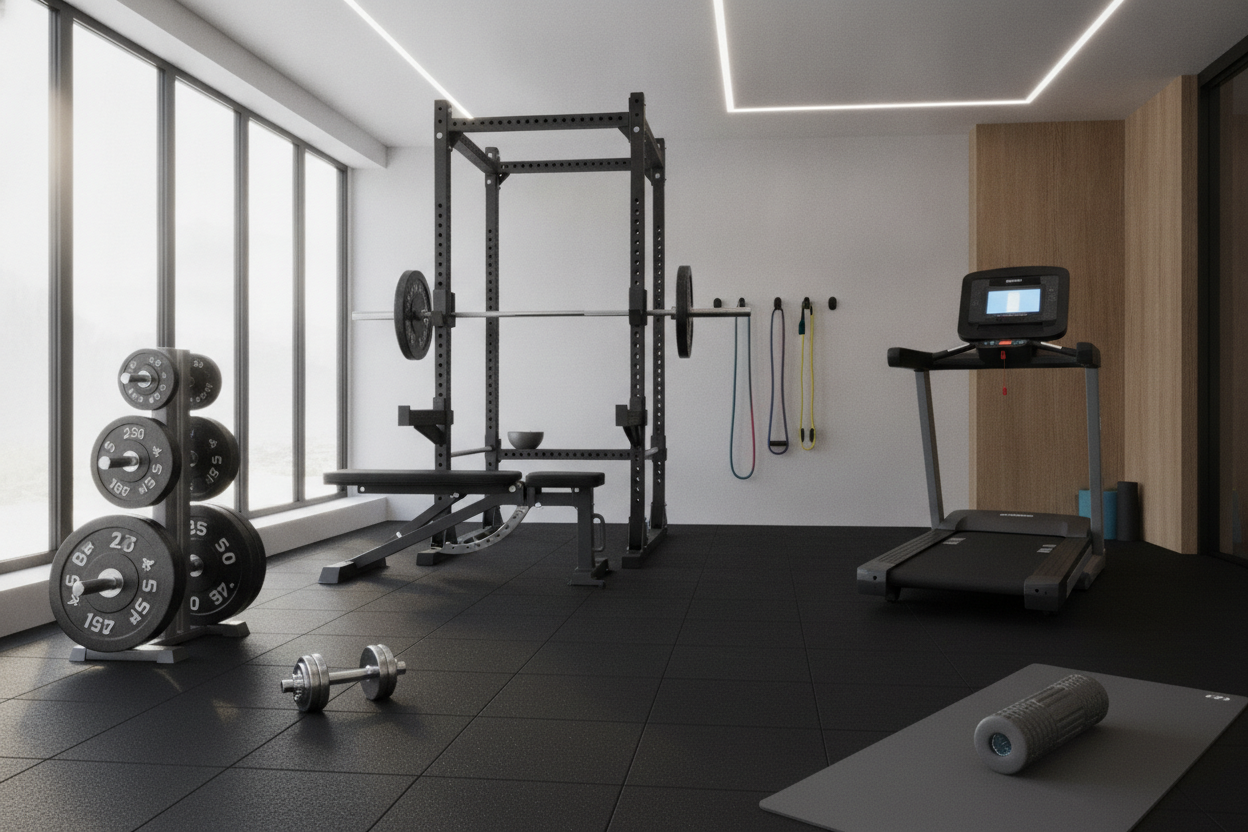
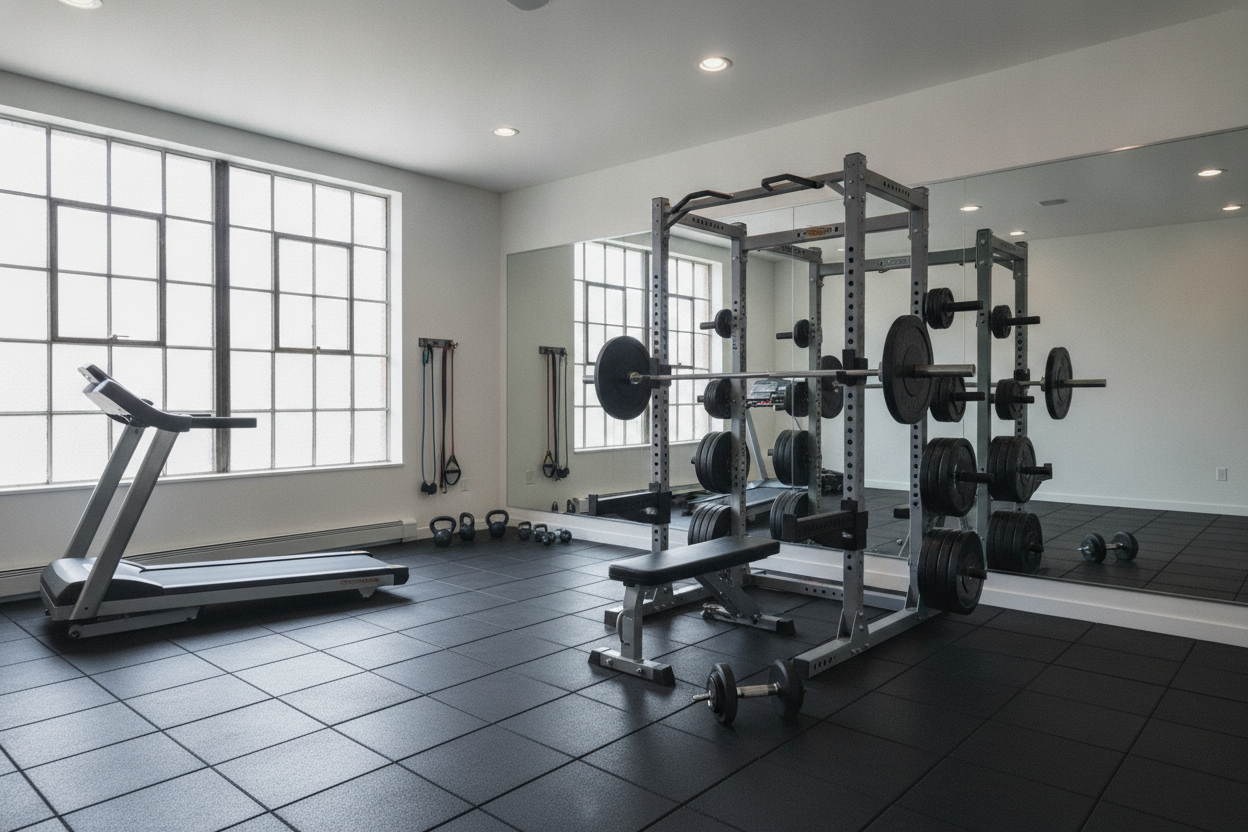
When I moved my training into my own space, I realized that to safely push these compound lifts to failure at home, investing in a solid Gxmmat X6 Power Rack Weight Bench Package is mandatory. You can't go to failure on a 300-pound squat without safeties. The X6 gives you that 11-gauge steel confidence so you can actually grind out that last rep, which is where the growth actually happens. If you're afraid of the weight, you'll never lift enough to change your scale weight.
Squats and Deadlifts: Building the Foundation
Your legs and back are your biggest muscle groups. If you want to gain weight, you cannot ignore them. I see people constantly looking for ways to gain weight in legs without exercise, and I’ll tell you right now: it’s a fantasy. If you gain weight in your legs without working them, it's just fat. It won't have the shape, the power, or the metabolic advantage of muscle.
Squats are the king of mass builders. They force your entire body to support a load, which is why your heart rate skyrockets even though you're 'just' moving your legs. Deadlifts are the same. They build that thick 'look' in the upper back and traps that screams strength. If you aren't doing these two, you aren't serious about gaining mass.
Heavy Presses and Rows: Upper Body Armor
To fill out a t-shirt, you need a thick chest and a wide back. This comes from horizontal and vertical pushing and pulling. Bench press is the obvious choice, but don't sleep on the overhead press. Pushing heavy weight over your head is one of the most underrated ways to build a massive frame. It forces your core and shoulders to stabilize in a way that no machine can replicate.
For rows and incline work, you need a stable base. I recommend a Gxmmat Adjustable Weight Bench because it doesn't wobble when you're pulling 100-pound dumbbells. There is nothing that kills a set faster than a bench that feels like it’s going to tip over. A solid bench allows you to focus 100% of your effort on the muscle contraction rather than trying not to fall off.
Does Weight Gain Cardio Exercise Actually Exist?
Most people think cardio is the enemy of gains. They think if they run a mile, their muscles will evaporate. That's nonsense. While there isn't a weight gain cardio exercise that builds muscle directly, short bursts of high-intensity conditioning can actually help you eat more. As a hardgainer, your biggest hurdle is often your appetite. I’ve found that 15 minutes of hill sprints or a heavy sled push makes me far hungrier than sitting on the couch all day.
The trick is to keep it brief. You aren't training for a marathon. You're doing just enough to improve your cardiovascular efficiency—which helps you recover between sets of heavy squats—and to keep your metabolism humming so you can process the 3,000+ calories you need to be eating. Think of cardio as the support crew for your heavy lifting.
How to Structure Your Gym Workout Gain Weight Plan
You don't need a 6-day 'bro split' where you hit one muscle group a day. For a gym workout gain weight plan that actually delivers, stick to 3 or 4 days a week of heavy full-body or upper/lower splits. This gives your central nervous system time to recover. Remember, you don't grow in the gym; you grow while you're sleeping and eating.
Keep your reps in the 5-8 range for your main lifts. This is the 'power-building' sweet spot where you get both strength and hypertrophy. Rest long enough—2 to 3 minutes—so that you can move the same heavy weight on the next set. If you're rushing your sets, you're doing cardio, not building mass. Focus on progressive overload. If you lifted 200 pounds last week, try for 205 this week. That 5-pound jump is the most important part of the whole plan.
The 'Eat Big, Lift Big' Mandate
The best gaining weight exercise in the world is useless if you're eating like a bird. You have to view food as your primary fuel for growth. I learned the hard way that you can't out-train a lack of calories. You need to be in a surplus, which means eating even when you aren't particularly hungry. Use heavy exercise to weight gain without getting 'soft' by keeping your protein high and your lifts heavy.
At the end of the day, gaining weight is a simple math problem combined with a lot of hard work. Load the bar, eat the steak, and get enough sleep. Stop looking for a shortcut or a magic machine. The iron doesn't lie, and it doesn't take bribes. Put in the work on the big movements, and the scale will eventually have no choice but to move.
FAQ
Can I gain weight just by eating more without exercising?
You'll gain weight, but it will be almost entirely body fat. Without the stimulus of heavy lifting, your body has no reason to build muscle tissue. You'll end up 'skinny-fat'—higher weight, but no improved shape or strength.
How many calories do I need to gain weight?
A good starting point is your body weight in pounds multiplied by 16-18. If you're 150 lbs, aim for 2,400 to 2,700 calories. If the scale doesn't move after two weeks, add another 300 calories.
Is it better to use dumbbells or barbells for weight gain?
Both are great, but barbells allow for easier progressive overload. It's much easier to add 5 pounds to a barbell than it is to find the next set of dumbbells. Start with barbells for your main lifts and use dumbbells for accessory work.