Stop Lifting Like a Bodybuilder — Here's the Right Weight for Sport
I remember the day I realized my 405-pound squat was actually making me a liability on the pickup basketball court. I was strong, sure, but I moved with the agility of a refrigerator. I had spent years chasing the biggest numbers possible, only to find that my vertical jump had tanked and my first step was sluggish. If you are training for a field, a court, or a ring, the total weight for sport you move matters far less than how fast you can move it.
- Strength is a tool, not the end goal for athletes.
- Power-to-weight ratio beats raw mass in almost every sport.
- Moving moderate loads with high velocity builds explosiveness.
- Compound movements should make up 80% of your program.
The Meathead Mistake: Why You're Suddenly Slow and Stiff
Most of us started lifting by following bodybuilding splits or powerlifting programs. We focused on the 'grind'—those slow, grueling reps where the bar barely moves. While that's great for building massive quads or a chest that stretches your shirt, it's a disaster for the central nervous system (CNS) of an athlete. You're effectively training your brain to move slowly.
When you constantly push for absolute one-rep maxes, you transition your muscle fibers to act like slow-twitch endurance units for heavy loads. You lose that 'snap.' Agility requires your nervous system to fire rapidly and coordinate multiple muscle groups instantly. If your training is 100% heavy and slow, don't be surprised when you're the last one down the field.
Finding Your Ideal Athlete Weight (It's Not Just About Bulk)
We need to talk about the power-to-weight ratio. Adding 20 pounds of muscle might look good in the mirror, but if that mass doesn't contribute to force production, it's just 'non-functional' baggage. Your ideal athlete weight is the biological sweet spot where you have enough muscle to be powerful and durable without sacrificing your gas tank or your joints.
Think of a fighter or a soccer player. Every extra pound they carry has to be fueled by oxygen and moved by the legs. If you're too heavy, you'll redline your heart rate just trying to keep up. I've found that most athletes perform best when they focus on being 'lean and mean' rather than 'big and bulky.' Stop eating for size and start eating for performance.
How to Actually Program Weight for Sport
The secret isn't lifting more; it's lifting faster. This is often called velocity-based training. Instead of loading the bar until it bends and taking five seconds to stand up, try taking 60% of that weight and moving it as fast as humanly possible. This teaches your CNS to recruit motor units rapidly, which is exactly what happens when you sprint or jump.
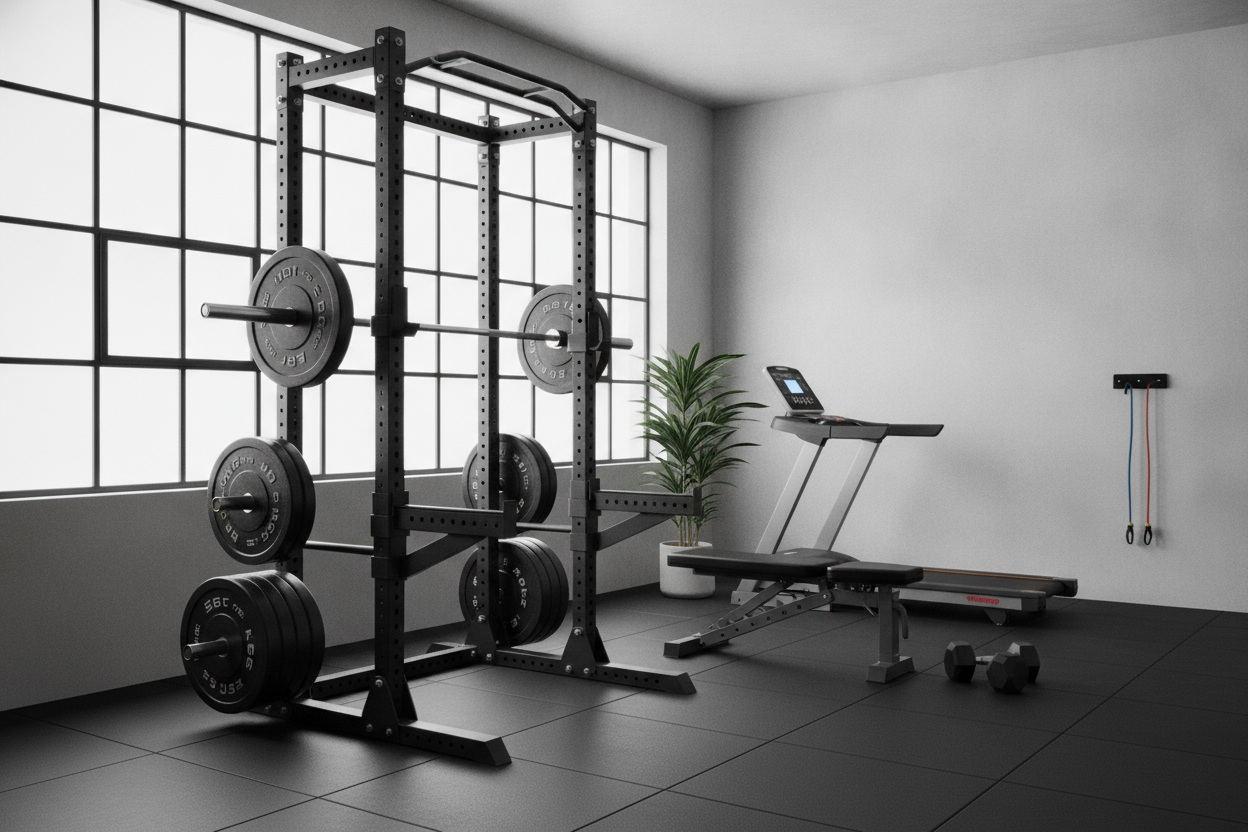
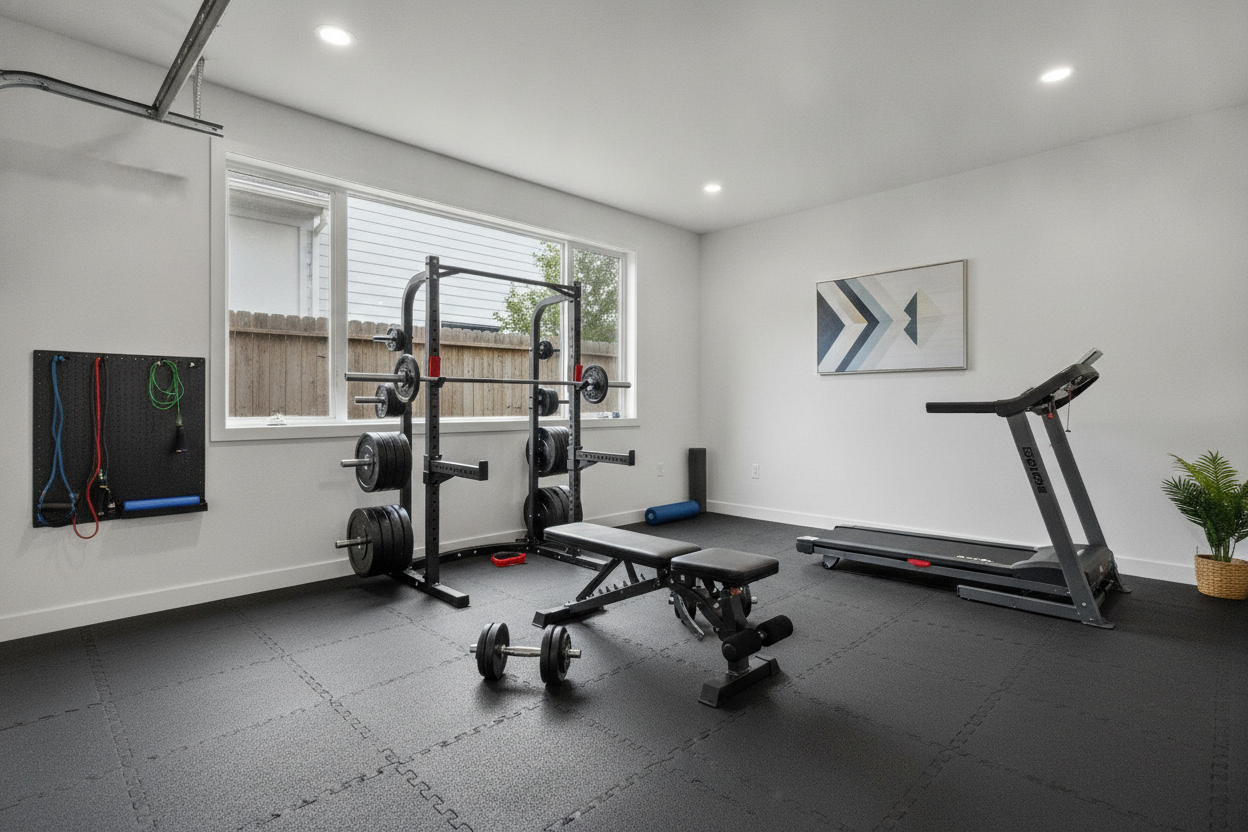
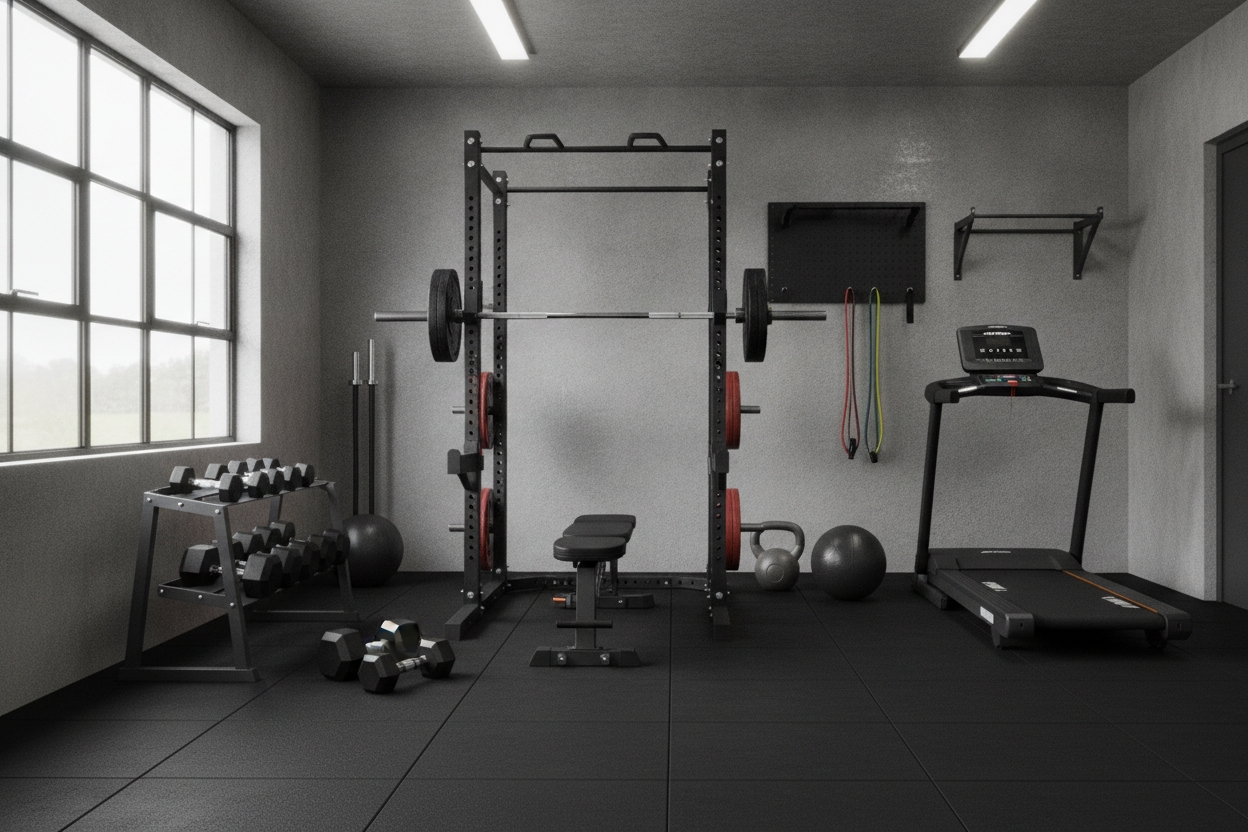
To do this right, you need the right setup. Having a reliable power rack and bench package allows athletes to safely train explosive compound movements like dynamic squats or pin pulls without fear of failing a rep. You can set your safety pins at the exact 'sticking point' of your lift, allowing you to focus entirely on the concentric explosion rather than worrying about getting pinned under the bar.
The Problem with Isolation Movements
Bicep curls and leg extensions are fine for aesthetics, but they don't do much for your 40-yard dash. Sports are played in space, requiring full-body coordination and core stability. While weight lifting machines are great for hypertrophy, they remove the core stabilization required in actual sports. When you're on a machine, the path is fixed. In sport, the path is chaotic. You need free weights to build the 'brakes'—the stabilizer muscles that prevent injury during a hard cut.
Three Lifts That Actually Translate to the Field
If I had to pick three movements for any athlete, I'd start with the Trap Bar Deadlift. It’s the king of sprint carryover because it mimics the starting position of a dash and puts less stress on your lower back than a straight bar. Second, Medicine Ball Rotational Throws. You can't build rotational 'knockout' power with a bench press; you need to move weight across your transverse plane.
Finally, Explosive Step-ups. These build unilateral power, which is how most sports are played—off one leg. I recommend using a sturdy adjustable weight bench as a rock-solid platform for explosive step-ups and Bulgarian split squats to build unilateral leg power. If your bench is wobbling while you're trying to drive upward, you're losing force. You want a platform that feels like concrete.
Don't Forget the Engine: Conditioning for Athletes
Raw strength is useless if you're sucking wind by the second quarter. I’ve seen guys with 500-pound deadlifts get outworked by 'weaker' players because they lacked the aerobic base to recover between plays. You have to marry your strength work with metabolic conditioning.
On your non-heavy days, I suggest incorporating a high-intensity metabolic workout with weights to build the cardiovascular engine required for endurance sports. This keeps your heart rate elevated while moving light loads, mimicking the fatigue you'll feel at the end of a game. Don't just be strong in the first minute; be strong in the last.
FAQ
How do I know if I'm getting too heavy for my sport?
Monitor your performance metrics, not the scale. If your vertical jump or 10-yard sprint time starts decreasing as your body weight increases, you've likely crossed the threshold into 'non-functional' mass.
Should athletes ever do 1-rep maxes?
Rarely. For most athletes, a 3-rep or 5-rep max gives you plenty of data on your strength levels without the high CNS fatigue and injury risk associated with a true 1RM.
Can I use machines for injury rehab?
Absolutely. Machines are excellent for isolating a muscle if you're working around an injury, but they shouldn't be the foundation of your performance program.