Stop Guessing: Every Gym Machine With Name and Purpose
We’ve all been there. You walk into a new commercial gym, eager to burn off last night’s pizza, only to be confronted by a sea of steel cables and levers that look more like a medieval dungeon than a fitness center. I’ve spent fifteen years in these trenches, and I still see people wandering aimlessly, staring at a pec deck like it is a Rubik’s Cube. Finding the right gym machine with name and function shouldn't require a PhD in kinesiology.
- Selectorized machines use a pin and a weight stack for quick changes.
- Plate-loaded machines require you to manually add iron for more resistance.
- Cable machines offer the most freedom and constant tension throughout the rep.
- The 'Skip' List: Some machines are just fillers; stick to the big movers first.
Why the Weight Room Looks Like a Torture Chamber
Walking onto a gym floor can be overwhelming. Manufacturers like Hammer Strength and Life Fitness design these contraptions to isolate specific muscle groups, which is why there are fifty different types of workout machines in gyms. They want to make lifting safer for the masses, but the result is a cluttered gym all machine layout that looks intimidating.
Think of the gym as a map of your body. Most facilities group their equipment gym list by body part: chest in one corner, legs in another, and the cardio machines names with images usually hogging the front window. Once you realize every machine is just a variation of a push, a pull, or a squat, the gym parts name game becomes much easier to win.
The Push and Pull: Upper Body Machines Explained
Upper body training usually boils down to two things: pushing things away from you or pulling them toward you. When you start looking at the formal names of weight lifting machines, you will see they usually follow a 'Movement + Body Part' naming convention. It is the simplest way to identify gym equipment without getting lost in technical jargon.
Chest Presses (And Why They Beat Barbells Sometimes)
The chest gym equipment names you will see most often are the Seated Chest Press and the Pec Deck. I love a good bench press, but a selectorized chest machine lets you go to absolute failure without needing a spotter to save your neck. These machines often have a 'converging' path, meaning the handles move closer together as you push, which actually matches the anatomy of your pecs better than a straight bar.
Lat Pulldowns and Cable Rows
For your back machine workout names, look for the Lat Pulldown and the Seated Row. The Lat Pulldown is that gym machine where you pull yourself up—or rather, pull the bar down to your chin—targeting the 'wings' of your back. Horizontal back machines at the gym names usually include the 'Low Row' or 'T-Bar Row,' which help build that thick, mid-back density that makes you look like you actually lift.
Leg Day Survival: Matching the Gym Machine With Name
Leg day is where the heavy metal lives. Understanding different weight machine types—like selectorized stacks versus plate-loaded beasts—is the first step to owning the room. Leg machines are usually the largest gym elements name on the floor because they have to support hundreds of pounds of pressure.
The Leg Press vs. The Hack Squat
The Leg Press is the king of the gym weight equipment names for lower body volume. You sit back and push a platform away with your feet. The Hack Squat, however, is a different beast. You stand in it at an angle, and it mimics a traditional squat but stabilizes your back. If you have cranky knees, I usually suggest the Leg Press because you can adjust your foot placement to take the heat off the joints.
Leg Extensions and Hamstring Curls
If you want to see your quads pop, the Leg Extension is the common gym machine names you need. It is an isolation move, meaning only one joint is moving. For the back of the legs, look for the Lying Leg Curl or Seated Leg Curl. These are essential for knee health and building a balanced physique that doesn't look like an upside-down triangle.
The Functional Trainer (The Only Machine You Really Need)
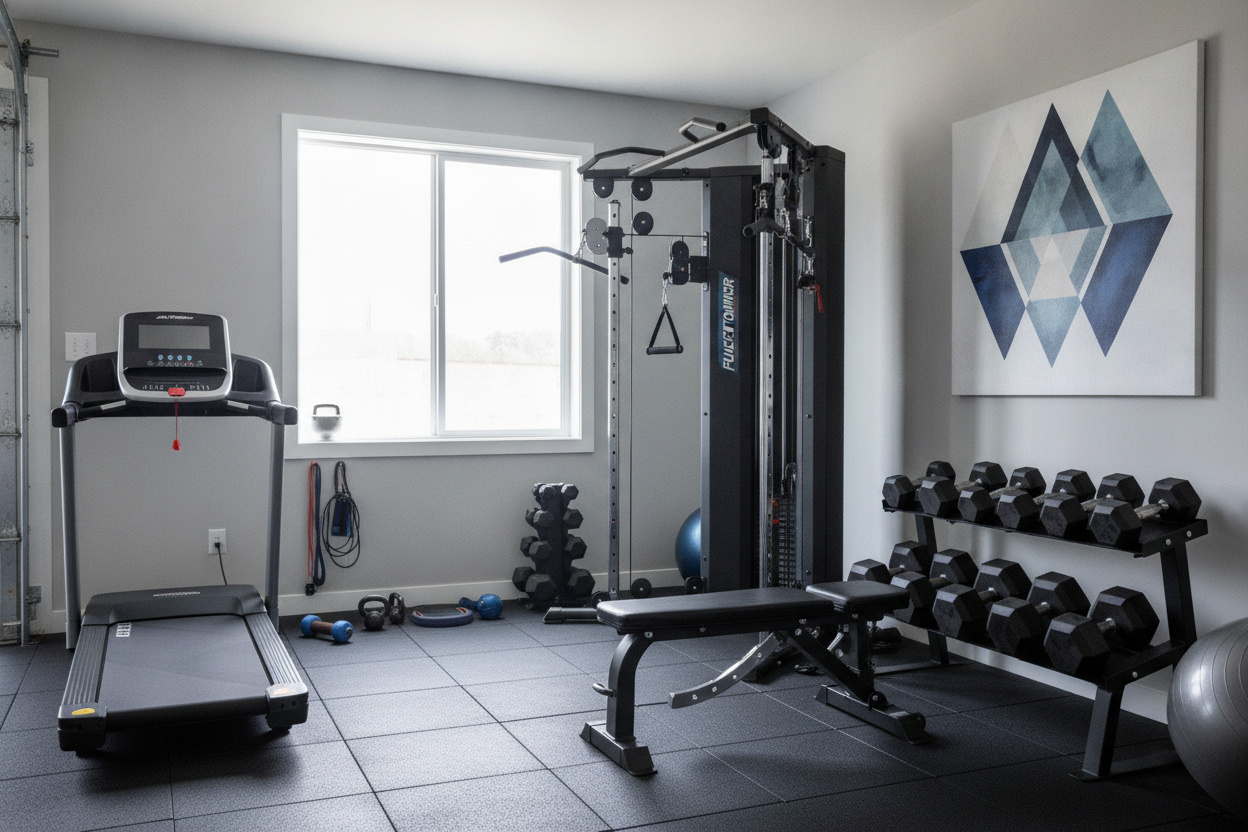
If the gym is packed and you only have one spot to work out, find the Functional Trainer or Cable Crossover. This is the most versatile piece in any exercise machine list. With two adjustable pulleys, you can do everything from chest flies to tricep extensions and even weighted lunges. It provides constant tension, which is something even the best dumbbells can't offer.
The Machines You Should Probably Walk Right Past
Not all gym equipments and their names are worth your sweat. The seated ab-rotation machine—the one where you twist side to side—is a hard pass for me. It puts a lot of unnecessary shear force on the spine. The same goes for those inner/outer thigh machines if they are the only thing you are doing for legs. They have their place in physical therapy, but for raw strength, they are low-ROI machines.
Building Your Own Setup? What to Bring Home
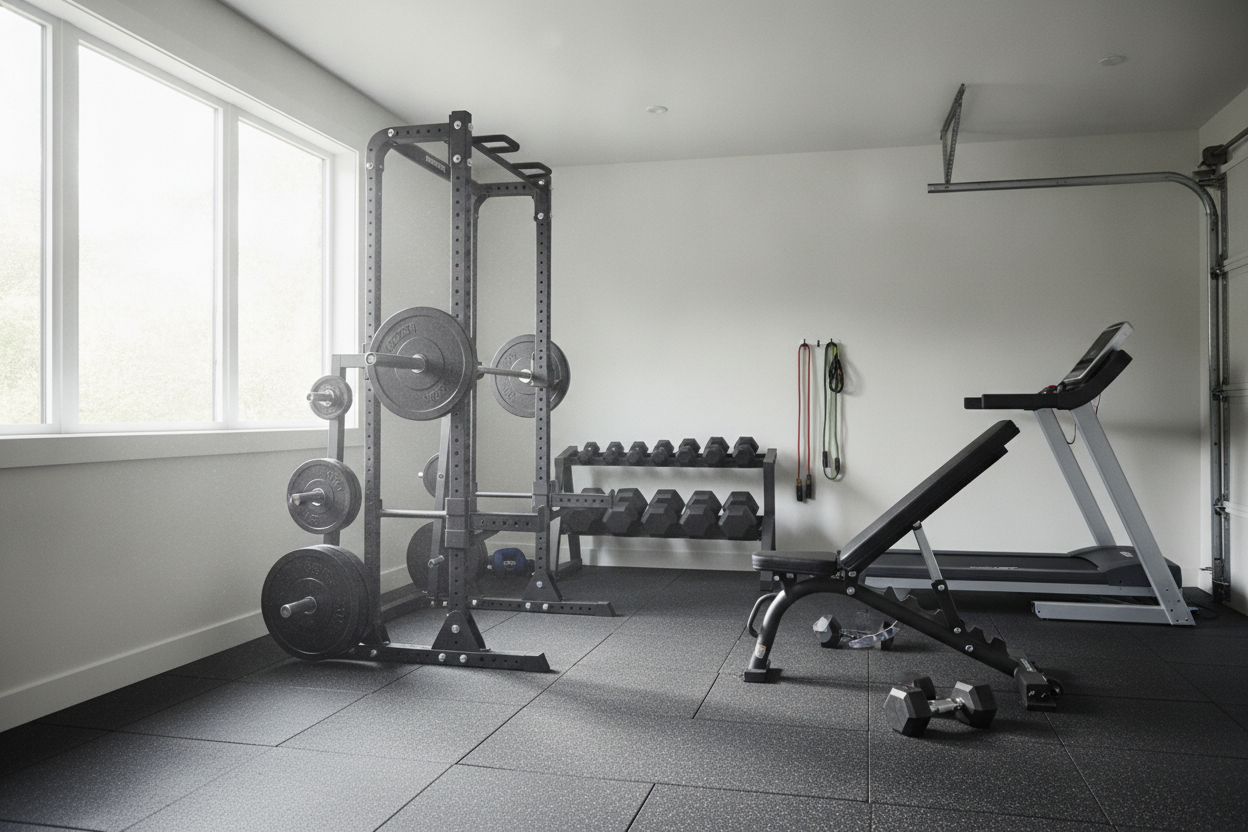
I eventually got tired of the crowds and built my own space. If you are hunting for home gym equipment deals, prioritize the basics: a rack, a bench, and maybe a single cable system. You don't need all equipment of gym at home. If you do decide to bring a heavy plate-loaded leg press into your garage, don't forget that you better have heavy-duty gym flooring unless you want to explain a cracked foundation to your landlord.
My Personal Lesson in Machine Safety
I once tried to ego-lift on a Smith Machine, thinking the fixed path made me invincible. I didn't set the safety pins correctly, and when my strength gave out at the bottom of a squat, I was pinned like a bug under a microscope. I had to wait for a teenager in Crocs to help me unhook the bar. The lesson? Always test the 'unhook' motion and set the safeties before you load the weight. Every gym machine benefits you only if you live to lift another day.
FAQ
What is the most common gym machine for beginners?
The Seated Chest Press or the Lat Pulldown. They are easy to adjust, have clear diagrams on the side, and keep you in a fixed, safe range of motion while you build your base strength.
How do I know what muscles a machine works?
Most modern machines have a small sticker with a diagram. Look for the highlighted red or blue areas on the human figure; that tells you exactly where you should be feeling the burn.
Are machines better than free weights?
Neither is 'better'—they just have different purposes. Free weights build stability and core strength, while machines are superior for isolating a muscle and taking it to failure without injury risk.