Stop Googling the Best Workout Build Muscle Plan (Do This Instead)
I remember sitting in my driveway at 11 PM, comparing three different 12-week hypertrophy programs while my unboxed power rack sat in the rain. I was obsessed with finding the best workout build muscle plan, convinced that the right percentage or the perfect exercise order would unlock some hidden physiological cheat code. I spent more time tweaking a spreadsheet than I did actually touching a barbell.
The truth is, most of those 'perfect' plans are just noise. You don’t need a degree in kinesiology to pack on size; you need a rack, a heavy set of dumbbells, and the discipline to stop scrolling for a better routine every three weeks. If your current program feels boring, that’s usually a sign it’s actually working.
Quick Takeaways
- Consistency over 12 weeks beats a 'perfect' program followed for two.
- Compound movements (squat, bench, row) are the foundation for the best workouts for building muscle.
- Stop training to absolute failure on every set; leave one or two reps in the tank to manage recovery.
- A home gym removes the 'waiting for the cable machine' friction that kills workout intensity.
The Trap of the 'Perfect' Hypertrophy Routine
We’ve all been there. You find a program that promises the best workouts to build muscle mass, run it for ten days, and then see a fitness influencer post a different 'science-based' split. Suddenly, your current plan feels obsolete. You hop to the next one, and your progress resets to zero.
Hypertrophy is a slow game of adaptation. When you constantly change your exercises, your body never gets efficient enough at the movement to actually challenge the muscle fibers. You’re just getting better at learning new forms, not getting stronger. The best workout for gaining muscle is almost always the one you’re willing to do for six months straight without questioning it.
I’ve seen guys with $5,000 worth of gear and a custom-coded app who look exactly the same as they did three years ago because they never stick to a block. Meanwhile, the guy with a rusty barbell and a basic 5x5 routine is out-lifting everyone. Stop looking for the magic bullet in a PDF.
Why Your Garage Is Better Than a Commercial Gym for Focus
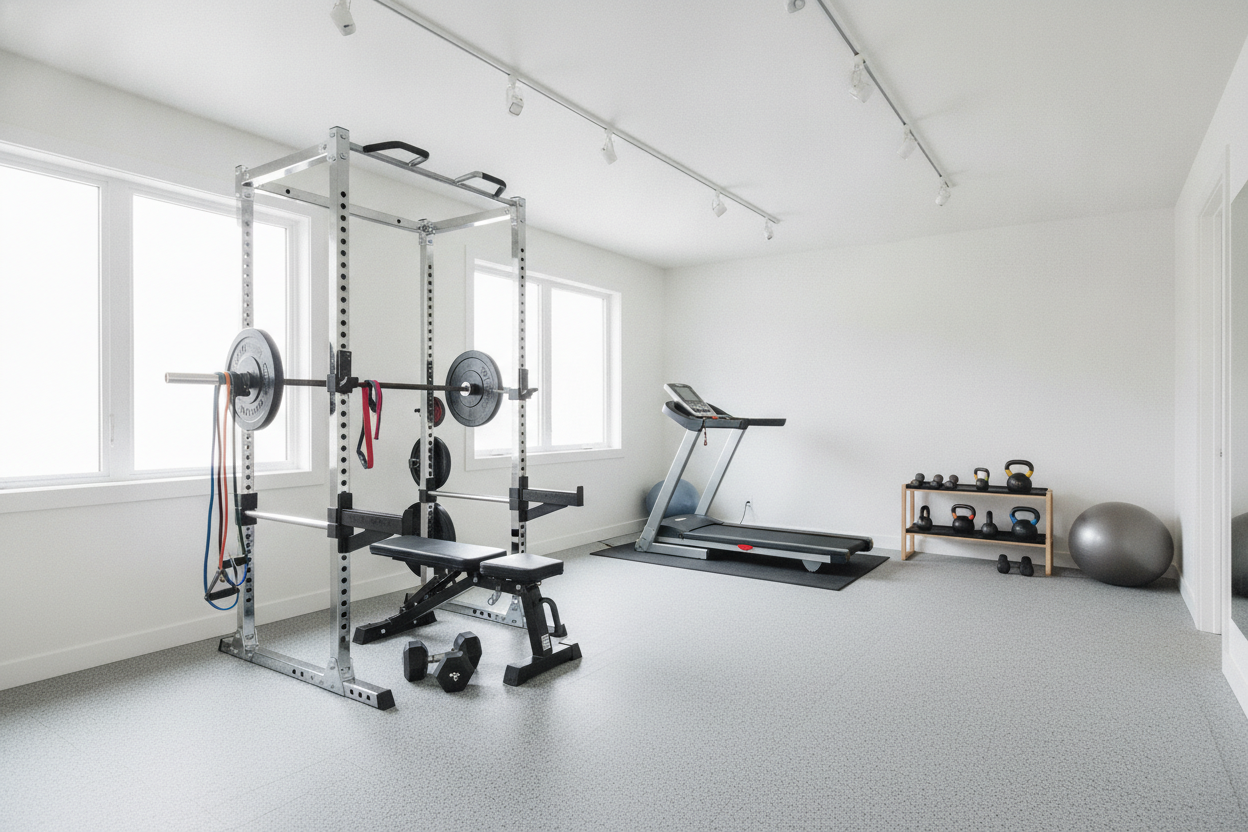
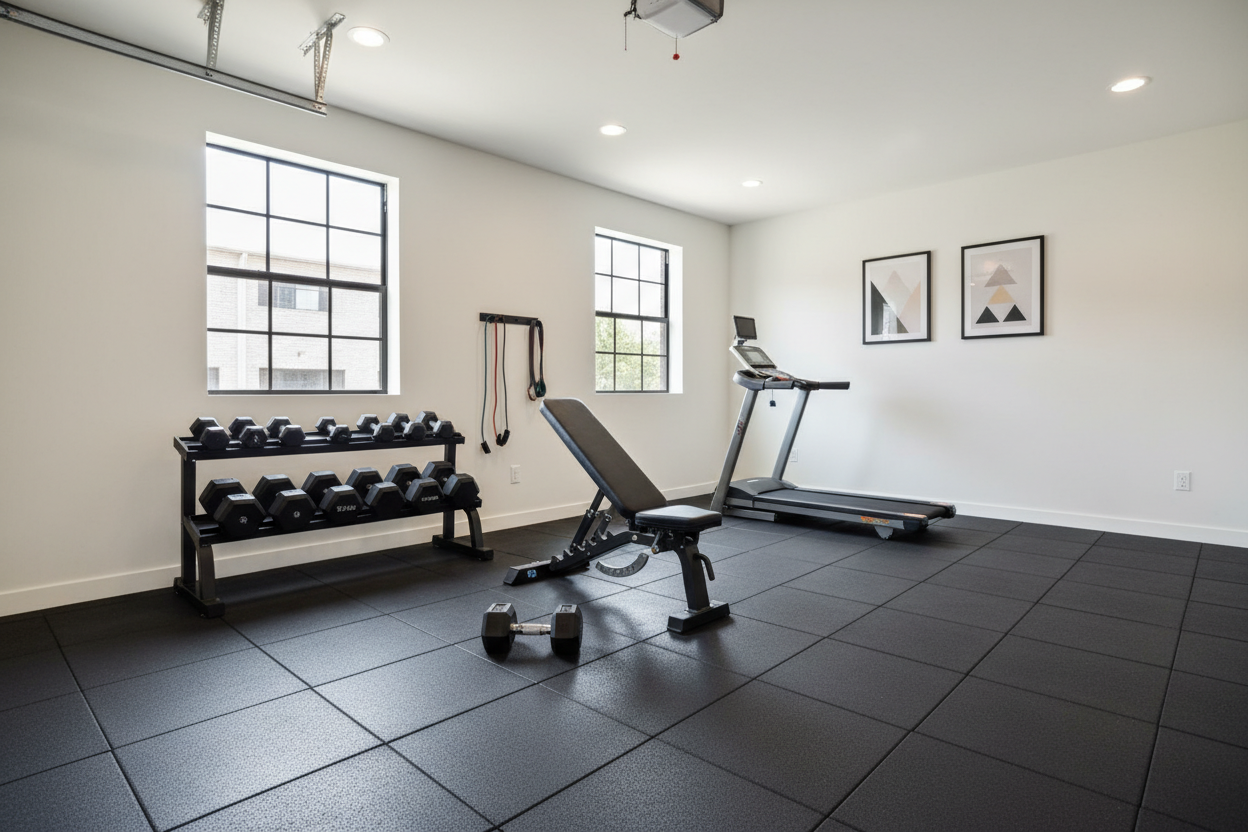
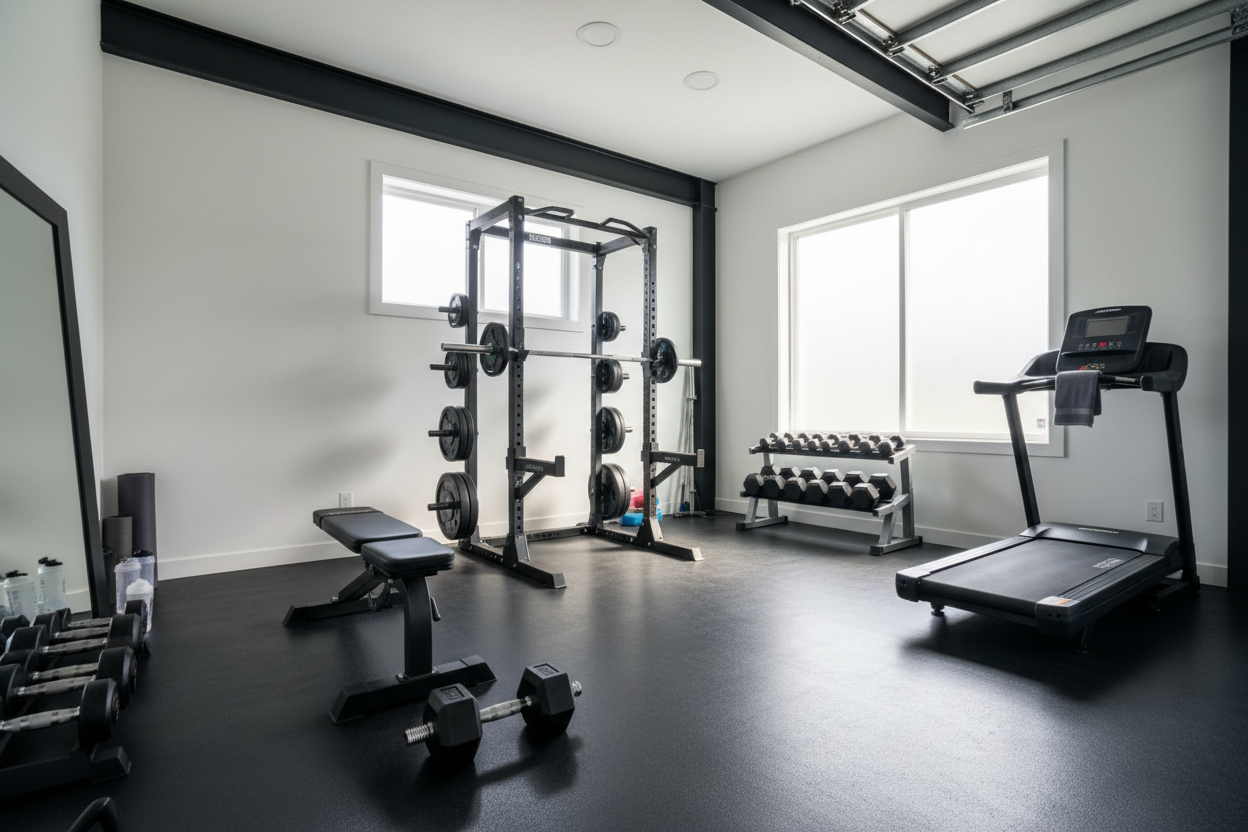
Commercial gyms are great until it’s 5:30 PM on a Monday and every bench is occupied by someone scrolling on their phone. If you want the best training to gain muscle, you need tempo and focus. My garage gym isn't fancy—it’s got some dings in the drywall and the lighting is aggressive—but it’s where the real work happens.
You don't need twenty different isolation machines to see growth. A solid power rack, a flat bench, and some heavy-duty plates are the best home workout equipment for anyone serious about size. When you’re in your own space, you aren't performing for a crowd or waiting for a turn. You can move from a heavy set of rows straight into your accessory work without losing your pump or your mind.
The Bare-Bones Framework I Actually Use
I’ve tried the fancy six-day-a-week body part splits, and I usually end up burnt out by week four. For most of us with jobs and lives, an Upper/Lower split or a simple Push/Pull/Legs (PPL) is the sweet spot. It allows you to hit each muscle group twice a week, which is the gold standard for hypertrophy, while still giving your central nervous system a break.
In my own setup, I prioritize stability. You can't grind out a heavy set of overhead presses if you're worried about your feet sliding on bare concrete. I laid down a 6X8Ft Exercise Mat right under my main lifting area. It’s thick enough to handle the impact of dropped 50-lb dumbbells and gives that non-slip grip you need when you're pushing for a PR. It transforms a dusty corner into a legitimate platform.
Stop Redlining: The Role of Proximity to Failure
There is a massive difference between 'hard work' and 'reckless work.' If you take every single set to absolute, soul-crushing failure where your form breaks down and your eyes start bulging, you will hit a wall. Fast. The best gym workouts to gain muscle involve training at an RPE (Rate of Perceived Exertion) of 8 or 9.
This means finishing a set knowing you could have done one or two more clean reps. This 'buffer' allows you to accumulate more total volume over the week without needing a week-long nap. Growth happens during recovery, not just under the bar. If you can’t recover, you won't grow.
Are You Tracking the Right Metrics for Growth?
If you aren't carrying a notebook or using a tracking app, you’re just exercising, not training. To ensure you’re doing the best gym workouts to gain muscle, you need to see the numbers go up. That doesn’t mean adding 10 lbs to the bar every week—that’s impossible long-term. It means doing 10 reps with a weight you did for 8 last week.
I used to be the guy who tried to max out every session. It was an ego move that led to a nagging shoulder injury that took six months to heal. I learned the hard way that The Best Gym Workout to Gain Muscle Starts With the Lightest Weights. Mastering the eccentric portion of the lift and feeling the muscle contract is worth more than a messy rep with an extra plate on the bar. Track your sets, your reps, and your rest times. That’s where the data lives.
When to Actually Change Your Program
Stick to your routine for at least 12 to 16 weeks. If you’re still making strength gains and you don’t feel like a walking injury, don’t touch a thing. Boring is effective. You should only consider a pivot when you’ve truly plateaued for three weeks straight despite eating and sleeping enough.
When you do reach that point, you don't need a total overhaul. Maybe swap a barbell bench for a dumbbell incline, or add a few more sets of isolation work. If you've finally outgrown your starter kit, you can always check out a best seller list to see what gear people are using to break through their next ceiling. But until then, put your head down and lift.
FAQ
Do I need supplements to build muscle?
Supplements are the 5% on top. If you aren't eating enough protein and hitting your calories with real food, a tub of powder won't save you. Focus on the kitchen and the rack first.
How many days a week should I train for hypertrophy?
3 to 5 days is the sweet spot. Anything more usually compromises recovery for natural lifters. It’s better to have 4 high-intensity sessions than 6 mediocre ones.
Can I build muscle with just dumbbells?
Absolutely. Your muscles don't know the difference between a barbell and a dumbbell; they only know tension. Just make sure you have enough weight to keep the reps in the 8-12 range.