Is Lifting Weights at Age 70 Actually Worth the Risk?
I recently watched a neighbor in his early 70s struggle to lift a 40-pound bag of birdseed into his trunk. He hesitated, winced, and eventually asked for help. It wasn't that he was 'old' in the traditional sense; he just hadn't touched a piece of iron in twenty years. Lifting weights at age 70 often gets treated like a death wish by cautious doctors and worried family members, but the reality is far grimmer if you choose to stay sedentary.
The fear of 'throwing out a back' or snapping a tendon is real, but muscle atrophy—sarcopenia—is the silent predator that actually steals your independence. I've spent years testing racks and bars in my garage, and I can tell you that the most dangerous thing you can do at 70 is absolutely nothing. You don't need to squat 500 pounds, but you do need to be stronger than a bag of birdseed.
Quick Takeaways
- Muscle mass is the primary predictor of longevity and fall prevention.
- Bone density requires 'mechanical loading'—meaning the weights must be heavy enough to feel heavy.
- Stability is more important than raw power; prioritize equipment that keeps you upright.
- Recovery takes longer, so a 2-day or 3-day split is the sweet spot.
The Elephant in the Room: Am I Going to Break Something?
The most common question I get is: is strength training effective for 70 year olds, or is it just a recipe for a hernia? The science is pretty settled here. Your muscles and bones don't lose the ability to adapt just because you've hit seven decades. They just need a more calculated stimulus.
Fragility isn't an inevitable part of aging; it's often a side effect of disuse. When you stop lifting things, your body decides it doesn't need to maintain the 'expensive' muscle tissue or the mineral density in your bones. By starting a smart program, you aren't risking a break—you're building the armor that prevents one when you inevitably trip on a rug or miss a step.
Ditching the Soup Cans: Picking Weights That Actually Challenge You
I see it all the time in 'senior' fitness classes: rows of people curling two-pound pink plastic dumbbells for 50 reps. If you can do 50 reps of something, you aren't building strength; you're just doing boring cardio. To trigger bone growth and muscle protein synthesis, you need to work in a range where the last few reps are actually difficult.
You don't have to start with a 45-pound Olympic bar. Start by finding the right starting weight that allows you to complete 8 to 12 reps with good form, but leaves you feeling like you could maybe only do two more. If you can breeze through 15 reps without breaking a sweat, it's time to move up. Progressive overload is the only way this works.
Machines vs. Free Weights: What Makes Sense Right Now?
In my 30s, I'd tell everyone to stick to the squat rack. At 70, the advice gets more nuanced. If your balance is shaky or you have inner ear issues, weight lifting machines are a godsend. They provide a fixed path of motion, meaning you don't have to worry about a barbell drifting off-center and taking you down with it. A seated chest press or a cable row allows you to push your muscles to failure without the risk of being pinned under a bar.
However, don't abandon the 'real' stuff entirely. Once you have a baseline of strength, learning to use free weights effectively is what builds the stabilizer muscles that prevent falls in the real world. Start with seated dumbbell presses before moving to standing ones. Use a bench for support. The goal is functional carryover to your daily life, not just looking good in the gym mirror.
Why Your Home Gym Setup Needs to Prioritize Stability First
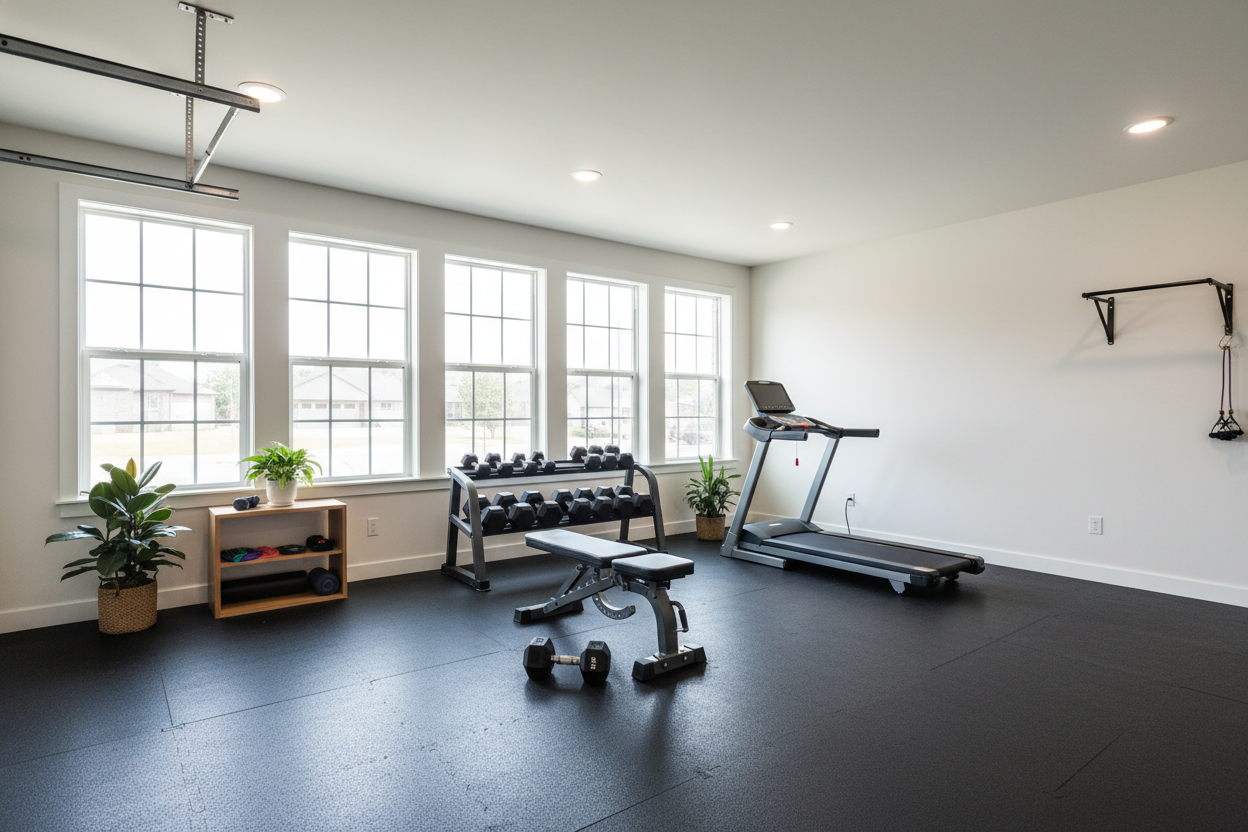
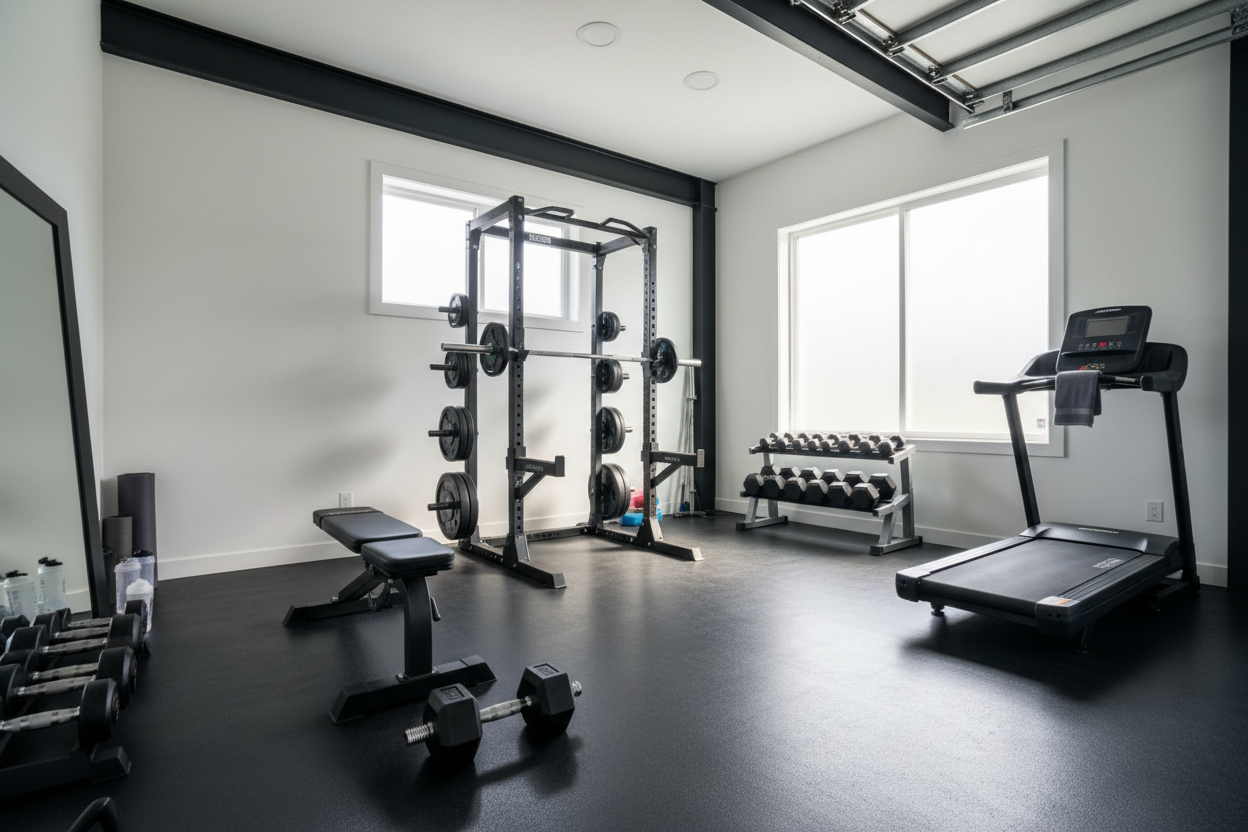
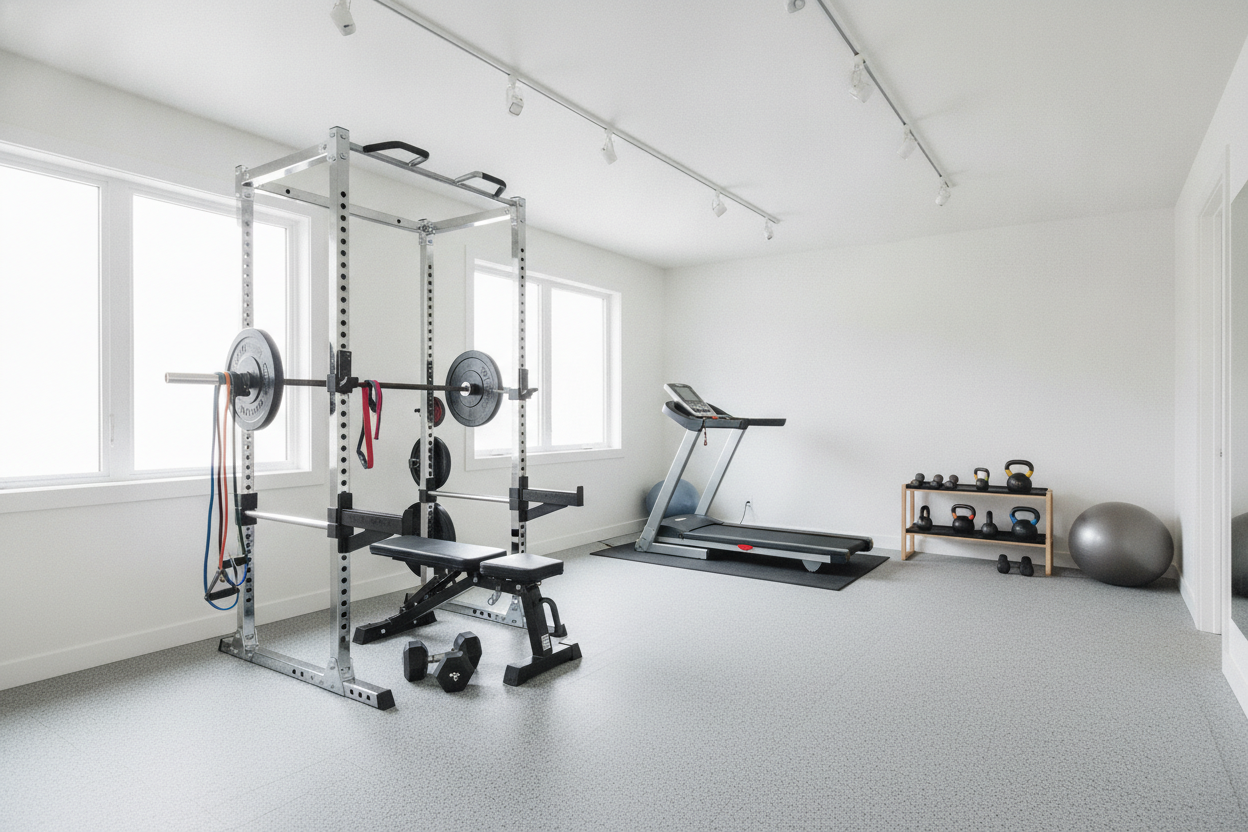
If you're building a space at home, stop looking at the fancy treadmills and start looking at your foundation. Getting up and down from a cold concrete floor is a chore that gets old fast. A high-quality, sturdy adjustable weight bench is the most important piece of gear you'll buy. It gives you a safe place to sit for overhead presses and a stable platform for rows.
Look for a bench with a high weight capacity—at least 600 pounds—not because you'll lift that much, but because a higher rating usually means a wider base and less wobble. When you're 70, 'wobble' is the enemy. I also recommend adding some thick rubber stall mats. Not only do they protect your floor, but they provide a non-slip surface that is much safer than dusty concrete or slick hardwood.
A Bare-Bones Weekly Schedule You Can Actually Recover From
Your 20-year-old self could lift five days a week and survive on pizza and sleep. At 70, your central nervous system and joints need more breathing room. I recommend a two-day full-body split. Monday and Thursday. That's it. Focus on five basic movements: a squat variation (even just sitting down and standing up from a chair), a hinge (deadlift), a push, a pull, and a carry.
Don't be afraid to use basic strength training accessories to help. If your grip strength is the bottleneck on your deadlifts, get some lifting straps. There's no prize for having the strongest grip if it's stopping you from working your much larger back and leg muscles. Listen to your joints. If a movement hurts in a 'sharp' way, swap it out. If it's just 'muscle burn,' keep going.
My Personal Experience
I remember coaching my uncle through his first deadlifts at 72. He was terrified of his 'bad back.' We started with a light kettlebell on a raised block so he didn't have to lean over as far. Within three months, his back pain actually disappeared. Why? Because the muscles supporting his spine finally woke up. My mistake early on was pushing him for 'one more rep' when his form started to flicker. At this age, the moment form breaks, the set is over. No exceptions.
FAQ
Is it too late to start lifting if I've never done it before?
Never. Studies have shown that even people in their 90s can double their strength in a matter of months. Your body is remarkably resilient if you give it a reason to be.
How many sets should I do?
Start with 2 sets of 10-12 reps per exercise. As you get used to the volume, you can move to 3 sets. You don't need the high-volume 'bodybuilder' approach to see results.
Should I do cardio or weights first?
Always do your weights first. You want your energy and focus at 100% when you're moving heavy objects. Save the walking or cycling for the end or for your off-days.