Stop Force-Feeding: Dense Meals to Gain Muscle Mass
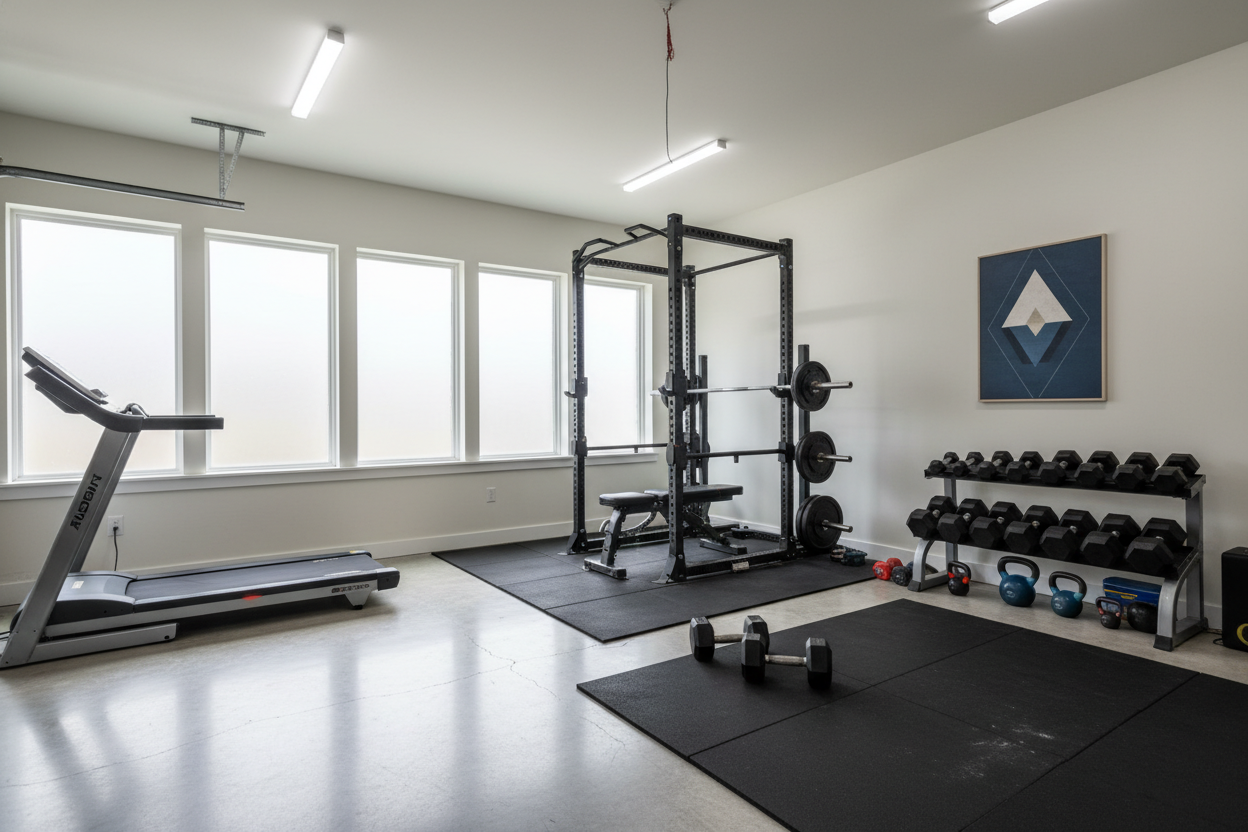
I have spent years in my garage gym, pushing through heavy triples and sweating over the internal temperature of chicken breasts. I have also spent way too many nights staring at a mountain of cold rice, feeling like my stomach was about to burst. Finding the right meals to gain muscle mass should not feel like a competitive eating challenge. It is about being a strategist with your macros, not a martyr to the bloat.
- Prioritize caloric density over food volume to avoid jaw fatigue.
- Liquid calories are your best friend when you can’t look at another fork.
- Animal fats and healthy oils are the easiest way to bridge a 500-calorie gap.
- Digestion is the bottleneck of growth—if you can’t process it, you can’t use it.
The Bulking Trap: Why Eating Feels Like a Full-Time Job
Most lifters treat their kitchen like a chore. They buy the best barbells and the sturdiest racks, but then they try to fuel a 400-pound squat with dry tilapia and steamed broccoli. You need to Stop Buying More Plates for Your Workouts to Gain Muscle Mass if you are not willing to put in the same effort at the dinner table. If your jaw is tired before your session is over, your food choices are wrong.
Missing your caloric goals because you are too full is a rookie mistake. Adding food is just as vital as adding iron to the bar. When you are training in a cold garage, your body is burning fuel just to stay warm and recover. You cannot afford to fill your stomach with low-calorie roughage that does nothing but sit there and ferment.
The Golden Rule for a Meal for Muscle Building
The secret to a solid meal for muscle building is caloric density. Think about it: a massive bowl of spinach has the same calories as a teaspoon of olive oil. Which one is easier to get down when you are already stuffed? You want smaller plates packed with healthy fats and dense carbohydrates.
I have seen too many guys fail because they think 'clean' means 'low calorie.' That is exactly Why Your 'Clean Eating' Fails as Meals for Muscle Gain and Fat Loss. If you are a hardgainer, the 1990s bodybuilding diet of white fish and asparagus is your enemy. You need energy-dense fuel that moves through your system without leaving you sluggish for your afternoon accessory work.
Building Good Meals for Building Muscle (Without the Bloat)
To create good meals for building muscle, you have to stop fearing fats. Stop buying 99% lean ground turkey. Switch to 80/20 beef or chicken thighs. The extra fat adds massive caloric value without adding any physical volume to the meal. It also makes the food taste like something a human would actually want to eat.
Another pro tip: swap your morning oats for cream of rice. Oats are high in fiber, which is great for health but terrible for hunger. They sit in your gut like a brick. Cream of rice is basically pre-digested fuel that spikes your insulin and clears your stomach fast, leaving room for your next meal for muscle gain. Also, start finishing your meals with two tablespoons of extra virgin olive oil. That is an extra 240 calories you won't even feel.
3 Example Meals for Gaining Muscle You'll Actually Finish
Here are three setups I use when I’m deep in a mass-building phase and the thought of another steak makes me want to quit. These provide a realistic meal for gaining muscle without requiring a gallon of water to wash them down.
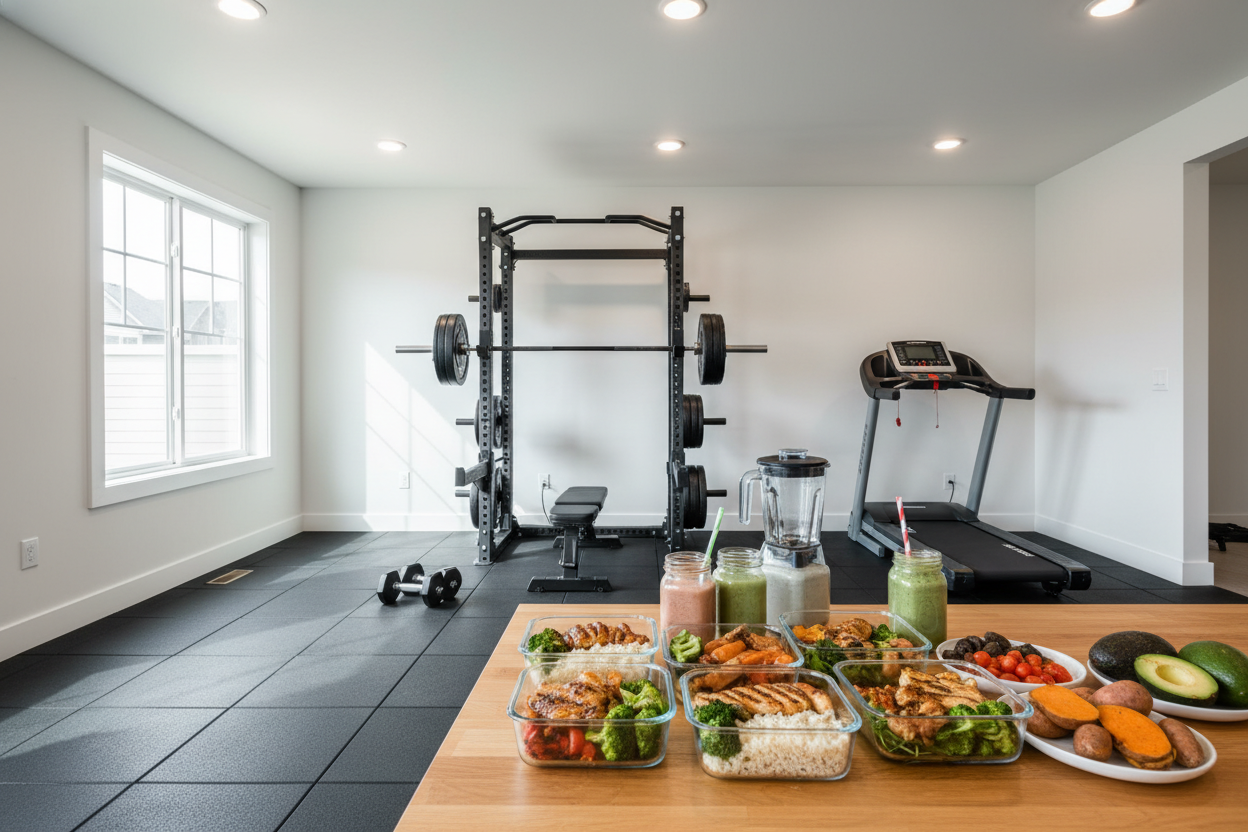
1. The Liquid Powerhouse (900 Calories): 2 scoops whey protein, 1/2 cup cream of rice (dry measurement), 2 tbsp almond butter, 1 frozen banana, and 12oz whole milk. This is my go-to when I have zero appetite. It is basically a milkshake that builds a back.
2. The Dense Beef Bowl (850 Calories): 8oz of 80/20 ground beef, 1.5 cups of white rice cooked in bone broth, and half an avocado. The bone broth adds protein and micronutrients while making the rice much easier to swallow than if it were dry.
3. The Pesto Pasta Punch (950 Calories): 4oz of pasta, 6oz of Atlantic salmon, and 3 tbsp of jarred pesto. Pesto is a cheat code—it is mostly oil, pine nuts, and parmesan. It adds 200+ calories to a dish in a single spoonful.
Timing Your Digestion Around Your Home Gym Sessions
The biggest mistake you can make is eating a high-fat, high-density meal 30 minutes before hitting the rack. If you try to pull a heavy deadlift with a stomach full of 80/20 beef, you are going to see that meal again on your Large Exercise Mat For Home Gym. It is not a pretty sight, and it ruins the workout.
Keep your pre-workout meals strictly carb-dominant and low-fat for fast gastric emptying. Save the high-density, fat-heavy meals for post-workout and right before bed. This ensures your blood is in your muscles where it belongs during the lift, not in your gut trying to process a pound of salmon.
Personal Experience: The 4,000 Calorie Failure
I remember my first real 'bulk.' I tried to eat 4,000 calories of 'clean' food. I was eating six meals a day of chicken, sweet potatoes, and green beans. By day four, I was so bloated I couldn't even tighten my lifting belt. I felt like a water balloon. I eventually quit because I hated eating more than I loved lifting. It wasn't until I started using oils, fattier meats, and liquid carbs that the scale finally started moving without the misery. Don't be a hero; be efficient.
FAQ
Do I need to eat 6 meals a day?
No. If you can hit your calories in 3 or 4 dense meals, do that. Frequency is just a tool to help you get the total volume in without feeling sick.
Is 'dirty bulking' with fast food okay?
Occasionally, sure. But the sodium and poor-quality oils in fast food usually lead to more inflammation than actual muscle growth. Stick to whole foods, just choose the denser versions.
What if I have no appetite in the morning?
Drink your breakfast. A high-calorie shake is much easier to get down than a plate of eggs and toast when your digestive system is still waking up.