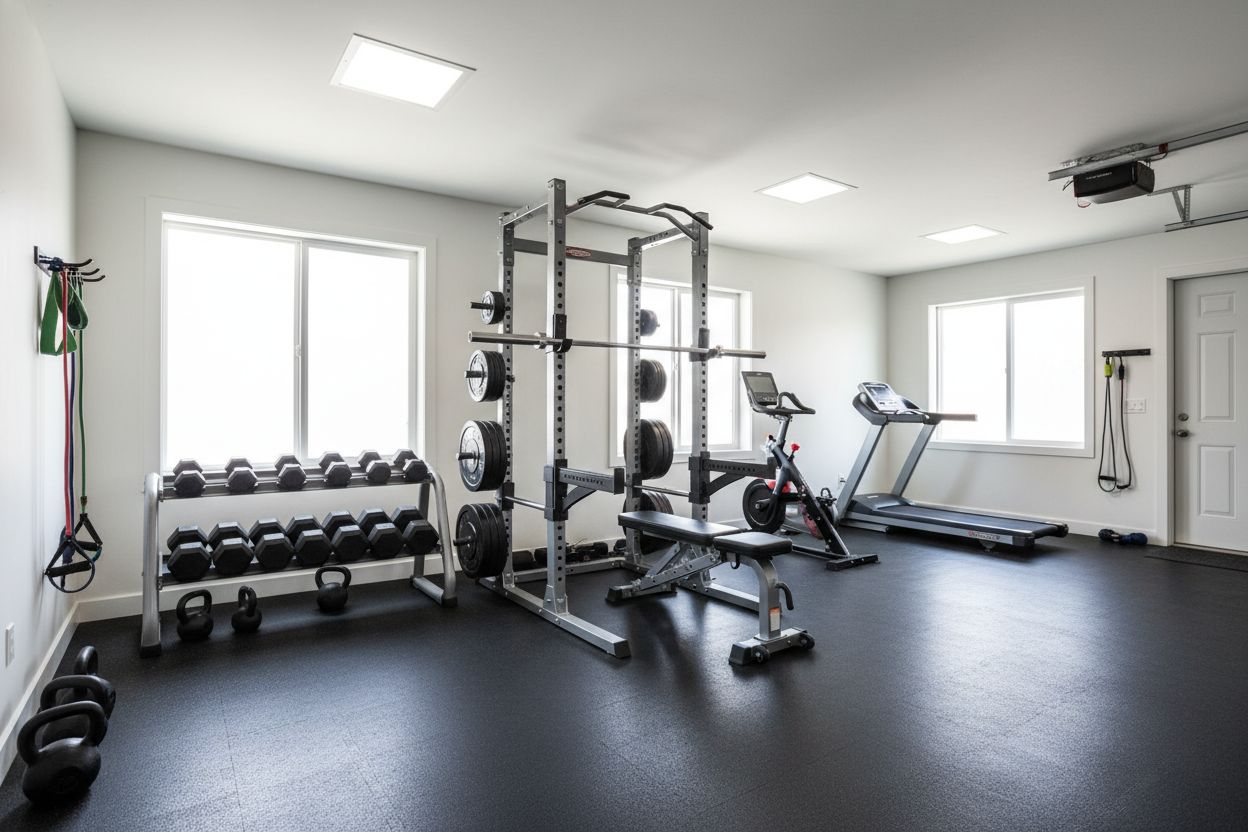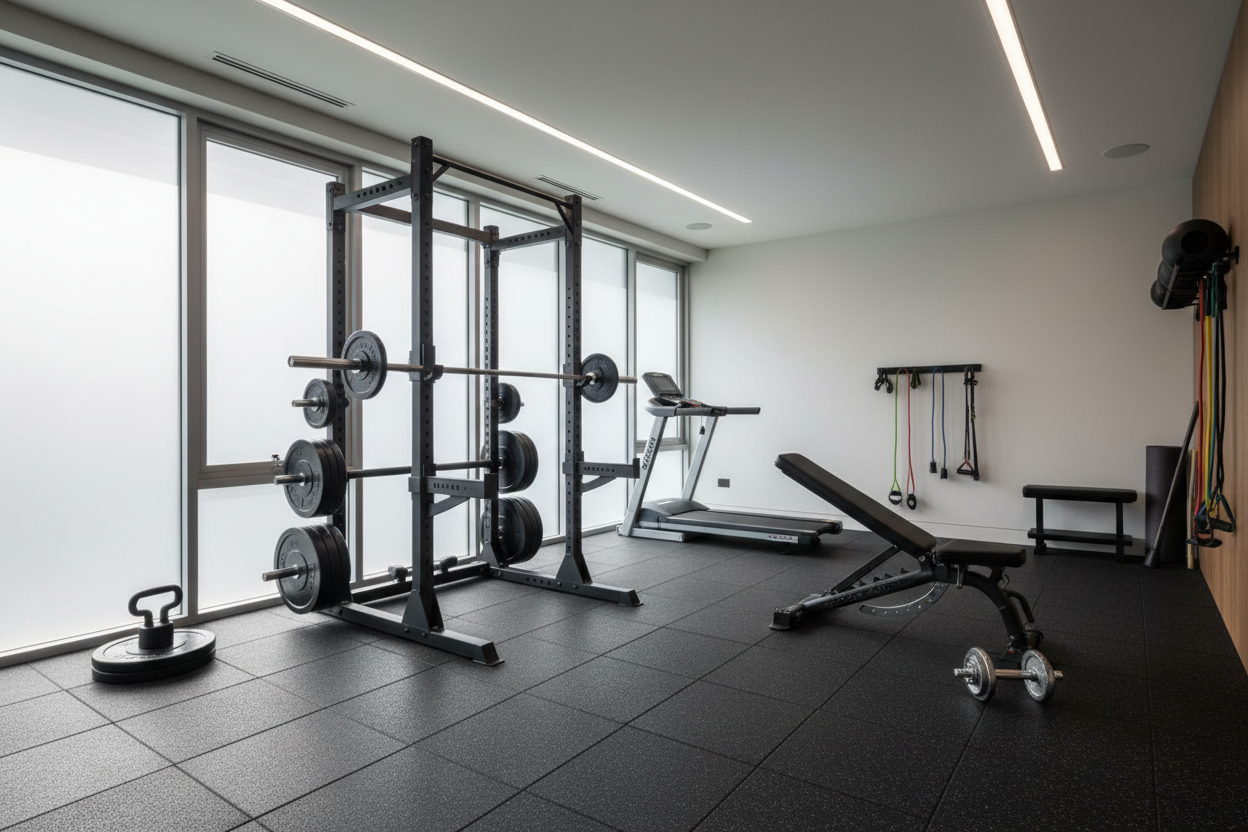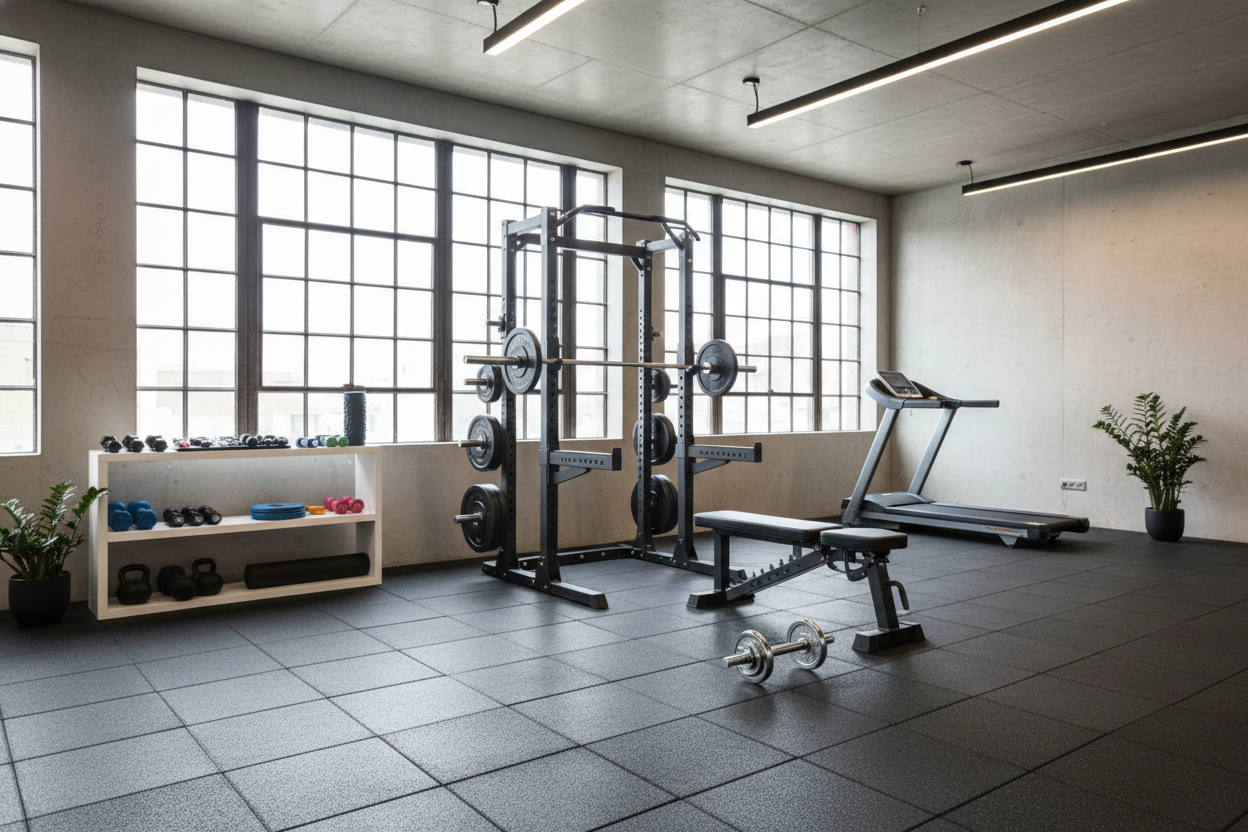
Stop Fearing the Rack: Workout Routines Women Should Try
I remember the first time I walked into a big-box gym. I spent forty-five minutes on an elliptical because the power rack looked like a medieval torture device and the guys surrounding it looked like they ate raw steak for breakfast. Finding effective workout routines women can actually stick to shouldn't mean being relegated to the 'cardio theater' or the stretching corner.
The truth is, most of the 'toning' advice sold to women is marketing fluff. If you want to change your body composition and feel genuinely capable, you have to stop avoiding the heavy stuff. It is time to stop being a guest in the weight room and start owning it.
Quick Takeaways
- Barbells and dumbbells are more efficient than machine circuits for building muscle.
- Compound lifts (squats, deadlifts, presses) are the foundation of any good female workout routine.
- Progressive overload—adding weight or reps over time—is the only way to see real results.
- Gym anxiety is real, but having a structured gym exercise program for women eliminates the 'what do I do now?' panic.
The Machine Circuit Trap Most Beginners Fall Into
Most commercial gyms are designed to keep you on a loop. They point you toward the hip abductor machine and the leg extension station. While these have their place, relying on them as your entire gym routine for women is a recipe for a plateau. Machines fix your body in a single plane of motion, which ignores the stabilizing muscles you need for real-world strength.
I spent years doing three sets of fifteen on every machine in the building. I got slightly better at using those machines, but my body didn't change, and I wasn't getting stronger. The 'pink dumbbell' culture suggests that women should only do high reps with light weight to avoid 'bulking.' It is a lie. You lack the testosterone to accidentally turn into a pro bodybuilder overnight. What you will do is build dense, functional muscle.
How to Claim Your Space in the Free Weight Section
The free weight section can feel like a private club. It isn't. You pay the same membership fee as the guy squatting four plates. My best advice for overcoming gym anxiety? Walk in with a plan written on your phone or a notebook. When you look like you have a mission, people move out of your way.
Un-racking a barbell for the first time is a milestone. Start with the empty bar—it weighs 45 pounds. Learn the movement patterns before you worry about adding plates. If someone is using the rack you need, ask how many sets they have left. It is a standard gym interaction, not an intrusion. A solid gym training plan for woman starts with the confidence to take up space.
Compound Movements Over Isolation Fluff
Compound movements use multiple joints and muscle groups at once. Think squats, deadlifts, overhead presses, and rows. These create the mechanical tension necessary for growth. Instead of doing five different machines to hit your legs, one heavy set of squats does the job more effectively.
Efficiency is key. Most of us don't have two hours to spend at the gym. By focusing on a gym workout regimen for women that prioritizes these big lifts, you get a higher metabolic hit and better hormonal response. You are training your body to work as a single unit, which is how we move in real life.
Three Heavy Gym Workout Routines Women Can Actually Use
You don't need a different workout for every day of the month. You need a few reliable gym plans for women that you can repeat and improve upon. Here are three proven splits:
- Upper/Lower Split: You train four days a week. Two days focus on the back, chest, and arms. The other two focus on the lower body workout for women, prioritizing the posterior chain and quads.
- Push/Pull/Legs (PPL): A classic three-day rotation. Push day (chest/shoulders/tris), Pull day (back/bis), and Leg day. This is great for hitting specific muscle groups with high intensity.
- 3-Day Whole Body: This is my personal favorite for busy schedules. You hit every major muscle group every session. I recommend a full body workout for women because it allows for maximum frequency and recovery time between sessions.
Whichever gym workout plan for women you choose, stick with it for at least 8-12 weeks. Constantly changing your routine—often called 'muscle confusion'—is just a way to ensure you never get good at anything.
Don't Skimp on the Core and Floor Accessories
Heavy lifting requires a stable core. I’m not talking about six-pack abs; I’m talking about the ability to brace your spine under load. Before you start your gym workout routine for woman, spend five minutes on 'dead bugs' or 'planks' to wake up your midsection. This protects your lower back during those heavy squats.
If you are supplementing your gym work with mobility sessions at home, invest in quality gear. Using a thin, cheap mat for floor work is a great way to bruise your spine. I personally use a 6x4ft exercise mat because it gives you enough room to move through a full range of motion without ending up on the cold hardwood. Good women's workout routine results depend on the work you do to stay injury-free.
Personal Experience: The Safety Pin Lesson
Early in my lifting career, I was too embarrassed to set the safety bars in the power rack because I thought it made me look like I didn't know what I was doing. One Tuesday, I miscalculated a rep on the bench press and ended up with 95 pounds pinned to my chest. A total stranger had to run over and save me. It was humiliating, but it taught me that the equipment is there for a reason. Now, I’m the person checking my safety pins three times before a set. Don't let ego or embarrassment get in the way of your safety.
FAQ
Will lifting heavy make me bulky?
No. Bulking requires a massive caloric surplus and specific hormonal profiles. Lifting heavy will make you stronger, firmer, and more athletic-looking.
How many days a week should I go?
Three days is the sweet spot for most. It allows for high intensity and plenty of recovery. Consistency beats frequency every single time.
What if I can't lift the 45lb barbell yet?
Use dumbbells or a lighter 'technique bar' if your gym has one. Every gym exercise routine for women should be scalable. Start where you are, not where you think you should be.