Stop Faking It: The Gym Exercises Glutes Actually Need
I spent years thinking I was training hard because I left the gym drenched in sweat. I would hit every machine in the circuit, chase the 'burn' with high-rep kickbacks, and wonder why my posterior chain looked exactly the same six months later. If you are tired of spinning your wheels on the commercial floor, you need to rethink the gym exercises glutes actually respond to. Most people don't have a 'stubborn' muscle group; they just have a bad selection of movements and a fear of heavy weights.
Quick Takeaways
- Prioritize 3-4 heavy compound movements over 10 light isolation exercises.
- Mechanical tension—not just a 'pump'—is the primary driver of muscle growth.
- Rest periods of 2-3 minutes are mandatory for heavy sets to ensure intensity.
- Stability is the secret to glute isolation; stop doing exercises that require a balancing act.
Why Your Current Leg Day Isn't Building Your Backside
Most commercial gym goers confuse being tired with being productive. You see it every day: someone doing 50 reps of banded side-steps followed by 20 minutes of 'glute-focused' elliptical work. This is junk volume. It creates a metabolic burn, sure, but it doesn't provide the mechanical tension required to actually change the shape and size of your muscles.
When you bounce between random machines without a plan, you lose the ability to track progressive overload. If you did 135 lbs for 8 reps on the RDL last week, you need to aim for 140 lbs or 9 reps this week. If you're just 'feeling the vibe' on the cable tower, you aren't building anything. You're just doing cardio with extra steps.
The Core Gym Exercises Glutes Actually Respond To
If you want real results, you have to embrace the big three: barbell hip thrusts, Romanian deadlifts (RDLs), and Bulgarian split squats. These are the non-negotiables. Hip thrusts put the glutes under maximum tension in the shortened position, while RDLs hammer them in the lengthened position. This combination is the foundation of the best booty exercises at the gym.
Bulgarian split squats are the 'love to hate' movement of the fitness world. Because they are unilateral (one leg at a time), they force your glutes to stabilize your entire pelvis. This high degree of stability, combined with a deep stretch at the bottom, makes them far more effective than any standing cable kickback ever could be. Stop looking for the easy way out and get under a bar.
Stop Using the Cable Machine Like a Treadmill
I see people treating the cable machine like a high-rep endurance tool. They stand there for 30 minutes doing kickbacks with the weight of a paperclip. If you're going to use cables, treat them like a heavy lift. Use a weight that makes you struggle by the 10th or 12th rep.
The key to cable work is stability. If you're wobbling around while trying to kick your leg back, your glutes aren't actually doing the work—your lower back and core are just trying to keep you from falling over. Grab onto the machine frame, hinge at the hips, and focus on the deep stretch. If you aren't bracing yourself like you're trying to move a stalled car, you aren't loading the muscle enough for hypertrophy.
How to Structure the Best Gym Glute Workouts
The best gym glute workouts aren't complicated. Start with your heaviest, most taxing movement first—usually the hip thrust or RDL. Do 3 to 4 sets in the 6-10 rep range. This is where you build the most strength. Don't rush your rest. If you're breathless, you can't push the weight you need to push. Take three minutes between sets of RDLs.
Follow your heavy lift with a unilateral movement like the Bulgarian split squat or a heavy walking lunge. Finish with one isolation movement like a seated abductor machine or a properly loaded cable kickback. That is it. If you do these four things with high intensity, you won't have the energy for a 10-exercise circuit, and you won't need one.
Taking It Home: Don't Ruin Your Floors With Heavy RDLs
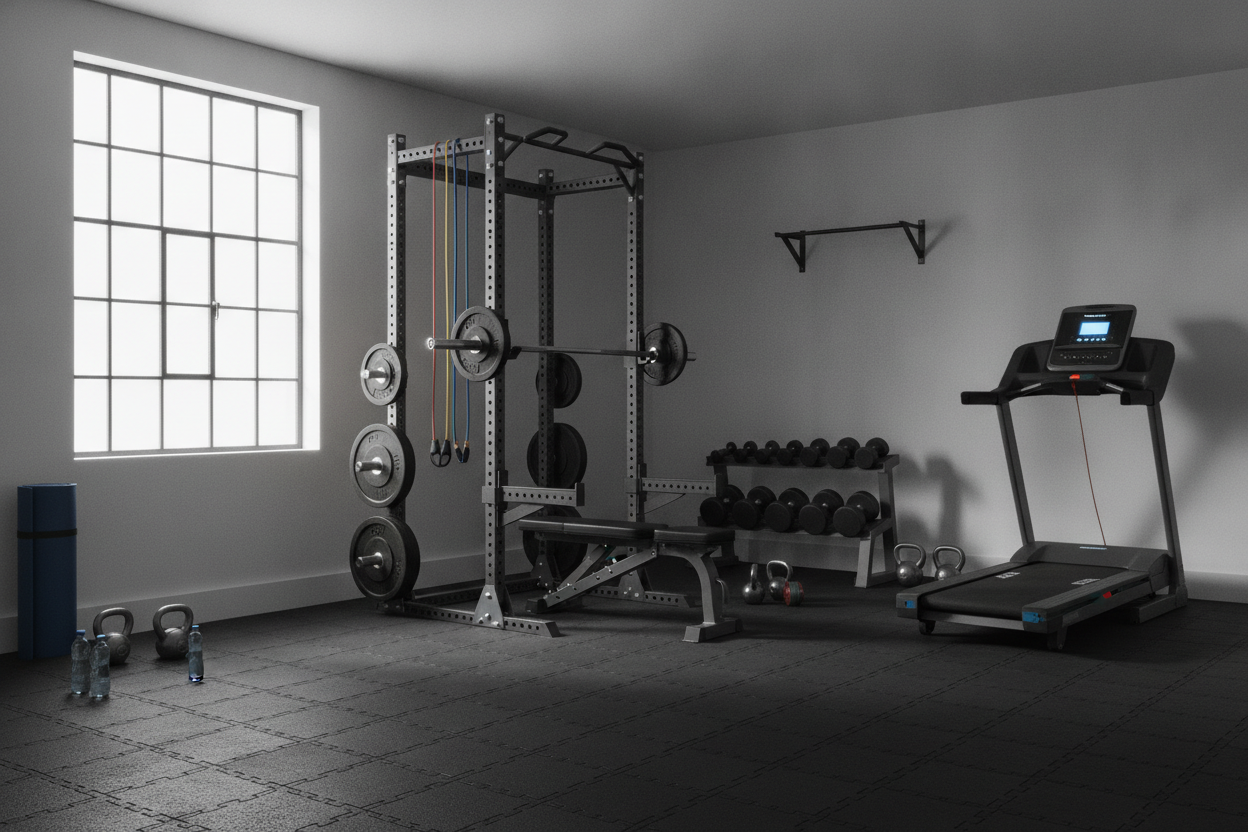
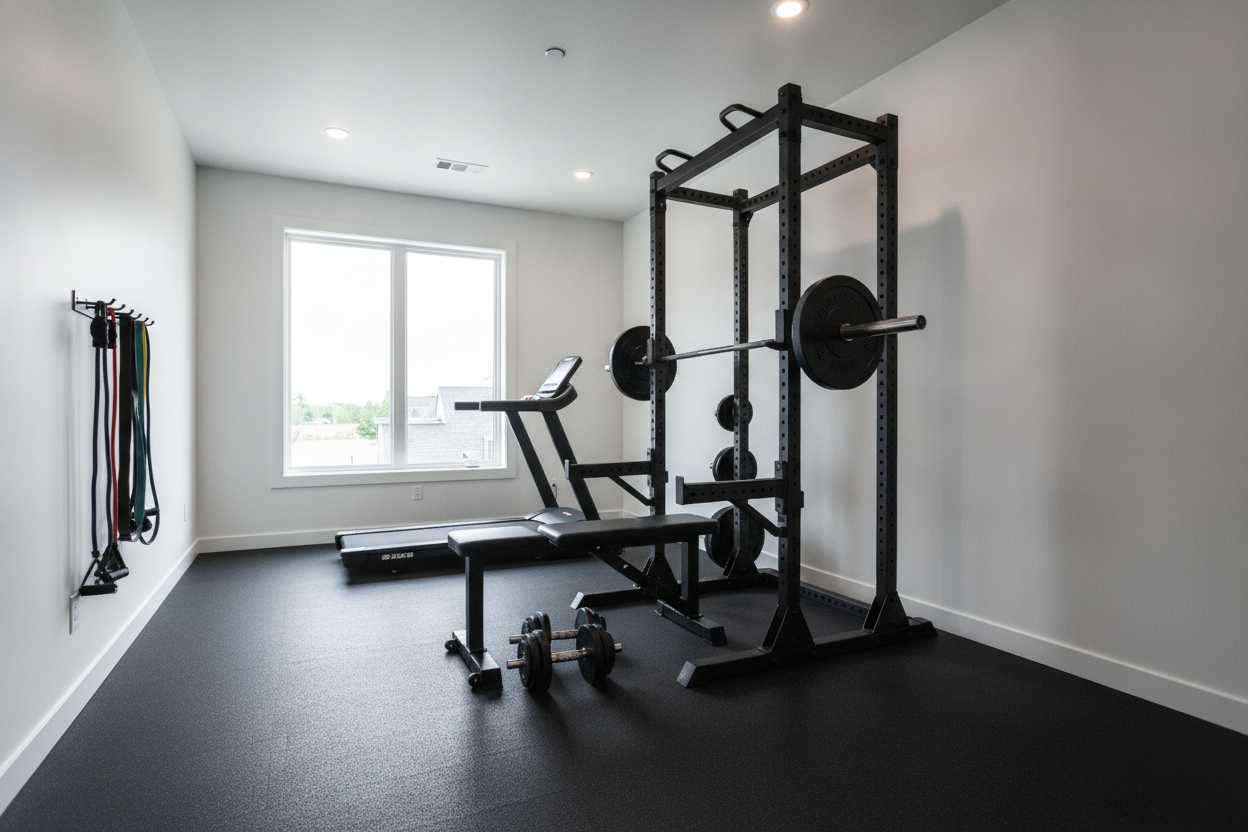
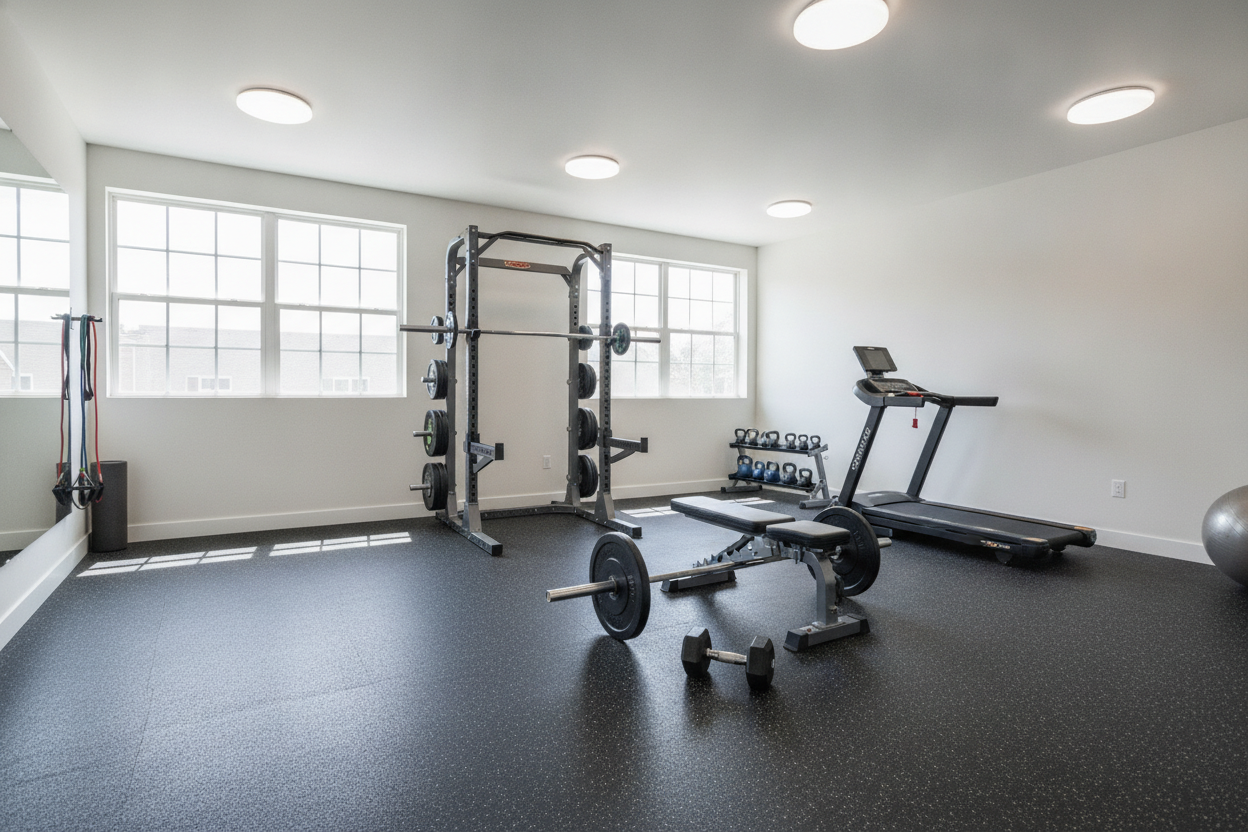
For those of us who have migrated to the garage to avoid the 'influencer' crowds, the equipment matters just as much as the programming. If you're pulling 225-lb RDLs on bare concrete, you're asking for a repair bill. You need durable gym flooring that can handle the impact of a loaded barbell without transferring that shock into the slab.
Even if you're just using dumbbells for now, a large exercise mat is a must-have. It gives you a dedicated, non-slip area where you can focus on your form rather than worrying about whether your feet are going to slide during a split squat. Plus, it saves your joints when you're doing floor-based movements like glute bridges.
Personal Experience: The 'Feel-Good' Trap
I spent an entire year avoiding Bulgarian split squats because they made my heart rate spike and my legs shake. I told myself that the leg press was 'basically the same thing.' It wasn't. My progress completely stalled because I was choosing the path of least resistance. The moment I put the split squats back in and prioritized heavy RDLs over cable fluff, my strength numbers—and my physique—finally changed. Learn from my mistake: the exercises you hate the most are usually the ones you need the most.
FAQ
How many times a week should I train glutes?
Twice a week is usually the sweet spot. It allows for enough volume to trigger growth while giving your central nervous system enough time to recover between heavy sessions.
Can I build glutes without a barbell?
Yes, you can use heavy dumbbells or even a smith machine, but the principle remains the same: you must increase the weight or the reps over time to see results.
Should I feel my glutes 'burning' to know it's working?
Not necessarily. A 'burn' is often just lactic acid buildup. While a pump is nice, the real indicator of a good workout is whether you are getting stronger in your target rep ranges over several weeks.