

How to Build Maximum Glutes With The Best Booty Exercises At The Gym
You walk into the weight room, and it often looks like a circus of resistance bands and complex cable maneuvers. But if you are chasing genuine hypertrophy (muscle growth), you need to prioritize mechanical tension over endless variety. Finding the best booty exercises at the gym isn't about following the latest social media trend; it is about understanding basic biomechanics.
We are going to cut through the noise. This isn't about doing a hundred reps until you feel a burn. It is about moving heavy loads through full ranges of motion to force your muscles to adapt.
Key Takeaways: The Shortlist
If you are looking for the most effective movements for glute development based on electromyography (EMG) activity and tension curves, focus on these pillars:
- The Hip Thrust: The king of the shortened position (peak contraction).
- Romanian Deadlift (RDL): Essential for working the glutes in the lengthened (stretched) position.
- Bulgarian Split Squat: Unilateral work to fix imbalances and drive stability.
- Cable Pull-Throughs: A safer alternative for high-volume accessory work.
- Progressive Overload: The non-negotiable requirement of adding weight or reps over time.
Understanding Glute Mechanics
Before grabbing a barbell, you need to understand what you are actually training. The glutes are composed of three main muscles, but the Gluteus Maximus is the powerhouse. It is primarily responsible for hip extension—moving your leg behind you.
To stimulate growth, your routine needs exercises that challenge the muscle at different lengths. Some movements load the glute when it is fully squeezed (shortened), while others load it when it is fully stretched (lengthened). You need both for complete development.
The Heavy Hitters: Compound Movements
1. The Barbell Hip Thrust
This is arguably the most effective movement for isolating the glute max while handling heavy loads. Unlike a squat, where your quads and back take a beating, the hip thrust places the load directly on the hips horizontally.
The Science: Peak tension occurs at the top of the movement where the glutes are fully shortened. This creates a massive pump and high mechanical tension.
2. The Romanian Deadlift (RDL)
While the hip thrust builds the "shelf," the RDL builds the tie-in to the hamstrings. This is a hip-hinge movement.
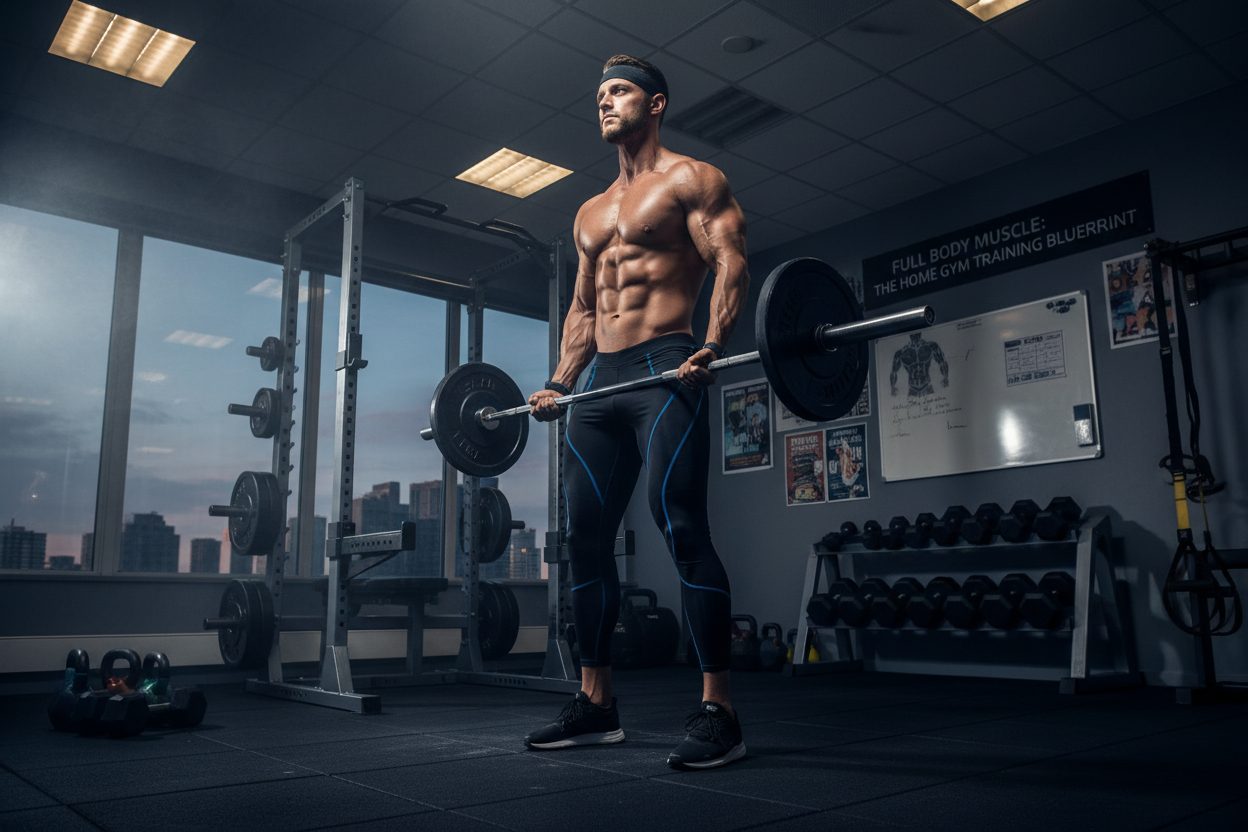
The Execution: Keep a slight bend in your knees, push your hips back as far as possible, and stop when your hips stop moving back. Going lower than your flexibility allows just shifts tension to your lower back.
3. The Bulgarian Split Squat
This is the exercise everyone loves to hate. It isolates one leg at a time, preventing your dominant side from taking over.
Coach's Tip: Lean your torso slightly forward to bias the glutes. An upright torso will shift the focus to your quads.
Structuring Your Session
Knowing the moves is half the battle; arranging them is the other. The best booty workouts at the gym usually follow a specific order to manage fatigue.
Start with your heaviest compound lift (like the Hip Thrust or Squat) when your central nervous system is fresh. Follow up with your stretch-focused movement (RDLs), and finish with higher-repetition metabolic work (abductions or kickbacks).
Common Mistakes Killing Your Gains
Using Momentum: If you are swinging the weight up, your lower back is doing the work, not your glutes. Control the eccentric (lowering) phase.
Squeezing Too Early: On squats and deadlifts, don't hyperextend your hips at the top to "squeeze" the glutes. This puts dangerous pressure on the lumbar spine. Lockout neutral, not past neutral.
My Training Log: Real Talk
I want to be transparent about what these sessions actually feel like. When I first started prioritizing the best booty exercises at the gym, specifically the heavy hip thrust, I wasn't prepared for the setup logistics.
It’s not just about the lift. It’s the annoyance of rolling a loaded barbell with 45lb plates over your legs while sitting on the floor. I remember distinctively the first time I went heavy (over 225 lbs); even with the thick squat pad, the bar dug into my hip bones in a way that felt more like a bruise forming than a workout.
There is also that specific, shaky instability you feel in your stabilizing leg during the last two reps of a Bulgarian Split Squat—where your ankle wobbles and you feel like you might tip over. That ugly, unpolished struggle is usually the indicator that you are actually training hard enough to trigger growth. If you look pretty doing it, you probably aren't going heavy enough.
Conclusion
Building a strong posterior chain requires patience and a tolerance for heavy lifting. Forget the ankle weights and the complex dance moves. Stick to the basics, track your numbers, and focus on adding weight to the bar over time. Results come from mastering the mundane, not chasing the novel.
Frequently Asked Questions
How often should I train my glutes?
For most lifters, 2 to 3 times per week is the sweet spot. This frequency allows for high-quality volume while giving the muscles roughly 48 hours to recover and grow between sessions.
Can I build glutes without heavy weights?
You can build some muscle with high reps and body weight, but eventually, you will hit a plateau. To see significant changes in shape and size, progressive overload with external resistance (weights) is the most efficient path.
Why do I feel squats in my legs but not my glutes?
Squats are knee-dominant. To involve more glutes, ensure you are hitting proper depth (below parallel) and try widening your stance slightly. However, exercises like RDLs and Hip Thrusts will always be superior for direct glute isolation.
,%20you%20need%20to%20prioritize%20m...)