Stop Faking It: How to Use Free Weights for Strength Training
I spent three years convinced I was the strongest guy in my local suburban gym because I could max out the leg press machine. I would sit there, scroll through my phone, and push 500 pounds with zero effort. Then I decided to build a home gym and bought a real barbell. I loaded up a measly 135 pounds for a squat, and my knees shook like a leaf in a hurricane. I barely made it through three reps before I realized I was a total fraud. Using free weights for strength training isn't just about moving heavy objects; it's about learning how to own the space around you without a machine holding your hand.
- Machines provide a fixed path; free weights require you to create the path.
- Stabilization is the hidden key to real-world power.
- A minimalist setup of a rack and bench beats a room full of machines every time.
- Progressive overload is non-negotiable—if you aren't adding weight, you're just exercising, not training.
The Day I Realized My Machine Strength Was Fake
The problem with commercial gym machines is that they are designed to be comfortable and safe for the lowest common denominator. When you're on a chest press machine, you aren't balancing anything. The machine is doing the hard work of stabilization for you. This is exactly why free weight resistance training why machines fall short for anyone looking to build actual, usable power. My 500-pound leg press meant nothing when I had to balance a bar on my traps while keeping my core tight enough to prevent my spine from folding.
When you transition to a free weight gym, you're going to feel weak. Your ego will take a hit. I remember being frustrated that my bench press dropped by 40% the second I switched from a Smith machine to a standard Olympic bar. But that gap between your machine strength and your free weight lift is where the real growth happens. You're finally forcing your body to act as a single unit rather than a collection of isolated parts. It’s humbling, but it’s the only way to stop faking it.
The Brutal Truth About Free Weight Resistance Training
Weight lifting with free weights feels harder because it is harder. When you pick up a pair of dumbbells, your brain has to fire off a thousand signals per second just to keep your wrists from flopping and your shoulders from rotating out of place. This is your Central Nervous System (CNS) in overdrive. Resistance training free weights taxes the body in a way that no cable pulley ever could. You aren't just hitting the prime movers like your chest or quads; you're hitting every tiny stabilizer muscle in your trunk and joints.
This stabilization is why you see guys who can move massive weight on a machine but look awkward and shaky the moment they try a free weight lifting exercises routine. You have to earn the right to lift heavy iron. Initially, your gains won't even come from bigger muscles—they'll come from your brain getting better at coordinating the movement. This is free weight strength training at its most basic level: teaching your body how to stay rigid under load.
The Only 4 Free Weight Lifting Exercises You Actually Need
Forget the 15-step influencer workouts involving resistance bands and Bosu balls. If you want results, your free weight gym workouts should be built around four movements. First, the Squat. Whether it's a back squat or a goblet squat, it's the king of lower body development. Second, the Hinge. This is your deadlift or RDL. It builds the posterior chain—the muscles you can't see in the mirror but that actually do the heavy lifting in real life.
Third, the Horizontal Push. The bench press is the standard, but dumbbell presses are often better for shoulder health because they allow for a more natural range of motion. Finally, the Vertical Pull. Think pull-ups or heavy rows. Mastering these four free weight lifting exercises provides a complete stimulus. You don't need a leg extension machine or a pec deck if you can move a heavy barbell through these planes of motion. Resistance training with free weights is about efficiency, not variety.
How to Build a Free Weight Exercise Routine That Works
The biggest mistake I see in home gyms is people chasing a 'pump' with 10-pound dumbbells. That isn't strength training with free weights; that's just cardio with extra steps. You need a structured free weight exercise routine that focuses on progressive overload. This means keeping a logbook and ensuring that over time, you are either adding more weight to the bar or performing more reps with the same weight. If you're still lifting the same 25-pound dumbbells six months from now, you haven't gotten stronger.
I usually recommend a 3-day or 4-day split. Focus on the big movements early in the session when your CNS is fresh. Rest for 2 to 3 minutes between sets—don't rush it. You want your muscles to recover so you can move the maximum weight possible. Before you go out and download a random app, you should read this before printing a free weight strength training program PDF to understand how to actually vet a program. A good program should be boring. It should be the same 5 or 6 exercises every week, done with increasing intensity.
Setting Up Your Free Weights at Home
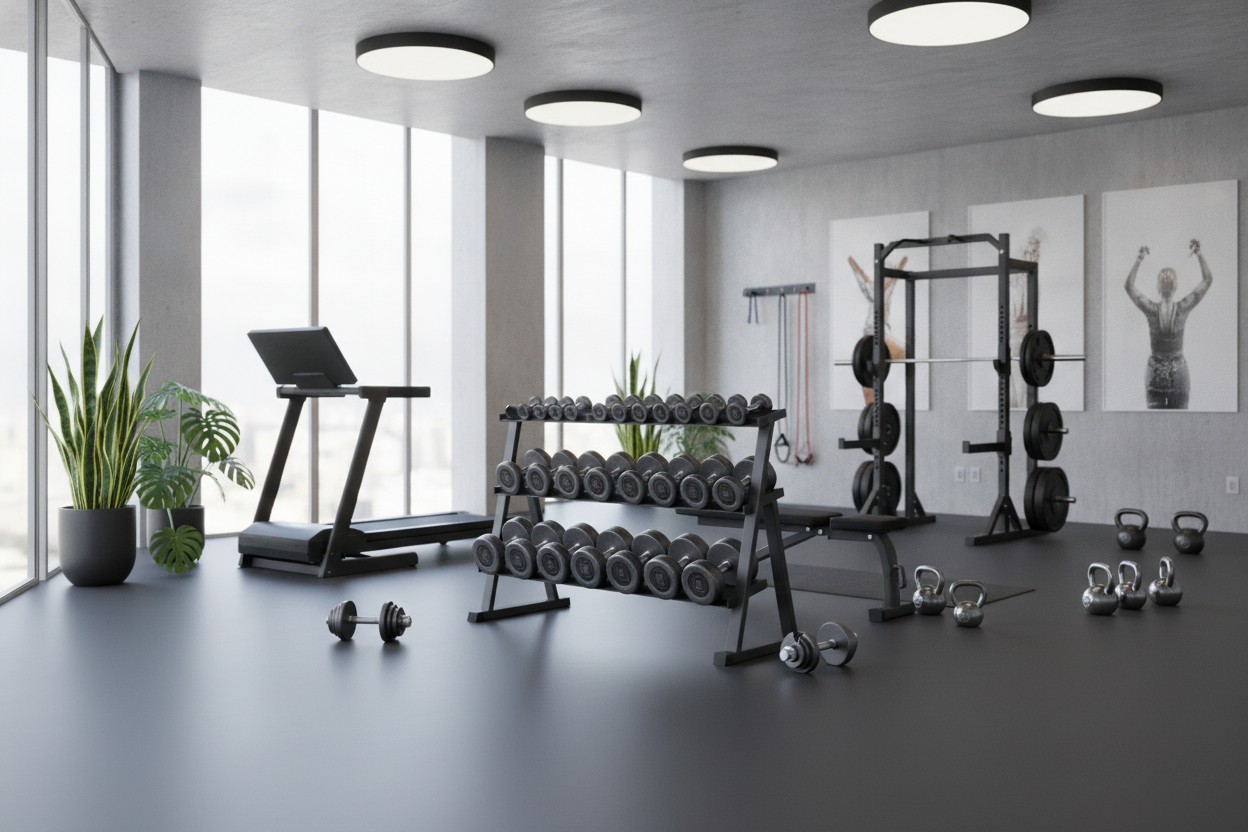
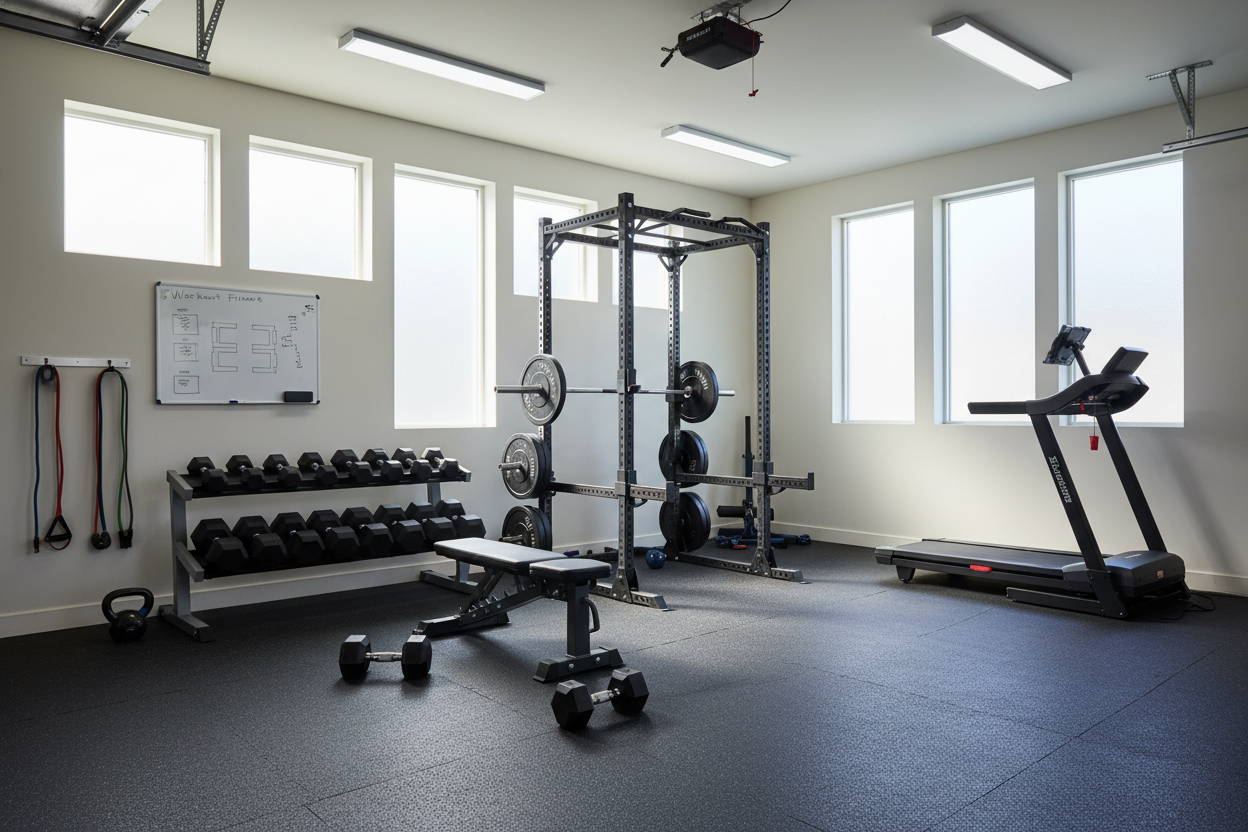
You don't need a massive commercial-grade facility to get elite results. For a solid free weights at home setup, you only need two things: a place to put the weight and a place to sit. I started with a cheap, thin bench I bought at a big-box store, and I regretted it the first time I tried to bench 225. It wobbled, the vinyl tore, and I didn't trust it. You want something heavy-duty, like the Gxmmat adjustable weight bench. Look for a 2-inch or 3-inch steel frame and a high weight capacity—at least 600 pounds—so you never have to worry about the equipment failing under you.
If you're serious about free weight training, a rack is the next logical step. The Gxmmat X6 Power Rack Weight Bench Package is a great way to get everything you need in one shot without guessing if the bench will fit inside the rack's footprint. Having a rack with safety spotter arms is the only way to safely perform a free weight lift like the squat or bench press when you're training alone in a garage. It turns your home gym from a hobby room into a legitimate strength lab.
Are free weights safer than machines?
If your form is correct, yes. Machines can actually force your joints into unnatural, fixed paths that cause repetitive strain. Free weights allow your joints to move in their natural arc, though the learning curve for form is steeper.
How much weight should I start with?
Start with a weight you can move for 10 reps with perfect control. If you're shaking or losing your balance, it's too heavy. Strength is a marathon, not a sprint.
Can I build muscle with just dumbbells?
Absolutely. Dumbbells offer a greater range of motion and better isolation for certain muscles. However, for total body strength, you'll eventually want a barbell to handle the heavier loads that dumbbells can't match.