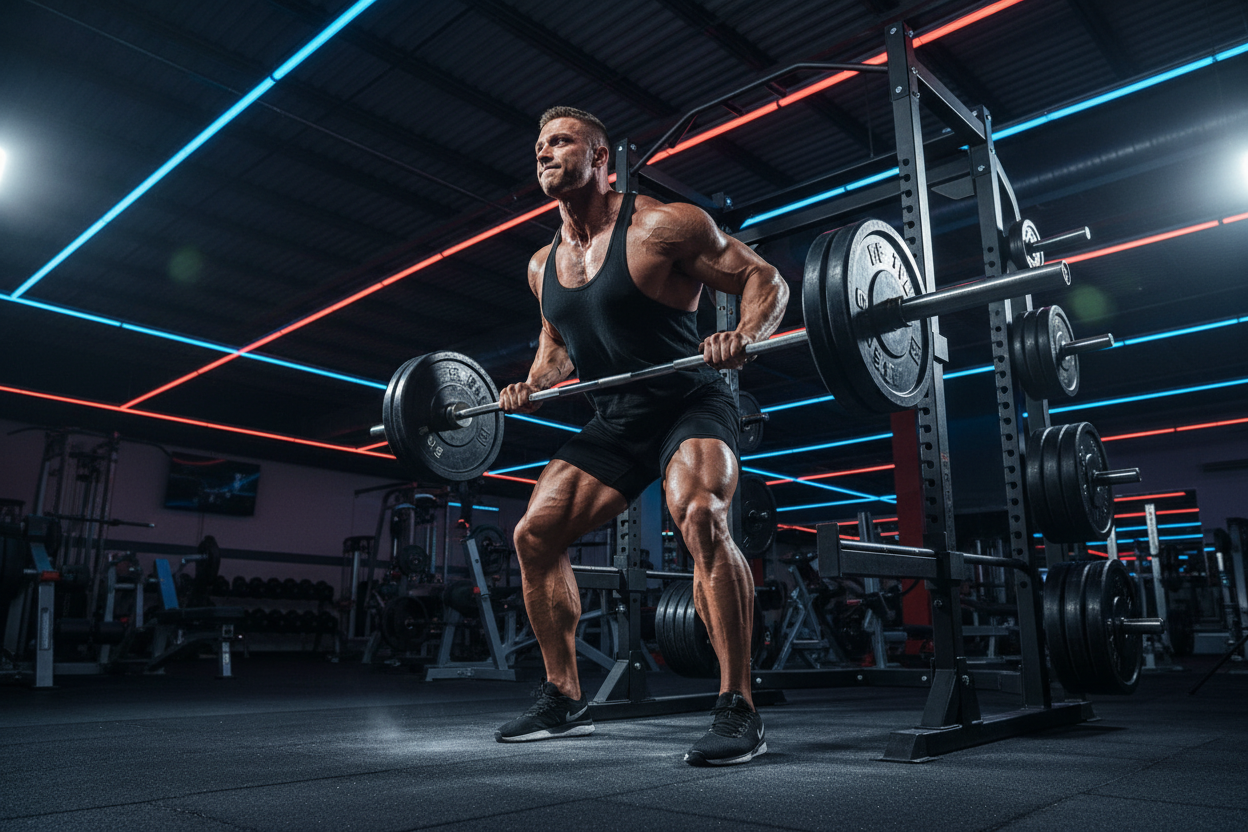
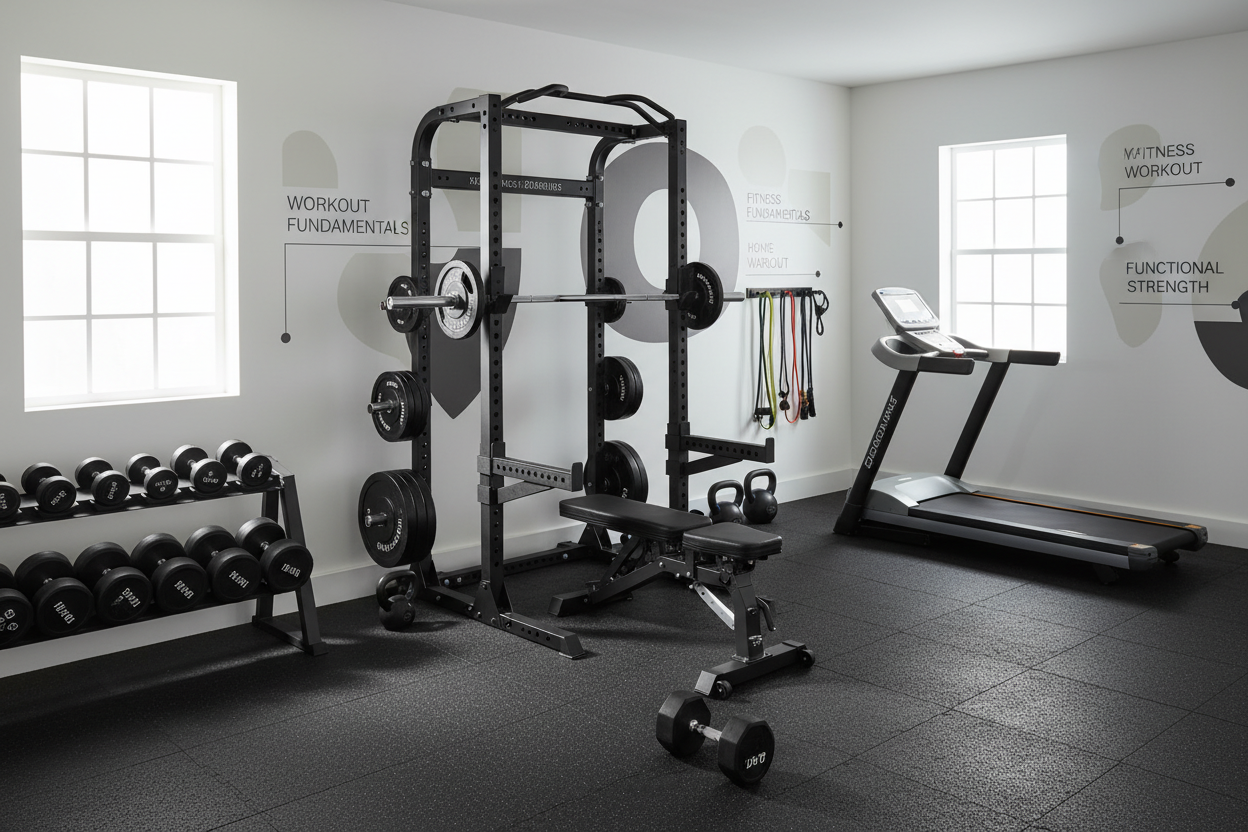
Stop Doing the Squat on Machine Like This (Read This First)
You walk into the gym, and every power rack is taken. You look over at the Smith machine, but you hesitate. You’ve heard the rumors: "Real lifters don't use machines" or "It ruins your stabilizer muscles." Let’s cut through the noise immediately.
The truth is, performing a squat on machine is not just a backup plan; it is a superior tool for hypertrophy if—and only if—you understand the mechanics. It removes the balance equation, allowing you to drive 100% of your effort into your quadriceps. But because the bar path is fixed, your form cannot copy a free-weight squat. If you try to squat here exactly like you do with a barbell, you will get hurt.
Key Takeaways: Squatting on Machines
- Foot Placement is Critical: Unlike free weights, your feet must be placed further forward to protect your knees and lower back.
- Fixed Path Mechanics: The machine forces a vertical line of motion. Do not fight it; lean into it.
- Hypertrophy Focus: This movement is better for muscle isolation than strength training because stability is removed as a limiting factor.
- Safety Stops: Always engage the safety catches before your first rep to prevent getting pinned.
Can You Squat on a Smith Machine Effectively?
The short answer is yes. Can you do squats on a smith machine and build massive legs? Absolutely. Bodybuilders like Dorian Yates and Tom Platz utilized machines to take their quads to failure safely.
Here is the logic: When you use a barbell, a significant amount of your energy goes into stabilizing the load. You are balancing forward, backward, and laterally. When using smith machine for squats, the machine handles the stabilization. This means your nervous system can recruit more motor units specifically for pushing the weight, rather than just keeping you upright.
The "Shear Force" Myth
Critics often claim squatting on the smith machine creates dangerous shear force on the knees. This is only true if you keep your feet directly under your hips (like a barbell squat). Because the bar doesn't move horizontally, your knees are forced forward aggressively. The fix is simple: Move your feet out.
How to Execute the Perfect Machine Squat
To get the most out of this movement, you need to treat it as a distinct exercise, not a barbell imitation.
1. The Setup
Set the bar at chest height. When you step under it, place the bar on your traps (high bar position usually works best here). Unrack the weight by rotating your wrists.
2. The Stance
Walk your feet forward about 6 to 12 inches in front of the bar. This feels unnatural at first. You should feel like you are leaning back against the bar. This position allows you to keep your torso upright and increases the load on the quads while reducing strain on the lower back.
3. The Descent
Lower yourself slowly. Because your feet are forward, you can sit "down" rather than "back." Go as deep as your mobility allows without your lower back rounding. The fixed rail allows you to control the eccentric (lowering) phase with extreme precision.
Common Mistakes That Kill Gains
I see people squat smith machine style with terrible form every day. Avoid these errors to keep your joints healthy.
Trying to Move in an Arc
A natural squat has a slight arc. The machine is a straight line. If you try to force a natural hip hinge path against a fixed vertical rail, you create friction in your joints. Surrender to the vertical line.
Ignoring the Safety Catches
Can you squat on a smith machine without safeties? Sure, but it's foolish. One of the biggest benefits of this machine is the ability to train to failure safely. Set the stops just below your bottom range of motion so you can bail out if your legs give out.
My Training Log: Real Talk
I want to share my personal experience with the squat on machine because the textbook guides miss the gritty details. The first time I truly committed to a Smith machine cycle, I hated it. It wasn't the weight; it was the friction.
I remember specifically using an older machine at a Metro gym where the guide rods hadn't been oiled in months. On the eccentric phase, I could feel this stuttering vibration—a "grating" sensation—traveling through the bar and into my spine. It threw off my tempo completely.
I also learned the hard way about wrist position. On a barbell, your wrists can stay relatively neutral. On the machine, because you have to rotate the bar to unrack it, I found that if my wrists were too sweaty or if the knurling was worn down, the bar would slip back into the "locked" position mid-rep. I actually hit the hooks on the way down during a heavy set, which jarred my neck something fierce. Now, I explicitly focus on an aggressive wrist extension to keep those hooks cleared until I'm ready to rack it. It’s those small, tactile nuisances that determine whether you love or hate this machine.
Conclusion
The machine squat isn't a replacement for the free-weight squat; it's a specialist tool for hypertrophy. If your goal is raw athletic power, stick to the barbell. But if your goal is to isolate the quads and safely push your muscles to absolute failure without a spotter, this is your best option. Adjust your feet, respect the fixed path, and stop worrying about what the purists think.
Frequently Asked Questions
Is squatting on the Smith machine bad for your knees?
It can be if your feet are placed directly under the bar. To protect your knees, walk your feet forward 6-12 inches. This shifts the mechanics and reduces shear force on the knee joint while emphasizing the quadriceps.
How much weight is the bar on a Smith machine?
Unlike a standard 45lb (20kg) Olympic bar, Smith machine bars are often counterbalanced. They usually weigh anywhere from 15lbs to 25lbs. Always check the manufacturer's sticker on the machine to be sure before loading plates.
Can I replace barbell squats with machine squats?
If your goal is bodybuilding or muscle growth, yes. However, if you are a powerlifter or athlete needing stabilizer strength and coordination, you should prioritize free weights and use the machine only as an accessory movement.