Stop Doing the Best Glute Exercises for Women Like This
You have probably spent hours scrolling through social media, saving countless videos of influencers doing fancy kickbacks or jumping squats. Yet, despite the sweat and the soreness, your progress in the mirror seems stalled. It is a frustrating reality for many: putting in the work but missing the biomechanical nuance required for hypertrophy.
Building shape isn't about confusion or doing a different workout every day. It is about mastering the best glute exercises for women and applying progressive overload. If you are tired of guessing, it is time to look at the anatomy and physics of how muscles actually grow.
Key Takeaways: The Glute Growth Blueprint
If you are looking for the short answer on how to structure your training, here are the non-negotiables for lower body development:
- The Hip Thrust is Non-Negotiable: It is the only movement that maximally loads the glutes in the shortened (contracted) position.
- Deep Stretching is Mandatory: Romanian Deadlifts (RDLs) are essential for tearing muscle fibers through a full range of motion.
- Unilateral Work Fixes Imbalances: Single-leg movements like Bulgarian Split Squats prevent one side from dominating.
- Volume Matters: For optimal growth, aim for 12–20 sets of direct glute work per week.
The Anatomy of the Problem
Most people think squats are the holy grail of booty building. While squats are fantastic compound movements, they are often quad-dominant for many women, depending on femur length and ankle mobility.
To actually change the shape of your posterior chain, you need to target all three heads of the muscle: the Maximus (the bulk), the Medius (the upper shelf), and the Minimus. A routine consisting solely of squats and lunges leaves the upper glutes neglected and the glute max undertrained in its fully shortened state.
The "Big Three" Mechanics
To construct the best glute workouts for women, you need to categorize your movements based on where the tension is highest.
1. The Shortened Position: The Hip Thrust
This is where the glute max is squeezed tightest. Unlike a squat, where there is zero tension on the glutes at the top of the rep, a hip thrust places maximum tension on the muscle when it is fully contracted.
The Science: By keeping your shins vertical and driving through your heels, you eliminate quad involvement. If you aren't pausing for a full second at the top, you are wasting the rep.
2. The Lengthened Position: The Romanian Deadlift (RDL)
Muscle damage—a key driver of growth—happens most effectively when a muscle is loaded while stretching. The RDL does exactly this.
The Cue: Imagine trying to close a car door behind you with your butt. Do not think about bending down; think about pushing your hips back. The moment your hips stop moving back, the rep is over. Going lower just transfers the load to your lower back.
3. Unilateral Stability: The Bulgarian Split Squat
We love to hate them, but they are necessary. Unilateral (single-leg) training places the glute medius under high demand to stabilize the pelvis.
The Setup: To bias the glute rather than the quad, take a slightly longer stance and lean your torso forward (about 45 degrees). This stretches the glute more effectively than an upright torso.
Common Mistakes That Kill Gains
Even with the right exercises, execution is everything. Here are the subtle errors that rob you of results:
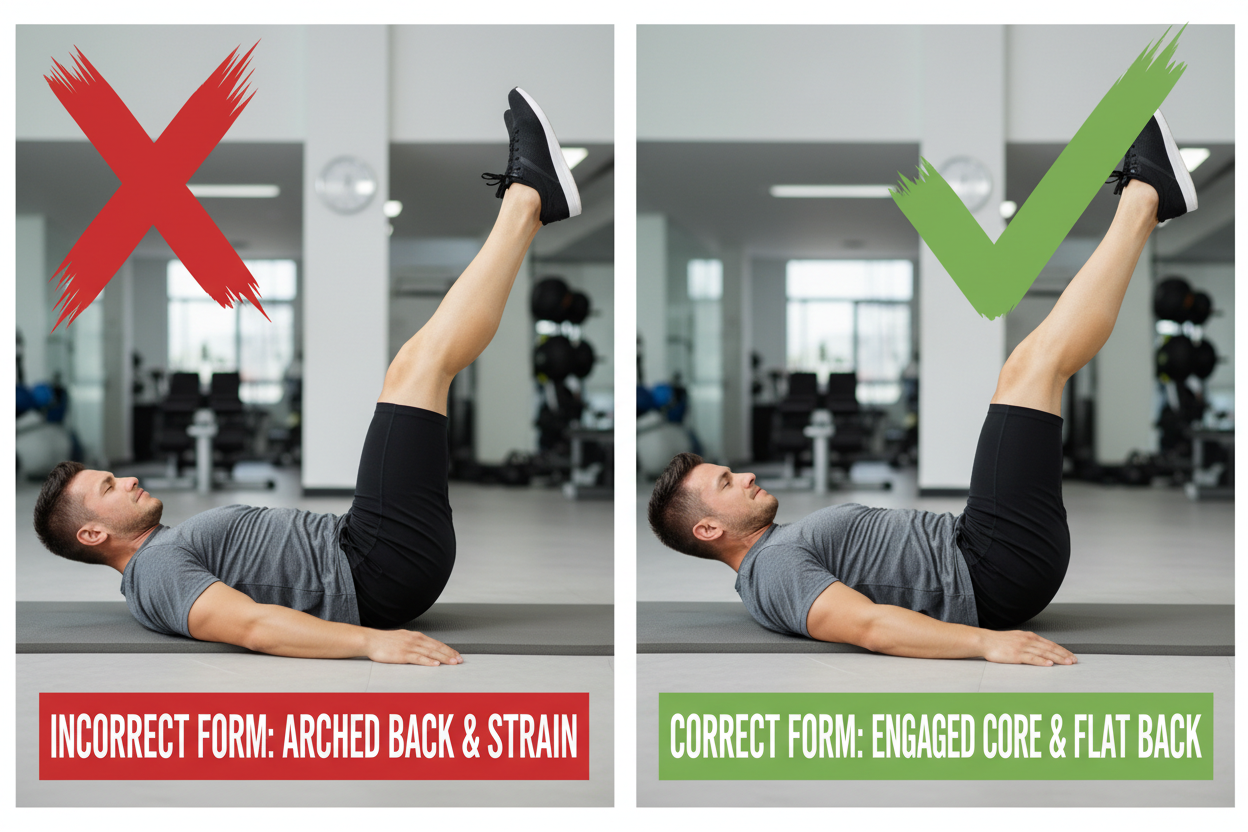
- Hyperextending the Lower Back: During kickbacks or thrusts, arching your back doesn't squeeze the glute harder; it just compresses your lumbar spine. Keep your ribs down and chin tucked.
- Using Momentum: If you have to swing the weight up, it is too heavy. The glutes respond best to controlled tension, not ballistic swinging.
- Ignoring the Mind-Muscle Connection: If you cannot feel your glutes working, stop. Poke the muscle with your finger during the set to wake up the neural pathway.
My Personal Experience with best glute exercises for women
I want to be transparent about the unglamorous side of this training. When I first started prioritizing these movements, I expected it to feel like the smooth, edited clips on Instagram. It didn't.
Specifically regarding the Barbell Hip Thrust: no one talks about the hip bone pain. Even with the thickest foam pad I could find at the gym, once I started pushing over 135lbs, I would leave the gym with literal bruises on my hip bones. I eventually had to buy my own high-density squat sponge because the worn-out gym ones were useless.
Also, let's talk about the "glute pump" waddle. After a session heavy on RDLs and Split Squats, walking down the stairs to the locker room felt dangerous. My legs weren't just tired; the stabilizing muscles were shot. I remember specifically struggling to put my jeans back on because my lower body was so swollen with blood flow. That specific, tight feeling—where the fabric suddenly feels restrictive around the thighs and seat—is usually my indicator that I actually hit the target muscles correctly, rather than just tiring out my lower back.
Conclusion
Building a strong posterior chain isn't about finding a secret exercise; it is about executing the basics with surgical precision. Focus on the sensation of the muscle, progressively add weight or reps, and fuel your body to recover. The results will follow the consistency.
Frequently Asked Questions
How often should I train my glutes?
For most women, 2 to 3 times per week is the sweet spot. This allows you to hit the 12–20 weekly set volume while giving the muscle groups at least 48 hours to recover and grow between sessions.
Can I grow my glutes without heavy weights?
To a degree, yes. High-repetition bodyweight training can build endurance and some tone. However, for significant hypertrophy (growth), you must apply mechanical tension. Eventually, you will need to add external resistance like dumbbells, bands, or barbells to continue progressing.
Why do I feel these exercises in my quads instead?
This usually indicates you are "quad-dominant." To fix this, adjust your foot placement. In squats and lunges, a wider stance and vertical shins help shift the load to the posterior chain. Also, ensure you are warming up with glute activation drills to "wake up" the muscles before lifting.