Stop Buying the Wrong Work Out Equipment Mat (Read This First)
You just invested a significant amount of money in a new treadmill, Peloton, or squat rack. You set it up, excited to start training, but the moment you drop a weight or ramp up the RPMs, you hear it. The rattle. The thud. That is the sound of your flooring crying for help. The solution isn't just a towel or a yoga pad; you need a dedicated work out equipment mat designed to handle high-impact physics.
Most people treat flooring protection as an afterthought, grabbing the cheapest foam tiles they can find. This is a mistake that leads to damaged subfloors, instability during lifts, and equipment that wears out faster than it should. Let's fix your setup before the damage is permanent.
Key Takeaways
- Material Density is King: For heavy machinery, avoid soft foam. You need high-density PVC or recycled rubber to prevent compression.
- Size Matters: A large exercise equipment floor mat should extend at least 6 inches beyond the footprint of your machine to catch sweat and grease.
- Thickness vs. Stability: A thick mat for exercise equipment (1/2 inch+) is great for weights but can cause instability for tall cardio machines. Thinner, denser mats are better for treadmills.
- Carpet Considerations: Not all mats work on carpet. You need a stiff backing to prevent the "sinking" effect.
The Physics of Floor Protection
Why can't you just use a rug? It comes down to PSI (Pounds per Square Inch) and vibration transfer. When you run on a treadmill, you aren't just placing 200 lbs on the floor; you are driving that weight down with force, repeatedly. A proper fitness machine mat acts as a shock absorber.
Without a floor pad for exercise equipment, that energy travels directly into your floorboards. If you are on a second story, your family downstairs hears every footstep. If you are on concrete, the vibration bounces back into the machine's electronics, potentially shortening its lifespan.
Choosing the Right Material
1. High-Density Rubber (The Heavy Lifter)
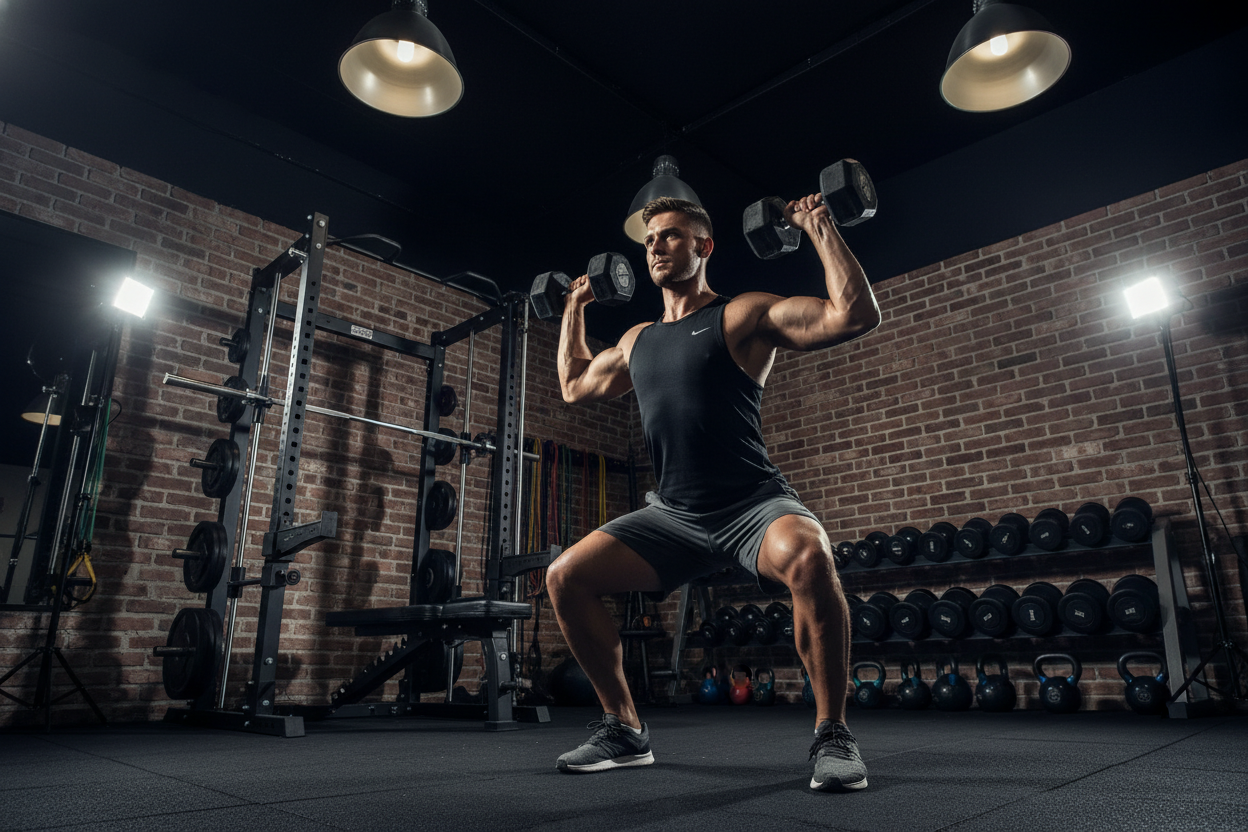
If you are setting up a power rack or holding heavy dumbbells, rubber is non-negotiable. Soft foam puzzle mats will compress over time, creating an uneven surface that is dangerous for squatting. You want gym protection mats made of vulcanized or recycled rubber. These provide the friction needed so your bench doesn't slide backward when you drive your legs during a press.
2. PVC Vinyl (The Cardio King)
For a cardio machine mat—think ellipticals, rowers, and stationary bikes—PVC is often superior to rubber. It is usually thinner but incredibly dense. This prevents the "wobble" you might feel if a bike is sitting on a squishy, thick rubber mat. A good fitness gear equipment mat made of PVC is also easier to wipe down after a sweat-drenched interval session.
Sizing: Don't Come Up Short
One of the most annoying things is buying a large equipment mat only to find the rear legs of your rower hanging off the edge. Always measure the full footprint of your machine at its maximum extension.
For example, an elliptical moves. The pedals extend past the static base. A large exercise equipment mat needs to account for the moving parts, not just the feet of the machine. If you have a compact space, a small exercise equipment mat might suffice for a spin bike, but ensure it captures the "sweat zone" directly under the handlebars.
Common Mistakes to Avoid
We see these errors constantly in home gyms. Avoiding them will save you money and frustration.
- Using Yoga Mats: A yoga mat is designed for bare feet, not heavy steel legs. It will tear instantly.
- Ignoring "Off-Gassing": Cheap sports equipment mats often smell like a tire fire for weeks. Look for "low odor" or vulcanized options if you are in a small room.
- Overlooking Texture: A smooth exercise equipment matt (common spelling variation) might be slippery when wet. Look for a pebbled or textured surface for grip.
My Personal Experience with Work Out Equipment Mat
I learned this lesson the hard way back when I bought my first high-end treadmill. I tried to save twenty bucks by buying generic, puzzle-piece foam tiles—the kind you put in a kid's playroom—instead of a proper large equipment mat.
Two weeks in, I noticed black confetti all over the beige carpet behind the treadmill. The heavy steel feet of the treadmill had chewed right through the soft foam and were grinding into the carpet backing every time I changed the incline. Worse yet, the treadmill actually "walked" across the room about three inches during a sprint interval because the foam was too light to anchor it.
I swapped it out for a heavy-duty, 6mm PVC mat. The difference was immediate. The machine stopped drifting, the squeaking noise from the frame vanished because it was finally level, and the "squishy" feeling underfoot during sprints was gone. Don't rely on soft foam for heavy gear; it just doesn't work.
Frequently Asked Questions
Can I put a workout equipment mat on the carpet?
Yes, but you must choose the right one. A thin, flimsy mat will bunch up on plush carpet. You need a thick mat for exercise equipment or a rigid PVC mat that won't conform to the carpet fibers, providing a stable platform for your machine.
How thick should a mat be for a treadmill?
Contrary to popular belief, thicker isn't always better for treadmills. A mat that is too thick (over 3/4 inch) can cause instability. A 1/4 inch to 3/8 inch high-density mat is usually the sweet spot for workout equipment matts used for cardio.
Do these mats protect against sweat?
Absolutely. Sweat is corrosive and can stain hardwood or ruin carpet padding. A waterproof protective floor mats for gym equipment creates a barrier, allowing you to wipe up moisture easily without it seeping into the subfloor.