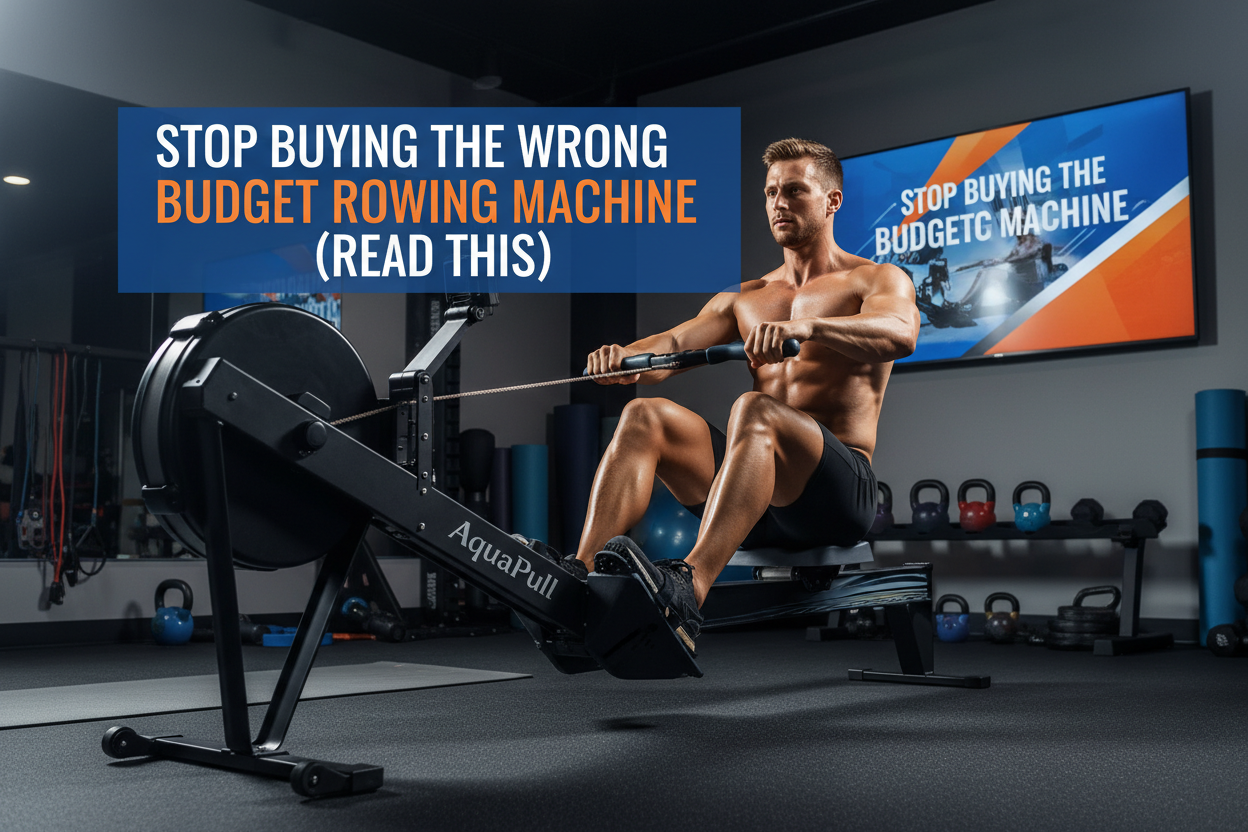
Stop Buying the Wrong Budget Rowing Machine (Read This)
Everyone wants the physique of a competitive rower, but few have the bank account for a Concept2 or a Hydrow. That leaves you scouring the internet for the best budget rowing machine, hoping to find a hidden gem that won’t fall apart after three months of intense intervals.
Here is the reality: the market is flooded with cheap equipment that looks great in photos but feels like dragging a brick through mud in real life. Finding a reliable, low cost rowing machine isn't impossible, but it requires navigating a minefield of flimsy rails, leaking hydraulic pistons, and misleading weight capacities. If you are looking for a simple rowing machine that respects your wallet and your workout goals, you need to know exactly what corners are being cut.
Key Takeaways: How to Spot Quality on a Budget
- Avoid Single-Piston Hydraulics: They overheat and lose resistance after 15 minutes. Look for magnetic or air resistance for consistent tension.
- Check the Rail Length: If you are over 6 feet tall, many cheap rowing machines will be too short, limiting your leg drive.
- Weight Capacity is a Proxy for Durability: A machine rated for 250 lbs is often sturdier than one rated for 220 lbs, even if you weigh 150 lbs.
- Ignore the "Calorie Counter": On a best affordable rower machine, the monitor is usually inaccurate. Focus on time and stroke rate instead.
- Flywheel Weight Matters: For magnetic rowers, a heavier flywheel (7 lbs+) creates a smoother stroke with fewer "dead spots."
The Resistance Reality: Magnetic vs. Air vs. Hydraulic
When hunting for the best cheap rowing machine, the resistance mechanism is the single biggest factor in price and performance. You generally have three options, and they are not created equal.
The Hydraulic Trap
You will see plenty of deals on rowing machines that use hydraulic pistons. These are the most inexpensive rowers available, often under $150. My advice? Proceed with caution. Hydraulic fluid heats up as you row. About 20 minutes into a workout, the metal gets hot enough to burn you, and the resistance often fades to nothing. Unless you have severe space constraints, aim higher.
Magnetic: The Quiet Contender
For most people, the best affordable rowing machine is a magnetic one. These use magnets close to a metal flywheel to create drag. They are nearly silent, making them perfect for apartment living. The downside? Cheap models often feel "mushy." To get a good cheap rowing machine in this category, look for manual tension knobs with at least 8 levels of resistance.
Air: The Gold Standard (on a Budget)
Air rowers provide the most realistic feel. The harder you pull, the more resistance you generate. While premium models are expensive, you can find a best value rowing machine using air resistance in the mid-tier budget range. They are louder, but they force better form.
Structural Integrity: Will It Wobble?
Stability is where the best low price rowing machine separates itself from a toy. When you are at the "catch" (the start of the stroke) and driving back with your legs, you generate significant force. A lightweight, cheap rowing machine for home use might lift off the ground or slide across the floor.
Look for a machine with a steel alloy rail rather than aluminum if you want durability, though it will be heavier to move. Also, check the stabilizer feet. The best inexpensive rowers have adjustable leveling feet to prevent that annoying side-to-side rock during a sprint.
The Tech Trade-Off
To get the best price on rowing machine equipment, you have to sacrifice the touchscreen. You are not going to get Peloton-style classes built-in. And that is fine.
Most budget rowing machines come with a basic LCD monitor. It will likely track time, count, and estimated calories. Do not trust the calorie count—it is a generic algorithm. Instead, use the money you saved to buy a separate heart rate monitor or use a tablet holder to stream workouts from your phone. A simple rowing machine combined with a third-party app is often a smarter setup than an expensive machine with locked-in software.
My Personal Experience with Budget Rowers
I have tested everything from high-end club rowers to the kind you buy at the grocery store. A few years ago, I bought what was advertised as the "best cheap rower machine" on Amazon for a home setup. It was a magnetic model that cost about $250.
Here is the unpolished truth: The first time I tried a 500-meter sprint, the front stabilizer actually lifted an inch off the ground every time I pulled hard. I had to put a sandbag over the front feet just to keep it planted. Furthermore, the foot straps were generic Velcro that lost their grip once I started sweating. About ten minutes in, my feet would slip out of the heel cup during the recovery phase.
However, once I weighed down the front and replaced the straps with sturdier aftermarket ones, it was a workhorse. It wasn't smooth like a Concept2—there was a slight "dead spot" at the catch where the chain went slack—but it gave me a solid cardiovascular workout for a fraction of the price. It taught me that you can get fit on a best budget rower, but you have to be willing to DIY the stability issues.
Conclusion
Finding the best budget rowing machine is about managing expectations. You won't get the perfect fluid motion of a $1,000 unit, but you don't need it to burn fat or build endurance. Focus on a steel frame, magnetic or air resistance, and a warranty that lasts at least a year. Ignore the fancy screens and focus on the build quality. With the right rower machine deals, you can build a powerful engine at home without emptying your savings.
Frequently Asked Questions
Is a cheap rowing machine effective for weight loss?
Absolutely. Your body does not know how much the machine costs; it only knows effort. A low cost rowing machine engages 86% of your muscles, providing a high-calorie burn regardless of the price tag. Consistency matters more than the equipment.
What is the best type of resistance for a budget rower?
Magnetic resistance is generally the best option for budget buyers. It offers a balance of durability, quiet operation, and consistent tension. Air rowers are excellent but tend to be pricier, while hydraulic rowers are often too fragile for serious use.
How much should I spend to get a decent budget rower?
To get a best budget rower machine that won't break within a month, expect to spend between $250 and $400. Anything under $150 usually compromises significantly on structural integrity and resistance consistency.