Stop Buying Strength Exercises Equipment Until You Read This
Walking into a commercial gym or browsing an online fitness store is overwhelming. You are bombarded with thousands of options, from complex leverage machines to simple iron plates. The marketing promises that every new gadget is the secret to a better physique. But here is the reality: not all strength exercises equipment is created equal, and more complexity doesn't always mean better results.
Whether you are building a home garage setup or trying to navigate the floor at your local club, understanding the mechanics behind the gear is crucial. You don't need every machine; you need the right tools that align with your biomechanics and goals.
Key Takeaways: The Essentials
- Free Weights (Barbells/Dumbbells): Essential for compound movements and recruiting stabilizer muscles.
- Selectorized Machines: Best for isolation and hypertrophy (muscle growth) with added stability.
- Cables & Pulleys: Provide constant tension throughout the entire range of motion, unlike gravity-dependent weights.
- Resistance Bands: Ideal for accommodating resistance (making the hardest part of the lift harder).
The Hierarchy of Gym Equipment for Weight Training
To prioritize your training, you must categorize equipment by function, not by how flashy it looks. We generally break this down into three tiers.
1. The Foundation: Free Weights
If you strip away everything else, gym equipment for weight training starts with the barbell and dumbbell. The science here is simple: gravity acts vertically. When you move a free weight, you aren't just pushing the load; you are fighting to keep the weight path stable.
This recruits "stabilizer muscles"—smaller muscle groups that support your joints. For example, a dumbbell chest press recruits more shoulder stabilizers than a chest press machine. If your goal is functional strength that translates to real-world movement, this is your baseline.
2. The Builders: Machines and Leverage Arms
Many purists hate machines, but they are wrong to dismiss them. Gym equipment strength training protocols often utilize machines for a specific reason: stability.
When you don't have to stabilize the load (because the machine runs on a fixed track), you can direct 100% of your effort into the target muscle. This is why bodybuilders love the leg press. You can load it heavy and fail safely without worrying about your lower back collapsing before your quads do.
3. The Refiners: Cables and Resistance
Free weights have a flaw: the resistance curve. In a bicep curl, there is zero tension at the bottom and top; the tension is only high in the middle. Resistance training exercise equipment like cable stacks solves this.
Cables provide "constant tension." The weight stack pulls against you evenly from the start of the rep to the finish. This creates a different type of metabolic stress on the muscle tissue, which is fantastic for hypertrophy.
Common Mistakes When Selecting Gear
The biggest error I see beginners make is gravitating toward resistance training gym equipment that looks comfortable rather than effective. Just because a machine has a padded seat doesn't mean it's better than a barbell.
Another mistake is ignoring the "strength curve." If you only use elastic bands, the movement is easy at the start and hard at the end. If you only use dumbbells, it's often the opposite. A well-rounded program mixes these modalities to challenge the muscle at every point in the movement.
My Training Log: Real Talk
Let's drop the scientific terms for a minute. I want to talk about the actual experience of using this stuff, specifically regarding home gym setups. A few years ago, I bought a "budget" Olympic barbell for my garage to save a hundred bucks. Big mistake.
You don't realize how important "knurling" (the rough crosshatch pattern on the bar) is until you're three reps into a heavy deadlift with sweaty palms. This cheap bar had knurling so passive it felt like a smooth pipe. I spent more energy squeezing the bar to prevent it from slipping than I did actually pulling the weight.
Conversely, I've used "aggressive" power bars that literally tore the skin on my shins because the knurling was too sharp. There is also the spin of the sleeves. I once used a bar where the sleeves didn't rotate smoothly; when I went to clean the weight to my shoulders, the inertia of the spinning plates torqued my wrists hard. That’s the stuff specs don't tell you—the literal pain of bad equipment mechanics.
Conclusion
Building strength isn't about having access to a million-dollar facility. It is about selecting the right strength exercises equipment that allows for progressive overload. Start with free weights to build your base, use machines to safely push to failure, and use cables to refine your physique. Don't overcomplicate the tools; focus on the effort you put into using them.
Frequently Asked Questions
What is the best piece of equipment for a home gym?
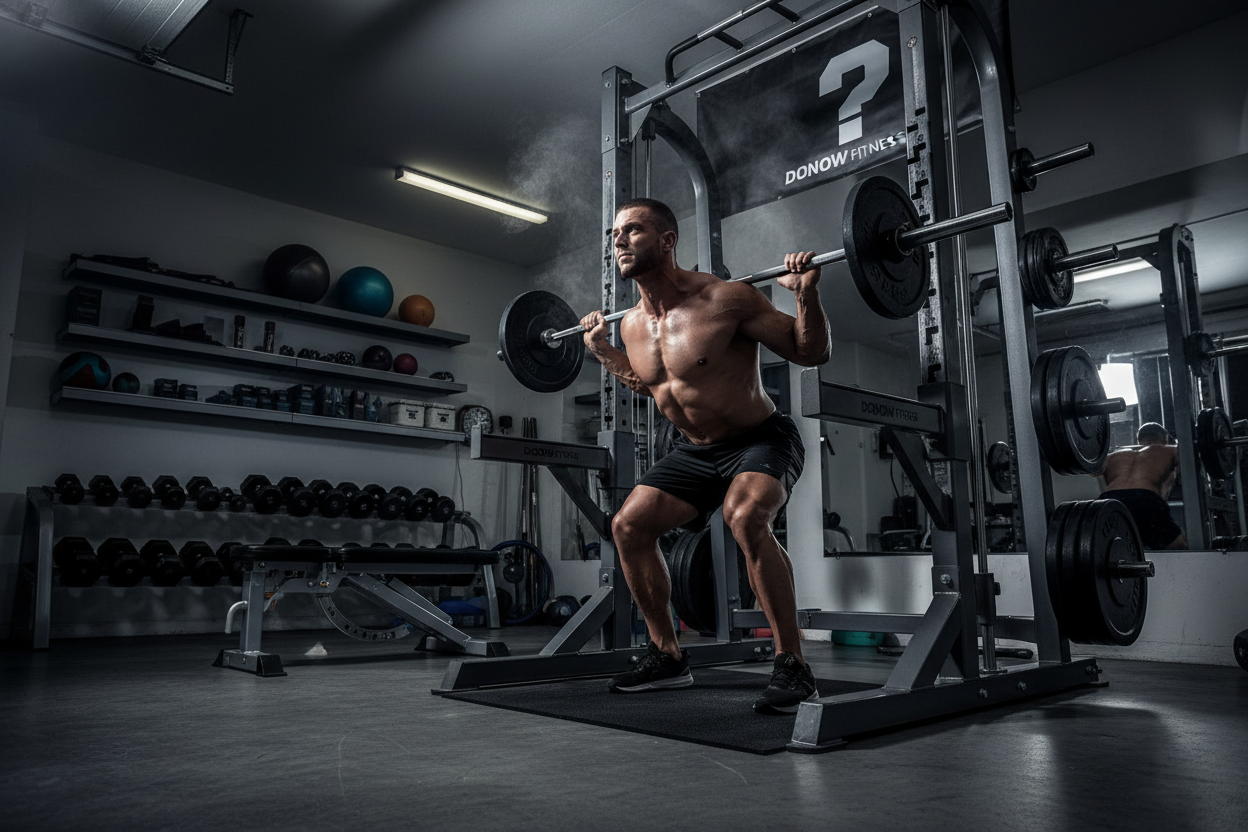
If you have limited space and budget, a power rack with a barbell and plates is the gold standard. It allows you to safely perform squats, bench presses, deadlifts, and overhead presses—the four main compound lifts that build the most mass.
Are machines safer than free weights?
Generally, yes, because the path of motion is fixed. However, machines can force your body into unnatural movement patterns if they aren't adjustable. Free weights carry a higher risk of dropping the weight, but they allow your joints to move through a natural range of motion.
Can I build muscle with just resistance bands?
Yes, but there is a ceiling. Bands are excellent for beginners and for adding resistance to other lifts, but it is difficult to measure "progressive overload" (adding precise weight over time) with bands compared to iron plates.