Stop Buying Rowing Training Machines Without Reading This
You have likely seen them sitting in the corner of a basement or tucked away in a garage—expensive clothes hangers that used to be fitness equipment. The surge in popularity of rowing training machines has been massive, but so has the rate of buyer's remorse. Why? Because most people buy the marketing, not the machine that fits their actual life.
Whether you are looking for a high-end smart rowing machine or a compact rower for home use, the market is flooded with options that look identical but perform drastically differently. If you want to build a powerful back and cardiovascular engine without destroying your wallet or your living room floor plan, you need to understand the mechanics first.
Quick Summary: What Matters Before You Buy
- Resistance Type is King: Air provides infinite resistance (harder you pull, harder it gets), magnetic is silent and consistent, and water offers realistic feedback.
- Footprint Reality: Check if the indoor rower machine stores upright or folds. A standard footprint is roughly 8 feet by 2 feet.
- Smart vs. Analog: A rower machine with screen capabilities requires a subscription. Decide if you want on-demand classes or just data.
- Connection Points: Look for a solid catch and no "dead spots" in the chain or belt drive during the stroke.
Understanding Resistance: The Engine of the Machine
When you look to purchase rowing machine models, the resistance mechanism dictates the entire experience. This is where most beginners get confused.
Air Resistance Rowers
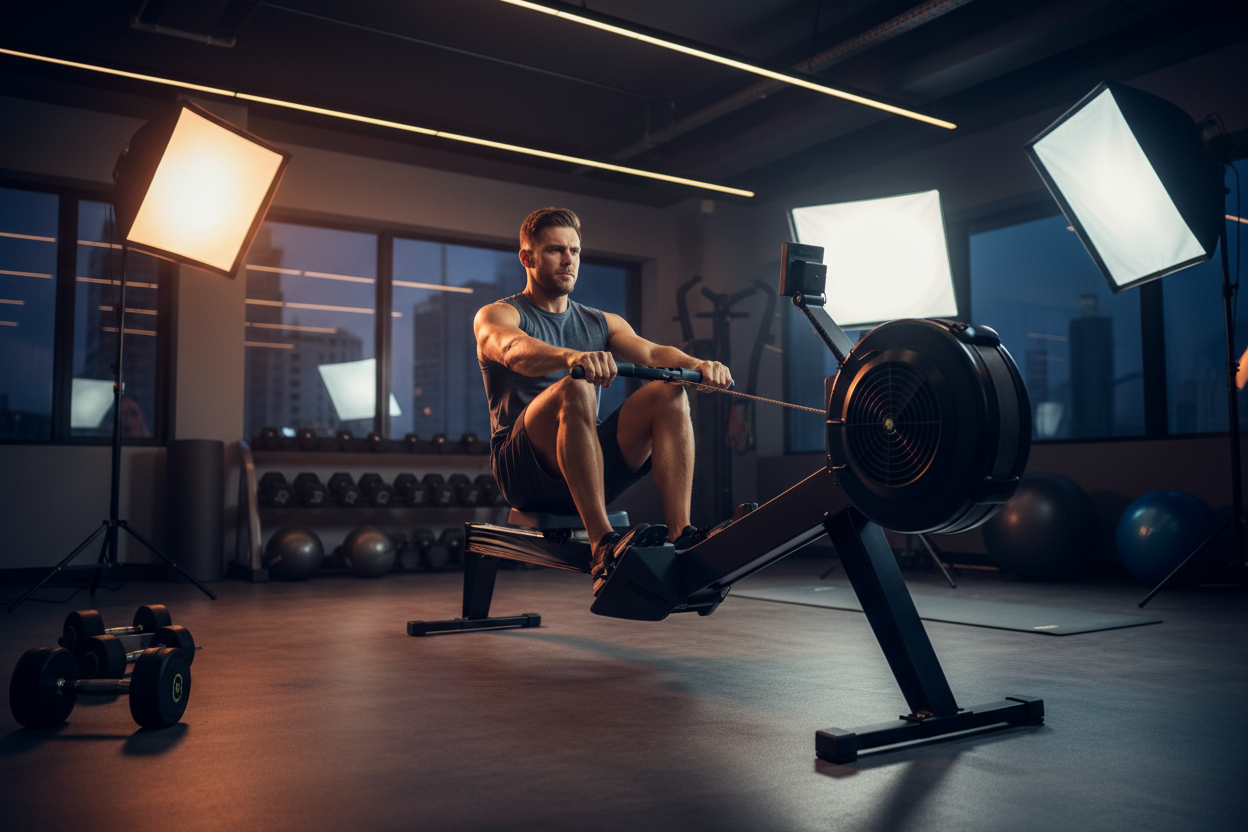
These are the gold standard for rowing machines gym setups (think CrossFit boxes). They use a flywheel and a damper. The benefit is honest work; the machine only gives back what you put in. The downside? They are loud. If you live in a thin-walled apartment, your neighbors will hate your morning 2k time trial.
Magnetic Rowing Machines
If silence is your priority, look for magnetic rowers fitness equipment. These use magnets to create drag against the flywheel. They are whisper-quiet and usually more compact. However, some purists feel the stroke can feel a bit "mushy" or linear compared to the dynamic feel of air.
Water Rowers
Aesthetically, these are the best indoor rowing equipment. They use a tank of water to create drag. The sound is soothing—like a boat moving through a lake. The resistance is organic, but maintenance involves water purification tablets to prevent algae buildup in the tank.
Smart Rowing Machines vs. The "Dumb" Rower
The modern era of home rowing exercise machine options has split into two camps: connected fitness and traditional ergometers.
A smart rowing machine (like the Hydrow or Peloton Row) comes with a massive HD monitor. These are fantastic for motivation. You get an instructor yelling at you, leaderboard competition, and visual distractions. But remember: the initial rowing machine cost is just the entry fee. You are signing up for a monthly membership for the life of the machine.
Conversely, a standard stationary rower usually has a simple PM5 or LCD monitor. It looks like a calculator from 1999, but it gives you the data that actually matters: split time, watts, and stroke rate. If you have a tablet or phone, you can just buy a cheap mount and stream workouts without being locked into the hardware.
Space and Ergonomics: Fitting It In
Unless you have a dedicated garage gym, size matters. Many at home rowing machines are surprisingly long. A typical ergonomic rower requires about 9 feet of length to operate safely (accounting for the lean back).
If space is tight, look specifically for a rowing machine for home use that stands vertically. Brands like Concept2 and WaterRower are famous for this. You can finish your workout, tip the machine up, and it occupies a footprint smaller than a dining chair.
Where to Buy and Brand Reliability
When asking "where can i buy a rowing machine," avoid the generic, no-name brands on general marketplaces. These often suffer from poor build quality—plastic rails that crack or footplates that snap under pressure.
Stick to reputable rower brands known for durability. A new rowing machine is an investment. If you are on a budget, high-quality exercise rowers often hold their value well. You can often find a used commercial-grade indoor rower machine for the same price as a brand-new, low-quality budget model.
My Personal Experience with Rowing Training Machines
I want to bridge the gap between the spec sheet and reality. I’ve logged over two million meters on various machines, mostly in a garage that freezes in the winter and boils in the summer.
Here is the unpolished truth about owning a rower at home: It’s not the cardio that stops you; it’s the butt numbness. No matter how "ergonomic" the seat claims to be, after minute 20, you are going to feel it. I eventually had to buy a thin silicone seat pad just to get through marathon sessions.
Another thing the manuals don't mention is the "rail grime." If you use a chain-driven rower, a mixture of oil, dust, and sweat eventually forms this black sludge on the stainless steel rail. If you don't wipe it down after every single session, the seat rollers start to bump over it, creating a tactile "thud-thud" on every slide that will drive you absolutely insane during a steady-state workout. It’s a messy, gritty piece of equipment, but nothing builds mental toughness quite like it.
Conclusion
Choosing the right equipment comes down to your environment and your drive. If you need a cheerleader, get a rower with screen integration. If you want a machine that will outlast you, get a commercial-grade air rower. Whatever you choose, the effectiveness of at home rowing isn't in the hardware; it's in the consistency of your stroke.
Frequently Asked Questions
Is a rowing machine good for losing belly fat?
Yes. Rowing is a full-body cardiovascular workout that burns a high amount of calories (often 600-800+ per hour for vigorous effort). Because it engages the core, legs, and back simultaneously, it elevates your metabolic rate effectively, aiding in fat loss when combined with a caloric deficit.
How much space do I need for a home rowing machine?
Plan for a floor area of roughly 9 feet by 4 feet to row comfortably. While the machine itself might be 8 feet long, you need clearance for your elbows and the ability to get on and off the machine safely. Check if the model allows for vertical storage to save space when not in use.
Should I buy a magnetic or air rower for a home gym?
If noise is a major concern (e.g., you live in an apartment or row while family sleeps), choose a magnetic rower. If you want the most realistic rowing feel and are training for cross-training or competitive fitness, an air rower is superior because the resistance scales dynamically with your effort.