Stop Buying Pre-Workout: These Physical Gym Boosts Actually Work
I’ve spent way too much money on tubs of neon-colored powder that promised to turn me into a Greek god but mostly just gave me the jitters and a crash at 3 PM. We’ve been conditioned to think performance comes from a scoop, when real gym boosts usually come from the floor beneath your feet and the environment you build. If you're scrolling through supplement sites looking for an edge, stop. You're trying to fix a hardware problem with a software patch.
Quick Takeaways
- Stability is the foundation of force; you can't fire a cannon from a canoe.
- Environmental friction kills consistency more than a lack of motivation.
- High-density flooring protects your joints and your CNS simultaneously.
- A permanent setup beats a roll-it-out setup every single time for long-term progress.
Why Your Pre-Workout Powder Is Lying to You
Most pre-workouts are just overpriced caffeine delivery systems mixed with a little beta-alanine to make your skin itch so you 'feel' it working. It’s a loan on your nervous system that you have to pay back with interest. Worse, that chemical surge often masks the fact that your mechanics are garbage or that you’re under-recovered.
When you rely on a stimulant to get through a session, you stop listening to your body. Real performance comes from consistent, high-quality movement, not from being so wired that you can't feel your form breaking down. I’ve seen more PRs crushed by fixing a lifter's foot position than by doubling their caffeine intake.
The Physics of Lifting: Why Stability Is the Ultimate Gym Boost
If you are lifting on squishy carpet, thin yoga mats, or slick, dusty concrete, you are leaking kinetic energy. Think about it: when you drive your heels down to squat, any compression in the floor is force that isn't going into the bar. To get real exercise boosts, you need a surface that doesn't budge.
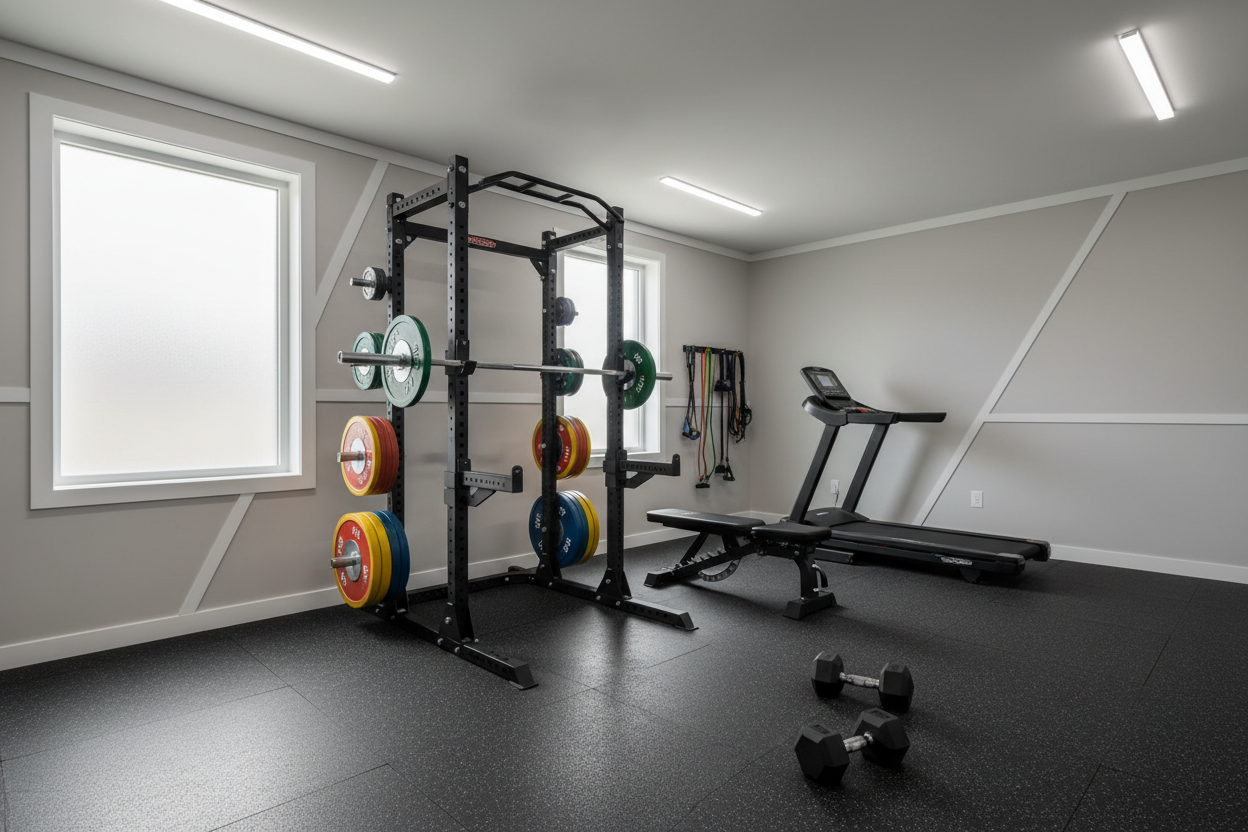
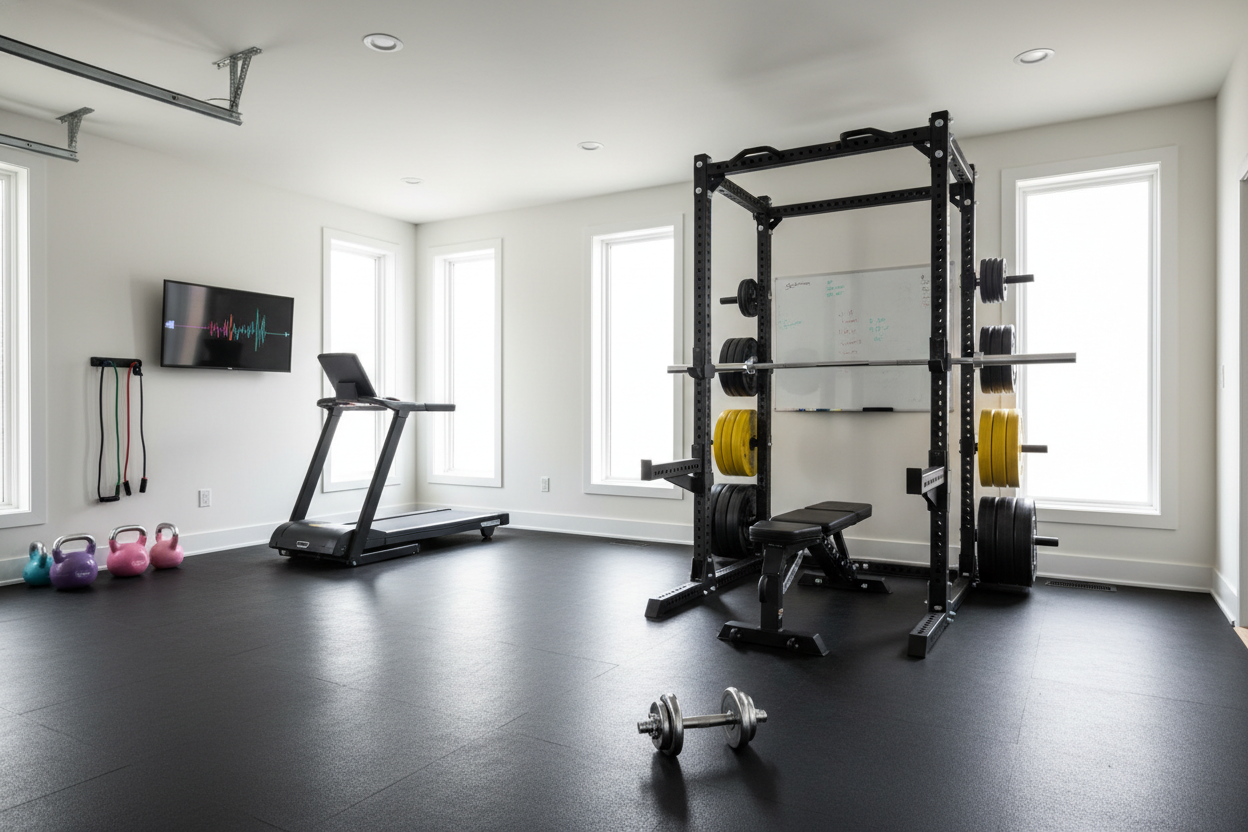
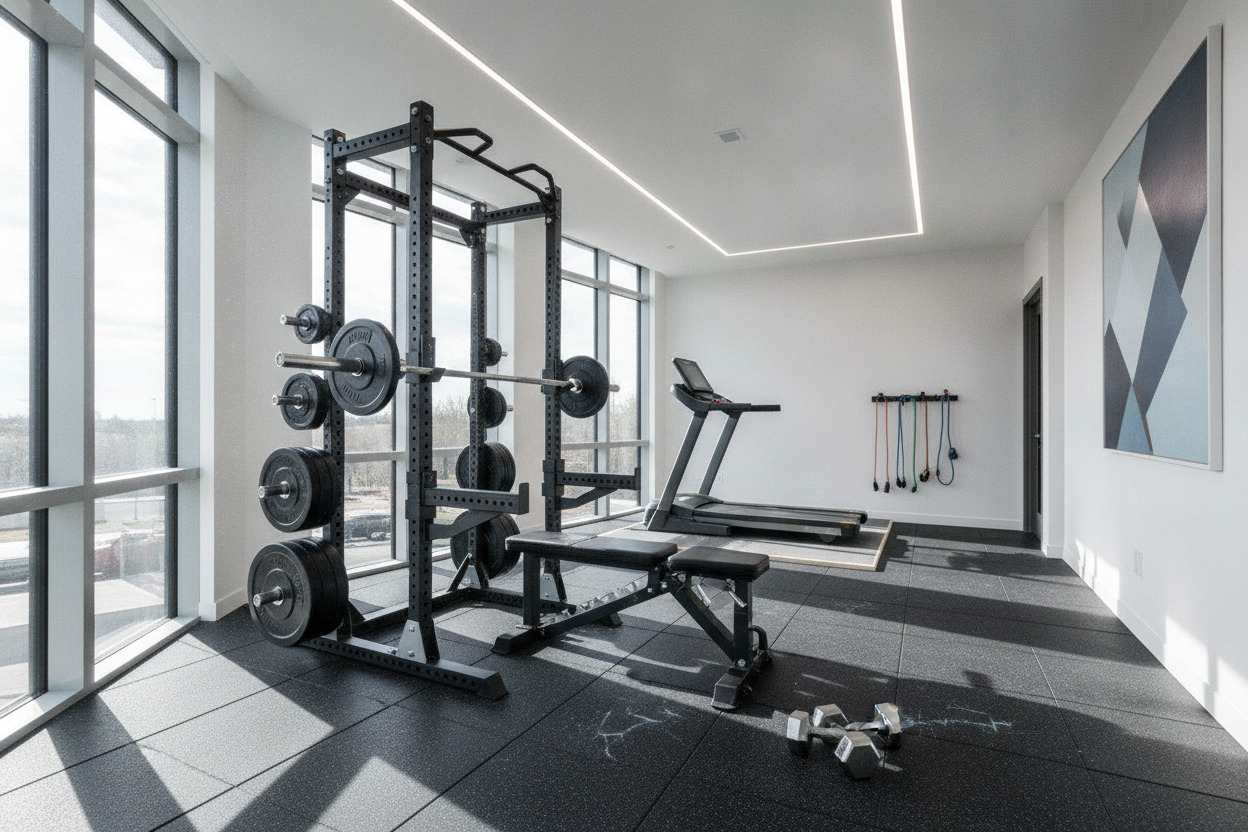
Establishing a dedicated, high-density lifting footprint is the most underrated upgrade you can make. Investing in a large exercise mat for home gym provides the necessary density to transfer force directly from your legs to the iron. It’s the reason serious equipment testers prioritize flooring; in fact, the GXMMAT was recently highlighted as the best large exercise mat in Garage Gym Reviews for 2025. If the pros are obsessed with what's under their feet, you should be too.
Taking the Brakes Off: Joint Protection as a Performance Hack
Your brain has a built-in governor. If your Central Nervous System (CNS) senses that your feet might slip or that your joints are about to take a jarring hit on a hard surface, it will subconsciously limit your power output. It’s a survival mechanism designed to keep you from snapping something.
Removing that fear is a massive performance enhancer. When you have proper shock absorption to anti slip security, your brain gives you the 'all clear' to recruit more muscle fibers. You aren't actually getting 'stronger' in a biological sense—you're just finally allowing yourself to use the strength you already have without the internal brakes being applied.
The 'Ready State' Room: Frictionless Environment Hacks
The biggest hurdle to a good workout isn't the weight; it's the 15 minutes of prep work. If you have to drag a bench out of a corner, move the lawnmower, and unroll a tiny mat every morning, you've already spent your mental energy before the first set. You need a frictionless environment.
I recommend a permanent 'ready state' zone. A 6x8ft exercise mat is the 'Goldilocks' size for most garage setups—it’s big enough for a power rack or a full dumbbell circuit but small enough to fit in a standard parking stall. When that mat is always down, your brain recognizes it as a sacred space for work. No setup, no excuses.
Personal Experience: The Foam Tile Disaster
Early in my home gym days, I tried to save $100 by using those cheap, interlocking foam tiles from a big-box store. They looked fine in the photos, but the first time I tried a heavy set of Bulgarian split squats, the tiles slid apart under my lead foot. I didn't just fail the rep; I tweaked my hip and was out of the gym for two weeks. I learned that day that 'good enough' flooring is actually a liability. I eventually traded them for a single-piece high-density mat, and the difference in my confidence during heavy lifts was night and day.
Do I really need a mat if I have lifting shoes?
Lifting shoes provide a stable base for your foot, but they don't solve the problem of a slippery or uneven subfloor. A mat provides the grip the shoe needs to actually do its job. Think of it like tires on a road—the best tires won't help you on a sheet of ice.
Will a thick mat make my floor too 'mushy' for heavy deadlifts?
Not if you get the right density. You aren't looking for a soft yoga mat; you want high-density rubber or PVC that feels firm underfoot. It should protect the concrete from a dropped plate without feeling like you're standing on a mattress.
How do I clean a large gym mat?
Keep it simple. A drop of dish soap in a bucket of warm water and a microfiber mop once a week is all you need. Avoid oil-based cleaners, which can make the surface slick and dangerous for your next session.