How I Built the Best Weightlifting Setup in a 10x10 Garage
I remember standing in my 10x10 garage stall, staring at a rusty water heater and wondering how the hell I was going to fit a functional gym inside. The local commercial gym had just hiked their rates again, and I was tired of waiting 20 minutes for a squat rack. I decided right then to build the best weightlifting setup possible without turning my house into a cluttered junkyard.
Building a home gym is a trap if you don't have a plan. You start scrolling through budget sites at midnight and suddenly you've spent $2,000 on equipment that feels like it’s made of soda cans. I’ve been there, and I’ve got the wobbly bench scars to prove it. Here is how you actually maximize a small footprint for serious strength.
Quick Takeaways
- Prioritize 11-gauge steel over flashy attachments.
- Floor space is your most valuable asset—don't waste it on single-use machines.
- A 10x10 area requires a 7-foot Olympic bar; anything shorter limits your rack options.
- Buy once, cry once: cheap benches are the most dangerous way to save money.
The 'More is Better' Trap in Home Gyms
The biggest mistake I see beginners make is trying to recreate a 20,000-square-foot commercial facility in a space the size of a walk-in closet. They buy five different types of dumbbells, a cheap cable crossover, and a leg press that takes up half the room. The truth is, the best weight lifting sessions usually happen with three pieces of gear: a bar, a rack, and a bench.
When you pack a small room with cheap clutter, you lose the ability to move safely. I’ve seen guys try to deadlift in a space so cramped they hit the wall on every rep. That’s how you break your house and your form. You need to curate your gear like a professional. If a piece of equipment doesn't serve at least three different exercises, it doesn't belong in a 10x10 garage. Focus on high-quality knurling and structural integrity rather than how many plastic pulleys come in the box.
The Core Foundation: Don't Skimp on the Rack
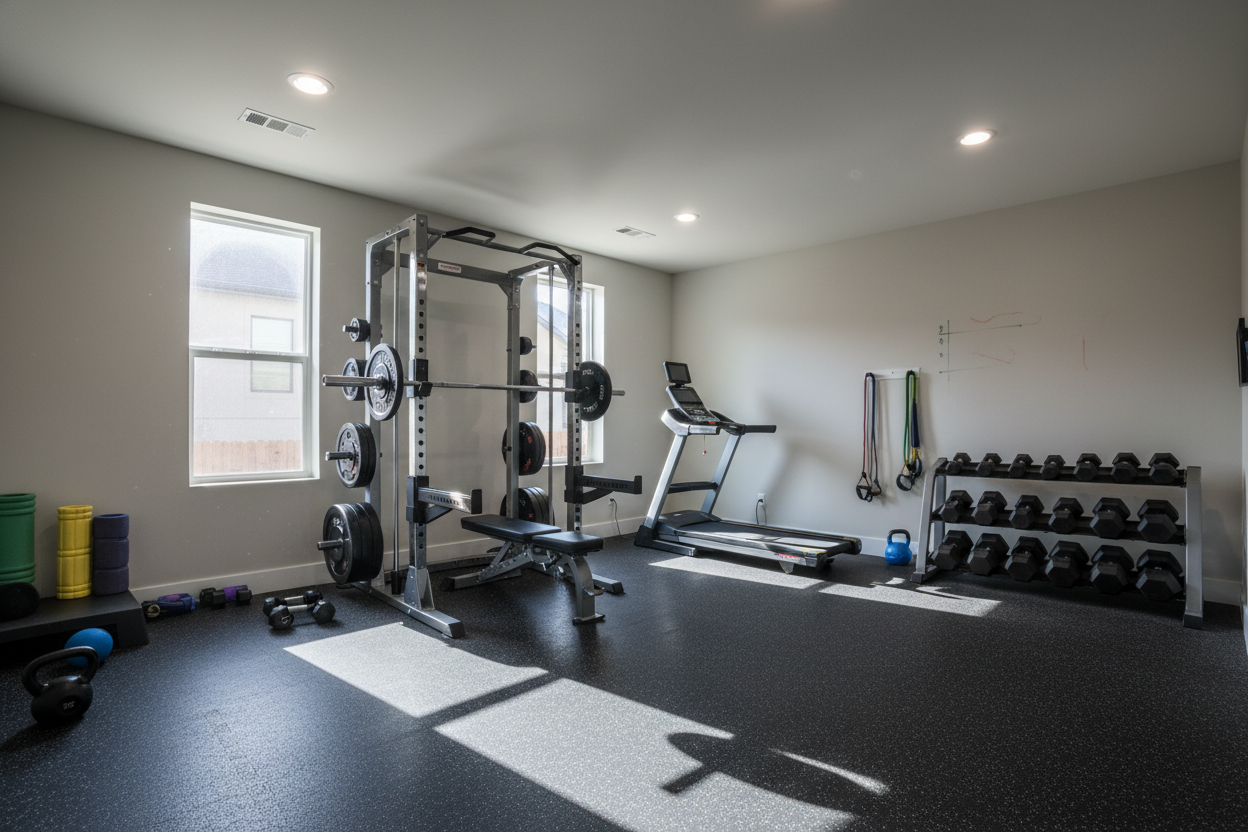
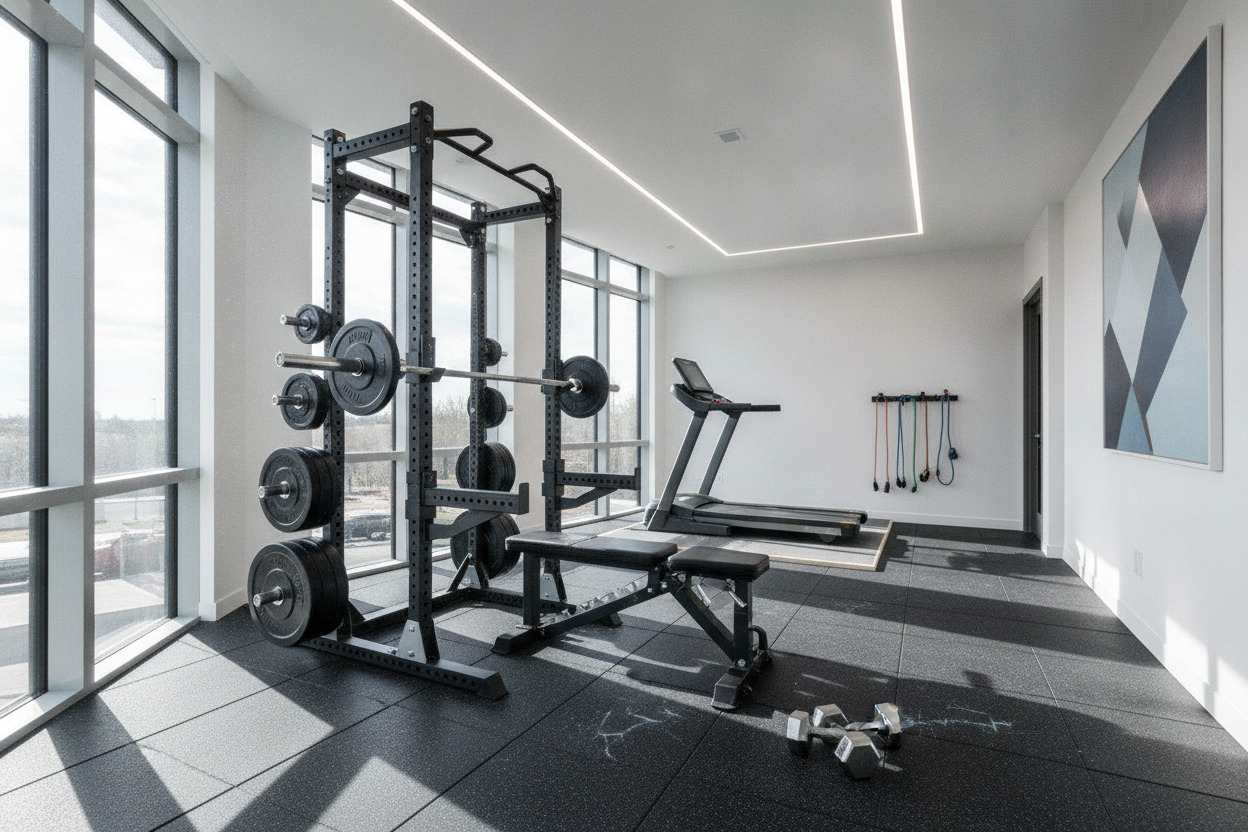
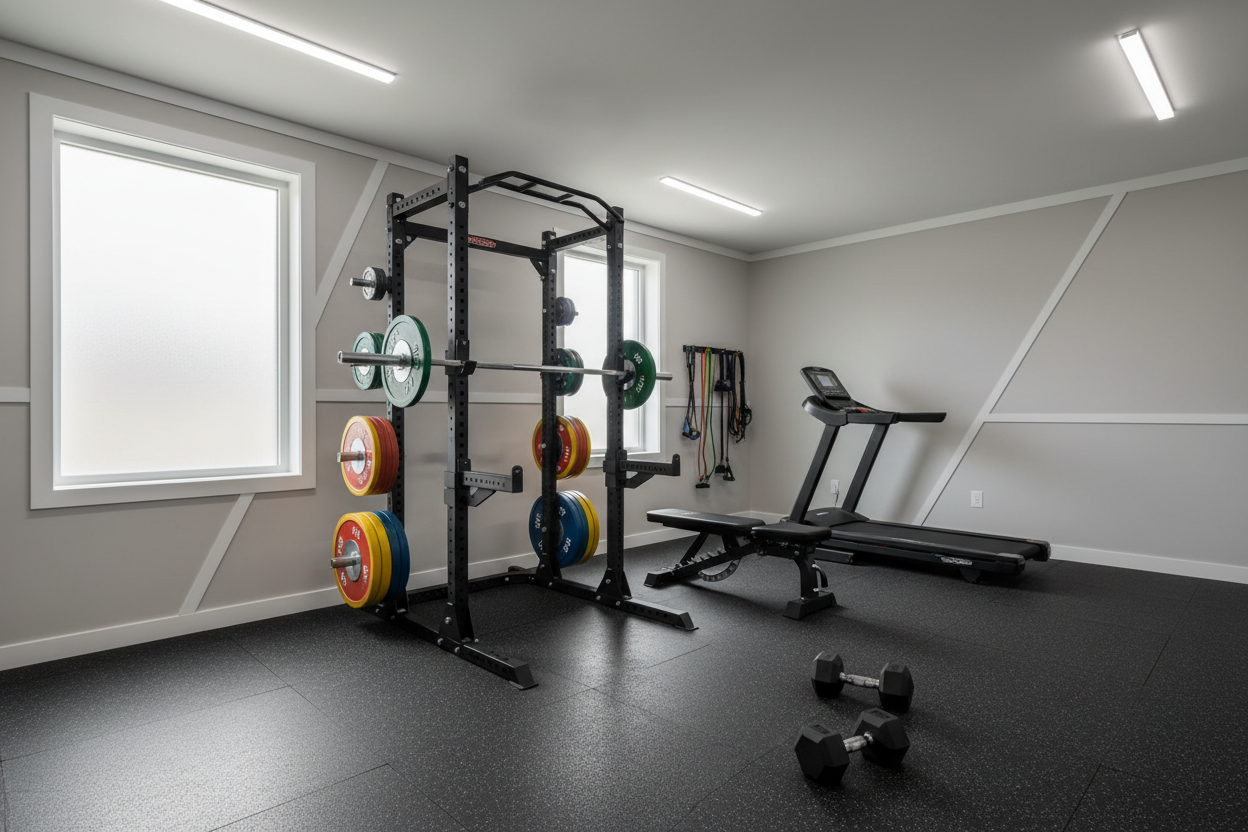
In a cramped space, your rack is your sanctuary. It’s the difference between a PR and a trip to the ER. For my 10x10 setup, I realized that buying separate pieces was a footprint nightmare. I needed something that could handle 500-lb squats but also provide a stable platform for pressing. Investing in a power rack weight bench package is the smartest move for small-scale gyms because it aligns the geometry of the bench and the rack perfectly.
You want a rack with at least 2x3 or 3x3-inch steel uprights. If the steel is 14-gauge, it’s going to shake like a leaf when you re-rack a heavy set. I look for Westside hole spacing in the bench zone so I can set my safeties at the exact right height. In a 10x10 room, a rack that includes plate storage is also a massive win—it keeps your 45s off the floor and adds literal tons of stability to the unit so you don't have to bolt it into your concrete floor.
Stop Buying Flimsy Benches Off Amazon
I’ve tested dozens of benches, and the 'Amazon Specials' are a disaster waiting to happen. If a bench is advertised as 'foldable' and costs $80, do not put 300 pounds over your face while lying on it. Those benches usually have a massive gap between the seat and the backrest that swallows your spine, and they wobble the second you try to drive your feet into the floor. A proper adjustable weight bench should feel like a tank. It needs a wide tripod base or a heavy-duty rear stabilizer to prevent side-to-side tipping.
Look for high-density foam that doesn't bottom out. If you can feel the plywood base through the pad with your thumb, your shoulders are going to hate it during a heavy incline press. A solid bench should weigh at least 60-70 pounds on its own. If it’s light enough to pick up with one finger, it’s not going to support your heavy sets. I want a ladder-style adjustment system because it’s faster and more secure than the 'pull-pin' style that eventually strips out.
Do You Actually Need Specialized Isolation Gear?
Once you have the basics, the temptation to buy weight lifting machines starts to creep in. You see a dedicated lat pulldown or a leg extension unit and think it’s the missing link. In a 10x10 space, you have to be ruthless. Does that machine offer something a barbell and a set of bands can't? Usually, the answer is no—unless you’re a high-level bodybuilder who needs that specific isolation.
If you do decide to go the machine route, look for functional trainers or plate-loaded options that have a small footprint. Avoid anything with a massive weight stack that you can't move later. Most of us can get 95% of our results with a barbell and a set of adjustable dumbbells. I only recommend dedicated machines once you've hit your ceiling with compound movements and have the literal floor space to spare without tripping over your own feet.
Align Your Purchases With Your Programming
Before you swipe your card, look at your logbook. If you’re running a linear progression program like Starting Strength, you don't need a cable crossover. You need a better barbell. Your gear should reflect your goals, not your wishlist. When choosing the best strength and weight training equipment, prioritize the tools that allow you to follow your program without compromise. If you’re into Olympic lifting, spend the extra money on a bar with great needle bearings. If you’re a powerlifter, get the stiffest bar you can find.
My 10x10 setup works because every piece of gear has a job. There is no 'junk' drawer in my gym. I’ve got my rack, my bench, my plates, and enough floor space to drop a bar without hitting the dryer. It’s not about having the most gear; it’s about having the right gear that actually lets you train hard every single day.
Personal Experience: My $200 Mistake
Early on, I bought a 'bargain' Olympic barbell from a big-box store. It looked fine on the rack, but the first time I loaded 315 for deadlifts, the bar took on a permanent 'U' shape. It didn't have the tensile strength to snap back. I ended up spending $300 to replace a $150 bar. I learned the hard way: if you're serious about lifting, buying the entry-level version of heavy-duty gear is just a down payment on the good stuff you'll have to buy later anyway.
FAQ
Is a 10x10 space really enough for a full gym?
Yes, but you have to be smart. A standard Olympic bar is 7.2 feet long, which gives you about 16 inches of clearance on either side in a 10-foot wide room. It’s tight, but plenty for squats, deadlifts, and pressing.
What kind of flooring do I need for a garage gym?
Don't buy those 'puzzle piece' foam mats from the toy aisle. They compress and slip. Go to a farm supply store and buy 3/4-inch rubber horse stall mats. They are indestructible, dampen noise, and protect your concrete from cracking.
Should I buy iron or bumper plates?
If you're doing any lifts where the bar hits the floor—deadlifts, cleans, or snatches—get bumpers. They’re quieter and easier on your floor. If you're strictly a squat/bench/press person, iron plates are thinner and allow you to fit more weight on the bar.