Stop Buying Isolation Gear for a Gym Body Gym Setup
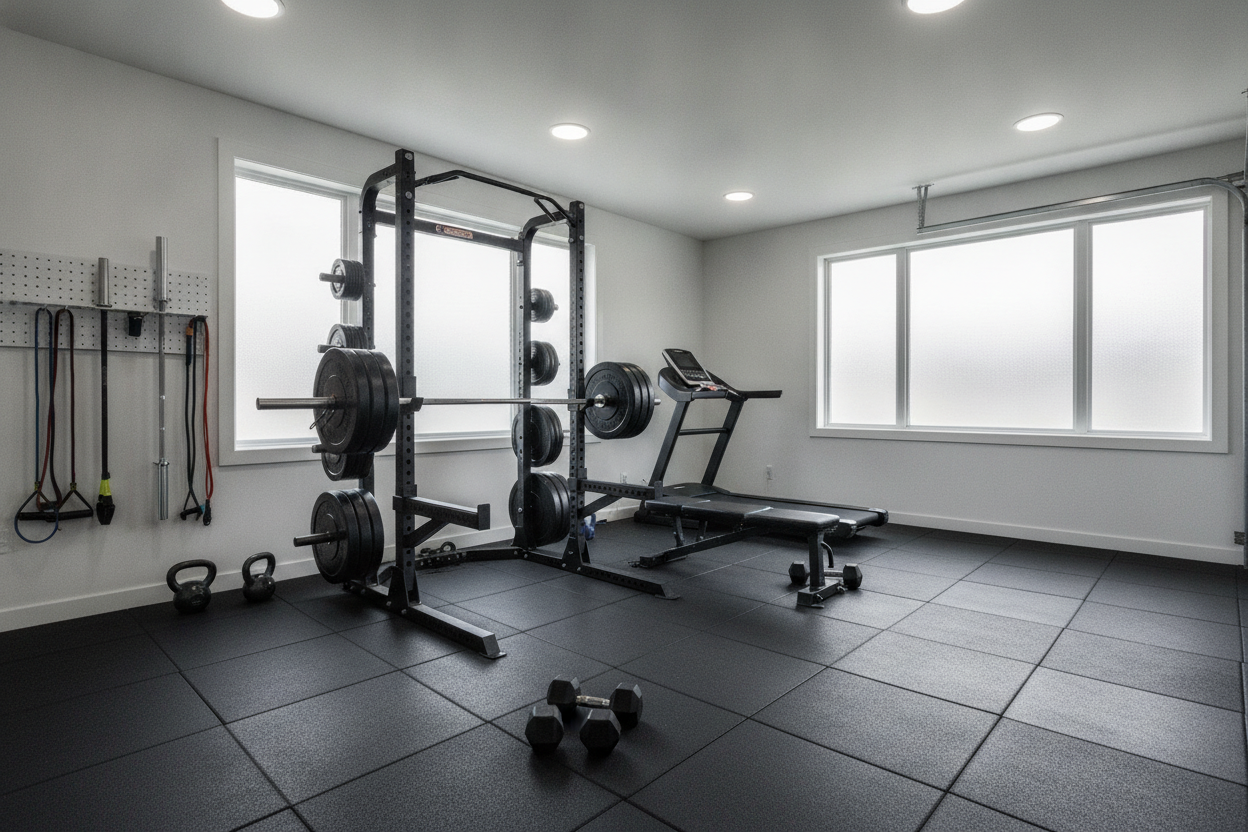
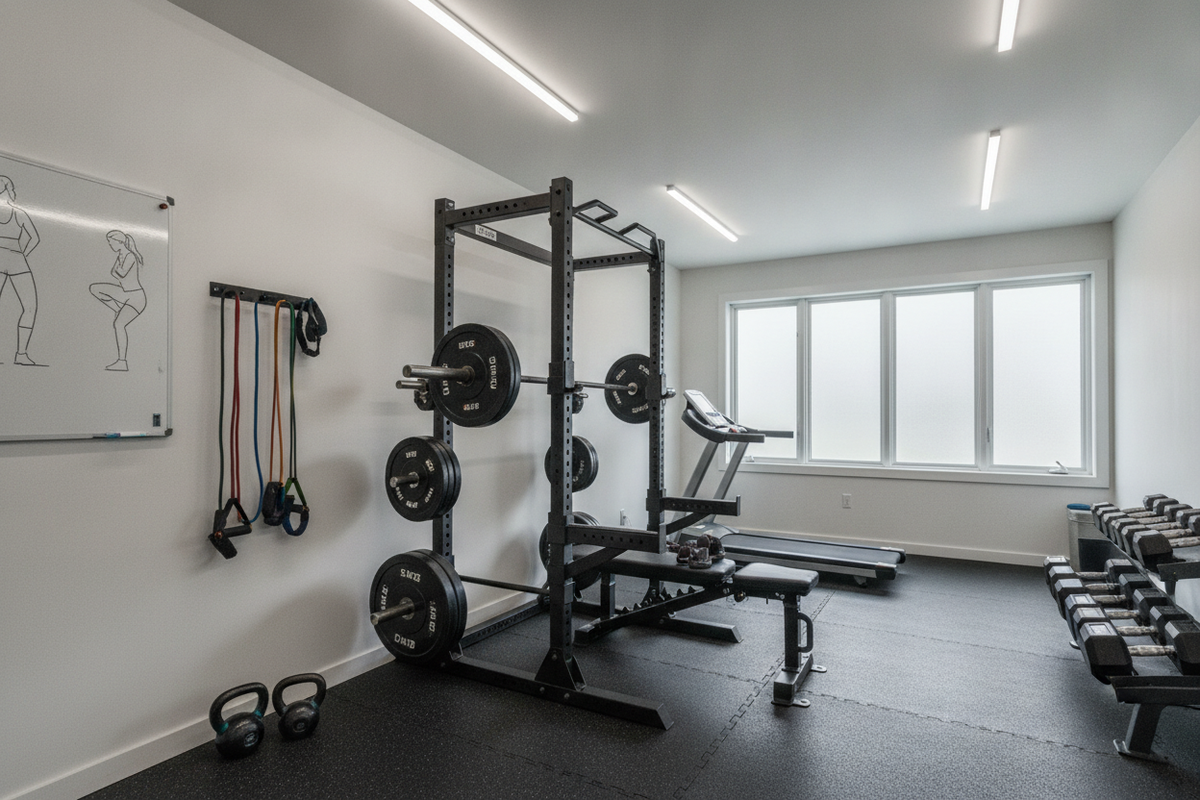
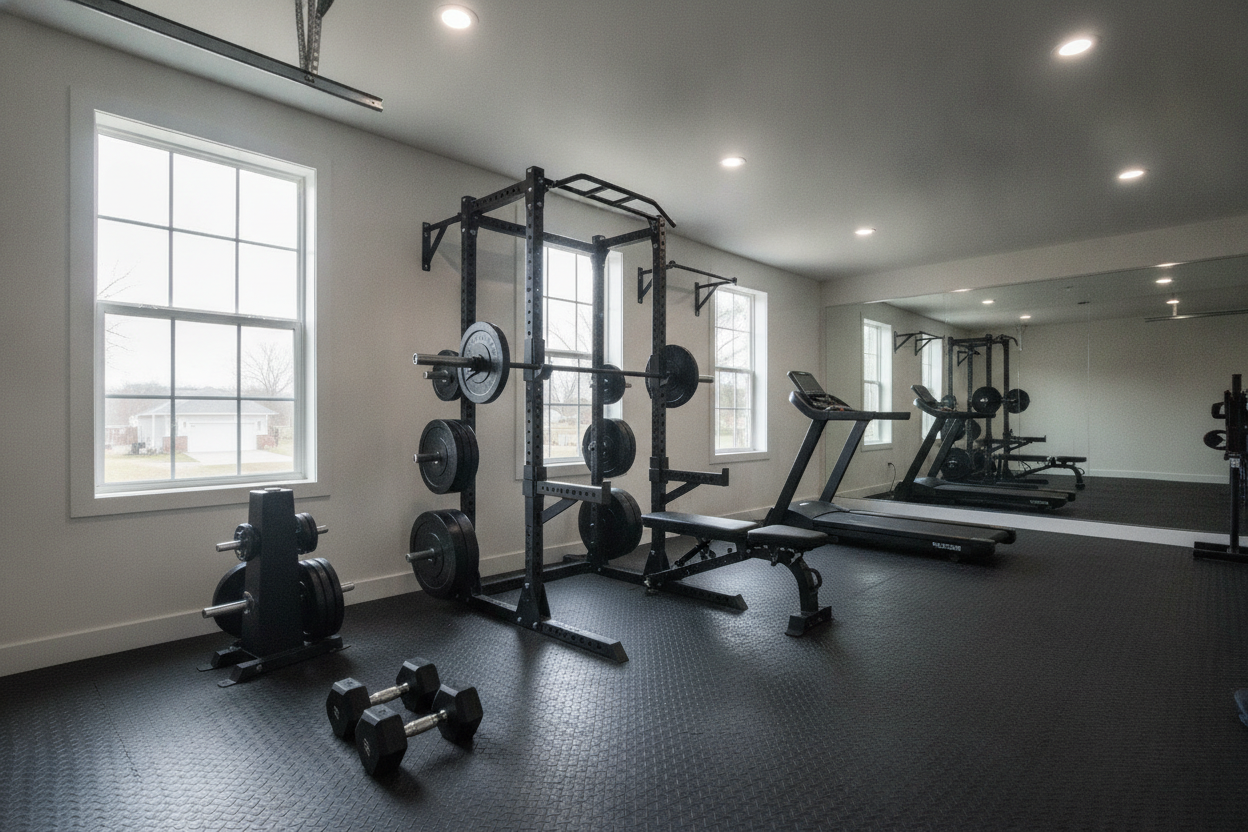
I remember the exact moment I realized my home gym was a disaster. I was trying to shimmy past a bulky, plate-loaded leg extension machine just to reach my pull-up bar. I’d spent two grand trying to replicate the floor of a local big-box gym, only to realize I’d traded my training space for a graveyard of single-use steel. If you want a real gym body gym, you have to stop thinking like a commercial gym owner and start thinking like a lifter with limited square footage.
- Prioritize a high-quality power rack over any single-use machine.
- Invest in flooring that can actually take a hit from a 45-lb plate.
- Focus on versatile cable systems rather than fixed-path isolation units.
- Leave at least 4 feet of clearance on both sides of your barbell.
Why We Fall for the Commercial Gym Trap
We’ve been conditioned to think that muscle growth requires variety, and variety requires a room full of machines. You see the guy with the massive delts at your local club using seven different lateral raise stations and think that’s the secret sauce. The reality? That guy built his foundation on heavy presses and rows. When you try to cram a commercial facility into a 120-square-foot spare room, you lose the ability to actually move.
Chasing an aesthetic physique doesn't require 15 different single-joint isolation stations. Those machines are designed for high-traffic commercial spaces where the goal is to keep people moving through a circuit. In your garage, that $600 seated calf raise machine is just a very expensive coat rack. You can build world-class calves with a block of wood and a barbell. Every square foot you give away to a machine that only does one thing is a square foot you can’t use for deadlifts, lunges, or mobility work. I’ve seen too many guys quit training at home because their space felt cluttered and claustrophobic. Don't let your quest for a fitness body gym turn your home into a storage unit.
The Core Elements of a Fitness Body Gym Setup
If you want to build real mass, your budget needs to be heavily skewed toward the big three: the squat, the press, and the pull. I always tell people that 80% of their gains will come from 20% of their gear. This means your power rack, barbell, and plates are the absolute priority. A rack isn't just for squats; it's your anchor for pull-ups, rack pulls, and heavy benching. When you are Choosing The Best Home Gym Setup For Strength And Full Body Workouts, look for 11-gauge steel and 3x3-inch uprights if you plan on moving serious weight. Anything less feels like a toy once you start loading over 300 pounds.
The barbell is where you shouldn't cheap out. A bar with poor knurling or a lack of whip will make heavy sets feel twice as hard for the wrong reasons. I prefer a multi-purpose bar with a decent zinc or cerakote finish to prevent rust in the garage. For plates, iron is fine if you don't mind the noise, but bumpers are a godsend if you have neighbors or a sleeping family. By focusing your spend here, you ensure that every rep is stable and safe. You aren't just buying equipment; you're buying the ability to push yourself to failure without worrying about a weld snapping.
The Only Machines Actually Worth Your Floor Space
I’m not a total machine hater. There is a place for cables, but you have to be smart about the footprint. A functional trainer or a high-quality lat pulldown with a low row attachment is worth its weight in gold. Why? Because a single cable stack allows you to hit face pulls, tricep extensions, cable crossovers, and rows in a 3x4 foot area. This versatility is what makes it one of the Top 10 Full Body Workout Machines For A Complete Home Gym. It replaces a dozen isolation machines while providing constant tension that you just can't get with dumbbells alone.
Stop Ignoring Your Foundation (Yes, I Mean the Floor)
You can have the best rack in the world, but if it’s sitting on cheap foam puzzle mats, you’re asking for an injury. I’ve made this mistake. Foam compresses. If you’re trying to squat 405 on top of squishy foam, your ankles will hunt for stability, and your power transfer will vanish. Worse, if you drop a heavy dumbbell on thin foam, your subfloor is going to crack. You need high-density rubber that stays put. For a dedicated lifting area, a 6X8Ft Exercise Mat Yoga Mat Gym Flooring For Home Workout provides the right balance of grip and protection for heavy barbell work.
Real rubber flooring also deadens the sound. If you’re training in a garage, the echo of iron hitting concrete is enough to wake the dead. A thick mat absorbs that energy, protecting your joints and your relationship with your neighbors. Don't think of flooring as an afterthought; think of it as the most important safety feature in your gym. It's the difference between a professional-feeling training environment and a basement that feels like a playden.
Structuring Your Space for Real Muscle Growth
Layout is everything. I’ve seen guys put their rack right against a wall, only to realize they can't actually load plates onto the sleeve without hitting the drywall. You need a minimum of 2 feet of clearance on each side of the barbell, but 3 or 4 feet is much better. This allows you to move freely and safely. If you’re working in a tight garage, consider a wall-mounted folding rack. It gives you the stability of a full power rack but tucks away when you need to park the car or do some floor work.
Once the heavy iron is placed, use the remaining open floor for your accessories and stretching. This is where a Large Exercise Mat For Home Gym comes in handy. Having a dedicated 'soft zone' encourages you to actually do your warm-ups and core work. If the floor is cold, hard concrete, you’re going to skip the mobility stuff, and eventually, your progress will stall because of a nagging injury. Keep your heavy movements in the center and your accessory work on the perimeter to keep the flow of the room open.
My Biggest Equipment Mistake
I once bought a used Smith machine because it was a 'great deal' at $300. It sat in my garage for six months, took up a 7-foot by 5-foot footprint, and I used it maybe twice. It was clunky, the bearings were shot, and it forced me into a fixed plane of motion that hurt my shoulders. I eventually sold it for $100 just to get the floor space back. That taught me a hard lesson: space is your most valuable asset. If a piece of gear doesn't help you get stronger or bigger in a way a barbell can't, it doesn't belong in your house.
FAQ
Is a 10x12 room big enough for a full gym?
Absolutely. That’s plenty of space for a power rack, a bench, and a set of dumbbells. The key is avoiding large, fixed machines. Stick to a rack that has a small footprint and use wall-mounted storage for your plates to keep the floor clear.
Do I really need a dedicated gym floor?
Yes. Concrete is hard on your joints and your equipment. Even if you aren't dropping weights, the vibration from a heavy set of deadlifts can cause micro-cracks in your slab over time. High-density rubber is a non-negotiable for any serious lifter.
Can I build muscle with just a barbell and a bench?
Some of the greatest physiques in history were built with just a barbell, a bench, and a squat stand. Isolation machines are the 'cherry on top,' but the compound movements are the actual cake. If you master the big lifts, you'll see more growth than you ever did at the commercial gym.