Stop Buying an EVA Foam Roll Mat Before Reading This
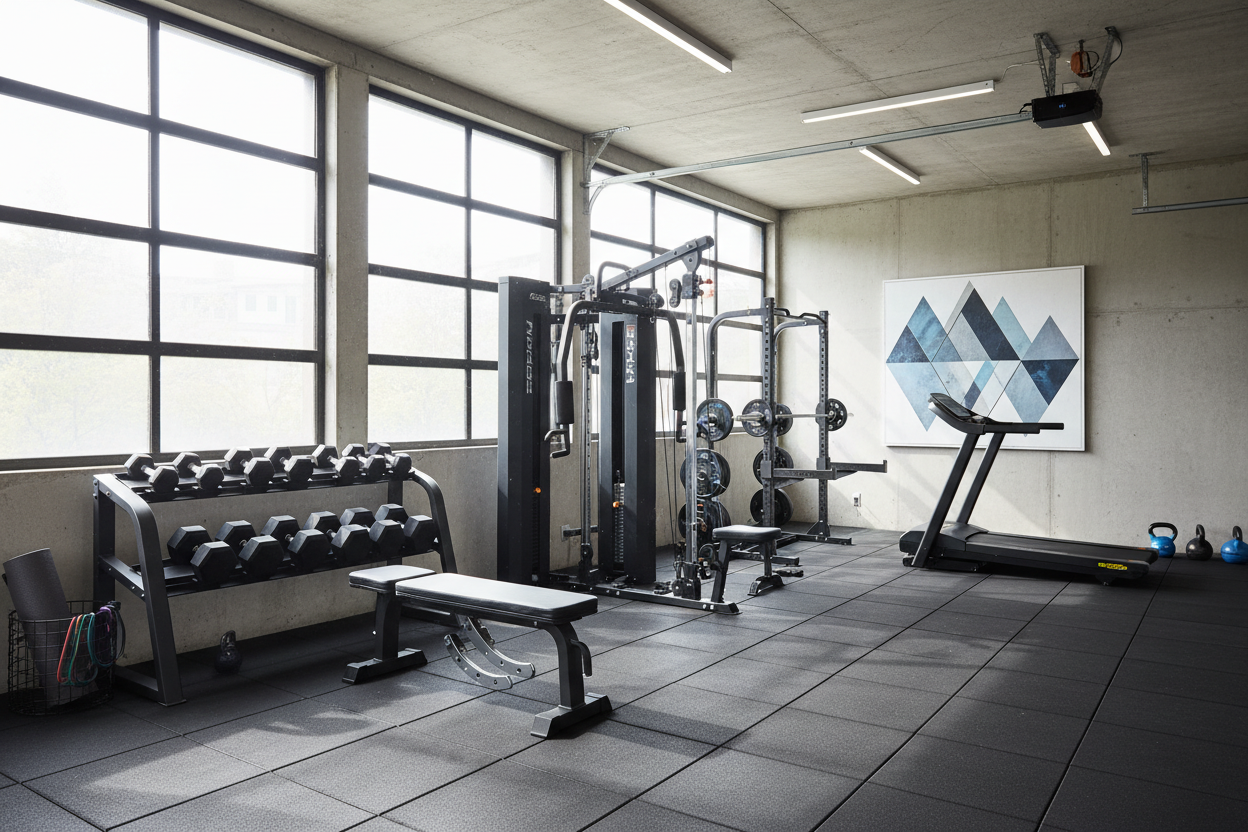
Setting up a home gym often starts with a single, glaring problem: the floor. Whether you are dealing with freezing garage concrete, scuffed hardwood in a spare bedroom, or a basement floor that echoes every dropped dumbbell, finding the right foundation is critical. For many, an EVA foam roll mat seems like the ultimate budget-friendly, quick-fix solution.
But before you cover your entire training space in foam, you need to know exactly what this material can and cannot handle. This guide breaks down everything you need to know to decide if rolled foam flooring is the right investment for your specific workout style and space.
Key Takeaways
- Cost-Effective Protection: Provides an affordable, insulating barrier between your joints and hard subfloors.
- Best for Light Training: Ideal for yoga, bodyweight exercises, Pilates, and light dumbbell work.
- Not for Heavy Lifting: Dropping heavy barbells will puncture or permanently compress the soft foam material.
- Seamless Setup: Roll mats offer fewer seams than interlocking tiles, reducing tripping hazards and liquid seepage.
Understanding Foam Gym Flooring
Thickness Matters
When shopping for rolled foam, you will typically see thicknesses ranging from 1/4-inch to 3/4-inch. For high-impact aerobics or martial arts, thicker is always better. However, if you are placing a stationary bike or a lightweight bench on top, a 3/8-inch mat offers a solid middle ground that provides joint cushioning without feeling overly squishy underfoot, which can compromise your balance.
Durability Limits
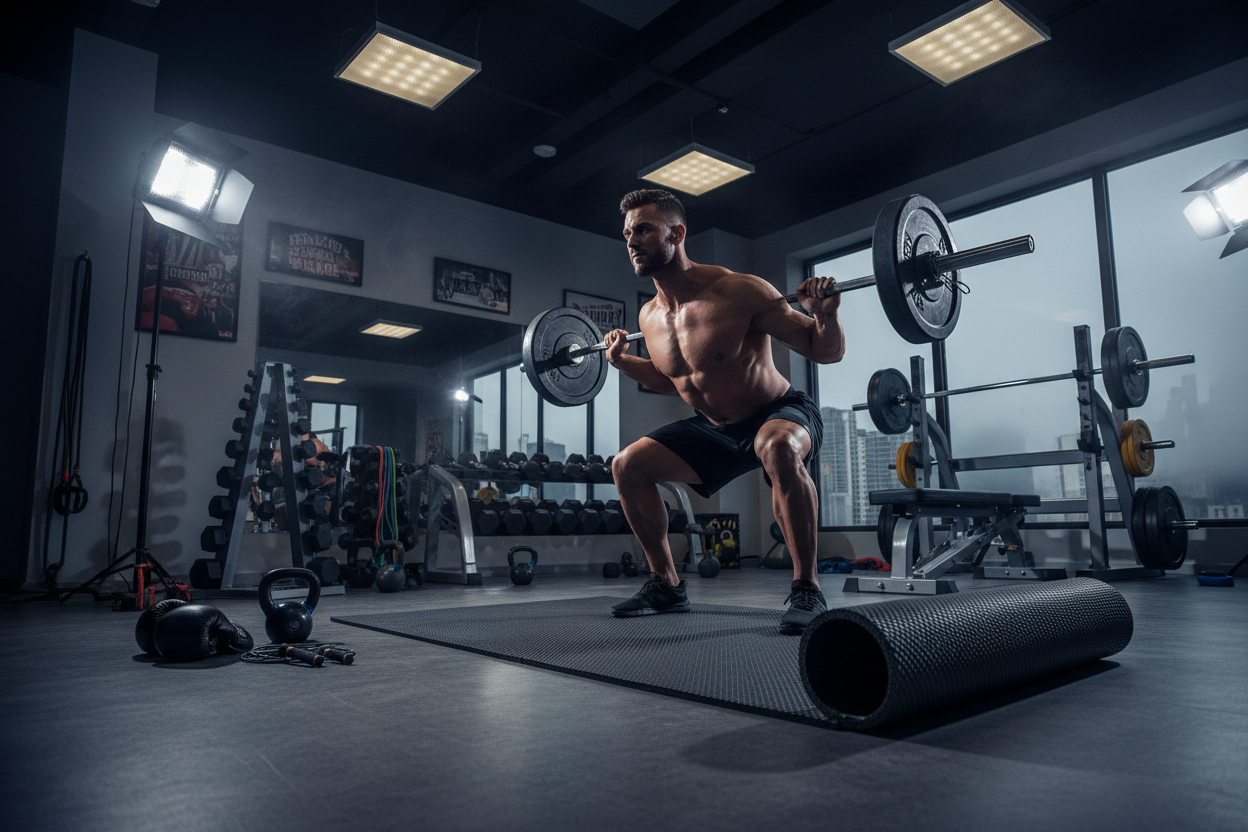
EVA (Ethylene-Vinyl Acetate) is highly shock-absorbent, but it lacks the dense resilience of vulcanized rubber. If you are doing Olympic weightlifting or heavy powerlifting, foam is not your friend. Heavy, concentrated loads will leave permanent indentations. Reserve foam mats for stretching zones or cardio areas rather than heavy free-weight stations.
Sizing and Installation Tips
Acclimating the Material
One of the biggest mistakes people make when installing a roll mat is cutting it immediately. When your mat arrives, unroll it in your gym space and let it sit for 24 to 48 hours. Foam expands and contracts with temperature changes, especially in uninsulated North American garages. Letting it acclimate prevents the edges from curling or shrinking after you make your final cuts with a utility knife.
Securing Your Floor
Because EVA foam is lightweight, a large roll can easily shift during dynamic workouts like burpees or lateral lunges. To keep your flooring locked down securely to the subfloor, use double-sided heavy-duty carpet tape around the perimeter. You can also anchor the corners with heavier, flat-bottomed equipment to prevent sliding.
From Our Gym: Honest Take
When I set up my temporary basement gym last winter, I needed a quick fix over the freezing concrete so I could stretch and do kettlebell flows without freezing my feet. I rolled out a 1/2-inch thick foam mat, and the immediate difference in temperature and comfort was incredible. It felt great on the joints during plyometrics.
However, I learned its limits the hard way. I left a 50-pound cast-iron kettlebell sitting in the middle of the mat for three days. When I moved it, it had left a permanent, half-inch deep crater in the foam that never fully rebounded. The grip texture on top also smoothed out after about six months of pivoting during heavy bag work. It is a fantastic, comfortable product for floor work, but you absolutely have to respect its durability ceiling.
Frequently Asked Questions
Can I put heavy gym equipment on an EVA foam roll mat?
It is not recommended. Heavy equipment like power racks, treadmills, or loaded weight trees will compress the foam permanently and can cause the material to tear over time. Use high-density rubber stall mats for heavy gear.
How do you clean rolled foam flooring?
Maintenance is incredibly simple. Sweep or vacuum loose debris, then mop with a mixture of warm water and a few drops of mild dish soap. Avoid harsh chemicals like bleach, which can break down and dry out the EVA material over time.
Is rolled foam better than interlocking tiles?
Rolled mats are generally superior for larger spaces because they have significantly fewer seams. Fewer seams mean less chance of the floor separating during lateral movements and less opportunity for sweat or spilled water to seep down to your subfloor.