Still Stiff? 10 Ways to Take Care of Your Muscles Properly
I woke up last Tuesday feeling like a rusty folding chair left out in the rain. My lower back was cranky, my hamstrings felt three inches too short, and I had a nagging tweak in my shoulder that I couldn't quite pin down. We’ve all been there—staring at the rack, knowing we need to move, but feeling like our bodies are made of dry wood. If you are looking for 10 ways to take care of your muscles, you have probably realized that just collapsing on the couch isn't fixing the problem.
- Active recovery beats sitting still every time.
- Cold concrete floors are the enemy of supple tissue.
- Carbs and salt are just as important as protein for recovery.
- Sleep is your most powerful, non-negotiable tool.
Why 'Just Resting' Keeps You Sore
Most people think rest means total immobility. They finish a heavy squat session, drive home, and sit in an office chair for eight hours. That is the fastest way to turn muscle soreness into chronic stiffness. When you stay static, metabolic waste products from your workout just sit there, and your blood flow—the very thing that carries nutrients to repair tissue—slows to a crawl.
To improve muscle health, you have to prioritize active recovery. This doesn't mean doing another workout; it means moving enough to keep the engine warm without adding fatigue. Think of your muscles like a sponge: you need to squeeze them gently through movement to get the old water out and let the fresh water in. If you just let the sponge sit on the counter, it gets hard and crusty. Proactive care is the only way to stay in the game long-term.
10 Ways to Take Care of Your Muscles in the Real World
Forget the influencer-peddled gadgets that cost more than your power rack. If you want to know how to take care of your muscles, you need to focus on the boring, effective basics that actually move the needle on tissue quality and recovery speed.
1. Get Off the Bare Concrete
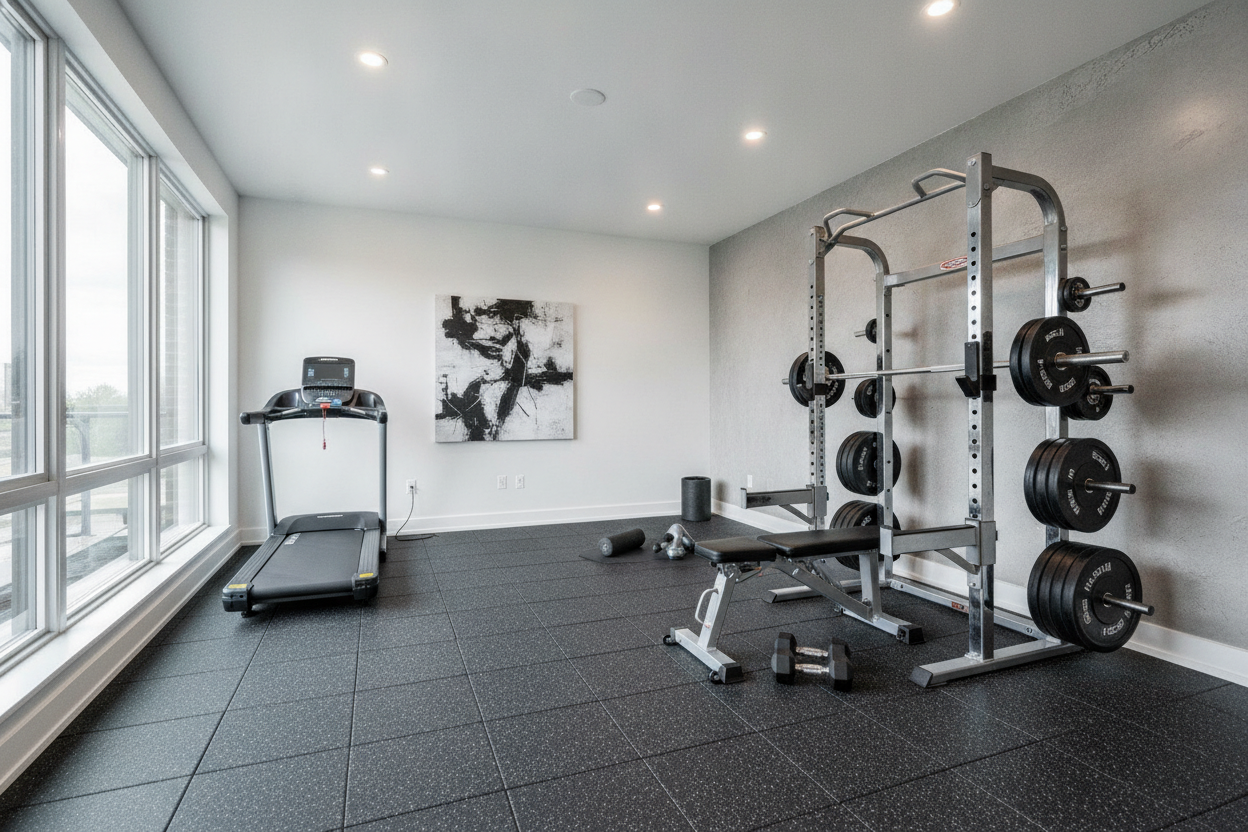
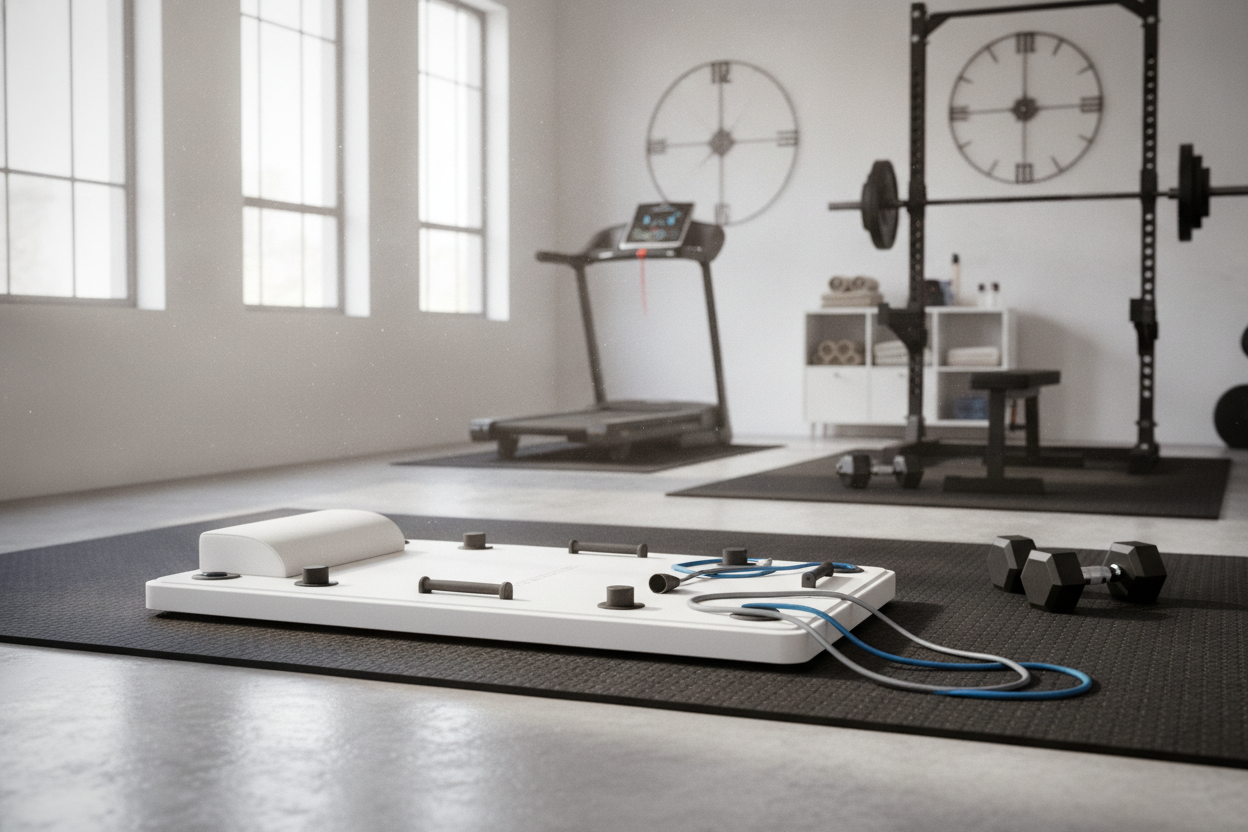
If you're a garage gym owner, stop doing your mobility work directly on the slab. Concrete is a heat sink—it sucks the warmth right out of your joints. More importantly, your nervous system is smart; if you try to stretch on a hard, cold surface, your muscles will reflexively tense up to protect you. You can't lengthen a muscle that is trying to armor itself against a floor. I finally invested in upgraded exercise mats, and the difference was immediate. Having a dedicated, cushioned space allows you to actually relax into a position rather than fighting the floor the whole time.
2. Audit Your Equipment Ergonomics
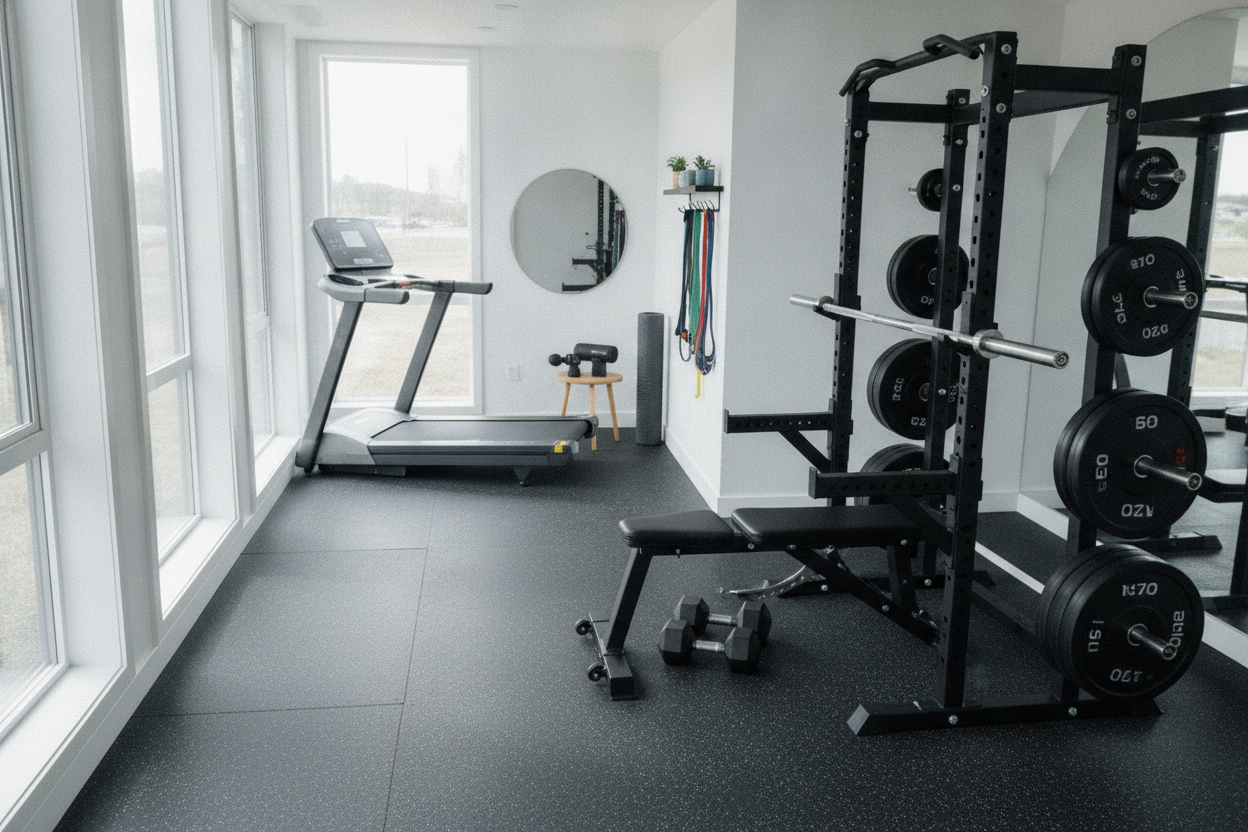
Sometimes the muscle pain isn't from the lift; it's from the gear. If your bench is too narrow, your shoulders are unstable. If your barbell has uneven knurling, your grip is lopsided. Using mismatched or poorly designed gear forces your body into unnatural movement patterns. I always tell people to strip back to the 7 pieces of equipment you actually need and make sure those pieces are high quality. A solid, stable rack and a barbell that actually rotates will save your joints more than any massage gun ever could.
3. Feed the Machine (Carbs Are Your Friend)
We’ve been conditioned to fear carbs, but your muscles run on glycogen. If you finish a grueling leg day and only eat a chicken breast, your muscles stay flat and depleted. This leaves them prone to cramping and lingering soreness. Carbs drive water into the muscle cells, which is essential for the repair process. Don't starve the recovery process; eat some rice or a potato after you train.
4. The 10-Minute Active Cooldown
Stopping a heavy set of deadlifts and immediately sitting down is a recipe for blood pooling. Your heart is pumping blood to your extremities, and your muscles act as secondary pumps to get it back up. When you stop abruptly, that process stalls. Spend 10 minutes walking at a 2.0 mph pace or doing some very light sled drags. It flushes the system and starts the recovery clock much earlier.
5. Sleep: The Only Legal Cheat Code
You can buy every supplement on the shelf, but if you're sleeping five hours a night, you're wasting your money. Deep sleep is when your body releases the bulk of its growth hormone and performs the heavy lifting of tissue repair. If you find yourself constantly 'tweaking' muscles during warm-ups, look at your sleep log before you look at your programming. Consistency here is the biggest factor in how you feel the next morning.
6. Hydration That Penetrates Deep Tissue
Drinking a gallon of plain water can actually flush out the minerals your muscles need to function. If your electrolytes—specifically sodium, magnesium, and potassium—are low, your muscles can't contract or relax properly. This leads to that 'tight' feeling that no amount of stretching fixes. Add a pinch of sea salt to your water or use a dedicated electrolyte mix to ensure the hydration actually gets into the tissue.
7. Use Load to Fix Mobility
Static stretching has its place, but loaded stretching is superior for long-term change. Doing a slow, controlled Romanian Deadlift with a light weight and holding the bottom position for two seconds teaches your nervous system that it is safe to be in that lengthened state. It builds strength at the end-range, which is the best insurance policy against muscle strains during explosive movements.
8. Heat Before, Move During, Walk After
If you're stiff, don't jump straight into a work set. Use a heating pad or a hot shower to bring blood to the area, do your dynamic warm-ups to get the synovial fluid moving, and then walk after the session. This chronological approach addresses the tissue at every stage of the stress cycle, preventing that 'stuck' feeling that happens mid-workout.
9. Stop Maxing Out Every Tuesday
Your central nervous system (CNS) takes much longer to recover than your actual muscle fibers. If you are constantly grinding out one-rep maxes, your CNS stays fried. When your nerves are fatigued, they can't fire your muscles efficiently, which leads to compensation and injury. Stick to your percentages and leave a rep or two in the tank most of the time.
10. Listen to Your Grip Strength
Your grip is a direct window into your recovery status. If you usually can hang from a pull-up bar for 60 seconds but today you're slipping at 20, your systemic recovery is down. This is a sign to take an active rest day. Pushing through when your grip is shot is a fast track to a muscle tear because your secondary stabilizers are likely already exhausted.
Personal Experience: The Cheap Bench Mistake
A few years ago, I tried to save $100 by buying a generic, narrow weight bench. I thought a bench was just a bench. Within a month, I had a persistent 'knot' under my shoulder blade that felt like a hot needle. I spent hundreds on physical therapy and dry needling, only to realize the narrow pad was forcing my scapula into a weird position during presses. I swapped it for a wider, competition-spec pad, and the pain vanished in a week. Sometimes the best way to take care of your muscles is to stop using equipment that hates you.
The Bottom Line on How to Take Care of Your Muscles
Taking care of your tissue isn't about expensive bio-hacks. It is about respecting the biology of repair. If you move often, sleep hard, eat enough, and train on surfaces that don't make your body tense up, you'll out-recover 90% of the people in your gym. Consistency in the basics is what keeps you lifting into your 40s, 50s, and beyond.
FAQ
Is a cold plunge better than a hot bath?
Cold plunges are great for reducing acute inflammation, but they can actually stunt muscle growth if done immediately after lifting. For long-term muscle health, a hot bath with Epsom salts is often better for relaxation and blood flow.
How often should I do mobility work?
Ten minutes a day is better than one hour on Sundays. Focus on your tightest areas—usually hips and ankles—every single day to see actual changes in how you move.
Can I just drink more coffee if I'm tired?
Caffeine masks fatigue; it doesn't fix it. If you're using coffee to get through a workout because your muscles feel like lead, you're just digging a deeper recovery hole. Take a nap instead.