
Standing Leg Lifts: The Ultimate Guide to Glute & Core Strength
Most people underestimate the power of a simple lift. You see them done halfway in group aerobics classes or skipped entirely for heavy squats. But if you are looking to isolate the glutes, improve hip mobility, and fix muscular imbalances without heavy spinal loading, **standing leg lifts** are non-negotiable.
Whether you are rehabbing an injury or trying to sculpt the 'shelf' of the glutes, this movement offers precision that compound lifts just can't match. It’s not about how high you lift; it’s about the tension you create.
Key Takeaways
- Muscles Targeted: Primarily the gluteus medius and minimus (side), gluteus maximus (rear), and hip flexors (front).
- Primary Benefit: Improves single-leg stability and isolates hip muscles without stressing the lower back.
- Best Variation: The standing back leg lift is superior for glute shaping, while side lifts target hip dips.
- Progressive Overload: Easily scalable using ankle weights, resistance bands, or cable machines.
The Anatomy: Standing Leg Lifts Muscles Worked
Understanding what you are working helps you establish that crucial mind-muscle connection. The standing leg lifts muscles worked depend entirely on the direction of the movement.
1. Posterior Chain (Rear Lifts)
When performing a standing back leg lift (also known as a standing reverse leg raise), you are directly engaging the gluteus maximus and hamstrings. This is the engine for walking, running, and that aesthetic 'lift' of the glutes.
2. Abductors (Side Lifts)
Lifting the leg out to the side hits the gluteus medius. This is your stabilizer. Weakness here is often the root cause of knee pain and hip swaying during walking.
3. Anterior Chain (Front Lifts)
Standing front leg raises target the hip flexors and quadriceps. If you struggle with the depth of your squat, weak hip flexors are often the culprit.
How to Perform the Perfect Standing Rear Leg Raise
The standing rear leg raise is the most popular variation for a reason. However, form breakdown is common. Here is how to execute it cleanly.
Stand tall. You can perform a leg raise stand holding onto a wall or a sturdy chair for balance. Shift your weight to your left leg. Keep a 'soft' knee—do not lock it out.
Slowly extend your right leg backward. The key here is the standing straight leg raise mechanic; keep the leg straight but do not hyperextend the lower back. Squeeze the glute at the very top of the movement. Lower it slowly without letting the foot rest on the floor to maintain constant tension.
Common Form Mistakes
The biggest error I see is the 'back arch.' If you feel this in your lumbar spine, you are swinging the leg too high. The range of motion for a standing leg lift exercise is actually quite small. If your torso dips forward to compensate, reset and tighten your core.
Variations for Progressive Overload
Once bodyweight becomes too easy, you need to increase the intensity to continue seeing standing leg raises benefits.
Weighted Standing Leg Raise
You can add ankle weights for a weighted standing leg raise. Even 2-5 lbs makes a significant difference due to the long lever arm of your leg.
Cable Machine Lifts
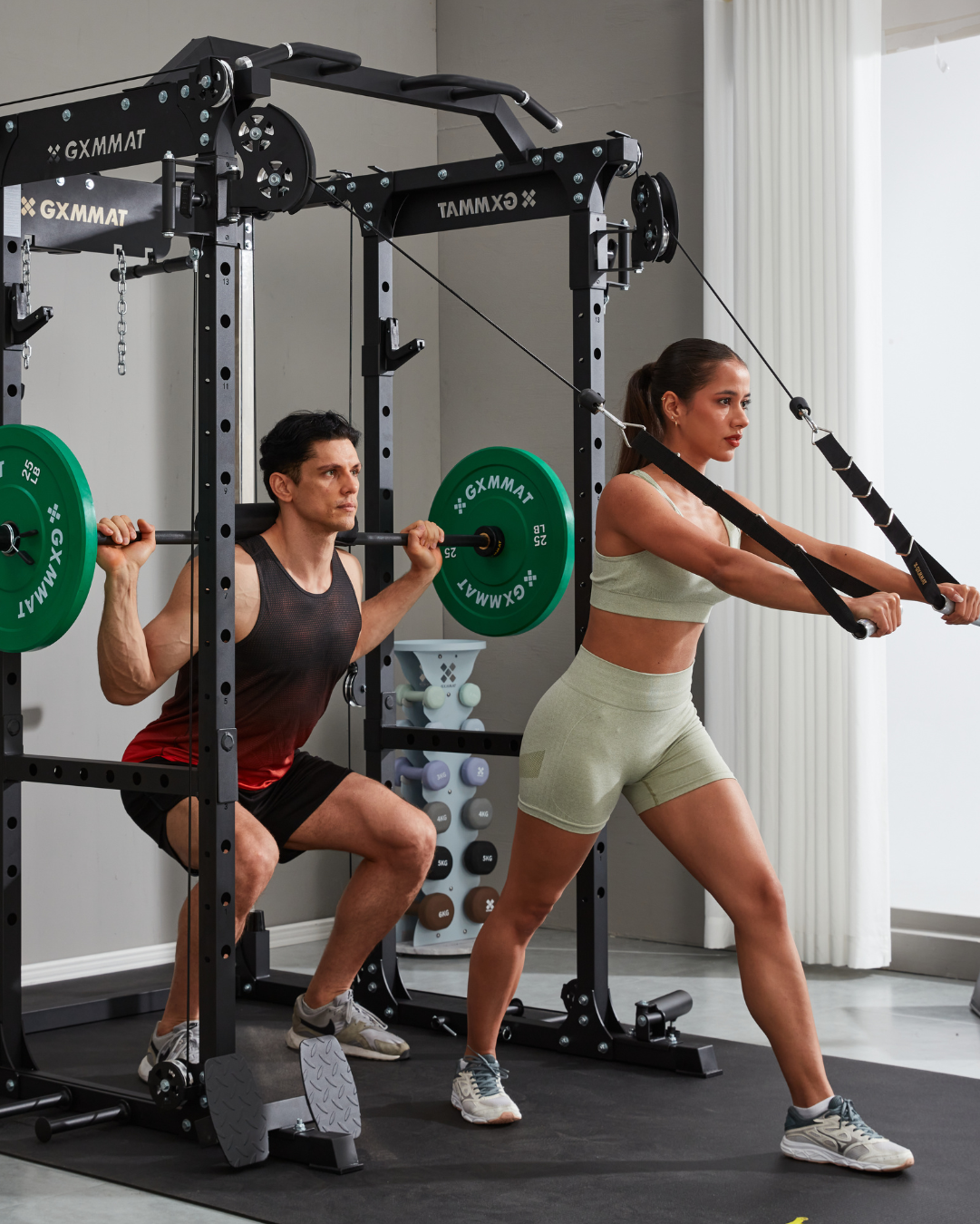
For the gym-goers, attaching a cuff to a low cable pulley provides constant tension throughout the entire rep range, unlike gravity-dependent dumbbells.
Dumbbell Leg Raise Standing
This is a niche variation. You can place a light dumbbell in the crease of your knee (bending the leg to 90 degrees) for a donkey kick variation, or hold a dumbbell against the outer thigh for resistance during side lifts.
Benefits of Standing Leg Lifts
Why bother with this when you could just deadlift? The benefits of standing leg lifts go beyond aesthetics.
Unilateral Strength: We all have a dominant side. A standing single leg raise forces the weaker side to catch up, fixing imbalances that lead to injury.
Core Stability: Because you are balancing on one foot, your deep core stabilizers fire automatically to keep you upright. It is a stealth core workout.
Low Impact: For those with back issues who can't compress the spine with a barbell, standing leg lifts for glutes allow for high-volume training with zero spinal load.
My Training Log: Real Talk
I want to be honest about my personal experience with standing leg lifts. When I first added these to my routine, I treated them as a 'fluff' exercise—something to do while checking my phone.
I was humbled quickly. The specific detail nobody warns you about is the burn in the standing leg. When I do high-repetition standing back leg raises (sets of 20+), my non-working glute (the stabilizer) often starts screaming before the moving leg does. The pump in the glute medius of the standing leg is intense because it's fighting gravity to keep your pelvis level.
Also, I found that when using ankle weights, the strap tends to chafe right above the Achilles tendon if you aren't wearing high socks. Now, I never do standing leg raises with weights without crew socks. It’s a small detail, but it changes the comfort level entirely.
Conclusion
Don't let the simplicity of the standing leg lift exercise fool you. Whether you are doing a standing backward leg lift for glute power or a front raise for hip mobility, this movement is a staple for a functional, pain-free physique. Start with body weight, master the hip hinge, and stop swinging your back.
Frequently Asked Questions
How many standing leg lifts should I do a day?
Since this is an isolation movement, volume is your friend. Aim for 3 sets of 15-20 repetitions per leg. If you are doing bodyweight only, you can even push to 25 reps to feel the metabolic burn.
Can standing leg lifts replace squats?
No, they serve different purposes. Squats are a compound movement for overall mass and strength. Standing leg lifts are an accessory movement for isolation and shaping. They work best when paired together.
Why does my lower back hurt during standing rear leg lifts?
This usually happens because you are engaging your lower back extensors rather than your glutes. Reduce the height of your lift. You only need to lift the leg until you feel the glute contract; going higher usually forces the back to arch.