Stalling Out? You Forgot the Principles of Resistance Training
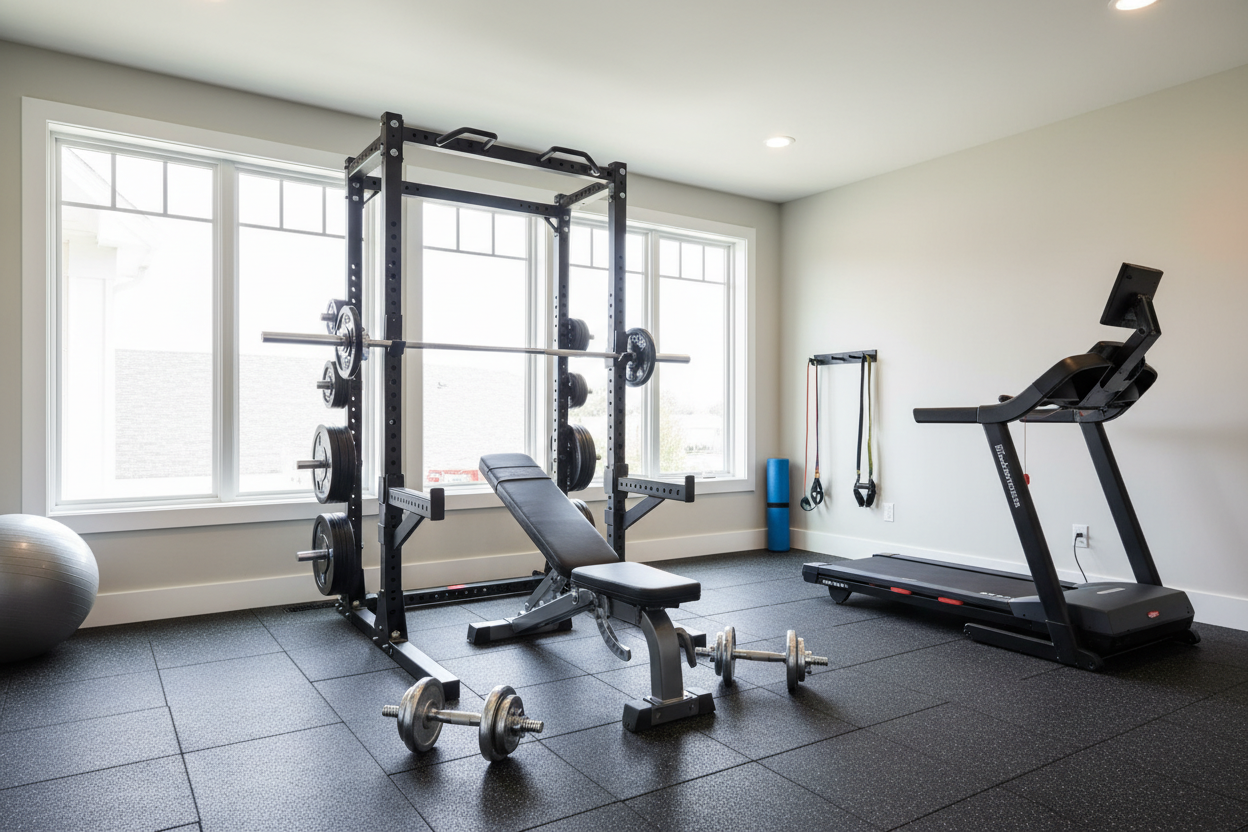
Six months ago, I was staring at my power rack, genuinely pissed off. I’d been hitting the garage five days a week, sweating through my shirt, and pushing until my vision blurred. Yet, my bench press had been stuck at 245 for a year, and my sleeves weren't getting any tighter. I was working hard, but I wasn't getting anywhere because I’d ignored the foundational principles of resistance training in favor of whatever 'burn' felt good that day.
Quick Takeaways
- Sweat and fatigue are not indicators of a productive workout.
- Progressive overload is the only way to force your body to change.
- Consistency beats intensity every single time due to the reversibility principle.
- Stop blindly following influencer programs that don't account for your biomechanics.
The Moment I Realized I Was Just 'Working Out'
There is a massive difference between 'working out' and 'training.' Working out is what you do when you just want to burn some calories and feel a pump. It’s random. Training is a calculated attempt to force an adaptation. I spent months doing high-rep 'metcon' style workouts in my garage, thinking the sheer volume would make me look like a bodybuilder. It didn't. I was just getting really good at being tired.
The wake-up call came when I realized my logbook—which I hadn't updated in weeks—looked exactly the same as it did the previous summer. If the numbers aren't moving, you aren't growing. I had to strip everything back and look at the actual resistance training principles that govern human physiology. Once I stopped chasing the 'sweat' and started chasing the 'standard,' things finally clicked.
Progressive Overload: The King of All Gains
If you want your muscles to grow, you have to give them a reason. Your body is a survival machine; it doesn't want to carry extra muscle because muscle is metabolically expensive. Progressive overload is the process of consistently increasing the stress placed on the body. Most people think this just means adding five pounds to the bar every week, but that road ends quickly once you're past the beginner stage.
When you hit a wall with your main lifts, you need to get creative with how you apply tension. This might mean improving your tempo, shortening your rest periods, or adding high-quality strength training accessories like micro-plates or resistance bands. Using 1.25-lb plates might look silly to the guy ego-lifting next to you, but those incremental wins are what keep the progress curve moving upward when the big jumps are no longer possible.
Specificity: Why Your Circuit Routine Isn't Building Strength
The principle of specificity states that your body will adapt specifically to the demands you place on it. If you spend all your time doing 50-rep sets of air squats and burpees, you're going to get better at buffering lactic acid and breathing hard. You are not, however, going to build a 400-pound squat. You can't expect a 'general' workout to yield 'specific' results.
If your goal is lower body power, you need to prioritize resistance training exercises for legs that require high force production, like heavy lunges or Bulgarian split squats. Doing a circuit of mountain climbers and jumping jacks isn't a substitute for heavy eccentric loading. Pick a goal—whether it's hypertrophy, max strength, or power—and make sure 80% of your movements actually support that goal.
Reversibility: The Brutal Reality of Taking Time Off
This is the 'use it or lose it' rule. Your body will not keep muscle it doesn't think it needs. If you stop training, your hard-earned strength begins to atrophy. This is why consistency is the most important variable in any program. A mediocre program followed for a year will always beat a 'perfect' program followed for three weeks and then abandoned.
The best way to fight reversibility is to lower the friction of your workouts. Having your own equipment for resistance training at home is a massive advantage here. On days when I’m slammed with work and can't justify a 20-minute drive to the gym, I can still walk into the garage and hit three sets of heavy presses. It’s not about hitting a PR every day; it’s about sending the signal to your body that it still needs that muscle to survive.
Individuality: Stop Copying Influencer Spreadsheets
Just because a pro bodybuilder swears by behind-the-neck presses doesn't mean your shoulders can handle them. The principle of individuality means your training must account for your limb lengths, injury history, and even your equipment access. I spent years trying to squat low-bar because a famous coach said it was the most efficient way to move weight, but my long femurs and tight ankles made it a recipe for lower back pain.
The core principles don't change, but the exercises do. If a movement feels 'off' no matter how much you tweak your form, swap it for a variation that allows you to load the muscle safely. A hack squat or a trap bar deadlift can build just as much mass as the 'gold standard' lifts if they allow you to train harder and more consistently without getting sidelined by joint pain.
FAQ
How do I know if I'm applying progressive overload?
Check your logbook. If you are doing more reps with the same weight, more weight for the same reps, or the same work in less time than you were a month ago, you're overloading. If nothing has changed, you're just maintaining.
Can I follow these principles with just dumbbells?
Absolutely. You can increase tension by slowing down the eccentric phase (the lowering part) or adding pause reps. The muscle doesn't know if you're holding a $1,000 barbell or a pair of rusty dumbbells; it only knows tension and fatigue.
How long does it take to lose muscle?
You’ll start to see a decline in aerobic capacity within a few days, but actual muscle tissue takes about two to three weeks of total inactivity to start breaking down. However, the 'neurological' strength—your brain's ability to fire those muscles—often dips sooner.