Shoulder Strain Treatment at Home: The Recovery Guide You Actually Need
Waking up with a stiff neck is one thing; feeling a sharp, catching pain every time you try to put on a t-shirt is entirely another. If you are looking for effective shoulder strain treatment at home, you are likely dealing with limited range of motion and a nagging ache that won't quit. Whether you overdid it at the gym or slept in a pretzel shape, the goal is the same: reduce inflammation without letting the joint seize up.
Key Takeaways: Quick Recovery Protocol
- Assess the pain: Sharp, stabbing pain usually indicates a strain (muscle/tendon), while deep, aching instability may suggest a sprain (ligament).
- Move over R.I.C.E.: Modern physio leans toward M.E.A.T. (Movement, Exercise, Analgesia, Treatment) to prevent stiffness.
- Sleep strategy: Never sleep directly on the injured shoulder; use a pillow hug to keep the joint aligned.
- Gradual loading: Start with pendulum swings before attempting overhead movements.
The Difference Between Strains, Sprains, and Tears
Before throwing an ice pack on it, you need to understand what you are treating. While shoulder injuries treatment at home often looks similar regardless of the specific diagnosis, the timeline differs.
A strain involves the muscles or tendons (the tissue connecting muscle to bone). This is the classic "pulled muscle" feeling. A sprain affects the ligaments (bone to bone). If you are searching for shoulder ligament tear home treatment, be aware that while minor sprains heal with rest, a Grade 3 tear usually requires surgical intervention. If your arm feels "loose" or pops out of the socket, stop reading and see a specialist.
Why "Total Rest" is the Wrong Approach
For years, the standard advice was R.I.C.E. (Rest, Ice, Compression, Elevation). However, for shoulder mechanics, total immobilization can actually lead to a condition called "Frozen Shoulder" (adhesive capsulitis).
Instead, focus on Active Recovery. This doesn't mean returning to heavy bench pressing. It means moving the joint through a pain-free range of motion to flush fresh blood and nutrients into the tissue. The shoulder has poor blood supply compared to other muscles, so movement is the pump mechanism it needs to heal.
How to Treat a Pulled Shoulder Muscle at Home
1. The First 48 Hours: Inflammation Control
When the injury is fresh, inflammation is the enemy. Ice is useful here, but only for 15-minute intervals to numb the pain. Contrast therapy (alternating heat and ice) can be effective later, but stick to cold initially to blunt the acute inflammatory response.
2. The Pendulum Swing
This is the gold standard for shoulder sprain treatment at home. Lean forward, resting your good arm on a table. Let the injured arm hang down like a dead weight. Gently sway your body so the arm swings in small circles. You aren't using your shoulder muscles to lift the arm; you are using gravity to create space in the joint capsule.
3. Isometric Activation
Once the sharp pain subsides, you need to tell the muscle fibers to fire again without moving the joint. Stand in a doorway. With your elbow bent at 90 degrees, gently press the back of your hand into the door frame (external rotation). Hold for 5 seconds. You shouldn't see movement, but you should feel the rotator cuff activate.
Sleeping: The Hardest Part of Recovery
Nighttime is usually when shoulder injury treatment at home fails because people sleep in positions that cut off blood flow or compress the injured tendon.
Do not sleep on the injured side. If you are a back sleeper, place a small folded towel under the injured shoulder blade for support. If you are a side sleeper (on the uninjured side), hug a thick pillow against your chest. This keeps the injured arm from drooping across your body, which puts tension on the rotator cuff.
My Personal Experience with shoulder strain treatment at home
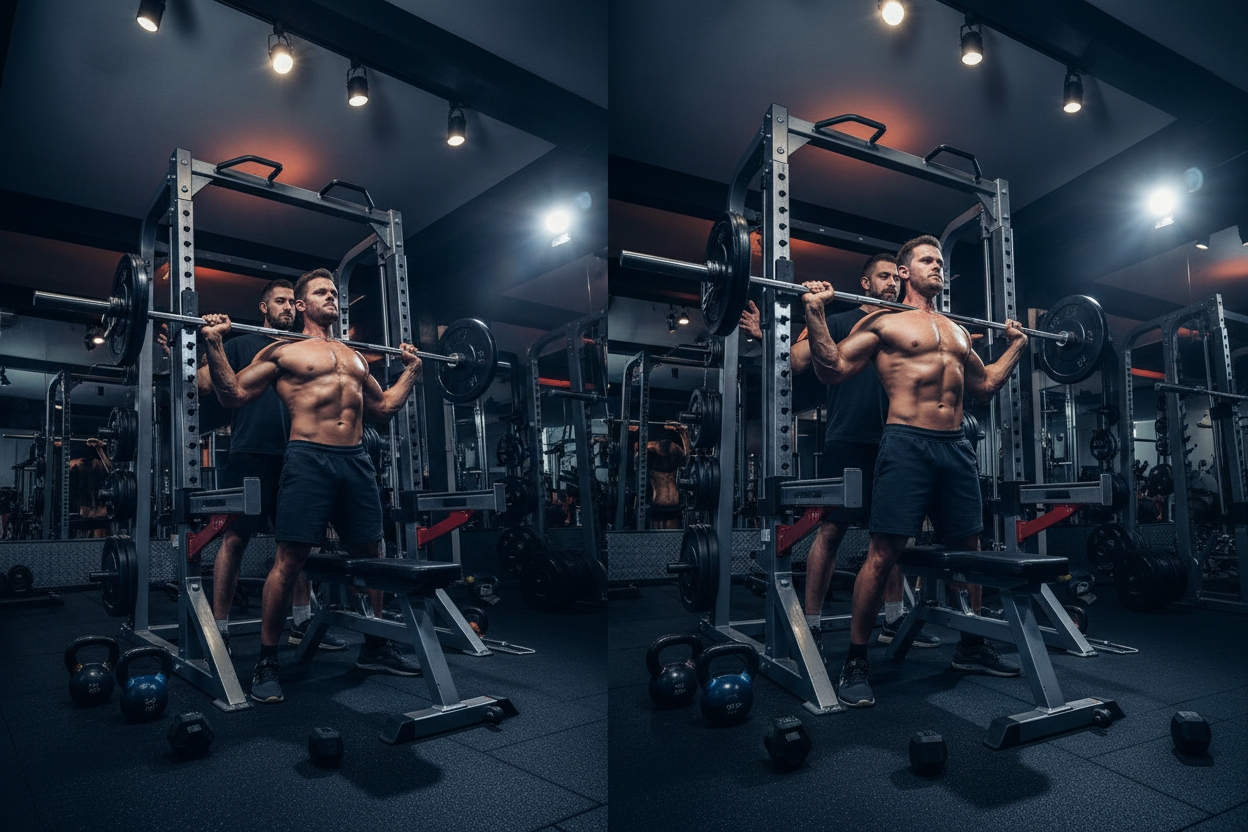
I learned these protocols the hard way after a botched overhead press session. I felt a distinct "zip" sensation in my front deltoid, followed by immediate weakness. The worst part wasn't the gym time I missed—it was the daily inconveniences.
I specifically remember the frustration of trying to put on a seatbelt. That reaching-across motion with my left arm triggered a sharp, electrical jolt that made me nauseous. I also recall the smell of the menthol cream I practically bathed in; it got into my bedsheets and didn't wash out for weeks.
What finally turned the corner for me wasn't total rest—it was the "wall walks." I would stand facing a wall, walking my fingers up the drywall inch by inch until I hit the pain threshold, then backing off. It was tedious, boring work, but it prevented my shoulder from locking up during those critical three weeks of healing.
Conclusion
Healing a shoulder takes patience. The joint is complex, and rushing back to heavy lifting is the fastest way to turn a 2-week strain into a 6-month chronic issue. Respect the biology of the injury, prioritize sleep positioning, and keep the joint moving gently.
Frequently Asked Questions
Should I use heat or ice for a shoulder strain?
Use ice for the first 48 to 72 hours to reduce acute swelling and numb sharp pain. After that, switch to moist heat (like a warm shower or heat pack) before doing your mobility exercises to loosen the muscles and increase blood flow.
How long does a shoulder strain take to heal at home?
A mild Grade 1 strain usually takes 1 to 3 weeks to heal with proper care. A Grade 2 strain (partial tear) can take 4 to 8 weeks. If you don't see improvement after two weeks of home treatment, consult a physical therapist.
Can I still exercise with a shoulder strain?
Yes, but you must modify. You can train your lower body and core. Avoid any upper body movements that cause pain. Even holding a heavy dumbbell in the uninjured hand can cause the injured shoulder to tense up for stability, so be mindful of your overall tension.