Build Real Curves: The Ultimate Women's Lower Body Workout Gym Guide
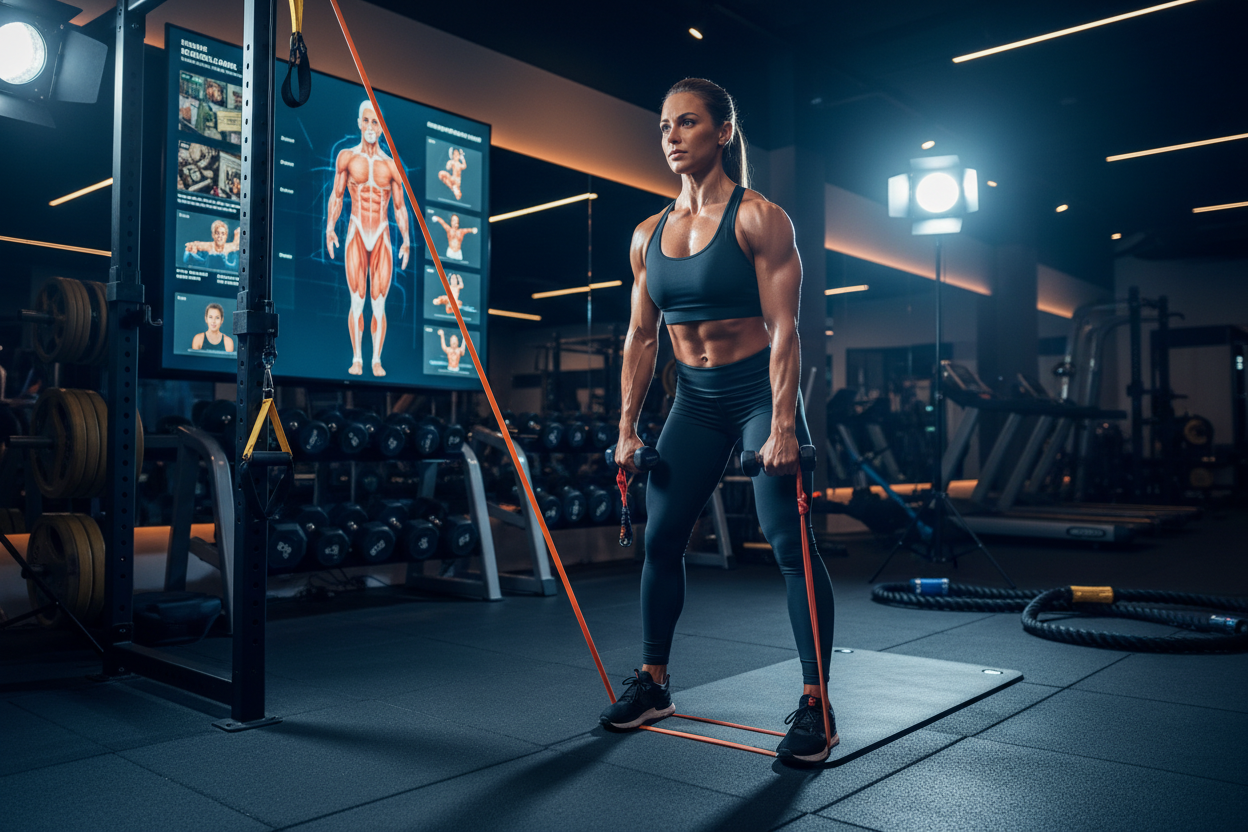
Walking into the weight room can feel intimidating, especially when the goal isn't just to "tone" but to actually build shape and strength. You aren't looking for endless cardio sessions; you are looking for a structural change. To see real results, your women's lower body workout gym routine needs to move away from light dumbbells and high reps, and toward the science of progressive overload.
Key Takeaways: The Essentials
- Prioritize Compound Lifts: Isolation exercises are fun, but squats, deadlifts, and lunges build the foundation.
- Eat to Grow: You cannot build glutes or quads in a severe calorie deficit; fuel is required for hypertrophy.
- Progressive Overload: If you aren't adding weight or reps every week, your body has no reason to change.
- Rest is Growth: Muscles are broken down in the gym but built during sleep and rest days.
The Science of Gaining Lower Body Weight
Many women ask how to gain lower body weight female athletes seem to have naturally. The answer isn't genetic luck; it's a specific style of training called hypertrophy. This process involves damaging muscle fibers through mechanical tension so they repair themselves larger and stronger.
To trigger this, you must lift heavy enough that the last two reps of a set feel difficult to complete with perfect form. If you finish a set of 12 and feel like you could have done 20, the weight is too light to stimulate growth.
Core Movements for Your Routine
An effective lower body weight workout female lifters should follow focuses on movement patterns, not just body parts. Here is the hierarchy of movements you need.
1. The Squat Pattern (Quads & Glutes)
Whether it's a Goblet Squat, Back Squat, or Leg Press, this is your primary knee-dominant movement. Deep squats stretch the glutes under load, which is critical for growth. Don't shy away from the barbell; it is the most efficient tool for loading the lower body.
2. The Hinge Pattern (Hamstrings & Glutes)
The Romanian Deadlift (RDL) is non-negotiable. Unlike a standard deadlift where you push off the floor, the RDL focuses on pushing the hips back. This creates massive tension in the hamstrings. Mastering the hip hinge is the secret to lifting heavy without hurting your lower back.
3. The Lunge/Unilateral Pattern
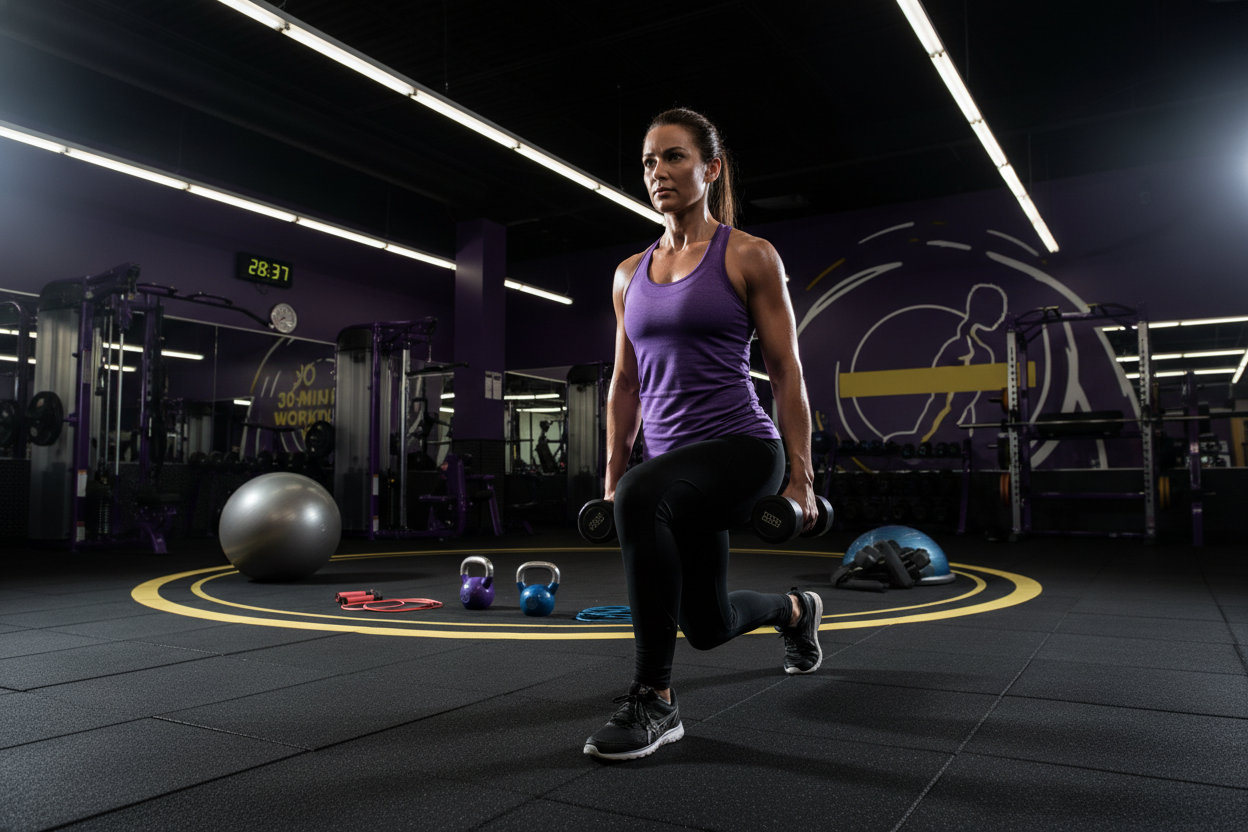
Walking lunges or Bulgarian Split Squats fix imbalances. If one leg is stronger than the other, bilateral movements (like the squat) will hide it. Unilateral work exposes it and forces the weaker side to catch up.
Structuring Your Women's Lower Body Workout Plan
A solid women's lower body workout plan shouldn't change every time you enter the gym. Consistency breeds results. Here is a structure to follow for 8-12 weeks:
- Warm-up: 5 mins incline walking + dynamic stretching (leg swings, glute bridges).
- Compound 1 (Heavy): Barbell Squat or Leg Press (3 sets of 6-8 reps).
- Compound 2 (Hinge): Romanian Deadlifts (3 sets of 8-10 reps).
- Unilateral: Bulgarian Split Squats (3 sets of 10-12 reps per leg).
- Isolation: Leg Curls or Glute Kickbacks (3 sets of 12-15 reps).
My Training Log: Real Talk
Let's be honest about the unglamorous side of this. I remember vividly when I first started taking leg day seriously. I was doing Bulgarian Split Squats holding two 20lb dumbbells.
The burn wasn't just in my quads; it was the grip strength failing before my legs did. I recall dropping the dumbbells on the rubber floor in frustration because my forearms were on fire, but my glutes had more in the tank. That's when I learned to use lifting straps. Also, nobody talks about the specific panic of the barbell pad slipping during hip thrusts and that cold steel digging right into your hip bones. If you leave the gym walking funny and slightly dreading the stairs, you did it right.
Conclusion
Building a lower body that is strong and capable takes time. It requires you to eat enough food to fuel the growth and to lift weights that challenge you mentally and physically. Stick to the plan, track your numbers, and the results will follow.
Frequently Asked Questions
How often should I train my lower body?
For most women, training legs 2 to 3 times a week is optimal. This frequency allows for enough volume to stimulate growth while providing adequate recovery time between sessions.
Will lifting heavy make me look bulky?
No. Women generally lack the testosterone levels required to put on "bulky" muscle mass quickly. Lifting heavy creates the "toned" and curvy look that most are aiming for by building the muscle underneath the skin.
What should I eat to gain weight in my legs?
To gain size, you must be in a slight caloric surplus, prioritizing protein (1.6g to 2.2g per kg of body weight). Carbs are also essential as they fuel high-intensity training sessions.