Seal Jacks: How to Do Them and Seal Jacks vs Jumping Jacks
Quick answer: To do seal jacks, stand with feet together and arms extended straight in front of you at shoulder height, palms facing each other. Jump your feet out wide while opening your arms out to the sides in a "T," squeezing your shoulder blades together. Then jump your feet back in while clapping your hands together in front of you, like a seal. Do 3–4 rounds of 30–45 seconds. Seal jacks are a jumping jack variation that adds upper back and chest work and is easier on the shoulders than overhead jacks.
Key takeaways
- Arms move horizontally (out and in), not overhead.
- Squeeze the shoulder blades as the arms open.
- Clap in front as the feet come together.
- Land softly on the balls of the feet.
- Shoulder-friendly alternative to jumping jacks.
Seal jacks vs jumping jacks
| Seal jacks | Jumping jacks | |
|---|---|---|
| Arm path | Horizontal, in front of the chest | Overhead |
| Upper body focus | Chest, upper back, rear delts | Shoulders |
| Shoulder comfort | Often better for tight shoulders | Requires overhead mobility |
Muscles worked
| Muscle | Role |
|---|---|
| Chest and front delts | Bring the arms together |
| Rhomboids and rear delts | Open the arms |
| Hip abductors and adductors | Jump the feet out and in |
| Calves | Bounce and land |
How to do seal jacks
- Stand with feet together, arms straight out in front at shoulder height.
- Jump out: feet wide, arms open to a "T," shoulder blades squeezed.
- Jump in: feet together, arms clap in front.
- Repeat with a quick, light rhythm.
Variations
- Step-out seal jacks: no jump, low impact.
- Squat seal jacks: sink into a half squat each time the feet go out.
- Overhead seal jack combo: alternate one seal jack and one jumping jack.
Common mistakes
| Mistake | Fix |
|---|---|
| Arms drooping below shoulder height | Keep arms level |
| No shoulder blade squeeze | Pull them together as arms open |
| Heavy landings | Stay light on the balls of the feet |
Cardio circuit
| Exercise | Work / rest |
|---|---|
| Seal jacks | 40 / 20 sec |
| Lateral shuffles | 40 / 20 sec |
| Plank jacks | 40 / 20 sec |
| Squat thrusts | 40 / 20 sec |
Who should be careful
- Knee or ankle pain: use step-out seal jacks.
- Pelvic floor concerns: choose low-impact versions.
Seal jacks at home
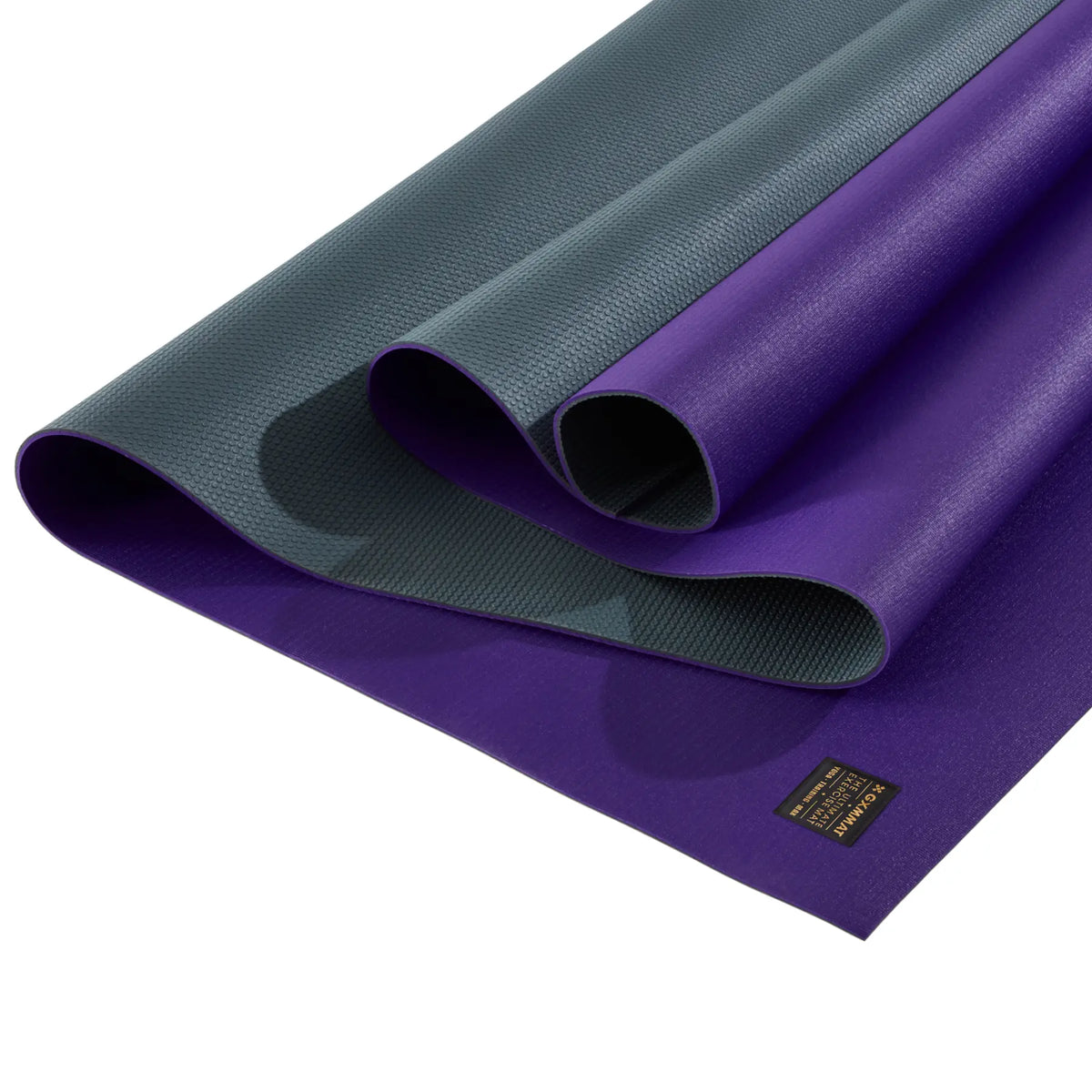
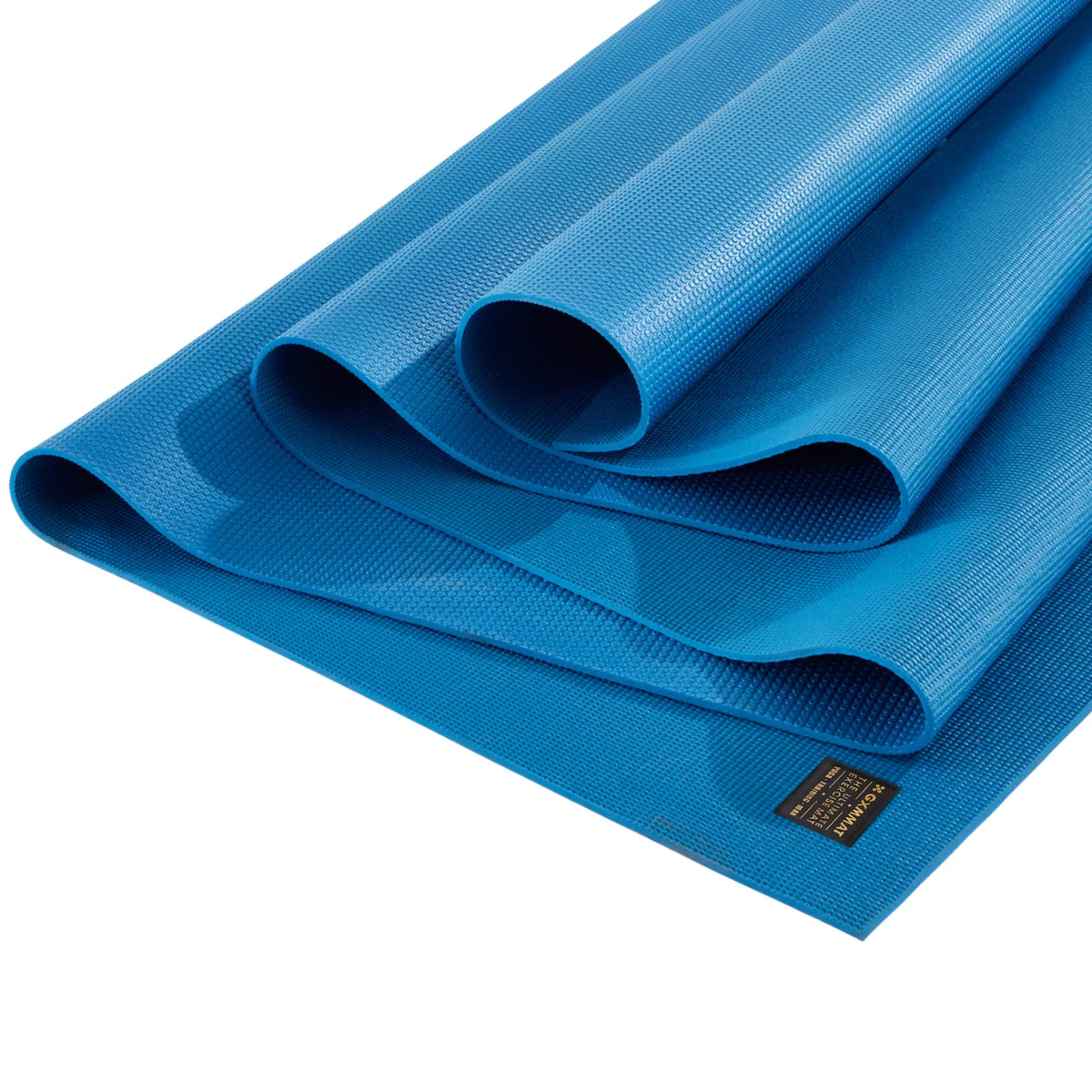
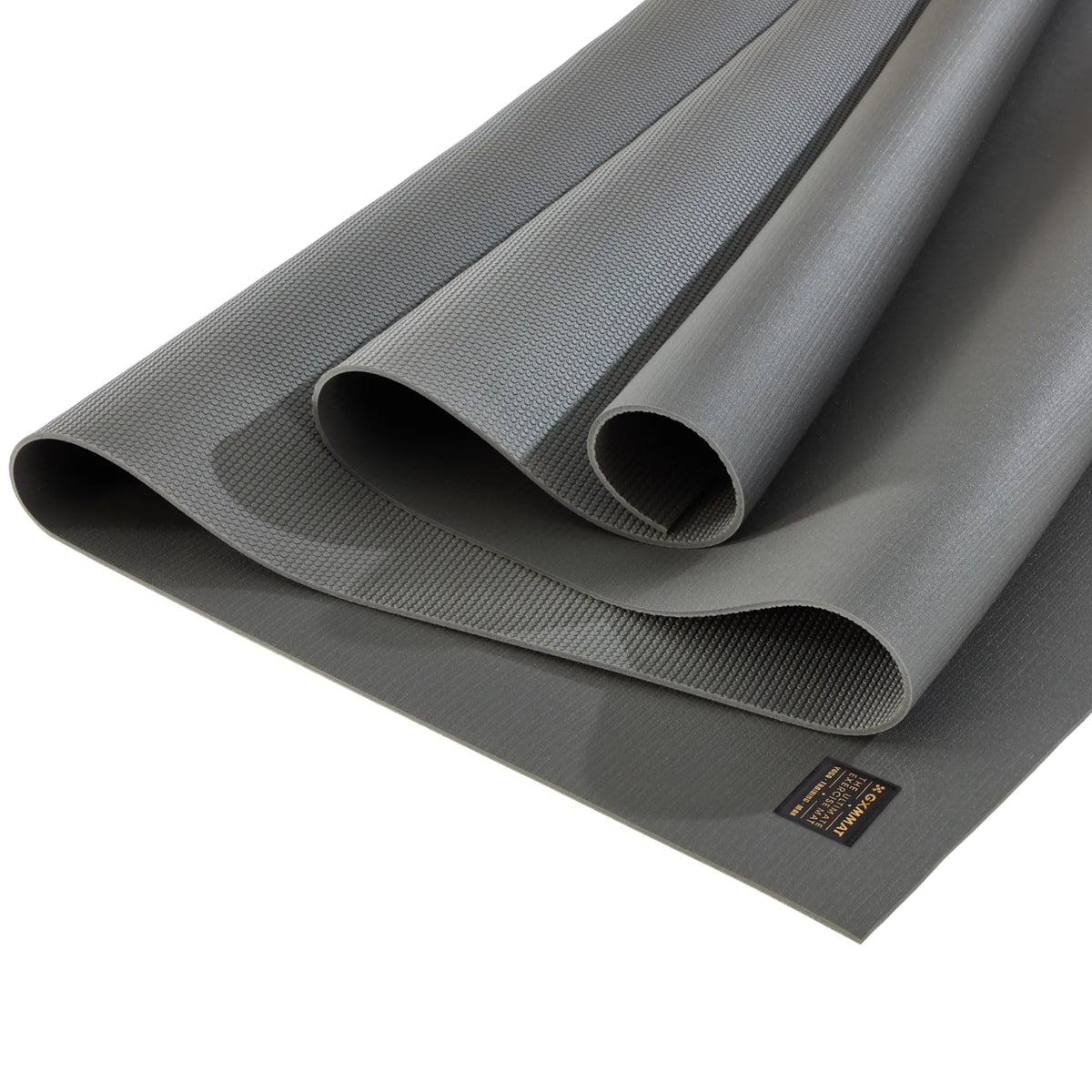
A GXMMAT large exercise mat gives your feet room to jump wide and cushions landings to protect your joints and keep noise down.
FAQ
What are seal jacks?
A jumping jack variation where the arms open and clap in front of you instead of going overhead.
What do seal jacks work?
The chest, upper back, shoulders, hip muscles and calves, plus cardio.
Are seal jacks easier than jumping jacks?
They're similar in intensity but often more comfortable for people with tight shoulders.
How long should I do seal jacks?
30–45 seconds per round, 3–4 rounds.
Are seal jacks good for warming up?
Yes, especially before upper body workouts.
Written by Yuvien Royer for GXMMAT. This article is general fitness information, not medical advice.