Sculpt and Strengthen: The Ultimate Lower Body Routine for Real Results
Building a powerful lower body requires more than just a few random sets on the leg press machine. A truly effective leg and glute workout gym session demands a strategic approach that targets the quadriceps, hamstrings, and the gluteal complex with intensity and precision. Whether your goal is athletic performance or aesthetic curves, the principles remain the same: compound movements, progressive overload, and consistent effort. We are going to break down exactly how to structure your training to maximize muscle growth and strength without spending hours wandering around the weight room.
Why Heavy Compound Lifts Are Non-Negotiable
Many gym-goers make the mistake of heading straight for the isolation machines. While cable kickbacks have their place, a solid gym workout for legs and glutes must be built around compound lifts. These are movements that require multiple joints and muscle groups to work together. Think squats, deadlifts, and lunges. These exercises recruit the most muscle fibers and trigger the greatest hormonal response for growth.
I remember when I first started training, I was terrified of the squat rack. I spent months doing endless reps of bodyweight exercises and light kickbacks, wondering why my physique wasn't changing. It wasn't until I committed to a structured leg and glute day involving heavy iron that I saw significant changes. Learning to brace my core under a barbell and drive through my heels changed everything. That shift from "toning" to "training" is the turning point for almost everyone who successfully transforms their lower body.
The Essential Gym Exercises for Legs and Bum
To get the most out of your time, you need to select movements that offer the best return on investment. Here are the pillars of a successful gym leg and bum workout.
1. The Barbell Hip Thrust
If you are looking for the holy grail of a gym workout for bum and legs, this is it. The hip thrust isolates the glutes better than almost any other heavy lift because it keeps constant tension on the muscle at the point of maximum contraction. Load up a barbell, position your upper back against a bench, and drive your hips upward. Keep your chin tucked to protect your lower back and focus on a hard squeeze at the top.
2. Romanian Deadlifts (RDLs)
This movement targets the posterior chain—specifically the hamstrings and glutes. Unlike a conventional deadlift, the RDL starts from a standing position. You hinge at the hips, pushing your glutes back as far as possible while keeping a slight bend in the knees. This is a staple in any leg and booty workout gym routine because it builds that distinct separation between the glutes and the hamstrings.
3. Bulgarian Split Squats
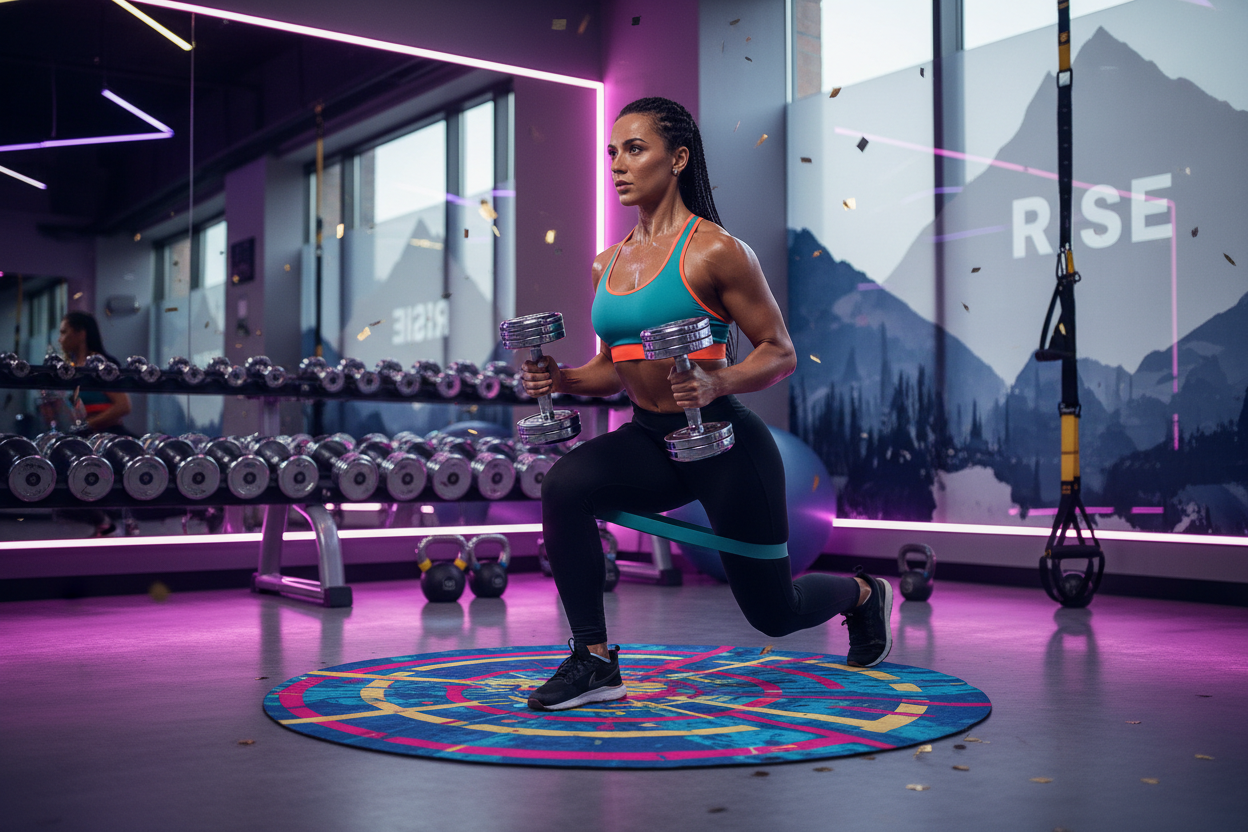
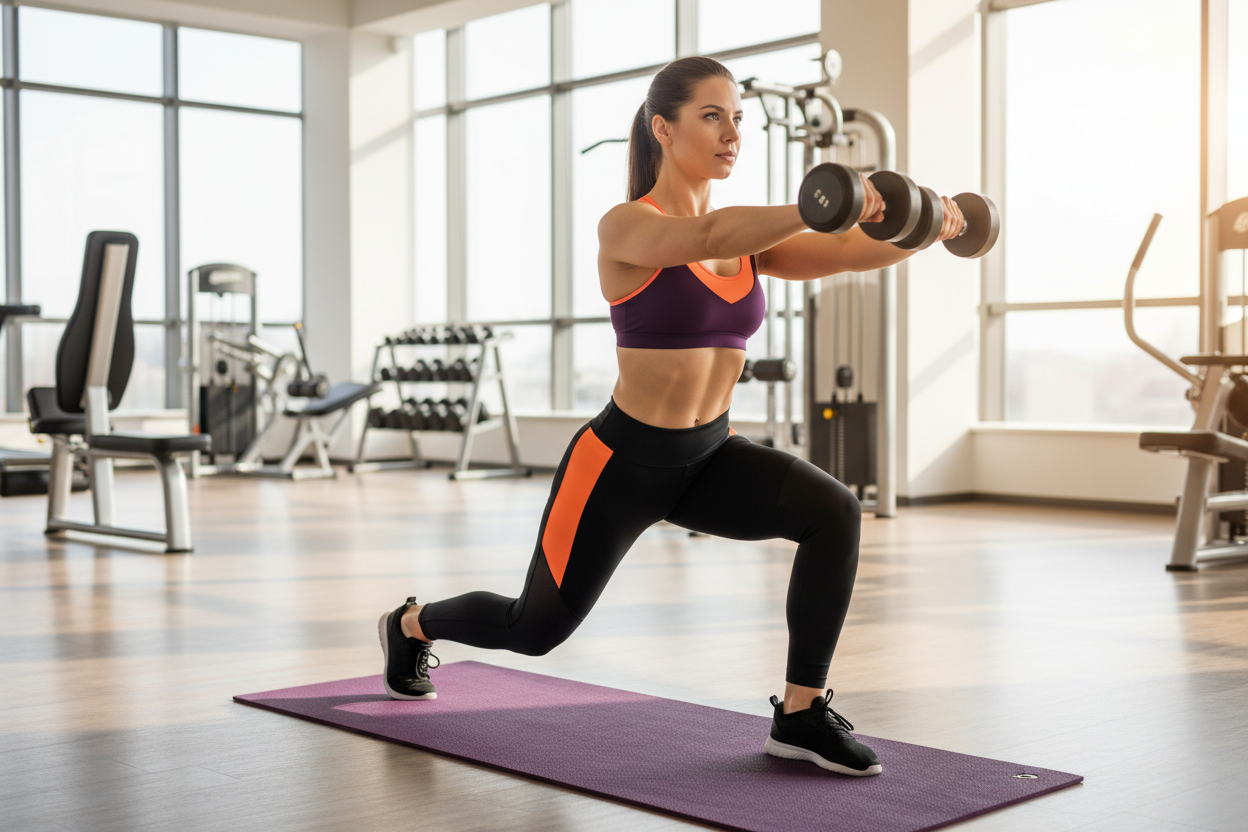
Often called the exercise everyone loves to hate, the split squat is unrivaled for fixing muscle imbalances. By isolating one leg at a time, you force the stabilizing muscles to work overtime. This is a crucial component of a legs and buttocks workout gym session because it prevents your dominant side from taking over, ensuring symmetrical development.
Your Step-by-Step Leg and Glute Workout Routine
Structure is everything. Walking into the weight room without a plan is a recipe for mediocrity. This specific workout routine for legs and glutes is designed to hit the lower body from all angles, ensuring you stimulate the quads, hamstrings, and glutes effectively.
- Warm-up: 5-10 minutes of dynamic stretching (leg swings, bodyweight squats).
- Barbell Squats: 4 sets of 6-8 reps. (Focus on depth and control).
- Hip Thrusts: 4 sets of 8-10 reps. (Pause for 2 seconds at the top).
- Romanian Deadlifts: 3 sets of 10-12 reps. (Focus on the stretch).
- Bulgarian Split Squats: 3 sets of 10-12 reps per leg.
- Leg Press (Feet High and Wide): 3 sets of 12-15 reps. (Placing feet higher shifts focus to the glutes and hamstrings).
This workout plan for legs and glutes balances heavy, low-rep work for strength with moderate-rep work for hypertrophy (muscle growth).
Refining Your Technique for Maximum Gains
Executing a glutes gym female legs workout or a male lower body session requires strict attention to form. When performing squats or lunges, ensure your knees track over your toes but do not collapse inward. Knee valgus (caving in) is a common cause of injury and reduces glute activation. Using a resistance band around your knees during warm-ups can help prime your abductors to keep your knees aligned during your heavy sets.
Mind-muscle connection is vital. During a glute and leg workout gym session, don't just move the weight from point A to point B. Visualize the specific muscle contracting. For example, during a leg press, think about pushing the platform away using only your heels to engage the posterior chain more effectively.
Frequency and Recovery
A common question regarding a leg and glute workout plan is how often to train. For most intermediates, hitting legs twice a week is optimal. You might have one heavy leg and glute day focused on strength (lower reps, heavier weights) and a second leg and glutes gym workout later in the week focused on volume (higher reps, metabolic stress).
Recovery is just as important as the leg and glute workout at gym. Your muscles grow while you sleep and recover, not while you are lifting. Ensure you are eating enough protein to support tissue repair. If you are constantly sore to the point where performance suffers, you may need to reduce the volume of your leg and glute day workout or increase your caloric intake.
Advanced Isolation Work
Once the heavy compound lifting is done, you can finish your leg and glute gym workout with isolation exercises to fully exhaust the muscles. These are less taxing on the central nervous system but great for shaping.
Cable Kickbacks
Strap an ankle cuff to a low cable pulley. Kick your leg back and slightly out to a 45-degree angle. This is a classic gym workout for legs and glutes finisher that targets the glute medius, helping to build the "shelf" look of the upper glutes.
Seated Leg Curl
Don't neglect the hamstrings. A leg and bum weights workout is incomplete without dedicated hamstring isolation. The seated leg curl creates immense tension in the shortened position of the muscle, complementing the stretch-focused RDLs you did earlier.
Putting It All Together
Consistency is the final piece of the puzzle. A leg glute workout gym session is challenging; it burns, and it leaves you walking funny the next day. However, sticking to a gym workout for buttocks and thighs that prioritizes progressive overload—adding a little more weight or doing one more rep each week—is the only way to change your physique permanently. Treat every rep with respect, fuel your body, and the results will follow.
FAQ
How often should I train legs and glutes for maximum growth?
Training legs and glutes twice a week is generally the sweet spot for most people. This frequency allows you to accumulate enough volume to stimulate growth while providing adequate rest days (usually 2-3 days) between sessions for the muscles to repair and recover.
Why do I feel squats mostly in my quads and not my glutes?
Squats are naturally a quad-dominant exercise, but you can increase glute activation by taking a slightly wider stance and pointing your toes out. Additionally, focusing on driving your hips back (sitting into the squat) and pushing up through your heels rather than your toes can help shift more tension to the posterior chain.
Can I grow my glutes without heavy weights?
While you can achieve some initial toning with high-rep bodyweight exercises, significant muscle growth (hypertrophy) typically requires progressive overload using weights. To change the shape and size of the muscle effectively, you need to challenge the muscle fibers with resistance that makes the last few reps of a set difficult to complete.